_-_Kangla_Fort,_Imphal_02.jpg)

2 min walk
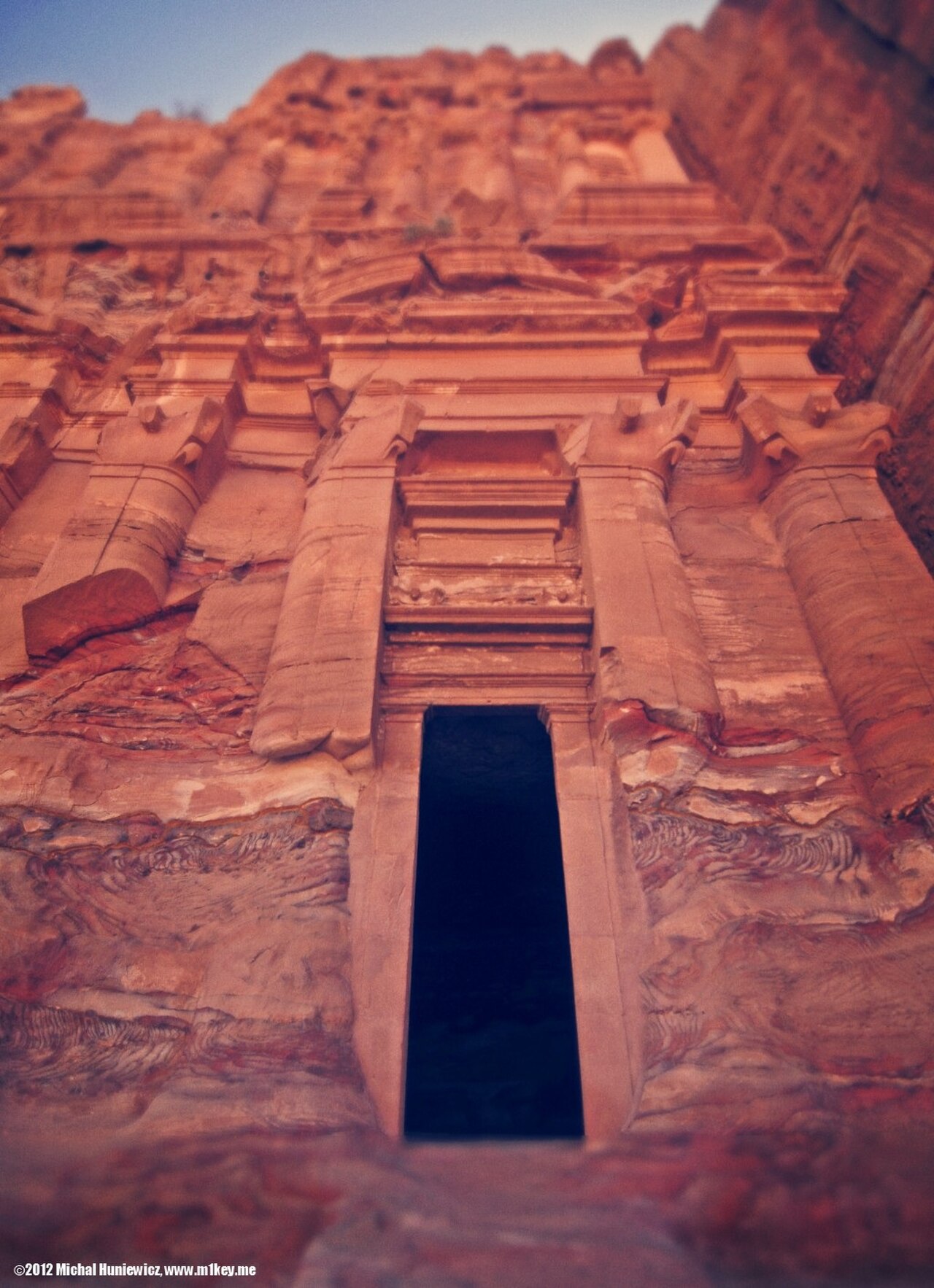
Sextius Florentinus Tomb at Petra
- Must see
- Historic monument
Language · 11 published
Historic monument · Wadi Musa

| Monday | 06:30 – 17:00 |
|---|---|
| Tuesday | 06:30 – 17:00 |
| Wednesday | 06:30 – 17:00 |
| Thursday | 06:30 – 17:00 |
| Friday | 06:30 – 17:00 |
| Saturday | 06:30 – 17:00 |
| Sunday | 06:30 – 17:00 |
Checked 2026-08-31 · Source
Read from the OpenStreetMap access tags; anything not listed has no tag recorded.
Set the group type to family in the planner and the day window contracts to about three quarters of a solo day.
The Royal Tombs are a grand cluster of monumental facades carved into the rose-red cliffs at Petra's eastern edge. This necropolis complex represents some of the most elaborate rock-cut architecture in the ancient Nabataean kingdom. The ensemble includes the Urn Tomb, Silk Tomb, Corinthian Tomb, and Palace Tomb, each displaying distinct Hellenistic and Assyrian decorative influences. These structures served as burial monuments for Nabataean royalty and elite families during the first centuries BCE and CE. The scale and craftsmanship demonstrate the wealth and engineering sophistication of this desert civilization.
Checked 2026-08-26
Each tomb presents unique architectural character. The Urn Tomb features a deep terrace with columned portico and an upper story bearing an inscribed dedication to the Nabataean king Malichos II. The Silk Tomb earns its name from the swirling, multicolored sandstone patterns framing its entrance. The Corinthian Tomb shows classical column capitals and pediment details. The Palace Tomb resembles an Assyrian palace with its three-story stepped facade. Interior chambers are generally plain rock-cut spaces, though some contain burial niches. The facades themselves constitute the primary artistic achievement.
Checked 2026-08-26
Visitors typically allocate ninety minutes to two hours for meaningful exploration of the Royal Tombs complex. This duration permits approaching each facade individually, examining decorative details, and absorbing the atmosphere from various vantage points. The ascent from the Colonnaded Street involves a substantial stair climb requiring moderate physical fitness. Photography, rest stops, and contemplation of the engineering achievement extend the visit. Those with deeper archaeological interest may linger longer. The tombs reward unhurried observation, as facade details become apparent only from close examination and shifting light angles.
Checked 2026-08-26
Morning and late afternoon offer optimal natural illumination for viewing the tombs' carved details and color variations. The eastern orientation means morning sun directly illuminates the facades. Seasonal considerations include summer heat making the exposed climb strenuous, and winter bringing possible flash flood risks in the surrounding wadi system. The site receives substantial visitor traffic during peak tourism months. Local conditions and accessibility should be verified through official channels before planning. Crowd patterns follow broader Petra visitor flows. Royal Tombs also earns time in a petra itinerary because Royal Tombs is a headline Petra visitor priority established by the fact pack; no production match exists. Its value becomes clearer when the stop is compared with the surrounding streets and the other ranked places nearby. Check the operator's own site for the travel date before relying on a schedule or fare.
Checked 2026-08-26
Access to the Royal Tombs falls within general Petra archaeological site admission. Petra operates under a multi-day ticket structure with varying durations available. International visitors typically purchase passes valid for one, two, or three consecutive days. The Jordan Pass, combining visa and entry fees, may include Petra access. Payment methods and currency accepted should be confirmed directly with official sources. Student, child, and group discount policies exist but require verification. No separate ticket exists specifically for the Royal Tombs area. Check the operator's own site for the travel date before relying on a schedule or fare.
Checked 2026-08-26
The Royal Tombs lie northeast of Petra's central valley, accessible via a marked trail ascending from the Colonnaded Street. The approach involves climbing rock-cut steps and pathways with uneven surfaces. From the main Siq entrance, visitors traverse approximately two kilometers through the canyon, past the Treasury, along the Street of Facades, and through the theater area before reaching the ascent point. Signage indicates the route. Guided tours regularly include this complex. Self-guided exploration requires adequate footwear and water carrying. The return descent follows the same path.
Checked 2026-08-26
The stair ascent presents physical demands with uneven steps and exposed edges. Loose gravel and smooth worn stone create slip hazards, particularly during descent. No guardrails protect steep drops in all locations. Summer temperatures exceed comfortable hiking thresholds; hydration and sun protection are essential. Flash flood potential exists in surrounding drainage systems during rainfall. Interior tomb chambers may contain accumulated debris and uneven floors. Wildlife including snakes and scorpions inhabits rock crevices. Visitors should remain on established paths to prevent erosion damage to fragile archaeological fabric and avoid personal injury.
Checked 2026-08-26
The Royal Tombs offer exceptional photographic subjects with their monumental scale and color-textured sandstone. Morning light enhances facade detail and color saturation. The elevated position provides contextual views over Petra's central valley toward the theater and beyond. Wide-angle lenses accommodate close-quarters facade photography. The Silk Tomb's natural patterns particularly reward macro attention. Tripod use may attract official attention; policies should be confirmed. Drone operation is prohibited within the archaeological zone. Respectful practice avoids intrusive behavior at culturally sensitive funerary monuments. Commercial photography requires permit verification through appropriate authorities.
Checked 2026-08-26
The ascent involves substantial rock-cut stairs with uneven surfaces and significant elevation gain. Full accessibility is not recorded.
Some tombs permit entry to interior rock-cut spaces, though chambers are generally plain and may contain debris hazards.
No separate guide requirement is recorded; the area is included in general Petra site access and standard guided tours.
Each displays unique facade architecture: the Urn Tomb has its terrace and dedication, Silk Tomb shows colorful banding, Corinthian Tomb features classical capitals, and Palace Tomb resembles an Assyrian palace.
Specific conservation dates and projects are not recorded pending verification from official sources.
Camping regulations within the Petra archaeological zone are not recorded; official policy should be confirmed through authorized channels.
Loading the interactive map…
The interactive map could not be loaded.
Last updated:
Source: OpenStreetMap contributors ·