

1 min walk
Urn Tomb (Petra)
- Must see
- Historic monument
Language · 11 published
Historic monument · Wadi Musa
Silk Tomb
Reviewed by Elena Voss · SSMTour Travel Editor

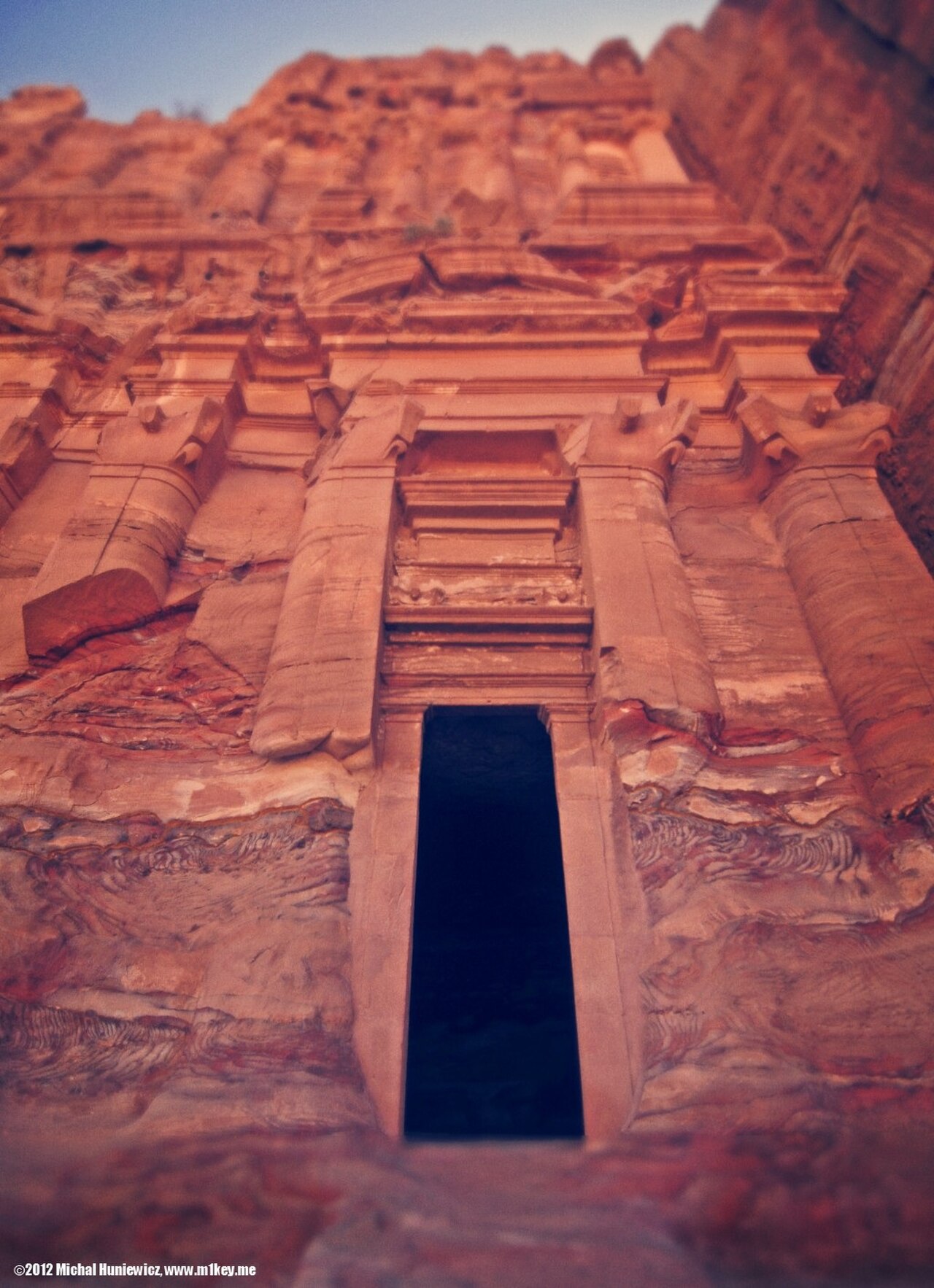
The Silk Tomb is a rock-cut facade within the Petra archaeological park in southern Jordan. It earns its name from the richly colored, banded sandstone surface that resembles flowing silk fabric. The tomb belongs to the street of facades area of the ancient Nabataean city. The striking coloration results from natural mineral variations in the rock rather than artificial pigmentation. Like many Petra monuments, it was carved directly into the sandstone cliff face. The Silk Tomb primarily consists of an exterior rock-cut facade. Interior access is limited or not available for general visitors, which is typical for many tombs in Petra.
Checked 2026-08-26 · Source
The Silk Tomb consists primarily of its elaborately carved exterior facade rather than a spacious interior chamber accessible to visitors. The facade features classical Nabataean architectural elements including columns and a pediment. The interior, typical of many Petra tombs, comprises a relatively modest chamber behind the grand exterior. Visitors cannot enter all tomb interiors freely throughout the archaeological zone. The visual impact derives substantially from the exterior craftsmanship and the remarkable natural color striations. The silk-like appearance of the stone creates distinctive photographic and aesthetic interest that distinguishes this monument from neighboring facades.
Checked 2026-08-26 · Source
A visit to the Silk Tomb itself requires only brief observation time, as it is an exterior monument viewed from the path. Most visitors allocate ten to twenty minutes for appreciation and photography. The tomb typically forms part of a broader Petra itinerary encompassing multiple monuments across the archaeological park. Full exploration of the main trail from the Siq through to the Monastery represents a substantially longer commitment. Visitors should consider the Silk Tomb as one component among dozens of significant sites within the extensive park rather than a standalone destination requiring dedicated scheduling.
Checked 2026-08-26 · Source
Petra's archaeological park operates across seasons with varying conditions. Morning and late afternoon hours generally offer favorable lighting for viewing the Silk Tomb's coloration and more moderate temperatures during warmer months. Summer midday heat can prove intense in this desert environment. Winter brings cooler conditions with occasional rainfall that may affect trail conditions. The rose-red and variegated stone colors appear particularly vivid during golden hour lighting, though personal scheduling must balance this against crowd patterns and thermal comfort.
Checked 2026-08-26 · Source
Access to the Silk Tomb requires valid entry to the Petra archaeological park. Ticket structures for Petra typically operate on multi-day or single-day visitor passes covering the entire site rather than individual monument pricing. Jordanian nationals, residents, and international visitors may face different fee categories. Various combined ticket options with other Jordanian sites have historically existed. Visitors should verify current rates through official Jordanian tourism channels or the Petra Development and Tourism Region Authority. Payment methods and advance booking requirements should be confirmed before travel planning finalization.
Checked 2026-08-26 · Source
The Silk Tomb lies within the Petra archaeological park accessible from Wadi Musa, the adjacent modern town serving visitors. The park entrance leads through the Siq gorge to the central archaeological zone. The tomb sits along the main trail beyond the Treasury and before the theater area, on the street of facades. Walking represents the primary means of movement within the core site, though animal transport options exist for certain routes. The terrain involves uneven paths, steps, and sandy or rocky surfaces. Visitors should wear appropriate footwear and carry water regardless of apparent distance between monuments.
Checked 2026-08-26 · Source
The desert environment presents significant heat and sun exposure risks requiring hydration and protective measures. Trail surfaces throughout Petra are uneven, with loose stones and eroded steps creating trip hazards. The cliffside locations of tombs including the Silk Tomb mean drops and steep edges exist immediately adjacent to paths. Animal transport in the area requires caution regarding animal behavior and handler negotiations. Crowding at popular monuments can impede movement and photography. Visitors should remain on marked routes to protect both archaeological fabric and personal safety. Emergency services access within the park may involve delays due to terrain constraints.
Checked 2026-08-26 · Source
The Silk Tomb offers exceptional photographic subject matter due to its distinctive color banding and architectural detail. Side-lighting during morning or late afternoon enhances the silk-like texture appearance in images. The narrow canyon setting can limit wide-angle composition options and create challenging exposure contrasts between sunlit and shadowed areas. Tripod use may face practical constraints from passing visitors and uneven ground. The intense desert sunlight produces harsh shadows at midday. Visitors should respect any posted restrictions on commercial photography or drone operation. Other visitors frequently occupy prime viewpoints, requiring patience for unobstructed shots.
Checked 2026-08-26 · Source
The Silk Tomb primarily consists of an exterior rock-cut facade. Interior access is limited or not available for general visitors, which is typical for many tombs in Petra.
The name derives from the natural color banding in the sandstone, which creates patterns resembling flowing silk fabric across the carved facade surface.
The Silk Tomb lies within the Petra archaeological park and is covered by the general park admission. Specific ticket terms should be verified with official sources.
The tomb sits along Petra's main trail with moderate walking required on uneven surfaces. It does not involve the steep climb required for some other monuments.
Licensed guides operate within Petra archaeological park broadly.
The distinctive natural color variations in the sandstone create the silk-like appearance that distinguishes this monument from neighboring tombs with more uniform coloring.
Loading the interactive map…
The interactive map could not be loaded.

Last updated:
Source: OpenStreetMap contributors, Wikidata ·