Expo ’70 Commemorative Park
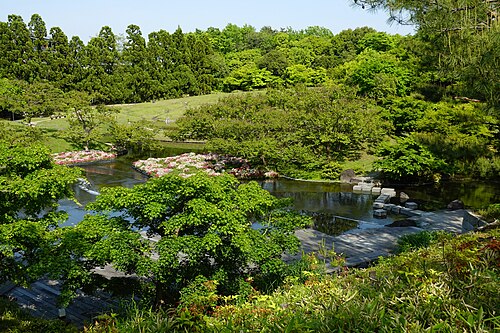
Expo '70 Commemorative Park is a large public park in Osaka that preserves the site of the 1970 World Exposition.
- Must see
- Nature site
- Osaka
Language · 11 published
Country guide
Around three quarters of Japan is mountain and forest, which pushes almost everyone onto the eastern coastal plains and makes the country far narrower in practice than 377,975 km2 suggests. Forty-seven prefectures, eight traditional regions and more than 14,000 smaller islands, and yet a first visit usually runs along a single rail corridor with Tokyo at one end and Kyoto and Osaka at the other. Tokyo is the capital and largest city of a country of almost 123 million people. Hokkaido in the north and Okinawa in the south are different climates rather than day trips, and both need their own week.
Every city catalogued in this country so far, ranked by how much there is to see.
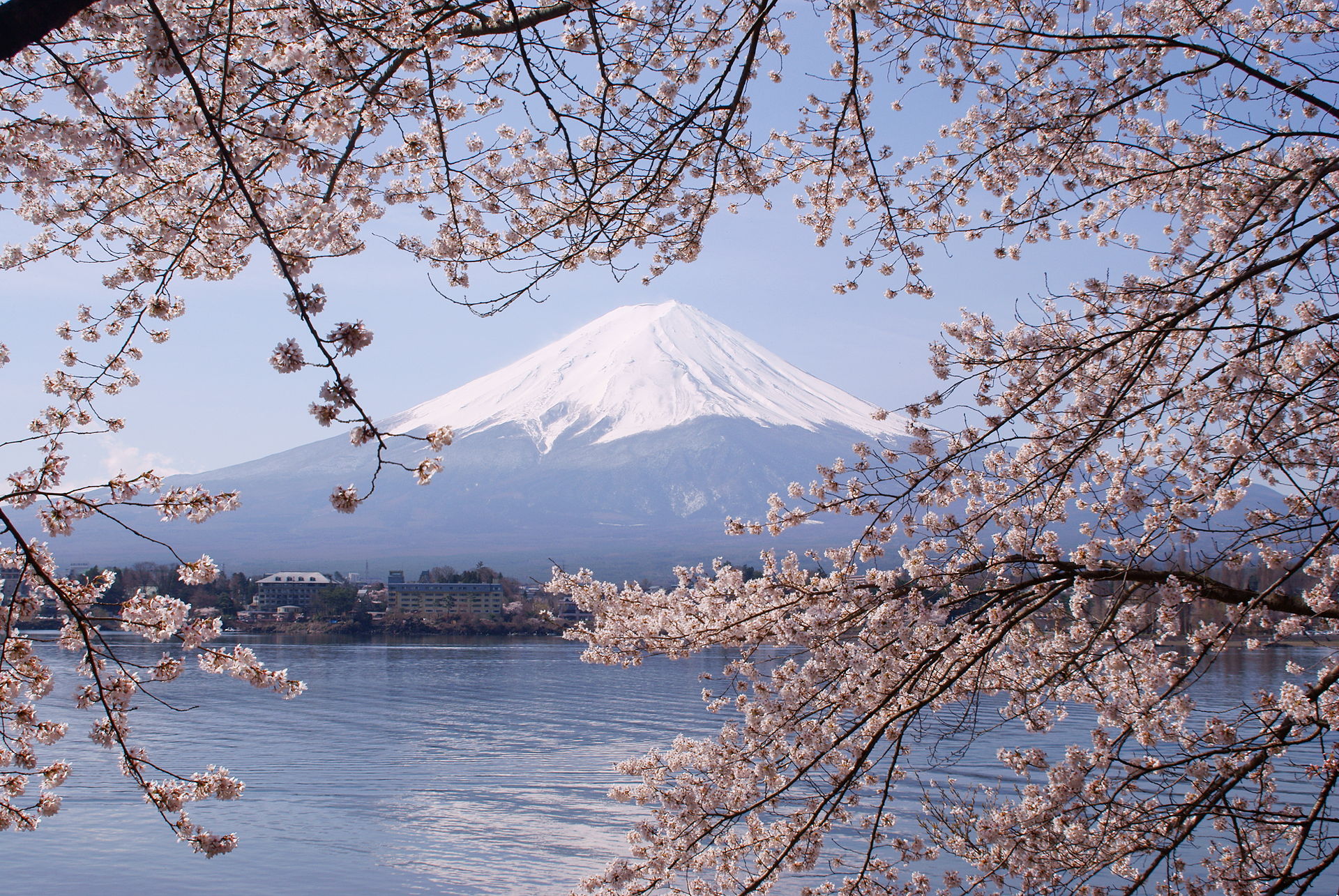
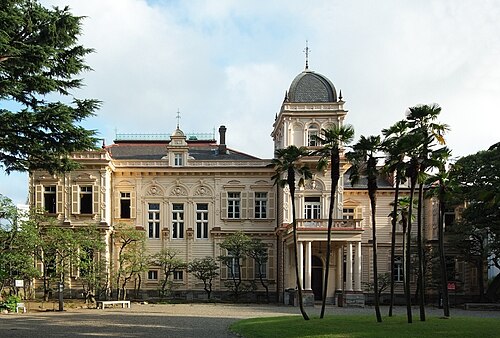
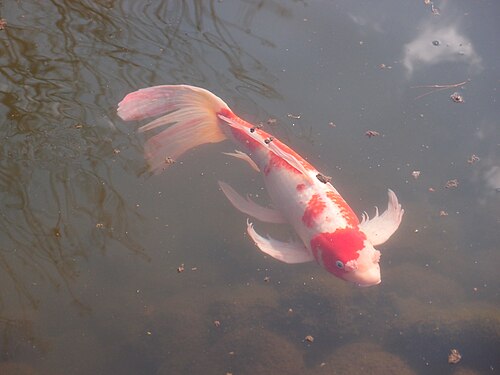
Photograph · Morio · CC BY-SA 3.0
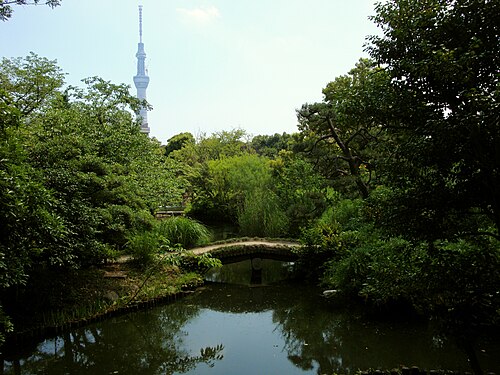
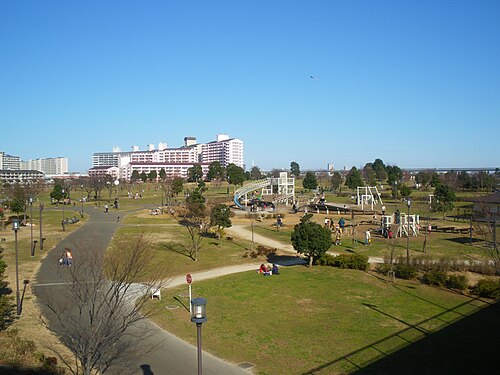
Photograph · Martin Falbisoner · CC BY-SA 4.0
Ranked by importance — sitelinks, pageviews and heritage status, not editor preference.
100 places match
Category
Typical visit duration
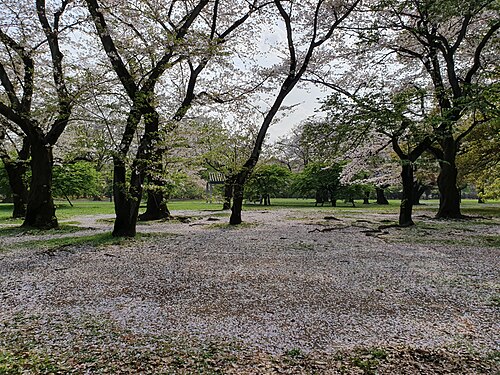
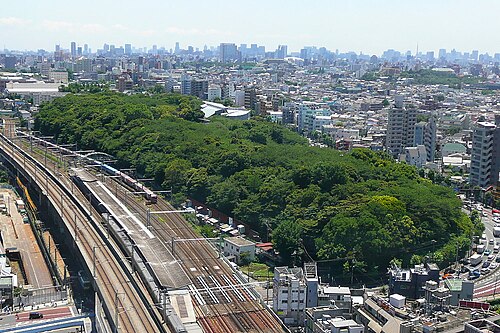
Expo '70 Commemorative Park is a large public park in Osaka that preserves the site of the 1970 World Exposition.
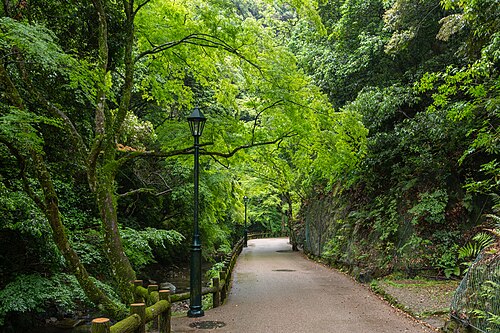
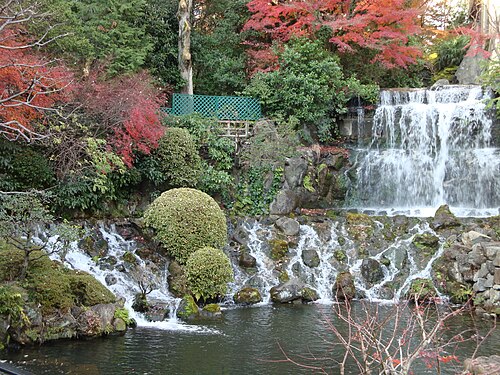
Minoh Park is a forested recreational area in northern Osaka Prefecture, centered on the Minoh Waterfall. The site forms part of Meiji no Mori Minoh Quasi-National Park, one of Japan's earliest quasi-national park designations.
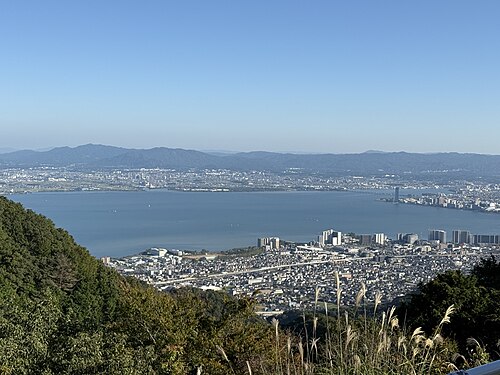
Lake Biwa is the largest freshwater lake in Japan, located in Shiga Prefecture northeast of Kyoto. The lake occupies a central position in the region's geography and has historically served as a vital water resource and transportation route.
Ueno Park, known locally as Ueno Onshi Koen, is a major public park in Tokyo. It occupies a significant area in the Taito ward and serves as one of the city's most prominent green spaces.
Koishikawa Botanical Garden is a botanical garden and arboretum located in the Koishikawa area of Bunkyo Ward, Tokyo. Established in 1684 by the Tokugawa shogunate as a medicinal herb garden, it is one of Japan's oldest botanical gardens.
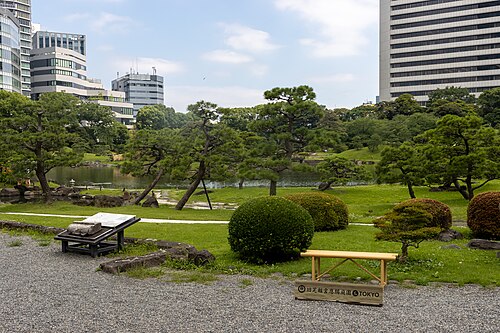
Hamarikyu Gardens is a public garden in central Tokyo, located at the mouth of the Sumida River where it meets Tokyo Bay.
Kyu Shiba Rikyu Garden is a historic landscape garden in central Tokyo, originally developed as a feudal lord's residence garden during the Edo period.
Chinzan-sō Garden is a Japanese garden located in Tokyo. The site is historically associated with the former estate of Prince Aritomo Yamagata, a prominent Meiji-era statesman.
Koishikawa Kōrakuen is a historic Japanese garden in Bunkyō Ward, Tokyo. Its local name is 小石川後楽園. The garden is recognized as a Special Historic Site and Special Place of Scenic Beauty by the national government.
Kyu-Furukawa Gardens is a historic garden in Tokyo, known locally as 旧古河庭園. The site represents an important example of Japanese landscape design combined with Western architectural influence.
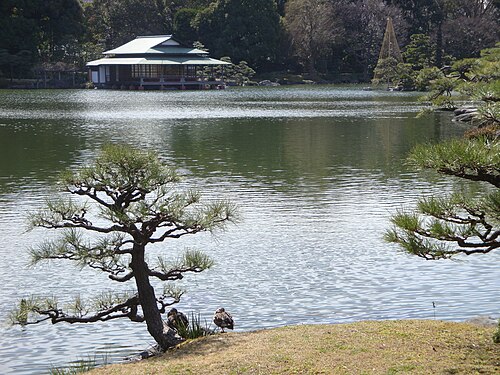
Kiyosumi Gardens is a traditional Japanese landscape garden located in the Fukagawa district of eastern Tokyo.
Inokashira Park is a public park in Tokyo, formally known as 井の頭恩賜公園. The site was bestowed upon Tokyo by the Emperor and remains a significant green space within the metropolis.
Maruyama Park is a public park located in the Higashiyama district of Kyoto, Japan. It sits at the base of the Eastern Mountains and serves as one of the city's most popular cherry blossom viewing locations.
Shosei-en Garden is a traditional Japanese garden located in Kyoto. It serves as the detached garden of Higashi Hongan-ji, one of the largest Buddhist sect headquarters in the city.
Yoyogi Park is a major public park in Tokyo, Japan. The local name is 代々木公園. It is one of the largest city parks in the metropolis and serves as a significant recreational space for residents and visitors.
Shinjuku Gyoen National Garden is a large park and garden in Shinjuku, Tokyo. The local name is 新宿御苑. It occupies a significant area in one of Tokyo's busiest districts.
Kyu-Iwasaki-tei Garden is a historic garden and former estate in Tokyo, Japan. The property preserves the residence and grounds of the Iwasaki family, founders of the Mitsubishi conglomerate.
Mukojima-Hyakkaen Gardens is a historic garden located in the Mukojima area of Tokyo's Sumida Ward.
Sai-ji, known locally as Karahashi Sai-ji Park, was a major Buddhist temple in historical Kyoto. The original Sai-ji was established in the eighth century and paired with To-ji as the two guardian temples of the capital.
Kyoto Botanical Gardens is a major botanical garden located in Kyoto, Japan. It is operated by the city of Kyoto and serves as a significant center for plant conservation, research, and public education.
Kasai Rinkai Park is a coastal park located in the Edogawa ward of Tokyo, facing Tokyo Bay. The park was developed on reclaimed land and serves as one of Tokyo's largest public parks dedicated to marine environment appreciation and recreation.
Yumenoshima Park is a metropolitan park located in Koto Ward, Tokyo, Japan. The local name is 都立夢の島公園, indicating it is a Tokyo Metropolitan Government facility.
Asukayama Park is a public park located in the Kita ward of Tokyo, Japan. The local name is 飛鳥山公園. It holds historical significance as one of Japan's oldest parks, having been established as a recreational area during the Edo period.
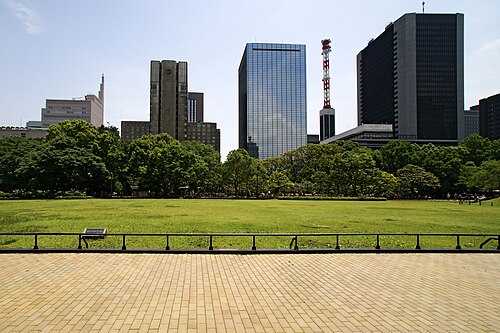
Hibiya Park is a public park in central Tokyo, established on former imperial army grounds and opened as Japan's first Western-style modern park. The local name is 日比谷公園.
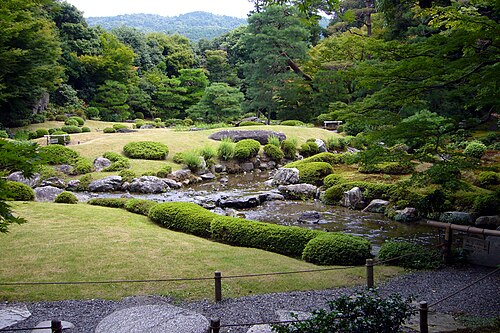
Murin-an is a Japanese garden and villa located in Kyoto, Japan. The local name is 無鄰菴. It is listed on Wikidata as Q3328153 and mapped on OpenStreetMap as way/300891384.
Ōkōchi Sansō is a villa and garden complex in Kyoto, Japan, associated with the film actor Denjirō Ōkōchi. The property sits on the slopes of Mount Ogura in the Arashiyama district.
Kyoto Gyoen National Garden is the broad public landscape surrounding Kyoto Imperial Palace in central Kyoto. The Ministry of the Environment describes a rectangle about 1.3 kilometres north to south and 0.7 kilometres east to west.
Tennōji Park is a public park in Osaka, Japan, bearing the local name 天王寺公園. It occupies a position within the urban fabric of the city, situated in proximity to Tennōji Station and the broader Tennōji area.
Sumida Park is a riverside public park along the Sumida River in Tokyo. The park stretches along both banks of the river, with sections in Taito Ward and Sumida Ward.
Nakanoshima Park is the long, thin green strip at the eastern end of Nakanoshima, the sandbank island in central Osaka that the Dojima River and the Tosabori River divide around before rejoining.
The Imperial Palace East Gardens form part of the grounds surrounding the Tokyo Imperial Palace, the primary residence of Japan's Imperial Family.
Umekoji Park is a public park in Kyoto, Japan. The park occupies a significant riverside plot near the confluence of the Kamo and Katsura rivers in the western part of the city.
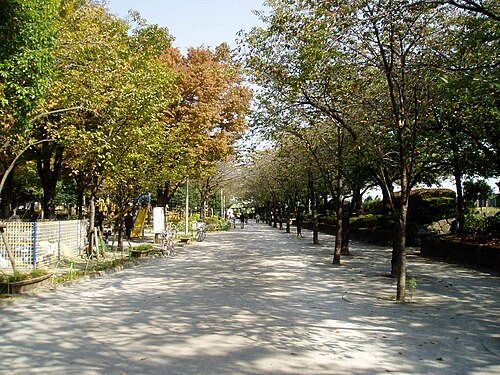
Ojima Komatsugawa Park is a public park in Tokyo's Koto Ward, known locally as 大島小松川公園. The park occupies land along the Kyu-Yodo River water system in eastern Tokyo.
Source: OpenStreetMap contributors, Wikidata ·
Ten to fourteen days supports four or five days in Tokyo, three or four in Kyoto, and two or three in Osaka. Add Nara or Himeji only after those bases have enough time, and avoid turning every rail stop into a hotel change.
Japan's visa exemption or visa requirement depends on passport and travel purpose. Confirm the current rule through Japan's Ministry of Foreign Affairs or the embassy responsible for the traveller's residence.
The Tokaido Shinkansen links Tokyo, Kyoto, and Osaka, while local rail and buses cover city travel. An IC card simplifies many local journeys but does not replace every reserved long-distance ticket, and luggage forwarding can reduce friction between bases.
March to May and October to November are broad options for the main-island route, with blossom and autumn periods creating concentrated demand. Confirm regional weather and reservations for the exact cities rather than assuming one national season behaves uniformly.
Japan uses the yen (JPY). Electronic payment is common but not universal, so carry some yen for smaller businesses, ticket machines, or rural transport without assuming that one stored-value card works for every purchase.
Japan's emergency numbers are 110 for police and 119 for fire or ambulance. Type A sockets operate at 100 V, which is lower than in the other wave-A countries, and mains tap water is recorded as safe.