
.jpg)


01
1 hr 30 min
Umeda Sky Building
The Umeda Sky Building is a distinctive high-rise structure in Osaka's Kita district, completed in 1993.
- Must see
- Viewpoint
- Osaka
Language · 11 published
Country guide
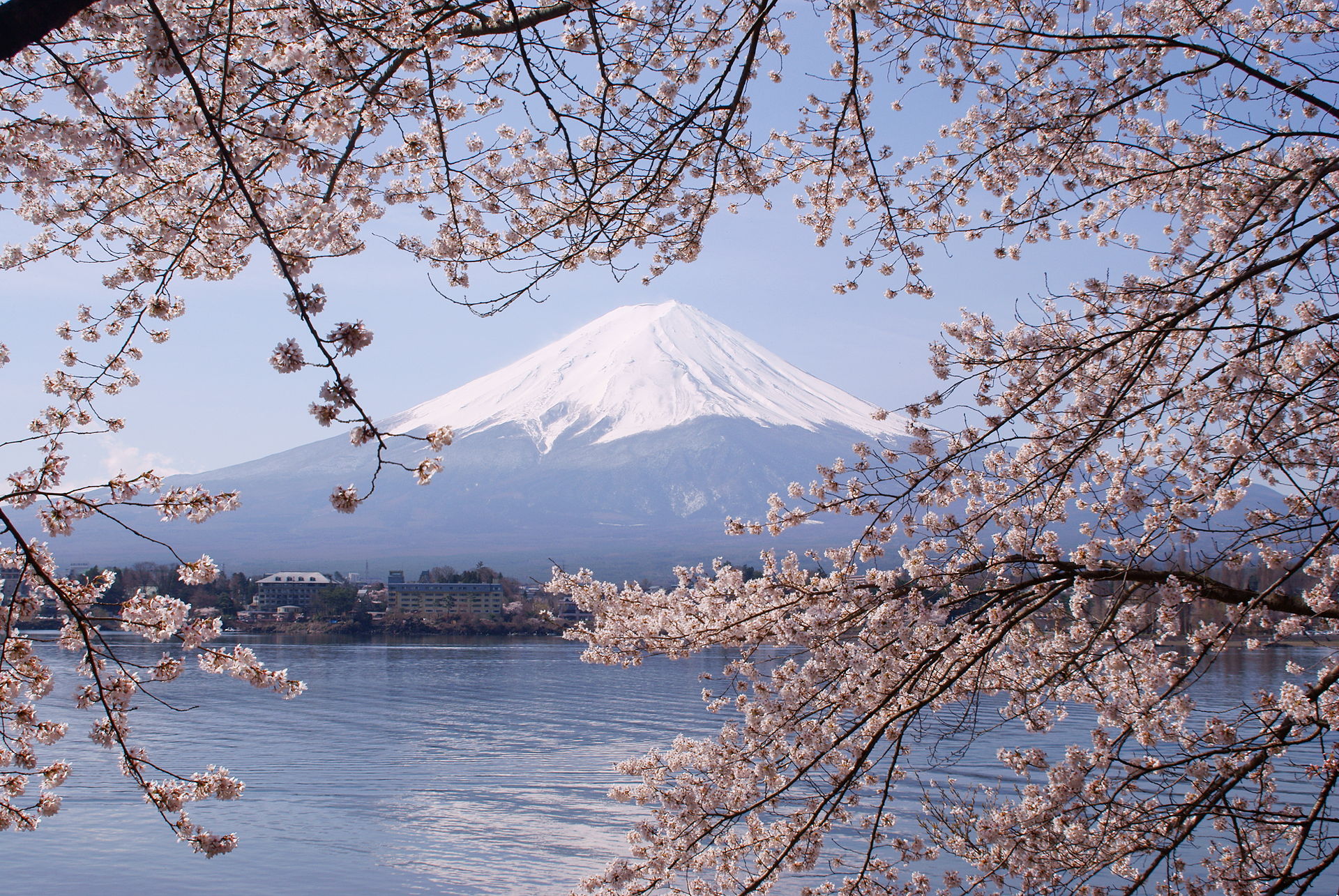
Around three quarters of Japan is mountain and forest, which pushes almost everyone onto the eastern coastal plains and makes the country far narrower in practice than 377,975 km2 suggests. Forty-seven prefectures, eight traditional regions and more than 14,000 smaller islands, and yet a first visit usually runs along a single rail corridor with Tokyo at one end and Kyoto and Osaka at the other. Tokyo is the capital and largest city of a country of almost 123 million people. Hokkaido in the north and Okinawa in the south are different climates rather than day trips, and both need their own week.
Every city catalogued in this country so far, ranked by how much there is to see.

Photograph · Morio · CC BY-SA 3.0

Photograph · Martin Falbisoner · CC BY-SA 4.0

Photograph · Martin Falbisoner · CC BY-SA 4.0
Ranked by importance — sitelinks, pageviews and heritage status, not editor preference.
100 places match
Category
Typical visit duration
The Umeda Sky Building is a distinctive high-rise structure in Osaka's Kita district, completed in 1993.

Tsutenkaku is an observation tower in Shinsekai, in Osaka's Naniwa ward, and it is the second tower to stand on the spot.
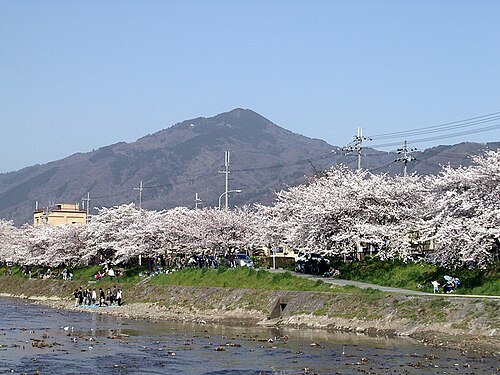
Mount Hiei is a mountain located northeast of Kyoto, Japan, straddling the border between Kyoto Prefecture and Shiga Prefecture. The local name is 比叡山.
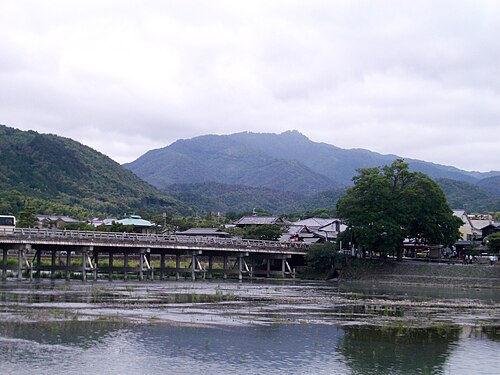
Mount Atago is a mountain in Kyoto, Japan, bearing the local name 愛宕山. The mountain holds religious significance as the site of Atago Shrine, a Shinto shrine dedicated to fire prevention and safe hearth.

Mount Kurama is a forested mountain in northern Kyoto Prefecture, Japan, known for its association with the Tengu, mythical long-nosed goblins of Japanese folklore.

Harukas 300 is an observation deck located at the summit of Abeno Harukas, a prominent skyscraper in Osaka. The facility occupies the building's top three floors, offering visitors elevated views across the Kansai region.

Shibuya Sky is an observation facility in Shibuya, Tokyo, offering panoramic views of the metropolitan area. Located within the Shibuya Scramble Square complex, the attraction occupies upper floors of a prominent high-rise building.
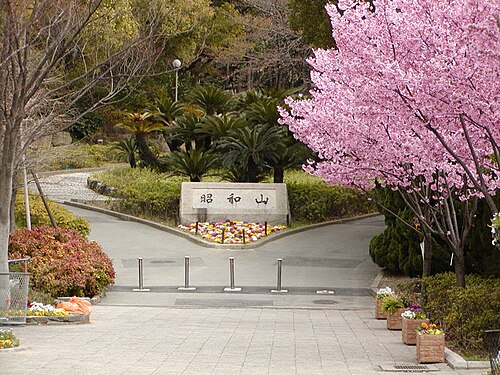
Showazan, known locally as 昭和山, is a notable visitor place in Osaka. It appears in the city's tourist information pool as a recognized destination for visitors exploring the urban landscape.
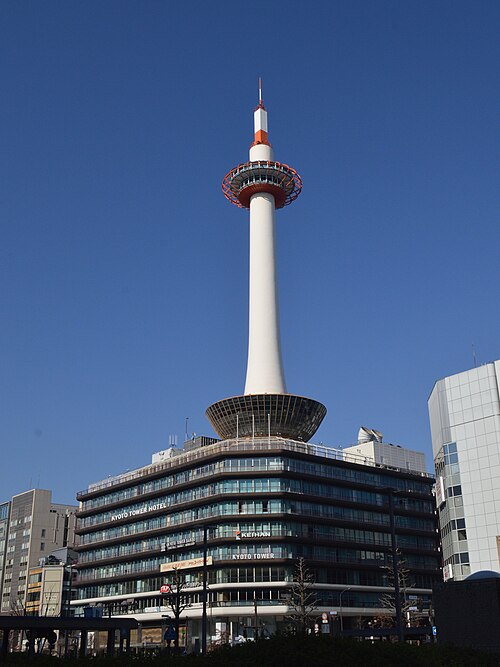
Kyoto Tower stands as a prominent observation structure in Kyoto, Japan. The tower rises near Kyoto Station in the Shimogyo Ward district, making it one of the most immediately recognizable landmarks for arriving visitors.
Source: OpenStreetMap contributors, Wikidata ·
Ten to fourteen days supports four or five days in Tokyo, three or four in Kyoto, and two or three in Osaka. Add Nara or Himeji only after those bases have enough time, and avoid turning every rail stop into a hotel change.
Japan's visa exemption or visa requirement depends on passport and travel purpose. Confirm the current rule through Japan's Ministry of Foreign Affairs or the embassy responsible for the traveller's residence.
The Tokaido Shinkansen links Tokyo, Kyoto, and Osaka, while local rail and buses cover city travel. An IC card simplifies many local journeys but does not replace every reserved long-distance ticket, and luggage forwarding can reduce friction between bases.
March to May and October to November are broad options for the main-island route, with blossom and autumn periods creating concentrated demand. Confirm regional weather and reservations for the exact cities rather than assuming one national season behaves uniformly.
Japan uses the yen (JPY). Electronic payment is common but not universal, so carry some yen for smaller businesses, ticket machines, or rural transport without assuming that one stored-value card works for every purchase.
Japan's emergency numbers are 110 for police and 119 for fire or ambulance. Type A sockets operate at 100 V, which is lower than in the other wave-A countries, and mains tap water is recorded as safe.