

.jpg)

.jpg)
.jpg)
2 min walk
Tennōji Zoo
- Must see
- Family attraction
Language · 1 published
Nature site · Osaka
天王寺公園
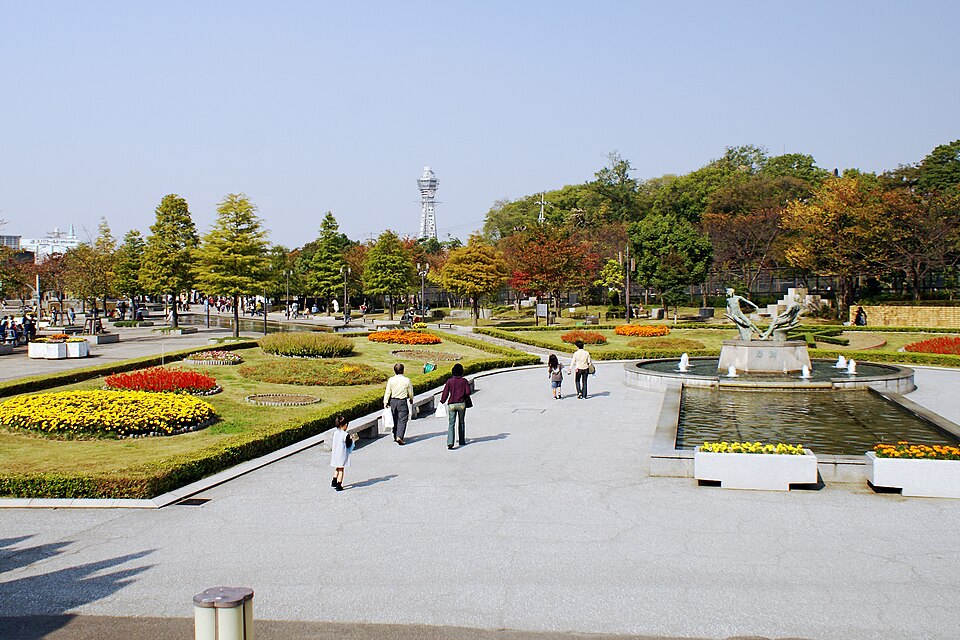
Tennōji Park is a public park in Osaka, Japan, bearing the local name 天王寺公園. It occupies a position within the urban fabric of the city, situated in proximity to Tennōji Station and the broader Tennōji area. The park functions as a green space accessible to residents and visitors. Its production identity way/170693374 confirms its placement within verified geographic data. The park represents one component of Osaka's municipal park system, offering open grounds amid dense urban development. Visitors encounter maintained landscapes typical of Japanese city parks.
Checked 2026-08-26
The park contains the Osaka City Museum of Fine Arts within its boundaries, an institution housing art collections. The Osaka Zoo, formally Tennoji Zoo, also occupies a portion of the park grounds. Additional features include open lawns, pathways, and planted areas. The Keitakuen Garden, a traditional Japanese garden, exists within the park space. Various monuments and sculptures are distributed throughout. The park's composition blends recreational, cultural, and natural elements. Water features and seasonal plantings contribute to the environment. The specific current status of all attractions requires direct verification by visitors.
Checked 2026-08-26

Visitor duration at Tennōji Park varies substantially based on individual objectives. A brief passage through the grounds might occupy thirty minutes. Comprehensive exploration including the zoo and museum extends to multiple hours. The park's size permits flexible engagement, from short rest stops to half-day visits. Those intending to enter paid attractions within the park should allocate additional time accordingly. The museum and zoo each represent separate time commitments. Visitors combining several park elements should plan for extended stays. Personal pacing determines appropriate duration.
Checked 2026-08-26
Seasonal conditions affect park experience. Spring brings cherry blossom viewing potential. Summer presents warmer temperatures with possible humidity. Autumn offers foliage color changes. Winter delivers cooler conditions with reduced crowds. Specific operator-confirmed hours are Not recorded pending review. Visitors should consult official sources before planning. Weather patterns in Osaka follow typical Kansai region characteristics. Personal temperature preferences should guide timing decisions. The park remains accessible across seasons, though individual attractions within may operate under separate schedules. Advance confirmation of any seasonal events or restrictions is advisable.
Checked 2026-08-26
Access to Tennōji Park grounds appears generally open to the public. Certain contained attractions, specifically the zoo and museum, likely require separate admission fees. Specific operator-confirmed prices are Not recorded pending review. Visitors must verify current costs directly with attraction operators. Payment methods and any available combination tickets remain unconfirmed in available sources. Potential discounts for specific demographic groups are not documented here. Financial planning should incorporate flexibility for unverified fee structures. On-site signage or official websites provide authoritative pricing information that supersedes any general expectations.
Checked 2026-08-26
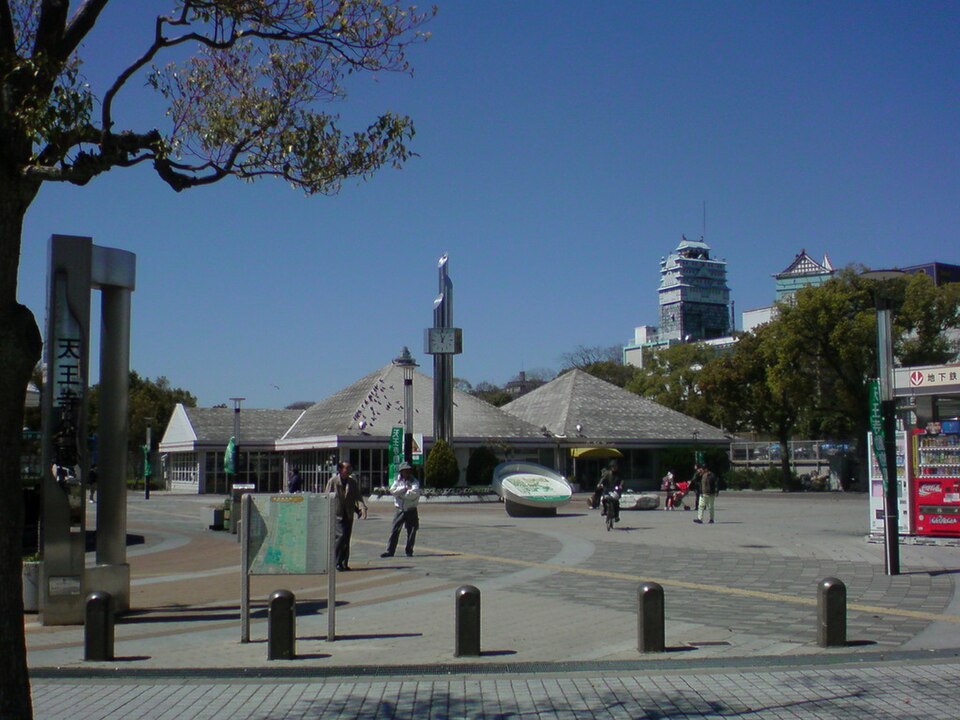
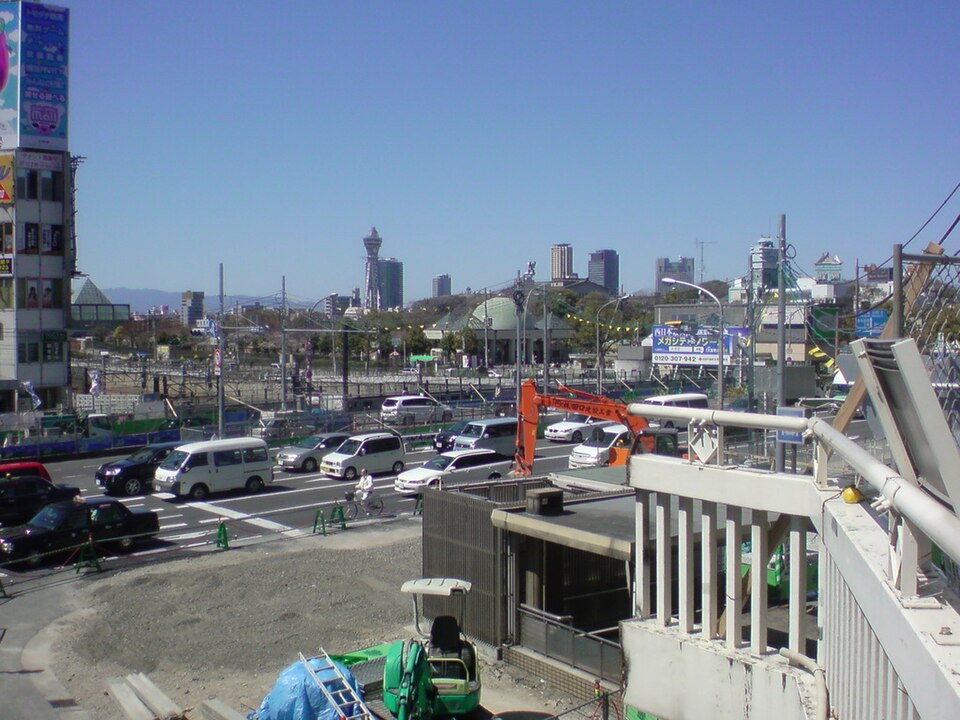
Tennōji Park benefits from proximity to major transportation infrastructure. Tennōji Station serves as the principal access point, accommodating multiple railway lines including JR, Osaka Metro, and Kintetsu services. The station's substantial scale connects to regional and intercity networks. Pedestrian routes from station exits lead toward park entrances. Additional bus services operate in the surrounding area. The park's location in central Osaka supports multiple approach options. Visitors arriving from Kansai International Airport or Osaka's other districts can utilize established rail connections. Signage in the Tennōji area assists navigation.
Checked 2026-08-26

Visitors should exercise standard urban park awareness. Crowd density fluctuates, particularly during weekends, holidays, and seasonal events. Weather protection may be necessary during summer months or precipitation. The park's integration with surrounding urban development means boundary transitions occur. Separate attraction hours within the park may differ from general ground access. Personal belongings warrant appropriate attention in any public space. Wildlife presence in zoo areas follows expected protocols. Path conditions vary across the grounds. Visitors with mobility considerations should assess specific route suitability. General health and safety precautions apply as in comparable public facilities.
Checked 2026-08-26

Photography opportunities at Tennōji Park encompass natural landscapes, architectural elements, and cultural facilities. The traditional garden presents composed scenic views. Zoo photography is subject to specific institutional policies. Museum interiors typically restrict or prohibit photography of collections. Visitors must observe posted regulations at each distinct location. Respect for other visitors and wildlife should guide photographic behavior. Tripod and commercial photography may require advance permission. Lighting conditions vary by season and time of day. The urban backdrop of surrounding buildings creates contextual contrast with park greenery. Personal photography for memory purposes appears generally permissible in open areas.
Checked 2026-08-26
The general park grounds appear accessible without charge, though contained attractions like the zoo and museum likely require separate paid admission. Specific fee structures are Not recorded pending review.
The local name is 天王寺公園, read as Tennōji Kōen in Japanese.
Both attractions exist within the park boundaries, making combined visits feasible. Time allocation depends on individual pace and interest depth. Separate admission may apply to each facility.
Tennōji Station provides primary access via JR, Osaka Metro, and Kintetsu lines. The station's multiple exits require appropriate selection for park approach.
Operator-confirmed hours are Not recorded pending review. Visitors should verify current schedules through official channels before planning visits.
Yes, Keitakuen Garden within the park represents traditional Japanese garden design, offering structured landscape composition distinct from open lawn areas.
Loading the interactive map…
The interactive map could not be loaded.
Last updated:
Source: OpenStreetMap contributors, Wikidata ·