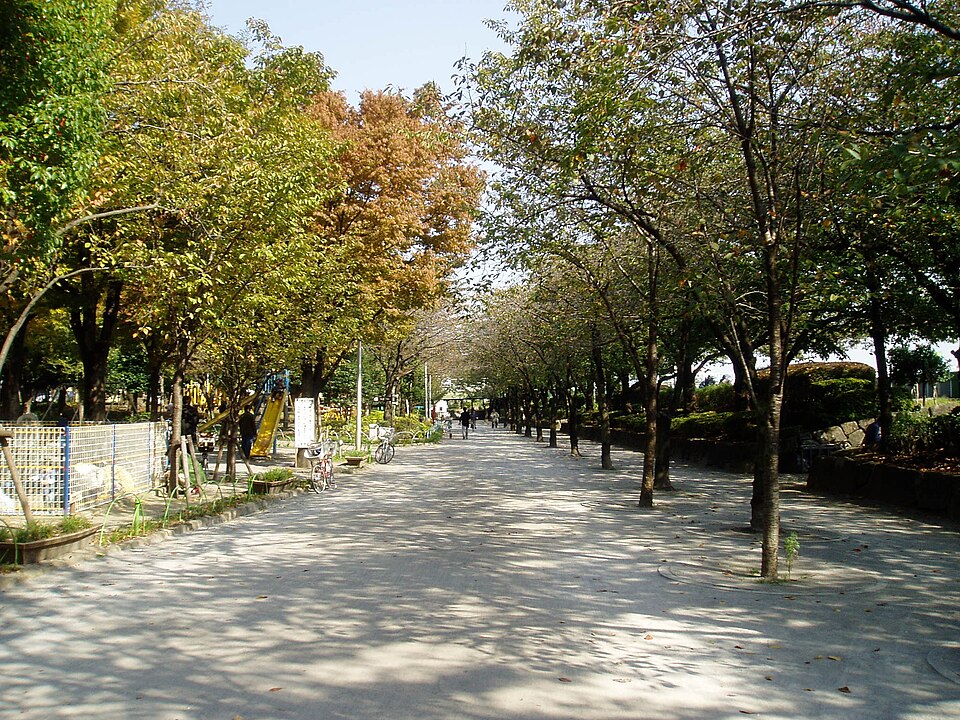
6 min walk
Sumida Park
- Must see
- Nature site
Language · 1 published
Nature site · Tokyo
隅田川
The Sumida River is a major waterway flowing through eastern Tokyo, connecting the Arakawa River to Tokyo Bay. It has historically defined the city's eastern geography and development. The river passes through multiple wards including Sumida, Taito, and Chuo, serving as both a functional watercourse and a cultural landmark. Its banks feature numerous parks, walking paths, and viewing points that attract residents and visitors throughout the year. The river remains integral to Tokyo's urban identity. A flexible visit lets travellers connect Sumida River with the rest of the day without treating one room, viewpoint or photograph as the whole experience. The useful pace depends on personal interest and conditions on arrival.
Checked 2026-08-26
The Sumida River corridor contains varied attractions along its banks, including public parks, pedestrian promenades, and viewing platforms. Notable structures include numerous bridges spanning the waterway, each with distinct architectural character. Riverside walkways permit strolling and observation of boat traffic. Seasonal features include cherry trees planted along certain sections. The surrounding neighborhoods contain museums, traditional districts, and commercial areas accessible from the riverbanks. Water buses and tour boats operate on the river itself. Sumida River also earns time in a tokyo itinerary because WIKIDATA_EDITORIAL reconciliation for the ranked entry; identity and coordinates were verified without a nearby fallback. Its value becomes clearer when the stop is compared with the surrounding streets and the other ranked places nearby.
Checked 2026-08-26
A comprehensive exploration of the Sumida River corridor requires substantial time given its extensive length through central Tokyo. Visitors typically allocate between two hours and half a day depending on interests and walking pace. Covering multiple bridge viewpoints, park stops, and neighborhood detours extends duration considerably. Those taking river cruises add additional time. Brief visits focusing on single access points may require under one hour. The appropriate duration depends on whether the aim is transit, photography, or thorough district exploration.
Checked 2026-08-26
The Sumida River offers different atmospheric qualities across seasons. Spring brings cherry blossom activity to planted sections. Summer features fireworks displays at certain points, though specific event schedules vary annually. Autumn provides mild temperatures conducive to walking. Winter presents clearer atmospheric conditions for distant views. Operator-confirmed hours or prices are Not recorded pending review. Visitors should consult current local information regarding any scheduled events, boat operations, or facility access times before planning specific visit dates. The strongest visit keeps attention on what is distinctive here while leaving room for the next stop. That approach makes Sumida River useful in both a focused first visit and a slower return to the city.
Checked 2026-08-26
Access to the Sumida River banks, public parks, and pedestrian promenades is generally unrestricted and without charge. River cruises and water buses operated by various companies require separate purchase. Specific cruise routes, durations, and service frequencies vary by provider. Some riverside attractions in adjacent neighborhoods may impose independent admission fees. Operator-confirmed hours or prices are Not recorded pending review. Visitors should verify current pricing and availability directly with service providers prior to making purchasing decisions.
Checked 2026-08-26
The Sumida River is accessible via multiple transportation options given its extensive course through Tokyo. Numerous railway stations on various lines serve points near the riverbanks. The Tokyo Metro, Toei Subway, and JR lines all provide access to different segments. Specific station selection depends on intended destination along the waterway. Water buses connect certain piers along the river to other Tokyo waterfront locations. Walking from nearby districts including Asakusa provides additional access. Route planning should identify specific target locations first.
Checked 2026-08-26
Riverside paths may lack barriers in certain sections; visitors should exercise caution near water edges, particularly with children. Weather conditions affect path conditions and river levels. Summer heat and humidity can make extended walking uncomfortable without adequate preparation. Crowding increases during festival periods and cherry blossom season. Boat traffic requires awareness when near docks or boarding areas. Some riverside sections offer limited shelter from precipitation. Evening lighting varies by location. Visitors should carry water and sun protection during warmer months.
Checked 2026-08-26
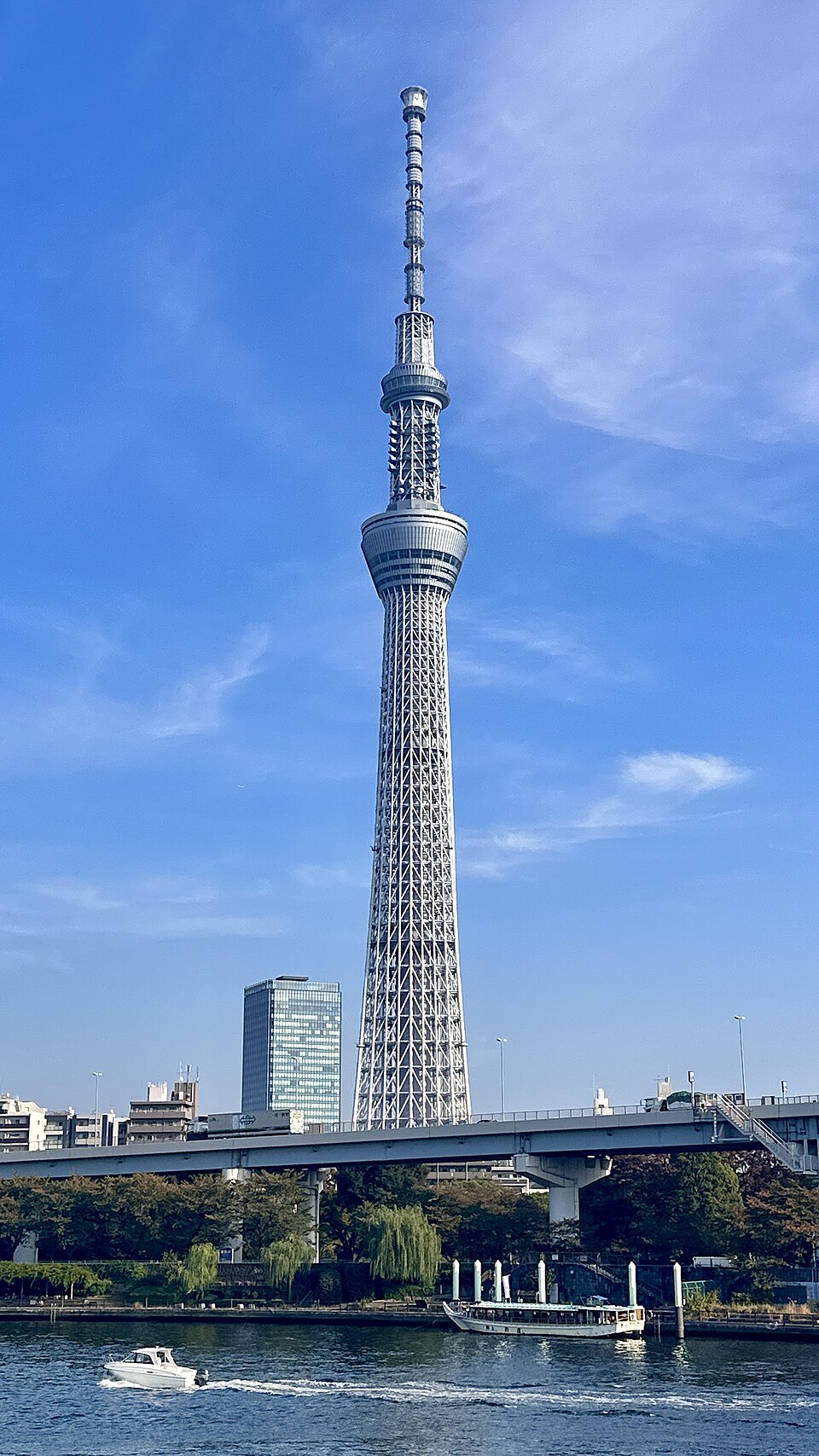
The Sumida River presents varied photographic subjects including bridges, watercraft, skyline views, and seasonal vegetation. Morning and evening light offer different qualities for capturing structures and reflections. Multiple bridge crossings provide elevated vantage points. Riverside paths enable waterside perspectives. The Tokyo Skytree is visible from certain points along the river. Tripod use in public spaces may attract attention or restrictions. Weather conditions significantly affect atmospheric clarity for distant shots. Visitors should respect private property boundaries and other persons' privacy when photographing.
Checked 2026-08-26
Accessibility varies by specific location and section. Some riverside promenades and parks have paved paths, while other areas may have steps, uneven surfaces, or gaps. Visitors requiring accessible routes should research specific destination points in advance.
Public consumption of purchased food and beverages occurs in riverside parks and walkways. Some areas have designated picnic spaces. Commercial food vendors operate seasonally or near specific access points. Visitors should dispose of waste properly.
Facilities are available in parks and near major access points, though distribution is uneven along the waterway. Visitors on extended walks should identify facility locations in advance of their route.
Swimming in the Sumida River is not standard practice for visitors. The waterway functions as a commercial and transportation corridor. Visitors should observe local customs and any posted regulations.
Fishing activity may occur along certain sections, though regulations apply. Visitors interested in fishing should verify current local permissions and restrictions before attempting.
Safety conditions vary by specific section and time. Well-lit, populated areas near stations and commercial districts typically see evening activity. Remote sections may have limited lighting and foot traffic. Visitors should exercise standard urban nighttime precautions.
Loading the interactive map…
The interactive map could not be loaded.
Last updated:
Source: OpenStreetMap contributors, Wikidata ·