
3 min walk
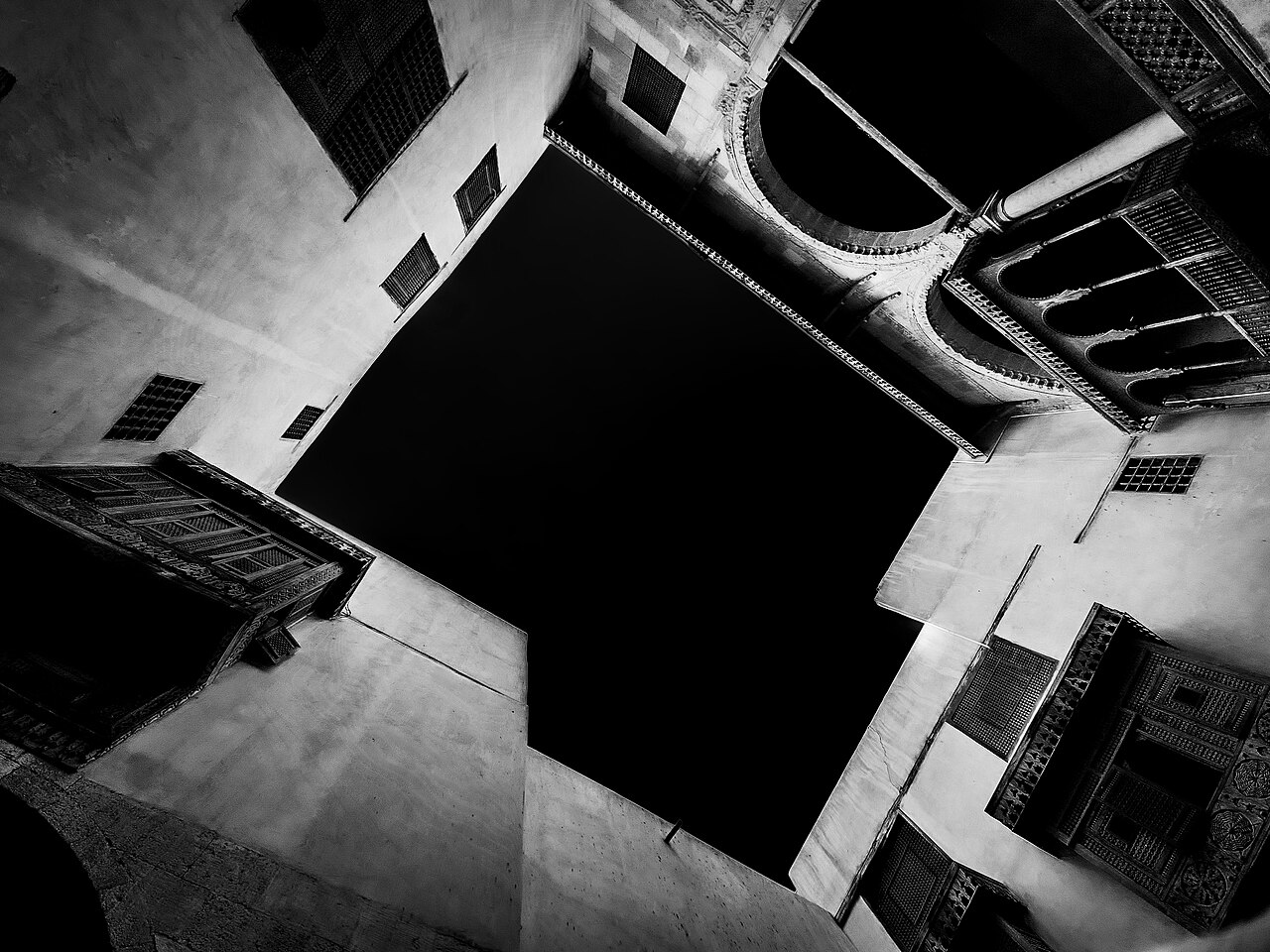
بيت السناري
- Must see
- Museum
Language · 11 published
Place of worship · Cairo

The Mosque of Sayyida Zaynab is a major shrine mosque in Cairo, Egypt. It is dedicated to Sayyida Zaynab, a granddaughter of the Prophet Muhammad and daughter of Imam Ali and Fatima al-Zahra. The mosque serves as a significant religious site and pilgrimage destination. It functions as a living centre of Cairo's religious and neighbourhood life, drawing worshippers and visitors from across the city and beyond. The structure represents an important element of Islamic heritage in Egypt's capital.
Checked 2026-08-26
The mosque contains the shrine of Sayyida Zaynab, which serves as the focal point for devotion and pilgrimage. As a functioning religious complex, it accommodates prayer spaces for both men and women. The interior reflects traditional mosque architecture with elements appropriate to its venerated status. The shrine area receives particular attention from visitors seeking blessings. The surrounding neighbourhood has developed around the mosque, with commercial and residential areas supporting the community that gathers at this significant religious centre.
Checked 2026-08-26
Visitors should anticipate spending between thirty minutes and two hours at the Mosque of Sayyida Zaynab, depending on their purpose. Those coming for prayer or shrine visitation may require less time, while individuals seeking to observe neighbourhood life and the mosque's role in the community might stay longer. The site operates as an active place of worship rather than a conventional tourist attraction, so duration depends on personal engagement with religious practices and observation of daily activities.
Checked 2026-08-26
Operator-confirmed hours are Not recorded pending review. The mosque functions as an active religious site throughout the week, with prayer times determining peak attendance. Friday prayers typically draw the largest congregations. Visitors should recognise that religious observances take precedence over tourism. The neighbourhood atmosphere varies throughout the day, with early mornings and evenings offering different experiences of community life. Prospective visitors should seek current operational information from official sources before planning their visit. A flexible visit lets travellers connect Mosque of Sayyida Zaynab with the rest of the day without treating one room, viewpoint or photograph as the whole experience. The useful pace depends on personal interest and conditions on arrival.
Checked 2026-08-26
Operator-confirmed prices are Not recorded pending review. As a functioning mosque and shrine, the site may not operate on conventional admission-fee structures common to museums or monuments. Donations for maintenance and religious purposes may be customary. Visitors should not assume standard tourist pricing applies. Those wishing to contribute should observe local customs regarding voluntary offerings. Any fees for specific services or guided access would need verification from mosque administration or authorised representatives. Mosque of Sayyida Zaynab also earns time in a cairo itinerary because The shrine mosque is a major living centre of Cairo's religious and neighbourhood life; no production match exists. Its value becomes clearer when the stop is compared with the surrounding streets and the other ranked places nearby.
Checked 2026-08-26
The mosque sits in the Sayyida Zaynab district of central Cairo, an area well-integrated into the city's urban fabric. Public transportation options including buses and the Cairo Metro serve this neighbourhood, though specific routes require verification from current transit sources. Taxis and ride-hailing services operate throughout the area. The dense urban environment means walking from nearby points is feasible. Visitors should consult updated local maps and transportation apps, as Cairo's transit infrastructure undergoes continuous development and route adjustments.
Checked 2026-08-26
Visitors must respect the mosque's function as an active place of worship. Appropriate dress covering arms and legs is essential; women should additionally cover their hair. Remove footwear before entering prayer areas. Photography restrictions may apply, particularly near the shrine. The surrounding neighbourhood can become extremely crowded during religious festivals and Friday prayers. Visitors should exercise standard urban precautions regarding personal belongings. Non-Muslims may face restrictions on entry during certain times or to specific areas; discretion and sensitivity are paramount.
Checked 2026-08-26
Photography policies at the Mosque of Sayyida Zaynab are Not recorded pending review. Visitors should assume restrictions apply, particularly within shrine areas and during prayer times. Many mosques prohibit photography entirely or require explicit permission. Flash photography is generally inappropriate in religious settings. Those wishing to photograph should seek guidance from mosque officials or caretakers before attempting any images. Respect for worshippers' privacy and devotional activities must override documentary interests. When in doubt, refrain from photographing. The strongest visit keeps attention on what is distinctive here while leaving room for the next stop. That approach makes Mosque of Sayyida Zaynab useful in both a focused first visit and a slower return to the city.
Checked 2026-08-26
Not recorded. As an active shrine mosque central to religious life, access policies for non-Muslims are not confirmed. Visitors should seek guidance from mosque officials and respect any restrictions.
Sayyida Zaynab was a granddaughter of the Prophet Muhammad and daughter of Imam Ali and Fatima al-Zahra. She holds profound importance in Islamic tradition, and her shrine attracts devoted pilgrims.
Friday prayers and religious festivals typically draw the largest congregations. The mosque serves as a major living centre of neighbourhood and religious life, so activity levels fluctuate with prayer schedules and Islamic calendar events.
Not recorded pending review. As a functioning religious site, conventional admission fees may not apply. Visitors should verify current arrangements with mosque administration.
Women must cover their hair, arms, and legs. Modest dress conforming to Islamic customs is essential. Visitors should prepare conservative attire regardless of external temperatures.
The UNESCO World Heritage list entry for Historic Cairo (list 89) encompasses the broader historic district. Specific inclusion of this mosque within designated boundaries is not individually confirmed in the supplied source.
Loading the interactive map…
The interactive map could not be loaded.


Last updated:
Source: OpenStreetMap contributors ·