.jpg)
.jpg)
.jpg)

3 min walk
Yasso
- Notable
- Market
Language · 11 published
Place of worship · Cairo
الجامع الأزهر

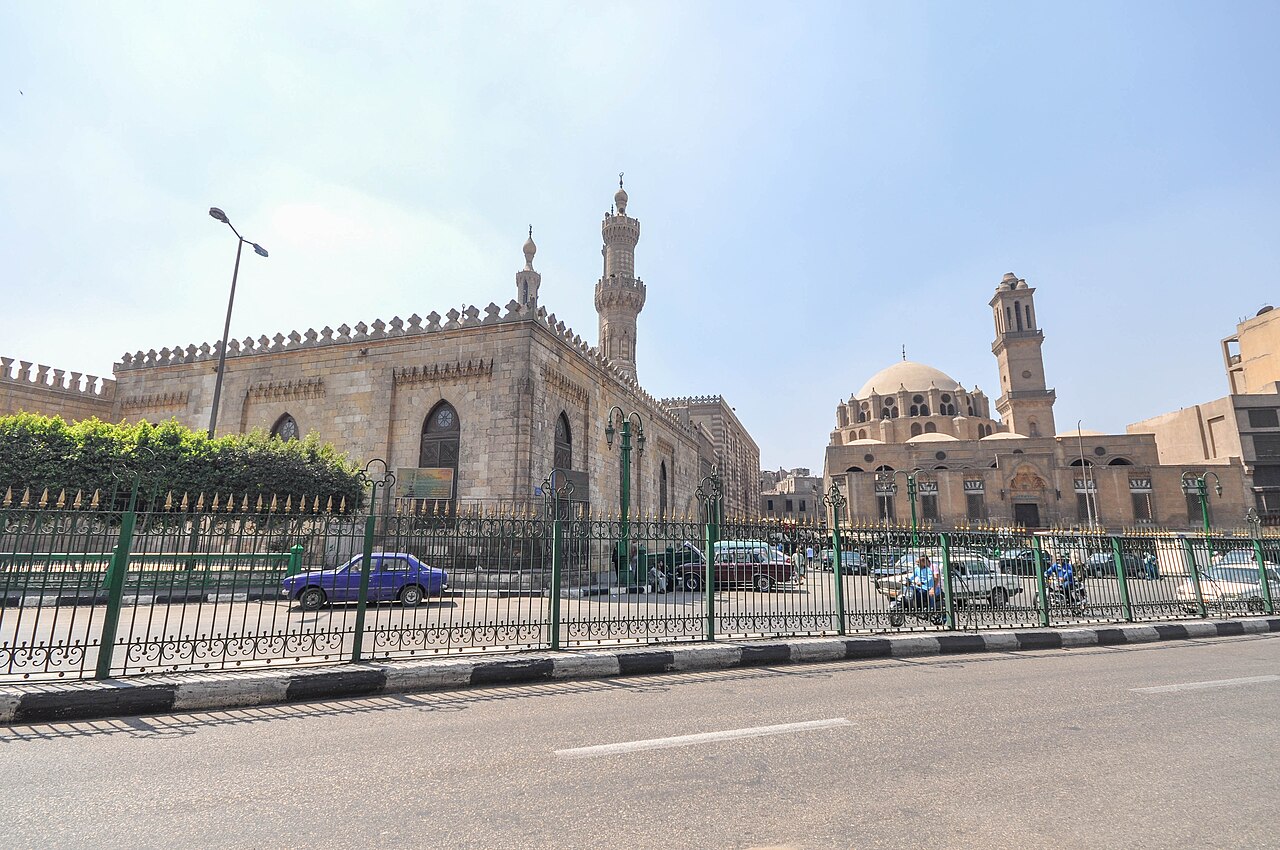
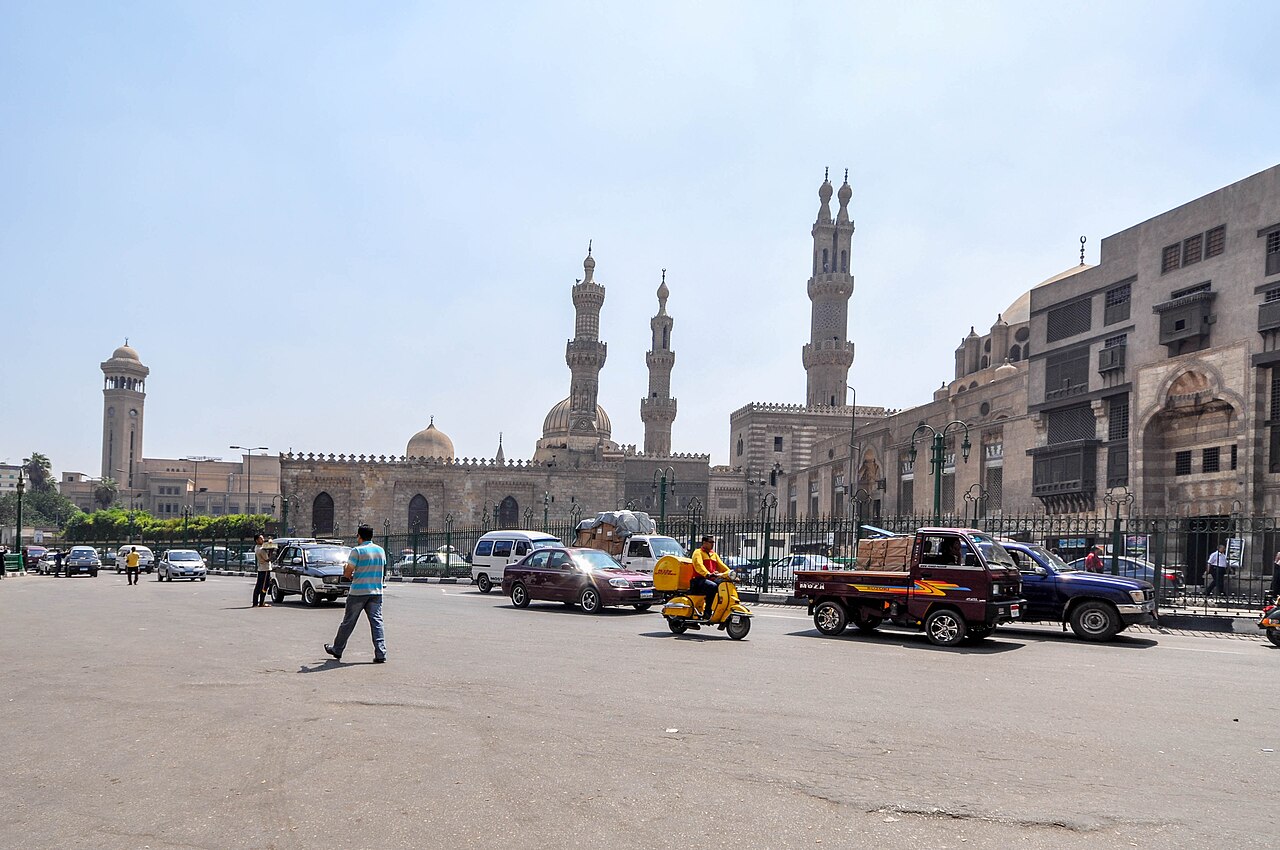
Al-Azhar Mosque is a Fatimid-era congregational mosque and one of the oldest universities in the world, founded in 970 CE. It stands in Islamic Cairo, a UNESCO World Heritage site. The institution has served as a premier centre of Sunni Islamic scholarship for over a millennium. Its architectural complex expanded across centuries, reflecting multiple Islamic styles. The mosque remains an active place of worship and study, with the associated Al-Azhar University continuing its educational mission. The structure holds profound religious and historical significance for Muslims globally.
Checked 2026-08-26
The mosque contains multiple prayer halls, courtyards, and minarets from different periods. Notable architectural elements include Mamluk-era additions and later Ottoman modifications. The central courtyard provides open space for worshippers. Decorative features encompass carved stonework, woodwork, and ornamental details reflecting various Islamic artistic traditions. The library houses important religious manuscripts. Multiple madrasas historically functioned within the complex. The mashrabiya screens and marble flooring represent craftsmanship from diverse eras. The overall composition illustrates layered architectural history spanning more than one thousand years of continuous development and adaptation.
Checked 2026-08-26
Visitors should allocate approximately one to two hours for meaningful exploration of the mosque complex. This duration permits observation of architectural details across courtyards and prayer spaces. Those with particular interest in Islamic art history may prefer extended visits. The surrounding neighbourhood merits additional time, as the mosque anchors a dense historic district with markets and monuments. Friday prayers draw substantial congregations, affecting visitor movement. Academic researchers or those seeking to comprehend the institution's educational role might extend their stay. Respectful observation of active worship requires patience and appropriate timing.
Checked 2026-08-26
Operator-confirmed hours are Not recorded pending review. Visitors should verify current opening times through official channels before planning. The mosque functions as an active religious institution, so prayer times significantly affect accessibility for non-worshippers. Early morning or late afternoon potentially offer calmer conditions for observation, though this varies daily. Ramadan and religious holidays bring special patterns of activity. Friday midday prayers represent peak congregation periods. Seasonal weather in Cairo affects comfort, with summer heat particularly intense. Winter months generally provide more temperate conditions for walking in the surrounding historic district.
Checked 2026-08-26
Operator-confirmed prices are Not recorded pending review. The mosque traditionally does not charge entry fees for Muslim worshippers. Non-Muslim visitor policies regarding access and any associated costs remain subject to current administrative decisions. Visitors should carry modest identification and be prepared for possible donation requests or guided tour arrangements through unofficial channels. Budget considerations should include transportation to Islamic Cairo and potential gratuities. The surrounding Khan el-Khalili bazaar area presents numerous commercial opportunities separate from mosque access. Financial preparation for unexpected requirements demonstrates prudent travel planning in this context.
Checked 2026-08-26
The mosque occupies a central position in Islamic Cairo, accessible from multiple directions. Public transportation options include Cairo Metro, with stations requiring subsequent walking through dense urban fabric. Taxis and ride-hailing services serve the general district, though final approaches navigate narrow streets. Walking from nearby historic monuments such as Khan el-Khalili bazaar represents a common approach. Signage in Arabic predominates; navigation assistance benefits visitors. Traffic congestion characterises peak periods. The UNESCO World Heritage context means preservation restrictions affect vehicle access immediately surrounding the structure. Comfortable footwear essential for uneven historic pathways.
Checked 2026-08-26
Visitors must dress modestly, covering shoulders and legs; women should cover hair. Remove shoes before entering prayer areas. Active worship demands respectful silence and behaviour. Photography restrictions apply in certain zones. Unofficial guides may approach with unsolicited services; establish terms clearly if engaging. The surrounding streets present intense commercial activity and potential crowding. Petty attention to belongings warranted in busy areas. Religious sensitivities require avoidance of prayer rows and front-facing poses during worship. Summer heat exhaustion poses genuine health risks. Water and sun protection necessary. Friday prayers create exceptional congestion.
Checked 2026-08-26
Photography policies vary across the complex and may change without notice. Some interior spaces prohibit all imaging. Where permitted, avoid photographing worshippers without explicit consent, particularly during prayer. Flash photography generally inappropriate in dim interior spaces containing sensitive materials. Tripods and professional equipment may attract scrutiny or require special permission. Courtyard photography typically more permissible than within prayer halls. Respect immediate cessation if requested by staff or worshippers. The architectural details and minarets offer exterior photographic subjects. Early or late daylight enhances stone textures. Commercial or publication use requires separate authorisation processes.
Checked 2026-08-26
Access policies for non-Muslims vary and are subject to current administrative decisions. Visitors should observe posted regulations and staff directions respectfully.
The university historically developed from the mosque institution and maintains close connection, though modern administrative structures may differ.
Modest dress covering shoulders and legs is required. Women should cover hair. Comfortable shoes suitable for removal are practical.
Official guided tour availability is Not recorded pending review. Visitors may encounter unofficial guides and should establish terms clearly.
The mosque was founded in 970 CE during the Fatimid period, with subsequent expansions and modifications across multiple centuries.
Yes, it stands within Historic Cairo, inscribed on the UNESCO World Heritage List.
Loading the interactive map…
The interactive map could not be loaded.

Last updated:
Source: OpenStreetMap contributors, Wikidata ·