38 min walk
Bakong
- Place of worship
Language · 11 published
Historic monument · Siem Reap
Prasat Trapeang Phong is a small historical temple site in the Siem Reap region of Cambodia. Its name combines prasat, referring to a sanctuary tower, with trapeang, a Khmer term associated with a reservoir or pond. The monument belongs to the wider Angkorian archaeological landscape, where smaller remains sit beyond the best-known temple circuits. It offers a more intimate encounter with Khmer architectural heritage than the major complexes, with the surrounding setting forming part of the experience. Travelers should approach it as a quiet, fragmentary archaeological stop rather than an intact monumental temple. Its appeal lies in the contrast between modest scale and the vast historical landscape of northern Cambodia.
Checked 2026-08-26 · Source
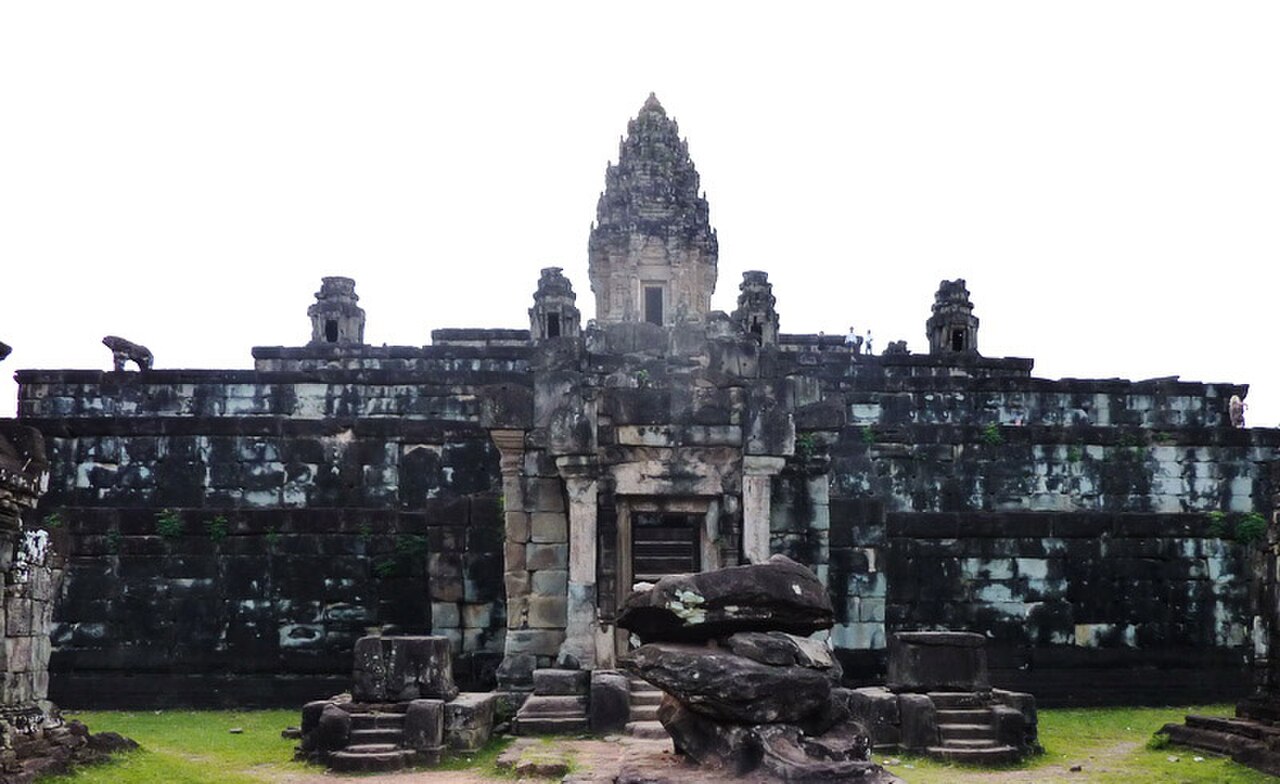
The site centers on a small prasat or sanctuary tower and its surrounding archaeological setting. Visitors may encounter weathered stonework and the remains of a religious structure associated with Angkorian architecture. The name also draws attention to the relationship between the monument and a trapeang, or reservoir, making water and landscape important to the way the site is understood. Do not expect the scale, completeness, or density of decoration found at Angkor Wat or other major temple complexes. The value of the visit comes from examining surviving masonry, noticing how the monument sits within its environment, and imagining the wider network of settlements and sacred places that shaped the Angkorian world. Fragmentary remains reward patience and close observation.
Checked 2026-08-26 · Source
Prasat Trapeang Phong is a compact site that can be explored at an unhurried pace without requiring the long circuit associated with the largest Angkor monuments. Allow time to walk around the immediate remains, study the stonework, and take in the reservoir setting. Travelers with a strong interest in archaeology may stay longer to examine construction details and the relationship between the tower and its landscape. The visit becomes more worthwhile when treated as part of a broader excursion to lesser-known heritage sites rather than as a standalone destination reached only for a quick photograph. Include the journey from Siem Reap in the day’s planning, since the site lies outside the city and is best experienced with time for travel and careful exploration.
Checked 2026-08-26 · Source
The dry season from November to March generally offers more manageable conditions for reaching and walking around lesser-known archaeological sites in the Siem Reap region. Morning visits are attractive because temperatures are usually more comfortable before the strongest midday heat, and softer light can reveal texture in weathered stone. During the wet season, surrounding vegetation may look richer, but unpaved approaches can become muddy and walking conditions may change. The site’s small scale makes it suitable for inclusion in a day devoted to peripheral monuments. Plan the visit with enough daylight for navigation and observation, especially when traveling beyond the main temple routes.
Checked 2026-08-26 · Source
Treat Prasat Trapeang Phong as a lesser-known archaeological stop whose access arrangements may differ from the major Angkor monuments. Include any wider heritage-area entry requirements in your planning when combining it with other temples, and carry a practical payment reserve for transport or local arrangements. The site is not a replacement for the principal Angkor ticketed attractions; its appeal is the quieter scale and less formal atmosphere of a small monument. Travelers should make the cost structure part of their overall excursion planning rather than building the day around a single assumption about entry. The most important preparation is arranging a realistic route to a peripheral site and leaving time to experience the remains respectfully.
Checked 2026-08-26 · Source
Prasat Trapeang Phong lies outside central Siem Reap and is best approached as a motorized excursion. A tuk-tuk, hired motorbike, or private vehicle with driver can make the journey more practical than trying to fit the site into a walking itinerary. Peripheral roads may feel different in dry and wet conditions, so leave flexibility in the route and avoid building several tightly timed stops around a minor monument. Many travelers find a local driver helpful when visiting lesser-known archaeological places, particularly when the approach includes unpaved roads or limited signage. Carry reliable navigation, arrange the return journey clearly, and allow enough daylight for both travel and exploration. The site rewards preparation because it sits outside the main tourist flow.
Checked 2026-08-26 · Source
Expect uneven ground, weathered masonry, vegetation, and limited visitor infrastructure around a small peripheral temple site. Wear secure footwear and place each step carefully, particularly near old stone, water, soft ground, or areas obscured by plants. Bring enough water and protection from the sun because the setting may not provide the services found at major monuments. Keep a respectful distance from the remains and do not climb unstable structures. If the reservoir is present around the monument, stay away from uncertain edges and deep or muddy margins. The quiet setting can be rewarding, but it also means that travelers should remain self-sufficient and keep their route and return transport clear.
Checked 2026-08-26 · Source
The small sanctuary and reservoir setting offer a different photographic experience from the grand procession routes of Angkor’s major temples. Look for compositions that place the stone structure within vegetation or beside the water landscape associated with the site’s name. Morning and late-day light can bring out texture in weathered masonry, while a patient viewpoint can emphasize the monument’s quiet scale. Protect equipment from dust, humidity, and sudden rain, especially when traveling on peripheral roads. Keep photography respectful: do not climb, move, or touch ancient fabric for a better angle. The absence of crowds may make careful composition easier, but the site should remain a heritage place first and a photo location second.
Checked 2026-08-26 · Source
It is a small historical temple site in the Siem Reap region, associated with the wider Angkorian archaeological landscape.
Prasat refers to a sanctuary tower, while trapeang is associated with a reservoir or pond in Khmer usage.
No. It is a small, fragmentary monument and should be experienced as a quieter archaeological stop rather than a major temple complex.
Because it lies outside central Siem Reap, practical options include a tuk-tuk, hired motorbike, or private vehicle with driver.
Expect uneven ground, weathered stone, vegetation, sun exposure, and fewer visitor facilities than at the principal Angkor monuments.
The dry season and cooler morning hours generally provide more manageable conditions for reaching and exploring the surrounding archaeological setting.
Loading the interactive map…
The interactive map could not be loaded.

Last updated:
Source: OpenStreetMap contributors ·