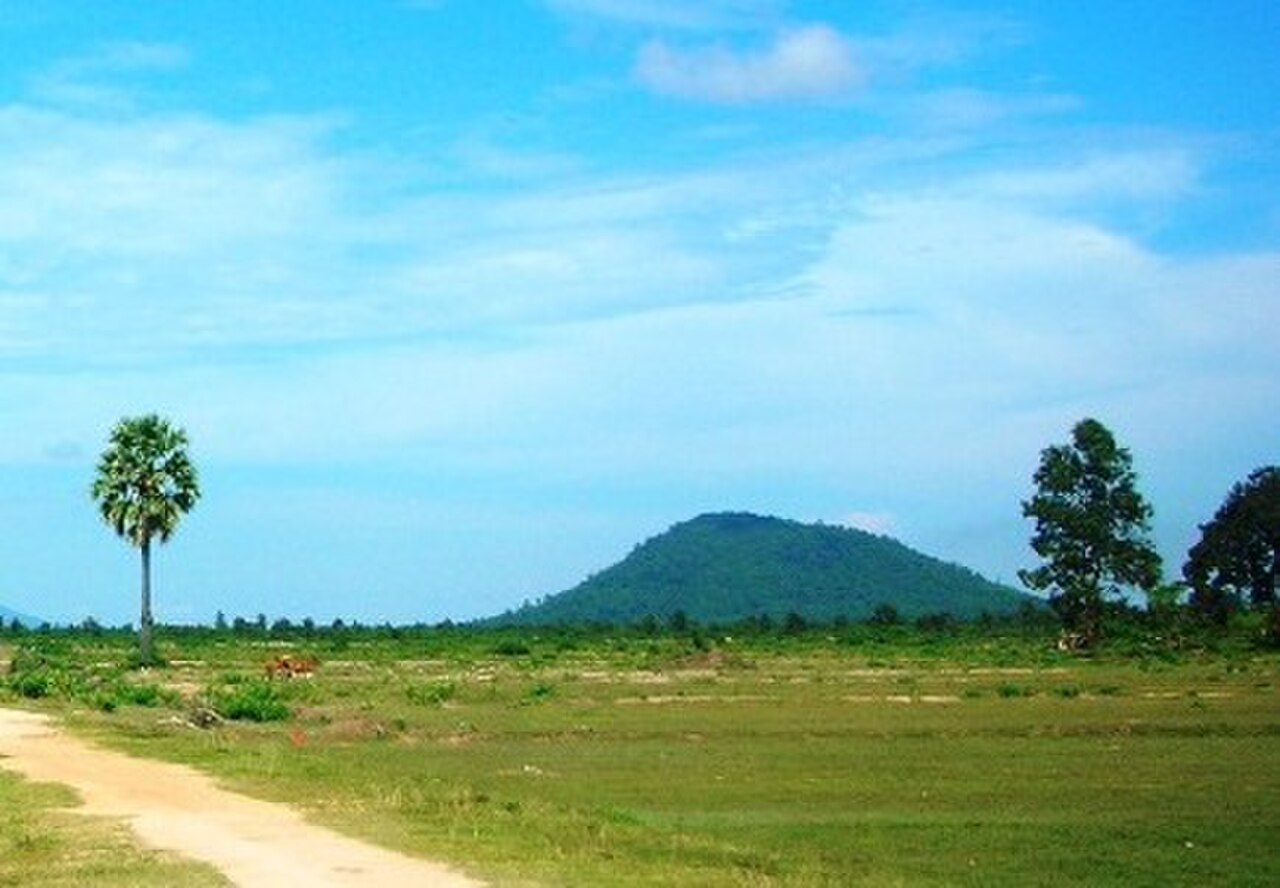
85 min walk
Phnom Bok
- Must see
- Historic monument
Language · 11 published
Historic monument · Siem Reap
Chau Srei Vibol is a Khmer temple ruin situated in the Siem Reap region of Cambodia. The site forms part of the broader Angkor archaeological heritage area, which UNESCO recognizes as World Heritage site 668. Unlike the heavily visited monuments within Angkor Archaeological Park proper, Chau Srei Vibol occupies a more peripheral position, offering visitors a comparatively secluded encounter with ancient Khmer architecture. The temple exemplifies the expansive geographic distribution of Angkor-period religious foundations beyond the central monumental zone. Its retention in visitor landmark rankings reflects sustained interest in lesser-known Angkor-era sites among travellers seeking alternatives to congested major attractions.
Checked 2026-08-26
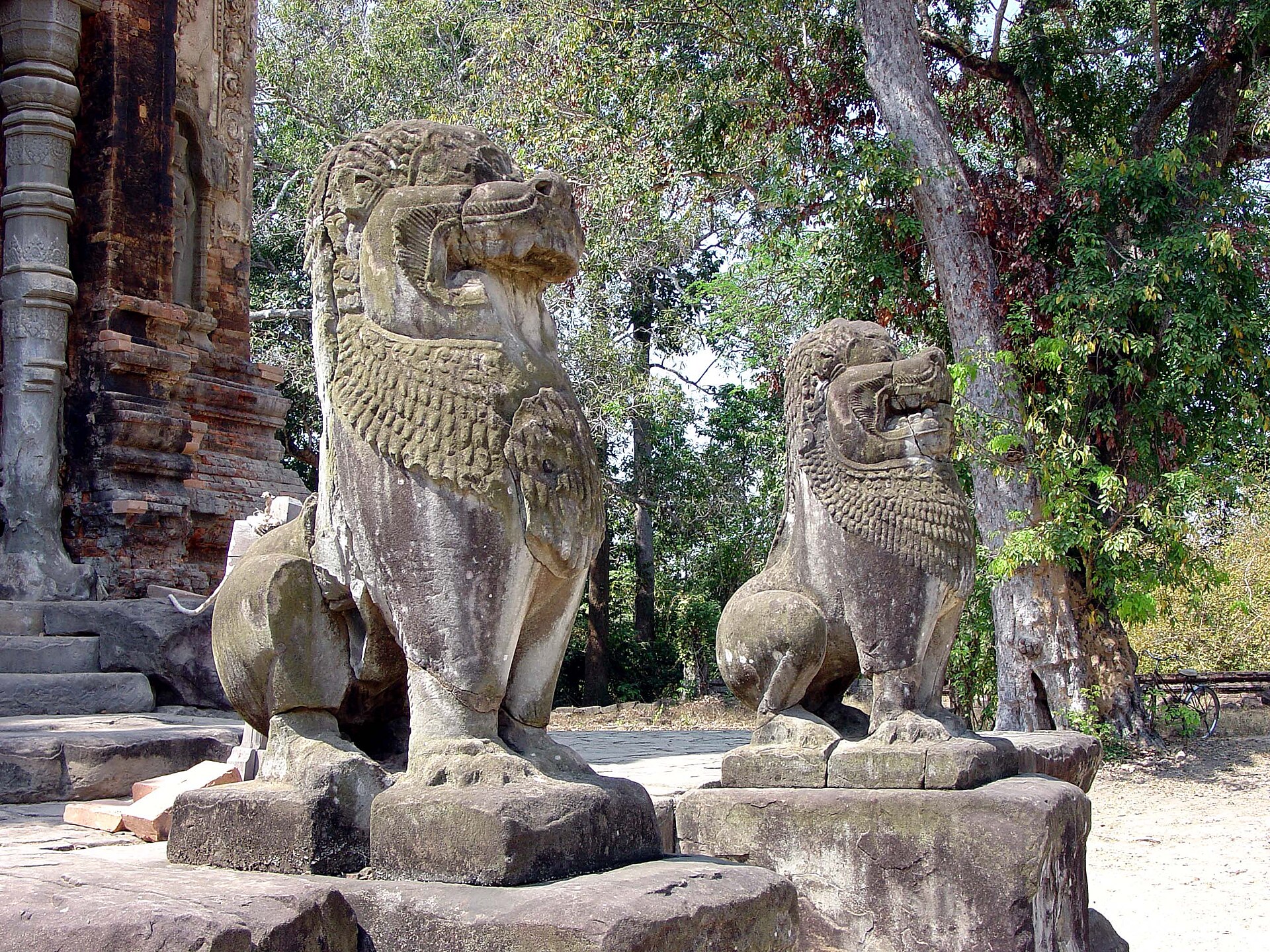
The temple complex comprises ruined structures characteristic of Angkor-period religious architecture. Visitors encounter laterite and sandstone construction elements typical of Khmer building traditions. The site includes a central sanctuary arrangement with surrounding enclosure walls, though preservation states vary across the complex. Decorative carvings and architectural details may be observed on surviving portions, subject to weathering and vegetation encroachment. The monument lacks the extensive restoration evident at major Angkor sites, presenting a more raw archaeological condition. Vegetation integration with masonry is pronounced, creating distinctive atmospheric qualities. No museum facilities, interpretive signage, or visitor amenities are documented at this location.
Checked 2026-08-26
A thorough visit to Chau Srei Vibol typically requires approximately sixty to ninety minutes, depending on individual exploration pace and photographic interests. The compact scale of the ruin complex permits efficient circumnavigation compared to expansive sites like Angkor Wat or Bayon. Visitors should allocate additional time for transit from central Siem Reap, as the temple lies outside the immediate Angkor Archaeological Park perimeter. Combined journey and site exploration may extend total commitment to half-day duration. Those with specialized interests in architectural details or vegetation-stone interactions may prefer extended stays. Minimal infrastructure means no queuing or mandatory guided circuits affect timing.
Checked 2026-08-26
Optimal visiting conditions align with Cambodia's dry season months, generally November through April, when reduced rainfall facilitates site access and photography. Morning hours typically offer moderated temperatures and favourable lighting for visual documentation. Wet season visits present increased vegetation vibrancy but potentially challenging ground conditions given limited site maintenance. The site's peripheral location and minimal staffing may affect reliable opening. No illumination exists for evening visitation. Seasonal agricultural activities in surrounding areas may influence approach routes throughout the year. Check the operator's own site for the travel date before relying on a schedule or fare.
Checked 2026-08-26
Access arrangements for Chau Srei Vibol remain distinct from the centralized ticketing system governing Angkor Archaeological Park proper. The temple's location outside the zoned park perimeter suggests separate local arrangements may apply. No advance booking infrastructure is documented. The absence of formal visitor facilities implies minimal transactional infrastructure at site. Travellers carrying Angkor passes should not assume automatic coverage extends to this peripheral monument. Verification with accommodation providers or local contacts in Siem Reap is advisable before departure. Check the operator's own site for the travel date before relying on a schedule or fare.
Checked 2026-08-26
Chau Srei Vibol lies approximately twenty kilometres northeast of central Siem Reap, accessible via rural roadways diverging from principal Angkor touring circuits. Private vehicle hire represents the most reliable transport mode given absence of scheduled public services. Motorcycles and bicycles suit experienced riders comfortable with unpaved or deteriorated surface conditions. Tuk-tuk arrangements require negotiated extended hire rather than metered service. No designated parking infrastructure exists at the site. Route wayfinding demands attentiveness as signage is minimal; GPS navigation or local guidance assists orientation. Journey duration varies substantially with road conditions, particularly following rainfall. Return transport must be prearranged as no vehicle solicitation operates at this remote location.
Checked 2026-08-26
Site conditions demand caution due to unstable masonry, concealed voids, and uneven ground surfaces throughout the ruin complex. Vegetation growth obscures structural edges and creates trip hazards. No safety barriers or warning installations protect visitors from elevated or deteriorated areas. Wildlife encounters including snakes and insects warrant appropriate awareness and protective clothing. Limited or absent cellular coverage complicates emergency communication. The isolated setting necessitates personal security consciousness regarding valuables and solo visitation. No medical facilities or potable water sources exist at the temple. Sun exposure is unmitigated by shade structures. Informing accommodation of intended itinerary and expected return provides prudent safeguard given remote positioning.
Checked 2026-08-26
Chau Srei Vibol offers distinctive photographic subjects combining architectural ruin with vigorous vegetation reclamation. Morning and late afternoon light produces dimensional modelling on weathered surfaces. The absence of crowds enables unhurried composition without temporal pressure or human intrusion. Wide-angle lenses accommodate enclosure spatial relationships; macro capabilities capture lichen, root systems, and textural stone details. Tripod use faces no regulatory restriction though uneven terrain challenges stable placement. Drone operation should respect Cambodian aviation regulations and local sensitivities. No artificial lighting supplements natural conditions. The unrestored state yields atmospheric imagery distinct from polished major monuments. Extended visits permit light condition variation across sessions.
Checked 2026-08-26
Not recorded. The temple lies outside the zoned park perimeter, suggesting separate access arrangements may apply. Visitors should verify current requirements before travel.
Not recorded. The site's peripheral location and minimal infrastructure suggest formal guiding services are unlikely. Self-guided exploration appears necessary.
The ruins exist in largely unrestored state with significant vegetation integration. Preservation varies across the complex, presenting raw archaeological conditions rather than consolidated monument presentation.
Not recorded. Rural approach roads, uneven ground surfaces, absent pathways, and lack of facilities suggest substantial accessibility challenges.
Not recorded. The remote setting and minimal visitor infrastructure indicate no commercial services operate at this location. Self-sufficiency is advisable.
Not recorded. No visitor amenities are documented at this peripheral temple site.
Loading the interactive map…
The interactive map could not be loaded.

Last updated:
Source: OpenStreetMap contributors, Wikidata ·