
86 min walk
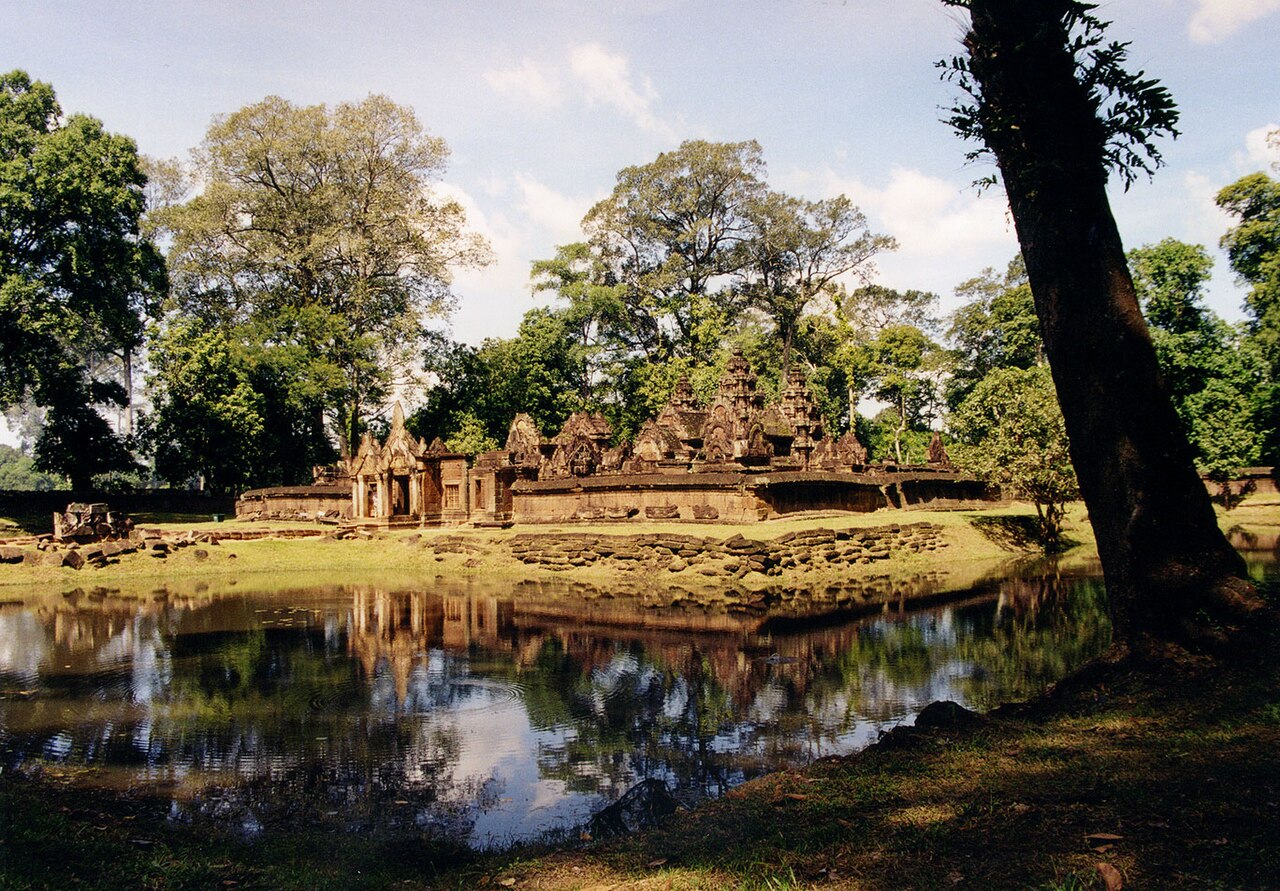
Banteay Srei
- Must see · Heritage site
- Historic monument
Language · 11 published
Museum · Siem Reap
Landmine Museum
Reviewed by Elena Voss · SSMTour Travel Editor

| Monday | 07:30 – 17:30 |
|---|---|
| Tuesday | 07:30 – 17:30 |
| Wednesday | 07:30 – 17:30 |
| Thursday | 07:30 – 17:30 |
| Friday | 07:30 – 17:30 |
| Saturday | 07:30 – 17:30 |
| Sunday | 07:30 – 17:30 |
Checked 2026-08-31 · Source
Read from the OpenStreetMap access tags; anything not listed has no tag recorded.
Set the group type to family in the planner and the day window contracts to about three quarters of a solo day.
The Cambodia Landmine Museum is a memorial and educational facility near Siem Reap, Cambodia. Founded by Aki Ra, a former child soldier who later became a deminer, the museum documents the legacy of landmines in Cambodia. The country remains one of the most heavily mined nations globally due to decades of conflict. The institution serves dual purposes: raising awareness about the ongoing dangers of unexploded ordnance and supporting at-risk children through an associated relief center. It stands as a sobering testament to war's lasting impact on civilian populations.
Checked 2026-08-26
The museum's collection comprises deactivated landmines, unexploded ordnance, and associated weaponry recovered from Cambodian territory. Exhibits detail the history of mine placement during the Khmer Rouge regime and subsequent conflicts. Educational displays explain demining techniques and the continued threat posed by buried devices. Personal artifacts and documentation illustrate individual stories of survival and loss. The associated facility provides housing and education for children affected by landmines and poverty. Visitors encounter physical evidence of conflict alongside narratives of resilience and recovery efforts. Cambodia Landmine Museum also earns time in a siem reap itinerary because Independent traveler stop frozen before production reconciliation; exact local identity verified without a proxy. Its value becomes clearer when the stop is compared with the surrounding streets and the other ranked places nearby.
Checked 2026-08-26
Visitors typically allocate between sixty to ninety minutes for a complete museum experience. This duration accommodates examination of the main exhibition spaces, reading of informational panels, and reflection at memorial elements. Those with particular interest in military history, humanitarian demining operations, or Cambodia's modern political history may extend their visit. The emotional weight of the subject matter often prompts visitors to proceed slowly through displays. Groups with children from the associated center sometimes engage in brief interactions. Personal pacing significantly influences total time spent.
Checked 2026-08-26
Visitors should independently verify current opening schedules before planning their trip. The museum's location outside central Siem Reap means transportation arrangements require advance coordination regardless of season. Cambodia's dry season from November to April generally offers more reliable road conditions for the journey. Morning visits may provide cooler temperatures for travel and quieter conditions for contemplation. Afternoon thunderstorms during monsoon months can affect accessibility. Advance telephone or email confirmation remains essential given potential operational changes. Check the operator's own site for the travel date before relying on a schedule or fare.
Checked 2026-08-26
The museum has historically operated with admission fees contributing to its dual mission of education and child support. Visitors should anticipate that revenue directly funds demining activities and the associated children's center. Some travelers carry additional cash for voluntary contributions given the institution's charitable dimension. No credit card acceptance should be assumed. Pricing structures may differ for Cambodian nationals and foreign visitors as common at cultural institutions. Verification of current rates before arrival prevents complications at entry. Check the operator's own site for the travel date before relying on a schedule or fare.
Checked 2026-08-26
The museum sits approximately twenty-five kilometers north of Siem Reap, requiring motorized transportation. Tuk-tuk arrangements from the city center represent the most common access method for independent travelers. Motorbike rental presents an alternative for experienced riders comfortable with Cambodian road conditions. The route passes through rural landscapes toward the Banteay Srei temple area, enabling combined itinerary planning. No public bus service directly serves the museum. Drivers familiar with the location prove valuable given limited roadside signage. Negotiate return transportation explicitly, as remote location complicates spontaneous departure arrangements.
Checked 2026-08-26
The museum displays actual deactivated ordnance; visitors must respect all barriers and handling prohibitions. Photographic documentation of certain items may carry sensitivity given their lethal purpose. Children from the associated relief center may be present; appropriate visitor conduct respects their privacy and dignity. The emotional content involving amputations and casualties affects some visitors profoundly. No food or beverage consumption should occur near exhibits. The rural location means limited immediate medical or communication facilities. Sun protection and hydration merit attention given the journey and tropical climate. Donation solicitation should be verified as legitimate.
Checked 2026-08-26
Photography policies are Not recorded pending review. Visitors should observe posted restrictions and seek staff guidance upon arrival. Images of deactivated munitions may raise security concerns at subsequent travel checkpoints; discretion in equipment handling proves prudent. Photographs of children from the associated center require explicit permission and should prioritize their welfare over visitor documentation. Memorial elements warrant respectful treatment without intrusive imaging. Flash photography potentially damages sensitive materials. Video recording may face additional restrictions beyond still photography. When uncertain, verbal confirmation from present staff prevents policy violations.
Checked 2026-08-26
The museum displays deactivated ordnance under controlled conditions. Visitors should respect all barriers and staff instructions. The greater risk lies in Cambodia's remaining uncleared rural areas, not this educational facility.
The museum operates in conjunction with a relief center providing housing and education for at-risk children. Admission revenue contributes to these support programs and ongoing demining activities.
The museum's location near the Banteay Srei temple area enables combined itinerary planning. Transportation arrangements should account for multiple destinations and sufficient time at each.
Tour availability is Not recorded pending review. Visitors may encounter staff able to provide context, though formal guided service should not be assumed without advance verification.
The subject matter involving war casualties and amputations may disturb young visitors. Parental discretion advised. The associated children's center presence requires respectful conduct from all guests.
Carry cash for admission and potential donations, sun protection, drinking water, and respectful attire. Photography equipment subject to unverified policies. Advance contact information for transportation arrangements essential.
Loading the interactive map…
The interactive map could not be loaded.
Last updated:
Source: OpenStreetMap contributors, Wikidata ·