


2 min walk
Pavillon Le Corbusier
- Must see
- Museum
Language · 1 published
Nature site · Zurich
Chinagarten Zürich
| Monday | 11:00 – 19:00 |
|---|---|
| Tuesday | 11:00 – 19:00 |
| Wednesday | 11:00 – 19:00 |
| Thursday | 11:00 – 19:00 |
| Friday | 11:00 – 19:00 |
| Saturday | 11:00 – 19:00 |
| Sunday | 11:00 – 19:00 |
Also recorded: 11:00 – 17:00
Parsed from OpenStreetMap opening hours on 2026-08-26.
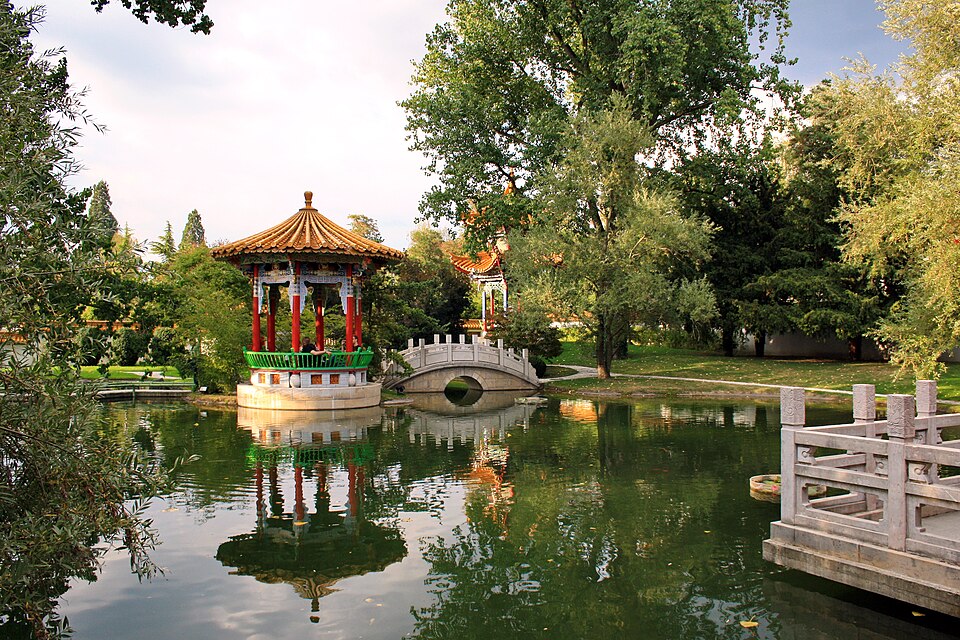
The Chinese Garden Zürich is a traditional Chinese garden located in the city of Zürich, Switzerland. It was a gift from the city's Chinese partner town, Kunming, and represents classical Chinese garden design with its distinctive architectural and landscaping elements. The garden serves as a cultural bridge between Switzerland and China, offering visitors an authentic experience of Chinese horticultural philosophy. Its placement within Zürich's urban environment creates a notable contrast between European and East Asian aesthetic traditions. The garden is recognized as one of the notable places to visit in Zürich according to tourism sources.
Checked 2026-08-26
The garden contains traditional Chinese garden architecture including pavilions, covered walkways, and ornamental structures typical of classical Chinese design. Water features are central to the layout, reflecting the Chinese garden principle of balancing natural elements. Decorative stonework, carefully selected plantings, and symbolic arrangements follow traditional Chinese aesthetic conventions. The garden's design incorporates principles of feng shui and classical Chinese poetry through its visual composition. Visitors will find spaces designed for contemplation and appreciation of nature. The specific details of all interior features are not recorded in the available source materials, so visitors should expect to discover elements upon arrival.
Checked 2026-08-26
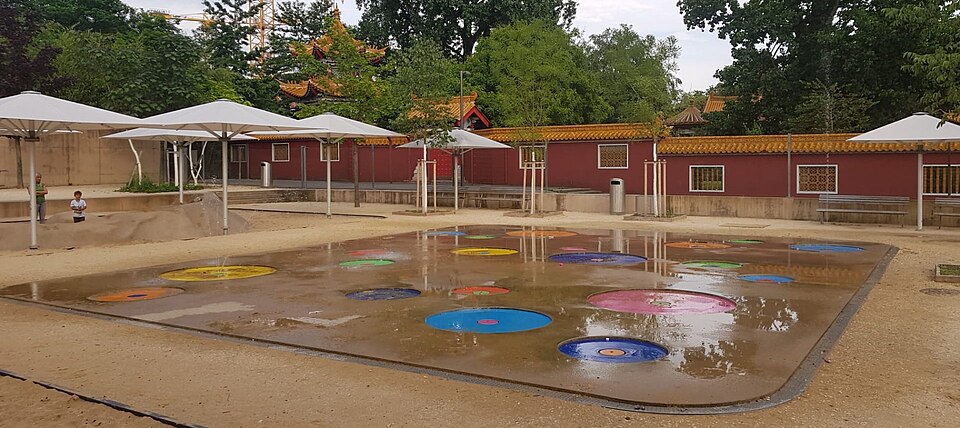
A visit to the Chinese Garden typically requires between thirty minutes and one hour for a meaningful experience, though individual pacing varies considerably. Visitors interested in detailed observation of architectural elements, plant species, and symbolic design features may wish to allocate additional time. The compact nature of traditional Chinese gardens means that the physical area is not extensive, but the density of design elements rewards careful attention. Photography enthusiasts and those seeking quiet contemplation often extend their visits. The duration should be adjusted based on personal interest in Chinese culture, garden design, and the desire for peaceful retreat from urban surroundings. Seasonal variations may also influence visit length.
Checked 2026-08-26
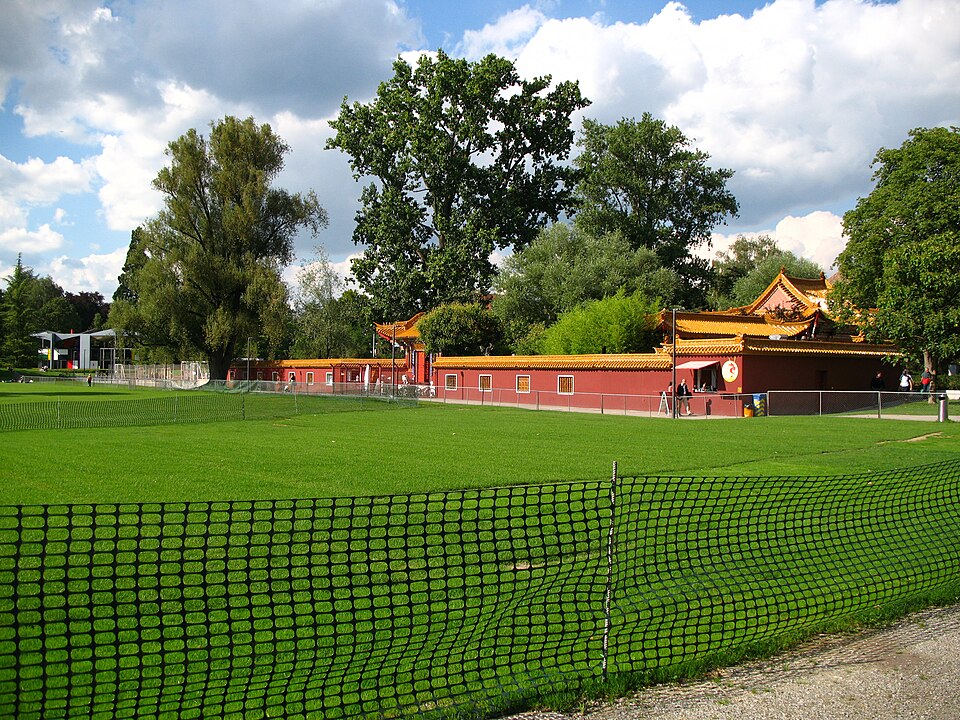
The Chinese Garden can be visited throughout the year, with each season offering different atmospheric qualities. Spring brings flowering plants, summer provides lush greenery, autumn offers changing foliage colors, and winter presents stark architectural outlines against snow. Operator-confirmed hours are Not recorded pending review. Visitors should verify current opening times through official city channels before planning their visit. Weather conditions in Zürich vary significantly by season, with summer generally being most comfortable for extended outdoor appreciation. Morning and late afternoon light particularly enhance the garden's photographic qualities. The garden's intimate scale means it can become crowded during peak tourist periods, so off-peak timing may improve the experience.
Checked 2026-08-26
Entry requirements and pricing for the Chinese Garden are not specified in the available source materials. Operator-confirmed prices are Not recorded pending review. Visitors should consult official Zürich tourism websites or contact the garden directly for current admission information. Some Chinese gardens in European cities operate with free entry as cultural gifts, while others charge modest fees for maintenance. The garden's status as a municipal cultural facility may influence pricing structure. Group visits, educational programs, or special events may have separate arrangements. Visitors are advised to carry appropriate payment methods and verify whether any combined tickets with other Zürich attractions offer value. Annual passes or resident discounts may be available.
Checked 2026-08-26
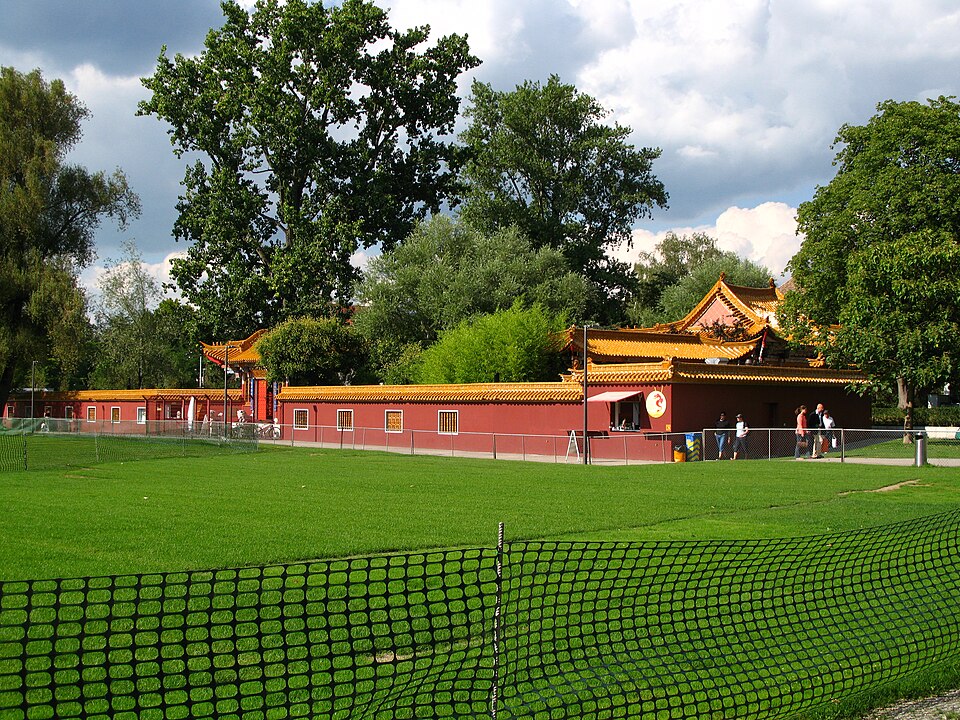
The Chinese Garden is located within Zürich and accessible via the city's public transportation network. Zürich's efficient tram and bus system connects most parts of the city to major attractions. Visitors should consult current transit maps and route planners for specific connections, as line information changes periodically. The garden's location near Lake Zürich or within certain districts may affect optimal routing. Walking from nearby attractions is feasible depending on individual mobility and time constraints. Cycling infrastructure in Zürich provides another option for reaching the garden. Parking availability for private vehicles is not recorded. The garden's specific address and nearest transit stops should be verified through official sources before departure.
Checked 2026-08-26

Visitors should observe respectful behavior appropriate to a cultural gift and contemplative space. Traditional Chinese gardens are designed for quiet appreciation rather than active recreation, so loud behavior may disturb others. Weather protection is advisable as much of the experience is outdoors. Pathways may be narrow, wet, or uneven in places, requiring appropriate footwear. The garden's water features require caution, particularly for children. Photography may be permitted but should not disrupt other visitors or damage plantings. Cultural sensitivity regarding the garden's Chinese origins and significance as a diplomatic gift is expected. Maintenance activities or temporary closures for restoration are possible. Specific current advisories are not recorded in available sources.
Checked 2026-08-26

The Chinese Garden offers numerous photographic opportunities capturing traditional Chinese architecture, water reflections, and composed natural scenes. The interplay of pavilions, bridges, and vegetation creates layered compositions characteristic of classical Chinese aesthetic principles. Morning and evening light produce particularly atmospheric effects on water surfaces and architectural details. Seasonal changes provide varied palettes from spring blossoms to autumn foliage and winter snow. Tripod use and commercial photography may be restricted; specific policies are not recorded. The compact space requires consideration of other visitors when positioning for shots. Macro photography of ornamental details and wide compositions establishing spatial relationships both reward attention. Reflections in water features merit particular attention for their doubling of visual elements.
Checked 2026-08-26
Not recorded. Operator-confirmed prices are Not recorded pending review. Visitors should consult official sources.
Operator-confirmed hours are Not recorded pending review. Visitors must verify current times through official Zürich channels.
Use Zürich's tram and bus network. Specific routes and stops should be checked on current official transit planners as line information changes.
Thirty minutes to one hour is typical, though enthusiasts of Chinese garden design may prefer longer for detailed observation.
Children may appreciate the visual elements, but the space is designed for quiet contemplation. Water features require supervision.
Each season offers different qualities. Spring has flowers, summer has lush growth, autumn has foliage colors, winter has architectural clarity. Personal preference applies.
Loading the interactive map…
The interactive map could not be loaded.
Last updated:
Source: OpenStreetMap contributors, Wikidata ·