

2 min walk
Royal Tombs
- Must see
- Historic monument
Language · 11 published
Historic monument · Wadi Musa
Sextius Florentinus Tomb
Reviewed by Elena Voss · SSMTour Travel Editor

| Monday | 06:30 – 17:00 |
|---|---|
| Tuesday | 06:30 – 17:00 |
| Wednesday | 06:30 – 17:00 |
| Thursday | 06:30 – 17:00 |
| Friday | 06:30 – 17:00 |
| Saturday | 06:30 – 17:00 |
| Sunday | 06:30 – 17:00 |
Checked 2026-08-31 · Source
Read from the OpenStreetMap access tags; anything not listed has no tag recorded.
Set the group type to family in the planner and the day window contracts to about three quarters of a solo day.
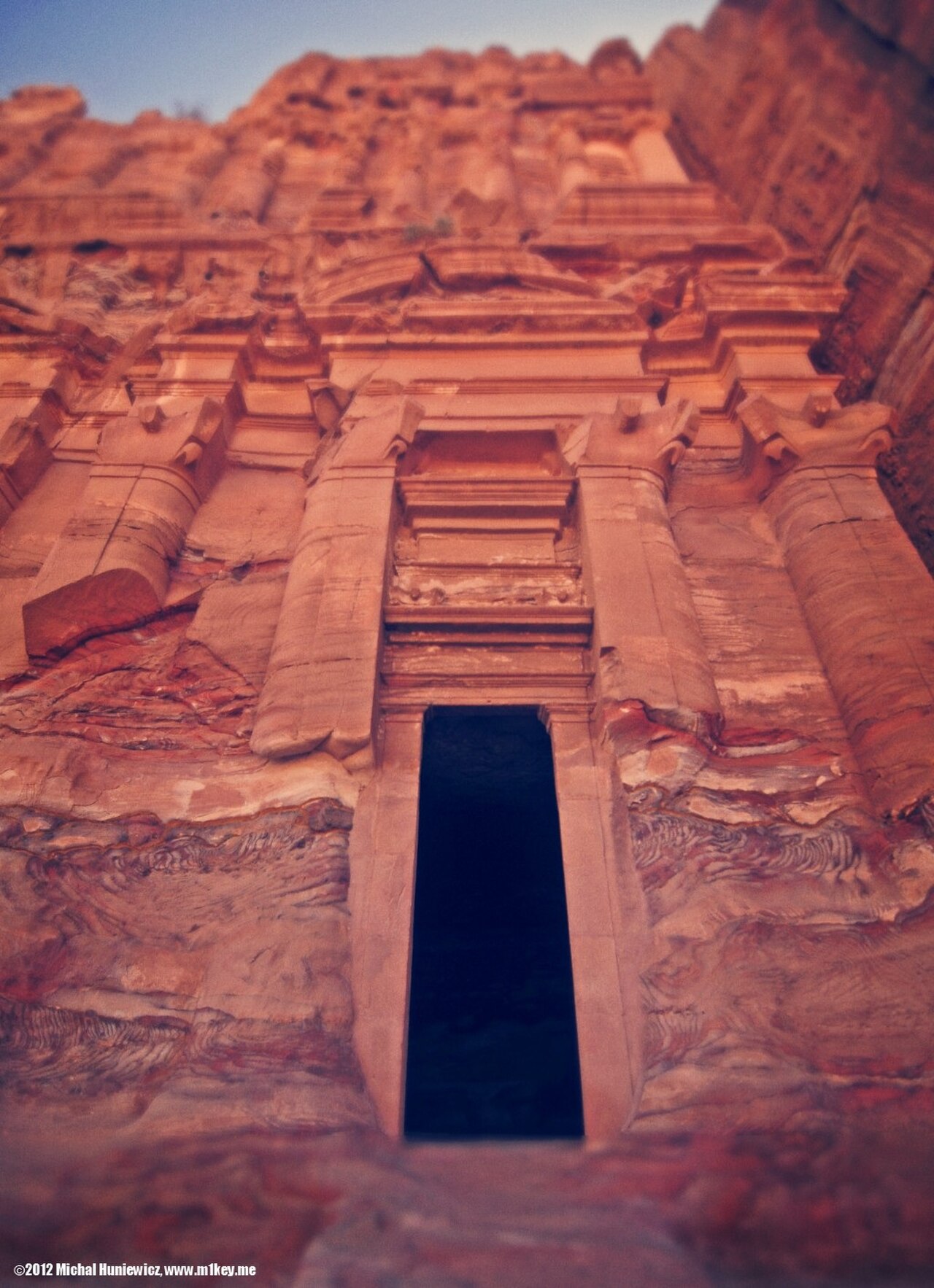
The Tomb of Sextius Florentinus is a rock-cut funerary monument within Petra’s extensive archaeological park. Its name connects the tomb with Sextius Florentinus, a Roman official, illustrating the layered history of a Nabataean city that later came under Roman influence. The monument is best understood as one part of Petra’s necropolis, where carved facades, burial chambers and cliffs create a distinctive funerary landscape. The Sextius Florentinus Tomb is a named rock-cut burial monument within the Petra archaeological park in southern Jordan. It belongs to the extensive necropolis that characterises this UNESCO World Heritage site. The tomb takes its name from a Roman official, indicating connections between Petra and the Roman provincial administration. Like other facades at Petra, it was carved directly into the rose-red sandstone cliffs by the Nabataean civilisation, later adapted or reused. The monument forms part of the broader visitor experience of Petra's thousands of tombs, temples, and commercial structures spread across the vast desert landscape. The tomb lies within the Petra archaeological park, which is generally open to visitors.
Checked 2026-08-26 · Source
The tomb combines an exterior facade carved into rose-red sandstone with interior burial spaces cut into the rock. From outside, focus on the relationship between the geometric facade and the natural cliff. Inside, the rooms are more restrained than the monumental exterior and may feel dark or confined. The contrast is important: Petra’s tombs were designed to announce status from the valley while placing burial chambers within the mountain. The Sextius Florentinus Tomb consists of a carved facade with interior burial chambers typical of Nabataean tomb architecture. Visitors can observe the architectural details of the exterior carving, which may include columns, pediments, or decorative elements common to Petra's tomb styles. As with many Petra tombs, the interior spaces are relatively modest compared to the elaborate facades presented to the outside world.
Checked 2026-08-26 · Source
Allow around fifteen to thirty minutes for the Tomb of Sextius Florentinus if you are making a focused stop. Spend longer when architectural detail, funerary design or photography is central to your visit. Because Petra’s monuments are spread across uneven terrain, the walk to and from the tomb can take more time than viewing the facade itself. Include it within a larger route rather than planning the tomb as a separate half-day destination.
Checked 2026-08-26 · Source
Early morning and late afternoon are comfortable periods for outdoor sightseeing in Petra and bring warmer colour to the sandstone. Spring and autumn suit longer walks, while summer heat increases the need for water, shade and slower pacing. Winter can bring cold weather and rain. Choose a time that leaves daylight for the approach and return, especially when your route includes several tombs or elevated paths across the archaeological park.
Checked 2026-08-26 · Source
The tomb belongs to the Petra archaeological park, so visit it as part of your general Petra admission and wider park itinerary. There is no reason to plan it as a separately ticketed monument. The practical cost of seeing it is the time and effort required to reach it across the site. If you are selecting between routes, weigh the tomb against the walking distance and the other funerary monuments nearby.
Checked 2026-08-26 · Source
Start from Petra’s visitor area in Wadi Musa and continue through the archaeological park on foot. The approach forms part of the wider network connecting the valley, cliffs and tombs. There is no dedicated route described here for this individual monument, so use the park’s wayfinding and keep the tomb within a planned sequence of nearby stops. Supportive footwear matters because Petra’s paths include loose stone, steps and uneven ground.
Checked 2026-08-26 · Source
Expect desert exposure, uneven surfaces and occasional steep or eroded approaches. Tomb interiors can be dark and confined, so move carefully and do not enter spaces that feel unstable or restricted. Carry water and protect yourself from the sun. The archaeological park is extensive, making pacing important. Do not climb facades or fragile remains; preserving the carved stone is part of visiting the monument responsibly.
Checked 2026-08-26 · Source
The facade is the strongest photographic subject, especially when low sunlight emphasises the texture and colour of the sandstone. Include the cliff around it to show how the tomb belongs to Petra’s wider necropolis. Interior rooms may need patience because natural light is limited. Keep equipment and positioning unobtrusive, leave clear passage for other visitors and protect the monument by staying on the visitor route.
Checked 2026-08-26 · Source
It is a rock-cut funerary monument in Petra, named for Sextius Florentinus and associated with the city’s layered Nabataean and Roman history.
A focused visit takes about fifteen to thirty minutes, although the approach and return across Petra’s large archaeological park add walking time.
Yes. It is one of the funerary monuments within Petra’s extensive archaeological landscape and belongs in a broader park visit.
The monument includes rock-cut interior burial spaces, but visitors should enter only areas that are open and safe, moving carefully in dark or confined rooms.
Reach it on foot through Petra’s archaeological park, where loose stone, steps, uneven paths and changing elevations make supportive footwear useful.
Focus on the carved sandstone facade, its architectural geometry and the surrounding cliff, with early or late light bringing out the rose-red stone.
Loading the interactive map…
The interactive map could not be loaded.
Last updated:
Source: OpenStreetMap contributors, Wikidata ·