.jpg)

1 min walk
Colonnaded Street (Cardo Maximus)
- Must see
- Historic monument
Language · 11 published
Historic monument · Wadi Musa
Garden and Pool Complex
| Monday | 06:30 – 17:00 |
|---|---|
| Tuesday | 06:30 – 17:00 |
| Wednesday | 06:30 – 17:00 |
| Thursday | 06:30 – 17:00 |
| Friday | 06:30 – 17:00 |
| Saturday | 06:30 – 17:00 |
| Sunday | 06:30 – 17:00 |
Checked 2026-08-31 · Source
Read from the OpenStreetMap access tags; anything not listed has no tag recorded.
Set the group type to family in the planner and the day window contracts to about three quarters of a solo day.
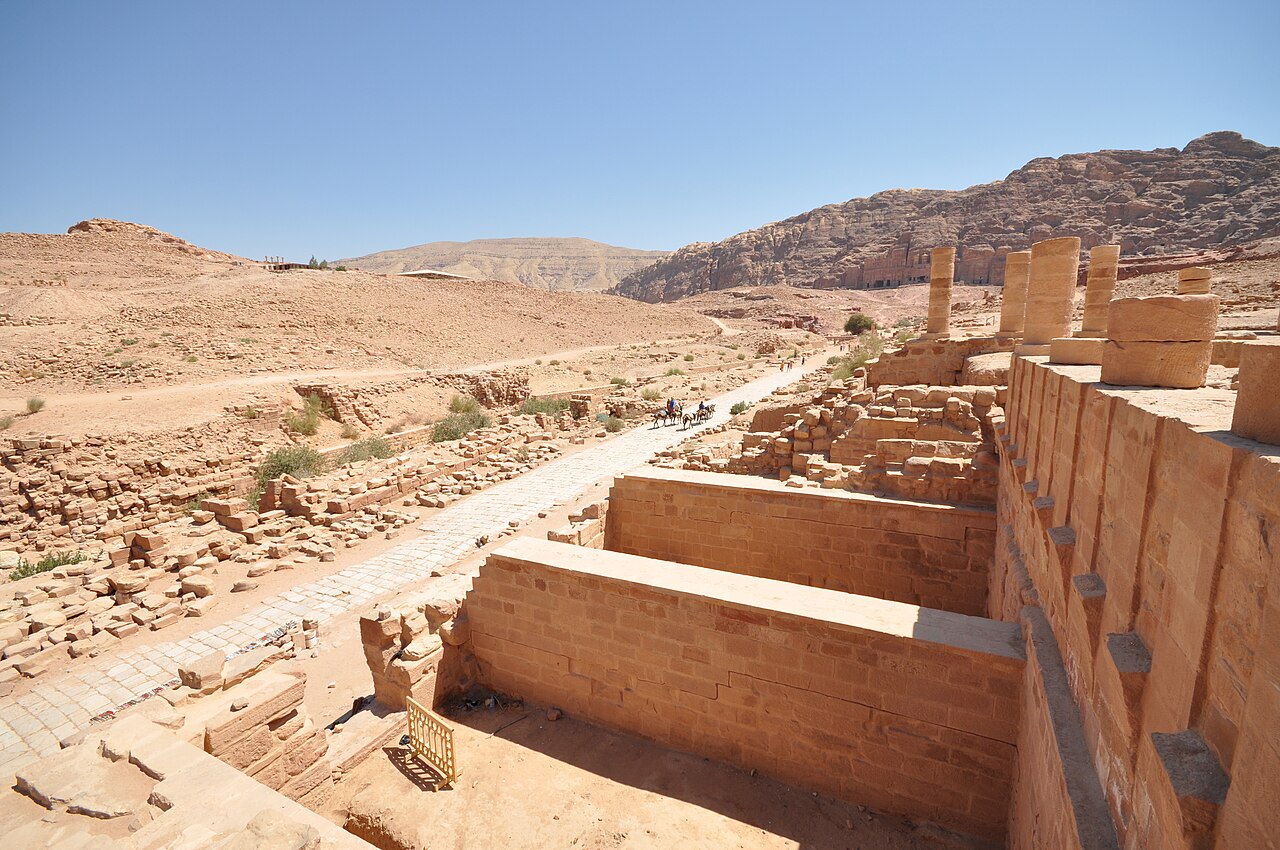
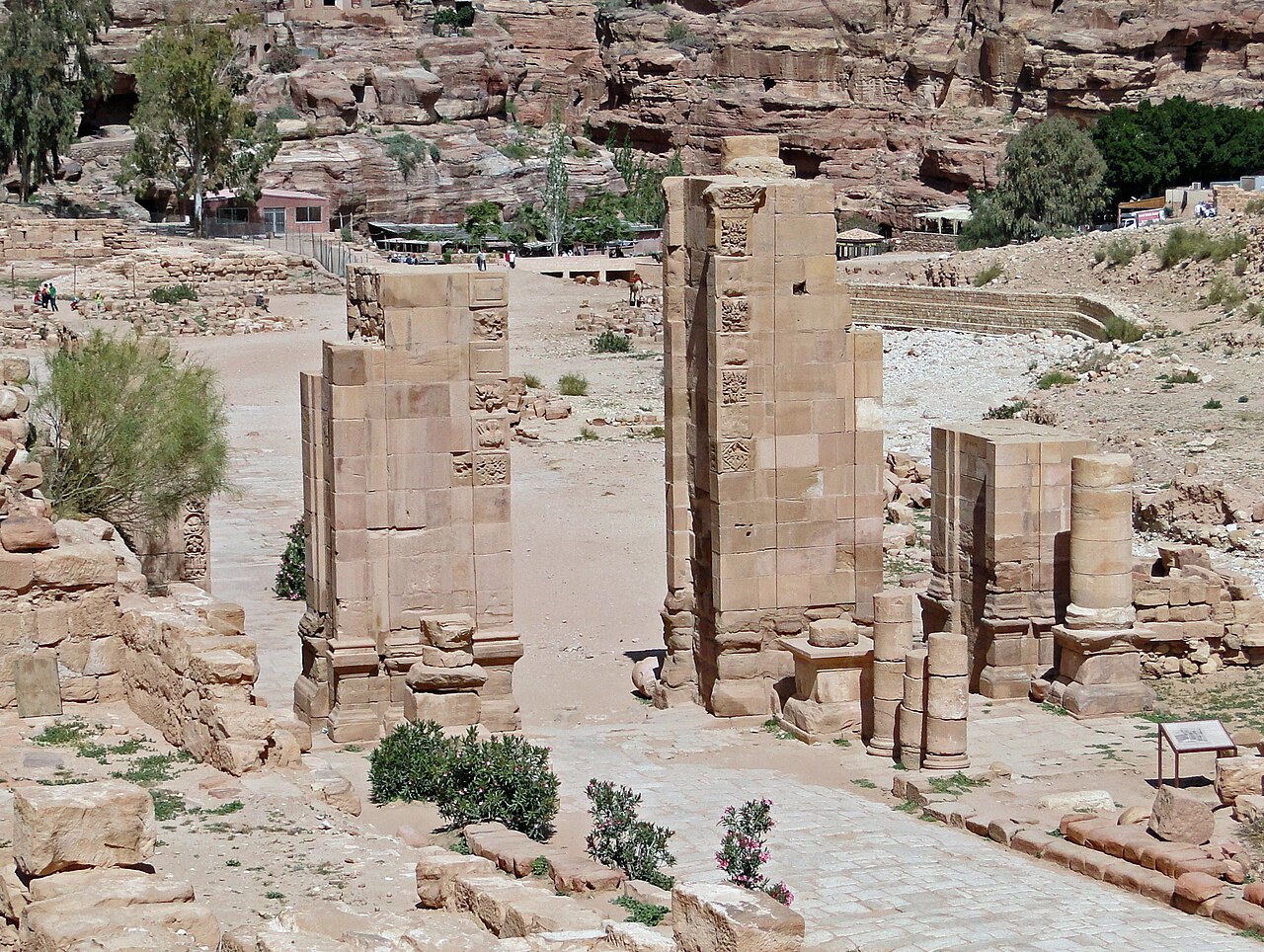
Petra Pool and Garden Complex is an archaeological feature within Petra’s ancient city in southern Jordan. The name points to the relationship between water and cultivated space, two elements that were especially significant in a dry landscape. Visit it as part of Petra’s wider remains, where channels, pools, gardens, streets and monumental architecture together reveal how the Nabataean capital managed urban life in the desert. Petra Pool and Garden Complex is a named monument, route, or landscape feature within the Petra archaeological park. The site forms part of the broader UNESCO World Heritage landscape of Petra, the ancient Nabataean capital carved into rose-red sandstone in southern Jordan. This complex represents one of the many archaeological elements scattered throughout the extensive park area. Visitors exploring Petra's wider terrain will encounter this feature as part of their journey through the ancient city's remnants. No separate ticketing is indicated.
Checked 2026-08-26 · Source
The complex is associated with archaeological water and garden features rather than a modern landscaped park. Read it through the practical challenge it represents: collecting, directing and storing water in Petra’s arid environment. Pair the pools and structural remains with the channels and other hydraulic works around the site. The surrounding sandstone, broken walls and open archaeological setting are part of the experience, so look beyond any single surviving feature. The broader Petra site contains numerous pools, channels, and garden installations that demonstrate sophisticated hydraulic systems. Visitors should expect archaeological remains rather than restored gardens.
Checked 2026-08-26 · Source
A brief stop of several minutes to half an hour suits most visits to Petra Pool and Garden Complex. Spend longer if you enjoy tracing ancient water systems, reading the terrain or photographing the relationship between stonework and landscape. The important time commitment is the wider walk through Petra, not only the viewing time at the complex. Add it to a route with nearby ruins rather than making it the sole destination of your day. The duration of a visit to Petra Pool and Garden Complex depends entirely on individual exploration patterns and its location relative to other Petra attractions. The entire archaeological park demands multiple days for comprehensive coverage. Visitors typically spend between several minutes to half an hour at individual minor features, unless conducting detailed archaeological observation.
Checked 2026-08-26 · Source
Early morning and late afternoon make long walks through Petra more comfortable and give the sandstone softer colour. Spring and autumn are well suited to extended archaeological exploration. Summer brings intense heat and stronger dehydration risk, while winter can be cool and wet. Visit the complex when you have enough daylight to move between water features and surrounding ruins, because its meaning is clearest within the wider ancient city.
Checked 2026-08-26 · Source
Petra Pool and Garden Complex is one feature within the archaeological park, so include it in your general Petra visit rather than treating it as a separate attraction. The value lies in seeing how an ancient water landscape fitted into the city. Allow for the wider park’s walking demands when planning your day, since the pools make most sense alongside channels, streets, monuments and the surrounding desert terrain.
Checked 2026-08-26 · Source
Travel to Petra from Wadi Musa, then follow the archaeological park’s internal paths on foot. The complex sits within a large landscape of ruins, so the approach forms part of a longer walking route. Sturdy shoes are useful around uneven archaeological surfaces and stone remains. Carry water before leaving the main visitor area, and arrange your sequence so you can see the pools together with the nearby evidence of Petra’s water management.
Checked 2026-08-26 · Source
Water-related archaeology can involve uneven ground, loose stones and edges that require careful footing. Do not climb or walk across fragile remains, and keep clear of any unstable stonework. Petra’s heat and limited shade make water, sun protection and sensible pacing essential. The complex is part of a broad archaeological zone, so leave energy for the return walk and other monuments rather than exhausting yourself at the first features.
Checked 2026-08-26 · Source
Photograph the surviving stonework, the geometry of the pools and the contrast between engineered water features and Petra’s dry sandstone landscape. Low morning or afternoon light can reveal texture in walls, channels and surrounding cliffs. Wide views help explain the complex’s place within the ancient city. Keep tripods and personal positioning from obstructing paths, and treat the archaeological remains as protected heritage rather than a backdrop to climb or touch.
Checked 2026-08-26 · Source
It is an archaeological feature associated with pools, gardens and water management within Petra’s ancient city.
No. The complex belongs to Petra’s archaeological landscape and should be understood as ancient water and garden infrastructure.
Allow several minutes to half an hour, with additional time for the walk between this feature and Petra’s other ruins.
This is an archaeological site, not a recreational swimming facility. Treat the pools and surrounding remains as protected heritage.
Combine it with Petra’s channels, streets, monuments and other remains to understand how water supported life in the ancient city.
Expect a large outdoor archaeological area with uneven paths, loose stones, sun exposure and substantial walking between features.
Loading the interactive map…
The interactive map could not be loaded.

Last updated:
Source: OpenStreetMap contributors, Wikidata ·