
55 min walk
Ba'ja
- Must see
- Historic monument
Language · 11 published
Historic monument · Wadi Musa
البتراء الصغيرة

| Monday | 06:00 – 18:00 |
|---|---|
| Tuesday | 06:00 – 18:00 |
| Wednesday | 06:00 – 18:00 |
| Thursday | 06:00 – 18:00 |
| Friday | 06:00 – 18:00 |
| Saturday | 06:00 – 18:00 |
| Sunday | 06:00 – 18:00 |
Checked 2026-08-31 · Source
Read from the OpenStreetMap access tags; anything not listed has no tag recorded.
Set the group type to family in the planner and the day window contracts to about three quarters of a solo day.
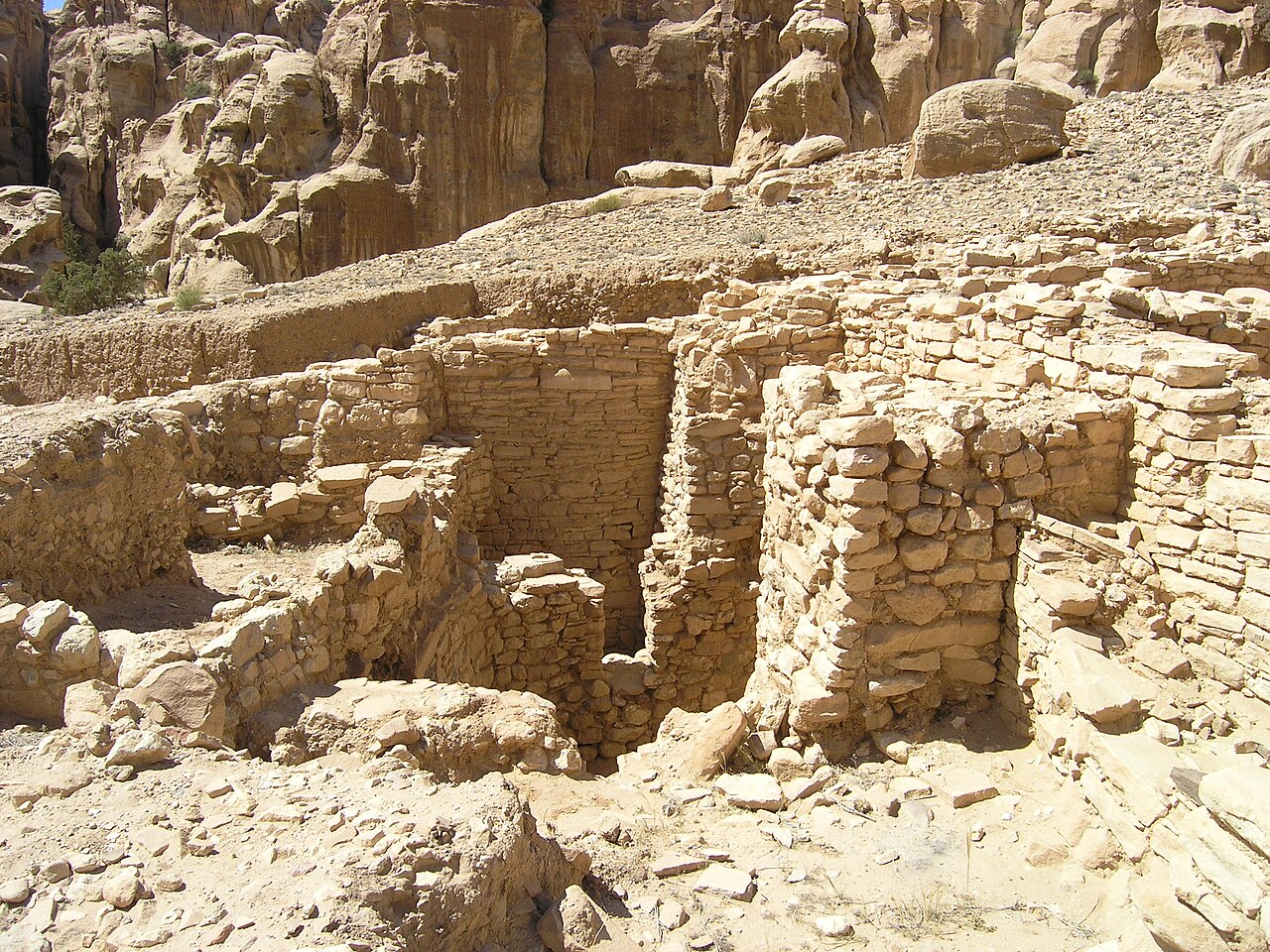
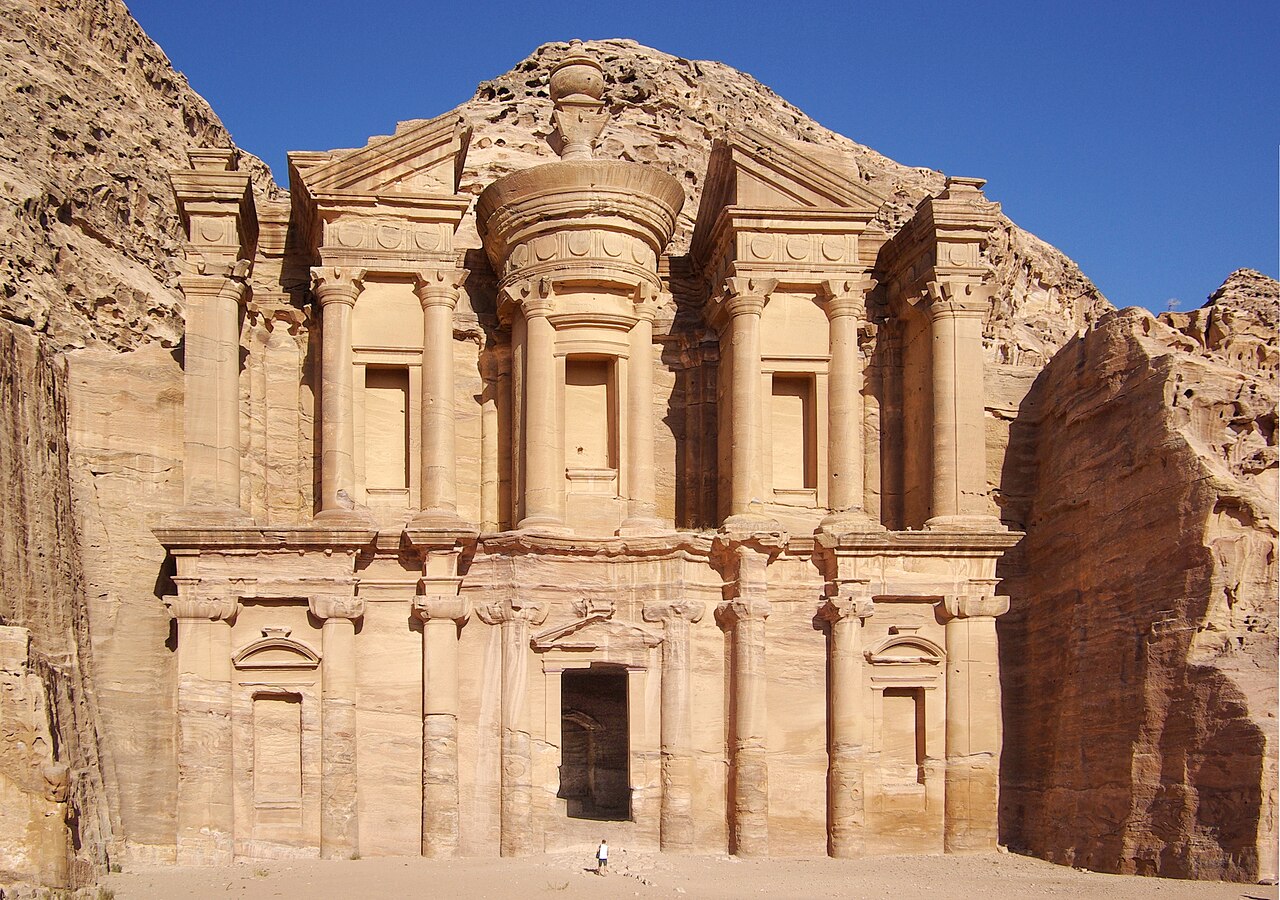
Little Petra, also called Siq al-Barid, is a Nabataean archaeological site north of the main Petra complex in southern Jordan. Its name refers to the cool, narrow canyon through which visitors enter. Rock-cut architecture, tombs, water systems, and carved sandstone spaces show the engineering and artistic skill of the Nabataean civilization. The smaller scale creates a more intimate experience than main Petra, with the monuments gathered around a confined gorge. Little Petra is associated with caravan movement and hospitality, giving the site a different atmosphere from Petra’s larger urban and ceremonial spaces.
Checked 2026-08-26 · Source
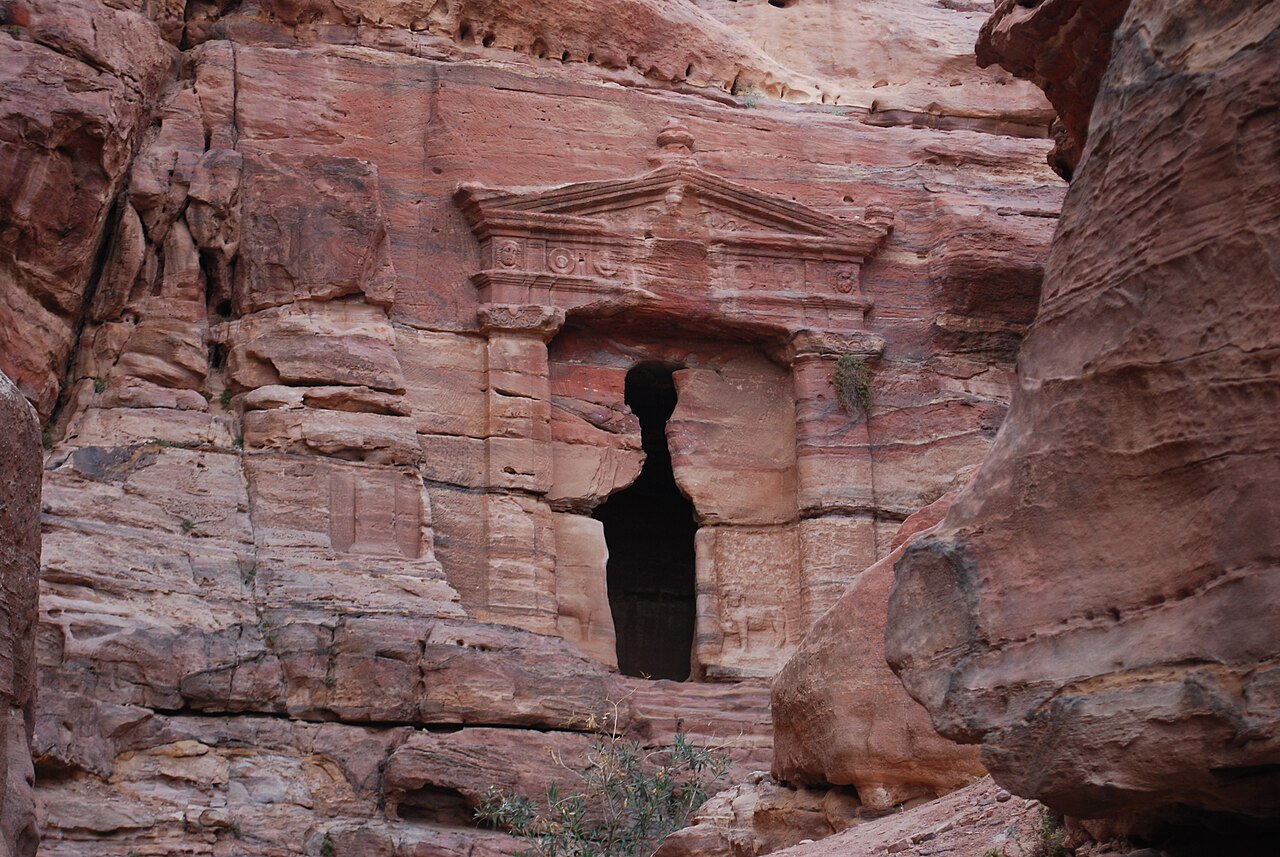
The entrance leads into a narrow siq containing rock-cut structures, tombs, cisterns, channels, and spaces connected with communal dining. The painted biclinia are the visual highlight: surviving ceiling frescoes show vines, flowers, and birds, making them rare examples of Nabataean painted decoration. Elaborate facades and carved water-management features show how the settlement used the sandstone environment. A rock-cut staircase rises toward additional spaces and viewpoints. Look closely at the transition between practical infrastructure and decorated interiors; together they explain how Little Petra supported travelers and communities in the desert.
Checked 2026-08-26 · Source
Most visitors need about one to two hours to explore Little Petra. The core site is compact, so you can examine the canyon, facades, painted ceilings, water channels, and stairway without the long distances associated with main Petra. Add time if you want to study the frescoes carefully or photograph the changing light in the gorge. Little Petra works well as a separate northern Petra stop or as part of a broader day around Wadi Musa. Move slowly through the narrow spaces, where details are easy to miss when the visit becomes a quick circuit.
Checked 2026-08-26 · Source
Spring and autumn are comfortable seasons for outdoor archaeology in southern Jordan, while summer is hot and winter can bring cooler conditions. Morning gives you lower temperatures and softer light for the carved sandstone and painted ceilings. The gorge provides shade, but the narrow walls can also make the interior feel darker as the day progresses. Rain deserves attention because water can move quickly through confined canyons. Plan the visit when you have enough daylight for the approach and enough time to examine the site without hurrying through its shaded spaces.
Checked 2026-08-26 · Source
Little Petra is a distinct archaeological stop north of the main Petra complex. Its place information identifies the site and its monuments but does not establish a current admission arrangement, so keep the ticketing part of a Petra day flexible. The important planning distinction is geographic: reaching Little Petra requires a separate movement from the central Petra route, even when travelers combine both sites in one trip. Allow time for transport between Wadi Musa and the northern site, and treat the painted interiors and compact canyon as the reason to include it.
Checked 2026-08-26 · Source
Little Petra lies approximately eight to ten kilometres north of Wadi Musa. Travelers commonly reach it by taxi, rental vehicle, or an organized tour from the town and Petra visitor area. The route passes through desert scenery and Bedouin communities. Walking between main Petra and Little Petra is possible for experienced hikers, but the distance, heat, terrain, and navigation make it a demanding connection rather than a casual stroll. For most visitors, arranging road transport is the practical choice. Carry water and allow time for the return journey or onward travel.
Checked 2026-08-26 · Source
The siq contains uneven rock-cut surfaces, so sturdy footwear and careful footing are important. The painted ceilings are fragile; keep away from the surfaces and follow every barrier or restriction. Rain can create serious flash-flood danger in narrow canyons, so weather conditions matter before entering. Little Petra is more remote and less extensively serviced than the main Petra area. Bring water, sun protection, and basic supplies. Respect Bedouin communities and local territories as you travel through the surrounding landscape. The site rewards self-sufficient preparation and a deliberate pace.
Checked 2026-08-26 · Source
Little Petra’s narrow canyon creates strong contrasts between shaded rock and bright openings, making exposure control important. Morning and late afternoon can bring attractive texture to the carved sandstone, while the painted ceilings reward close attention to color and pattern. Protect the frescoes by keeping equipment and people away from the surfaces; never touch them. Tripods can be awkward in confined spaces, so work quietly and leave room for others. Photograph local residents only with permission. The site’s intimate scale allows architectural details to become the subject rather than relying only on wide landscape views.
Checked 2026-08-26 · Source
Little Petra is also known as Siq al-Barid, referring to its narrow, shaded canyon setting.
The site lies approximately eight to ten kilometres north of Wadi Musa.
Plan for about one to two hours to explore the canyon, facades, painted interiors, water systems, and stairway.
The biclinia contain surviving ceiling frescoes depicting vines, flowers, and birds, rare examples of Nabataean painted decoration.
The connection is approximately eight to ten kilometres and suits experienced hikers prepared for heat, uneven terrain, navigation, and limited services.
Little Petra is smaller and more intimate, with a narrow gorge, painted interiors, water-management features, and a quieter archaeological setting.
Loading the interactive map…
The interactive map could not be loaded.
Last updated:
Source: OpenStreetMap contributors, Wikidata ·