

.jpg)


.jpg)
8 min walk
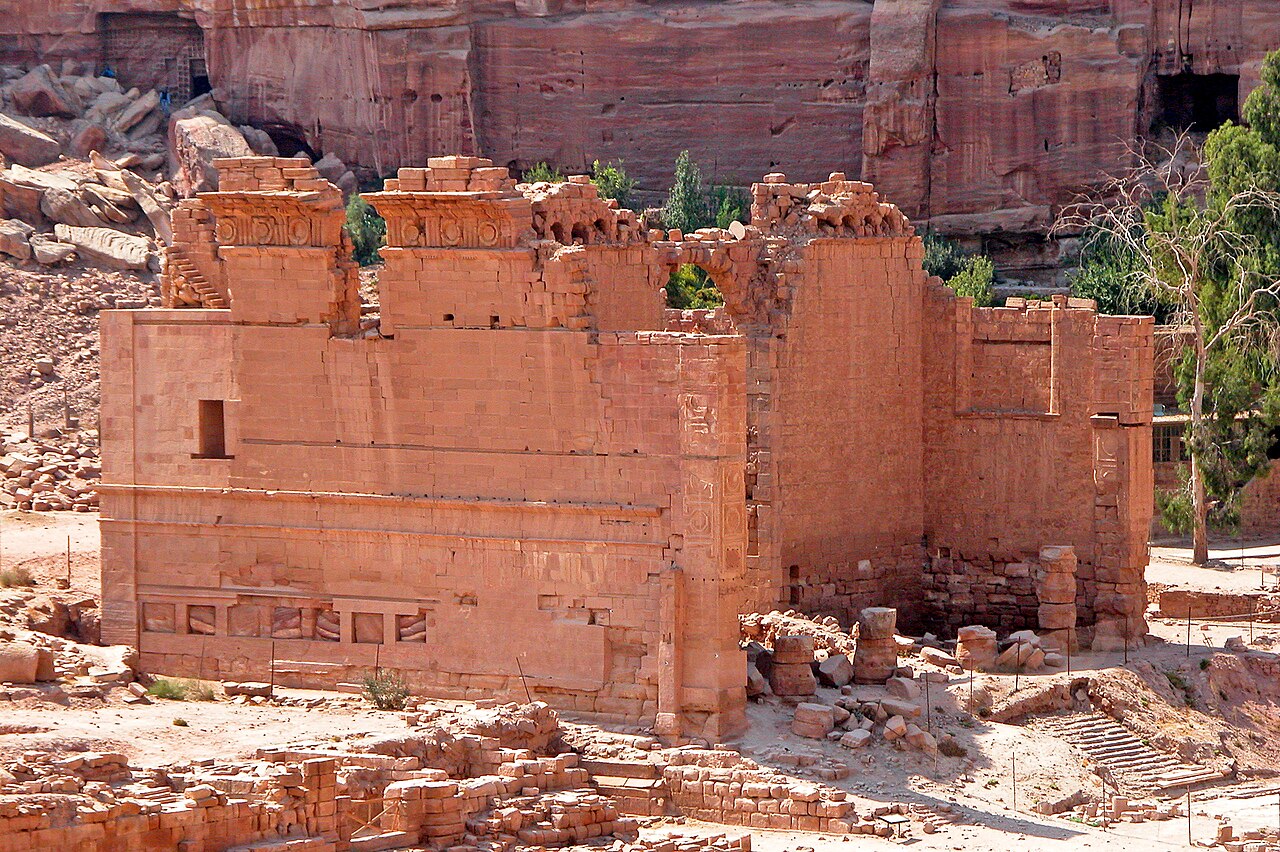
Qasr al-Bint
- Must see
- Historic monument
Language · 11 published
Historic monument · Wadi Musa
Lion Triclinium
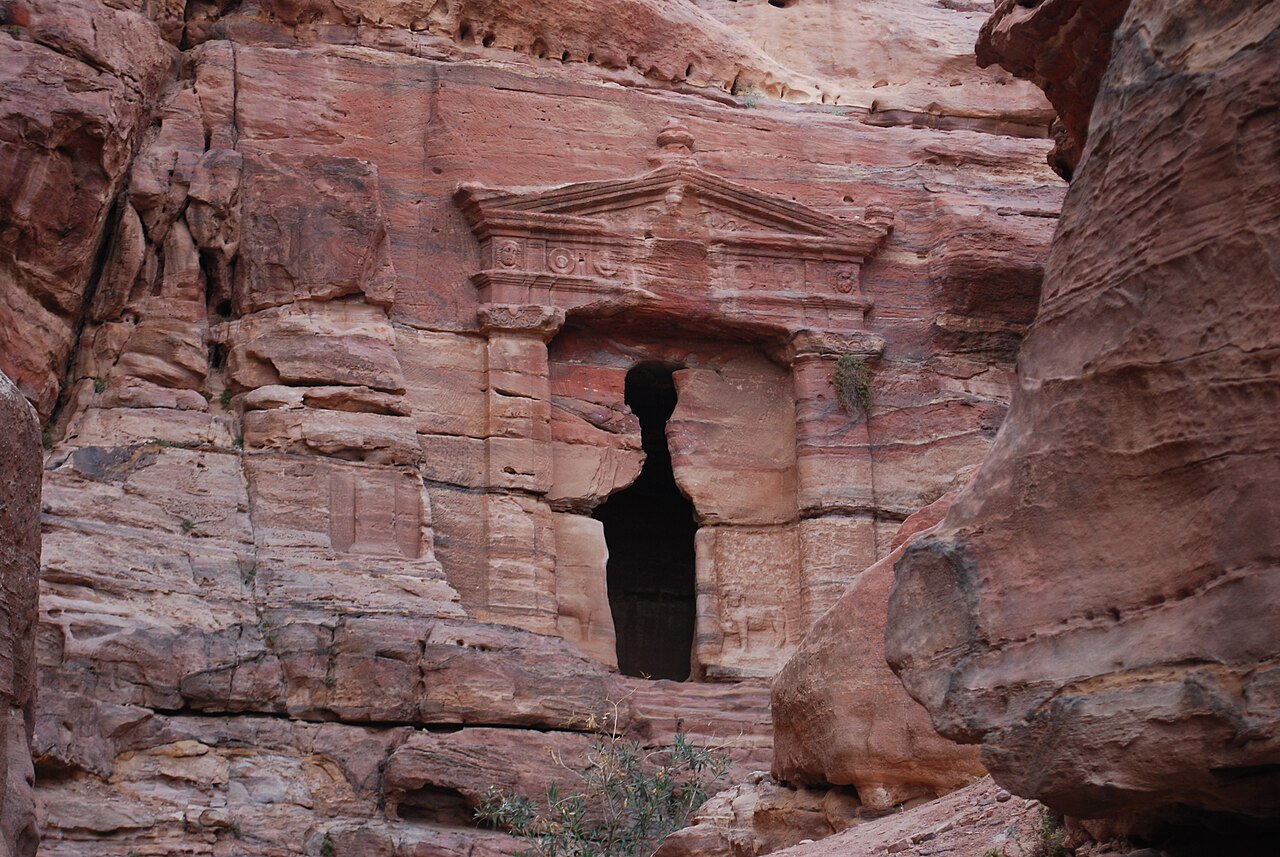
The Lion Triclinium is a rock-cut monument within the Petra archaeological park in southern Jordan. It takes its name from two eroded lion sculptures that flank its entrance. The structure served as a banqueting hall or memorial dining chamber, characteristic of Nabataean funerary customs. Carved directly into the sandstone cliff face, it exemplifies the engineering skill of the Nabataean civilization that flourished in this region from approximately the fourth century BCE through the Roman period. The monument lies along one of the hiking routes through the broader archaeological zone.
Checked 2026-08-26
The interior consists of a single chamber with bench seating along three sides, forming the triclinium arrangement typical of ancient Mediterranean dining spaces. The two lion figures at the entrance, though weathered, remain identifiable. The chamber walls show tool marks from the original carving process. Decorative architectural elements include a classical-style pediment above the doorway. The space lacks the elaborate painted or carved interior decoration found at some other Petra monuments. Visitors should note that interior lighting is not installed, and the floor surface is uneven natural stone.
Checked 2026-08-26
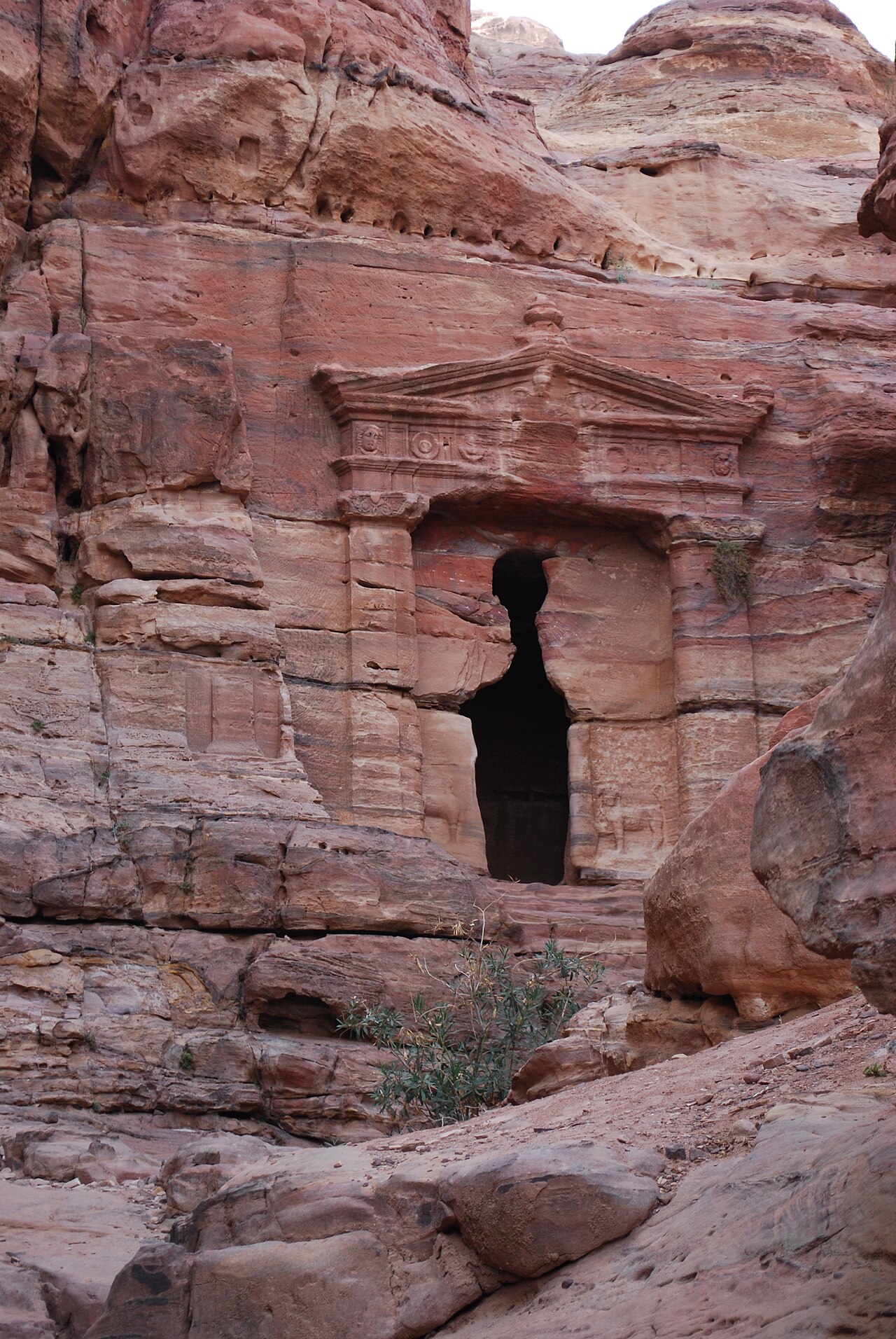
A visit to the Lion Triclinium itself requires approximately ten to fifteen minutes for examination and photography. However, reaching the monument necessitates a longer commitment within the Petra park. The structure lies along the trail to the High Place of Sacrifice or other backcountry routes, requiring several hours of walking from the main visitor center through the Siq and past the Treasury and Theater. Most visitors incorporate this stop into a full-day hiking itinerary. Physical fitness and adequate water supplies are essential for the overall journey. The return route may differ from the approach.
Checked 2026-08-26

The Petra archaeological park generally opens during daylight hours, though specific seasonal variations apply. The Lion Triclinium has no separate admission or controlled access times. Morning visits may offer cooler temperatures for the hiking approach, particularly in warmer months. Afternoon light can enhance the visibility of the carved details. The monument receives fewer visitors than the central Treasury and Theater areas, offering relative quiet. Weather conditions including flash flood risks may affect trail accessibility. Visitors should consult current park advisories before departure. Check the operator's own site for the travel date before relying on a schedule or fare.
Checked 2026-08-26
Admission to the Lion Triclinium is included within the general Petra archaeological park entry fee, with no supplementary charge for this specific monument. Park tickets are available at the main visitor center entrance. Multi-day passes may be offered for extended exploration. The Jordan Pass, if purchased, typically covers park entry for international visitors staying multiple nights. Payment methods and precise fee structures should be verified through official channels. No on-site ticket facility exists at the monument itself due to its remote location within the park. Check the operator's own site for the travel date before relying on a schedule or fare.
Checked 2026-08-26

The Lion Triclinium is accessible only on foot via hiking trails within the Petra archaeological park. The approach begins at the main visitor center, proceeding through the Siq to the central monuments area. From there, marked trails ascend toward the High Place of Sacrifice or continue along ridge routes. Signage along park trails indicates directions. The path involves significant elevation change and uneven terrain. No vehicular access exists. Guided tours or independent hiking are both possible. Visitors should carry adequate water, as no services are available along the remote trails. A park map is essential for navigation.
Checked 2026-08-26

The hiking terrain presents trip hazards including loose stones, uneven steps, and exposed drops. The monument interior has no guardrails or artificial lighting. Flash floods can occur with little warning during rain events. Heat exhaustion and dehydration are serious risks; water consumption should be frequent and substantial. The remote location means limited mobile phone coverage and delayed emergency response. Wildlife encounters are possible though generally not dangerous. The carved surfaces are fragile; touching or climbing damages irreplaceable heritage. No medical facilities or rescue services are stationed near this monument. Travel insurance covering evacuation is prudent.
Checked 2026-08-26
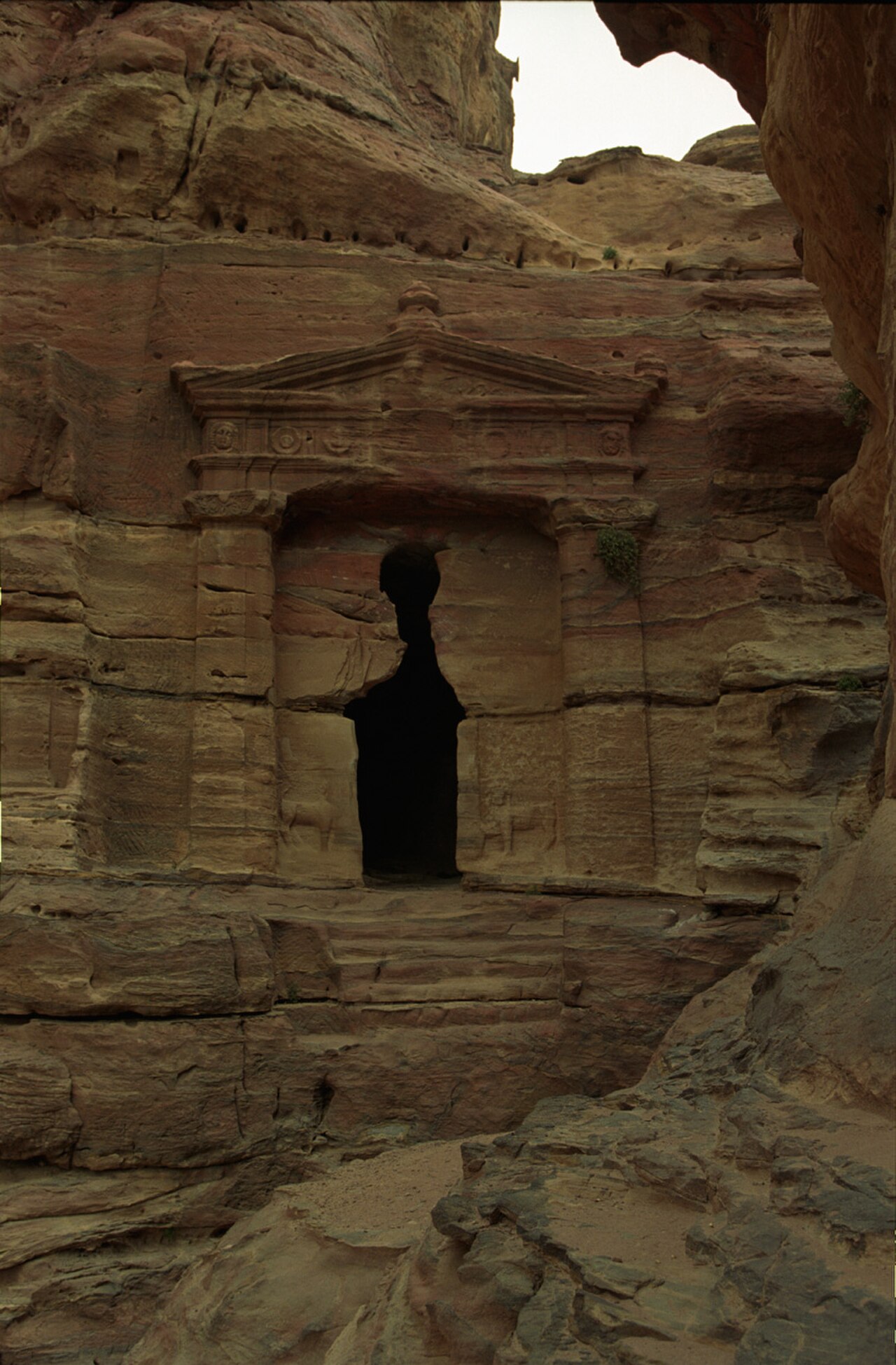
The exterior facade photographs effectively in diffuse light or early morning conditions that reduce harsh shadows on the carved lions and architectural details. The interior chamber requires longer exposures due to low natural light; camera stability is necessary. Tripod use should not obstruct narrow access or damage surfaces. The surrounding landscape offers contextual shots of the monument against desert terrain. Midday sun tends to flatten relief details. No artificial illumination is available for night photography. Commercial or drone photography may require permits from park authorities. Respect for other visitors' experience and monument preservation should guide all photographic behavior.
Checked 2026-08-26
No separate ticket exists. Admission is included within the general Petra archaeological park entry fee.
No vehicular access is available. The monument is reachable only by hiking trails on foot.
The lions are eroded and weathered but remain identifiable at the monument entrance.
No services including water are available at this remote location within the park.
Independent hiking is possible with a park map, though guided tours also visit this area.
The interior lacks lighting and guardrails, with uneven stone floors; caution is essential.
Loading the interactive map…
The interactive map could not be loaded.

Last updated:
Source: OpenStreetMap contributors, Wikidata ·