

3 min walk
Sennyū-ji Temple
- High · Heritage site
- Place of worship
Language · 11 published
Place of worship · Kyoto
今熊野観音寺
Reviewed by Elena Voss · SSMTour Travel Editor
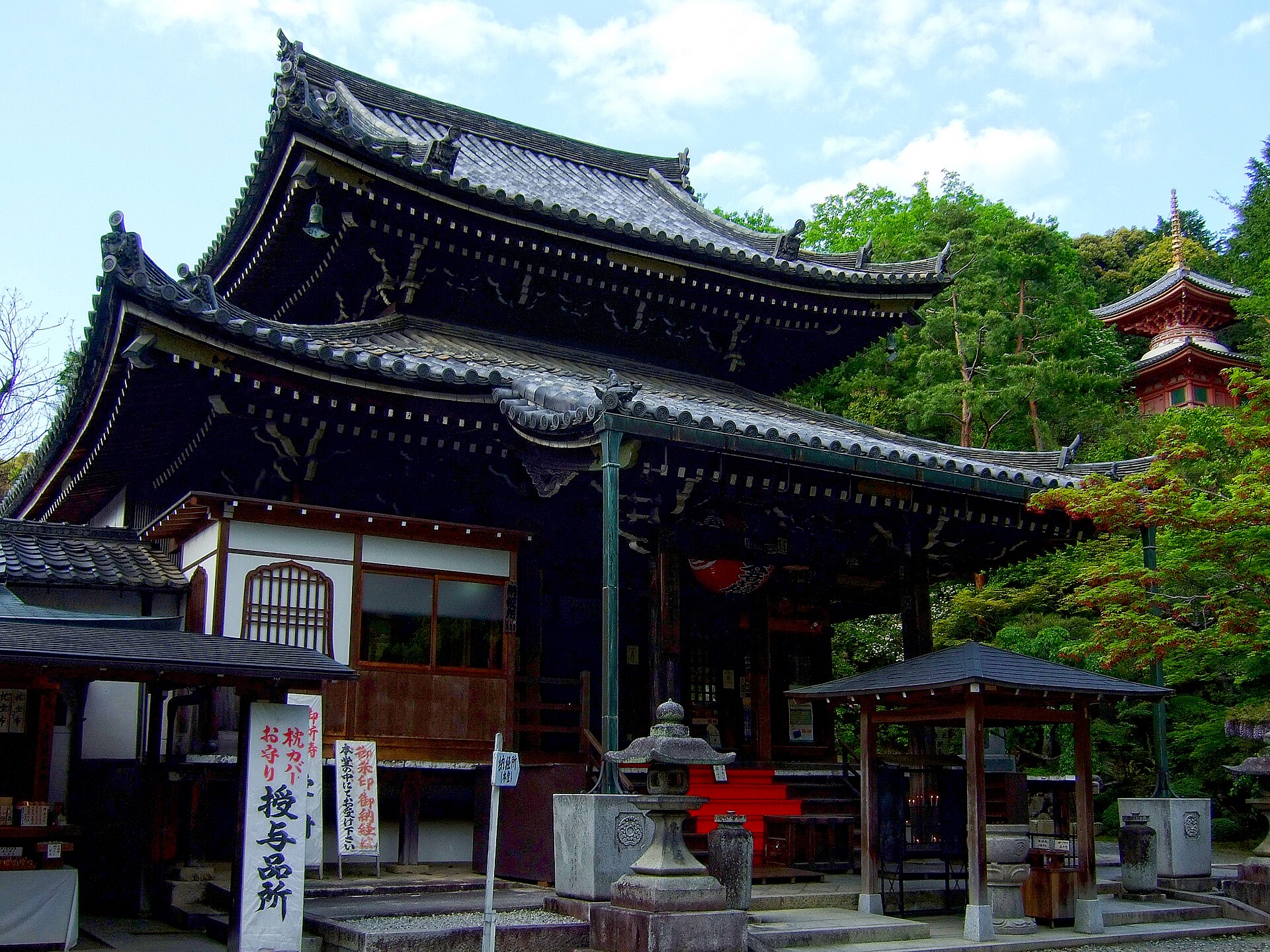
Imakumano Kannon-ji is an active Shingon Buddhist temple in Kyoto, dedicated to Kannon, the bodhisattva associated with compassion. Set within the city’s eastern religious landscape, it offers a more intimate encounter with Kyoto’s temple culture than the city’s best-known headline sights. The temple is connected with traditions of mountain Buddhism and devotional practice, so the visit is shaped by its religious character as much as by its buildings. Come for a quiet, place-based experience: observe how the temple sits within its surroundings, notice the rhythm of the grounds, and allow the atmosphere to carry as much meaning as any individual architectural detail.
Checked 2026-08-26 · Source
The grounds include a main hall and subsidiary temple buildings arranged for religious use, with devotional imagery and spaces associated with Kannon. Expect the visual language of a working Shingon establishment: architectural forms, altars, religious objects, and areas intended for prayer rather than a sequence of museum galleries. Natural elements may soften the built setting, while the arrangement of buildings gives the complex its practical and ceremonial character. The experience is less about collecting a checklist of exhibits and more about reading the site as a living place of worship. Slow down near the main religious spaces, keep pathways clear, and let small details build the impression of the temple.
Checked 2026-08-26 · Source
Plan on about 30 minutes to an hour for a first visit. The temple is suited to a compact, attentive stop: enough time to approach, see the principal spaces, observe the devotional atmosphere, and leave without rushing. Travellers who pray or sit quietly may naturally stay longer. Because the site works well as one element in a broader eastern Kyoto walk, include time for the streets and slopes between temples as well as time inside the grounds. A short visit can still feel complete when the purpose is calm observation rather than an extensive collection of displays.
Checked 2026-08-26 · Source
Spring and autumn are comfortable seasons for walking through Kyoto’s temple districts, although popular periods bring more people to the city. Morning is a good fit for Imakumano Kannon-ji because a quieter arrival supports the temple’s devotional atmosphere. Summer heat and humidity can make the approach tiring, while winter requires warm clothing and patience with colder outdoor spaces. Festival and religious-observance periods may alter the feel of the visit, since this is an active temple rather than a static attraction. Choose a time when you can move slowly and respectfully, then combine the stop with nearby eastern Kyoto sites.
Checked 2026-08-26 · Source
Treat the visit as a modest temple stop and keep your plans flexible around the entrance arrangements presented on arrival. This guide does not establish a current admission amount or a confirmed ticket format for Imakumano Kannon-ji, so there is no reliable price to include in a fixed budget here. Carrying Japanese yen is practical for a religious visit, including the possibility of ordinary offerings. The main reason to come is the temple’s atmosphere, devotion to Kannon, and place within Kyoto’s eastern religious landscape, rather than a large paid exhibition.
Checked 2026-08-26 · Source
Imakumano Kannon-ji lies in Kyoto’s eastern temple landscape and is best approached as part of a walking-focused outing. Public transport serves the broader area, after which the final stretch is on foot through Kyoto streets and neighbourhoods. Allow for slopes or steps in the approach, and wear shoes suited to uneven ground. The southeastern direction from the city centre places the temple naturally alongside other Higashiyama visits. Rather than isolating it as a single cross-city journey, pair it with nearby religious sites and give yourself enough time to navigate the last part without hurrying.
Checked 2026-08-26 · Source
Remember that Imakumano Kannon-ji is a working Buddhist temple. Speak softly, follow signs, and give worshippers priority around devotional spaces. Remove shoes wherever the temple indicates, and avoid touching religious objects or entering areas that are not presented for visitors. Steps, uneven paths, and weather-exposed sections can affect comfort, especially in older temple settings. Summer heat and winter cold may be noticeable during a slow visit. Keep personal belongings close in busy parts of Kyoto, but let the temple’s quiet character guide your behaviour. Courtesy matters more here than speed or sightseeing efficiency.
Checked 2026-08-26 · Source
Photograph the temple with restraint. Exterior buildings, paths, and natural elements can be recorded when no sign or staff instruction limits camera use, but religious interiors deserve particular care. Do not use the camera during active worship, and avoid photographing people who are praying. Keep equipment compact so that narrow routes remain open for others. Flash and tripods can be intrusive in devotional spaces, even when a particular restriction is not visible. The most fitting photographs will show the relationship between Kannon devotion, temple architecture, and the surrounding eastern Kyoto setting without turning the grounds into a staged studio.
Checked 2026-08-26 · Source
The temple is dedicated to Kannon, the bodhisattva associated with compassion, and belongs to the Shingon school of Japanese Buddhism.
You can experience a working temple complex with a main hall, subsidiary buildings, devotional imagery, and a calm eastern Kyoto setting.
Allow about 30 minutes to an hour, plus additional walking time if you include the temple in an eastern Kyoto route.
Morning in spring or autumn suits a quiet visit and comfortable walking; summer is humid and winter is colder but generally calmer.
Speak quietly, follow signs, respect worshippers, remove shoes where indicated, and avoid touching religious objects or entering non-visitor areas.
Yes. Its eastern Kyoto setting makes it suitable for a walking-focused day that links several religious sites, provided you allow time for slopes and neighbourhood streets.
Loading the interactive map…
The interactive map could not be loaded.
Last updated:
Source: OpenStreetMap contributors, Wikidata ·