
.jpg)


9 min walk
世界無名戦士の碑
- High
- Historic monument
Language · 1 published
Historic monument · Kyoto
清水寺
| Monday | 06:00 – 18:00 |
|---|---|
| Tuesday | 06:00 – 18:00 |
| Wednesday | 06:00 – 18:00 |
| Thursday | 06:00 – 18:00 |
| Friday | 06:00 – 18:00 |
| Saturday | 06:00 – 18:00 |
| Sunday | 06:00 – 18:00 |
Checked 2026-08-26 · Source
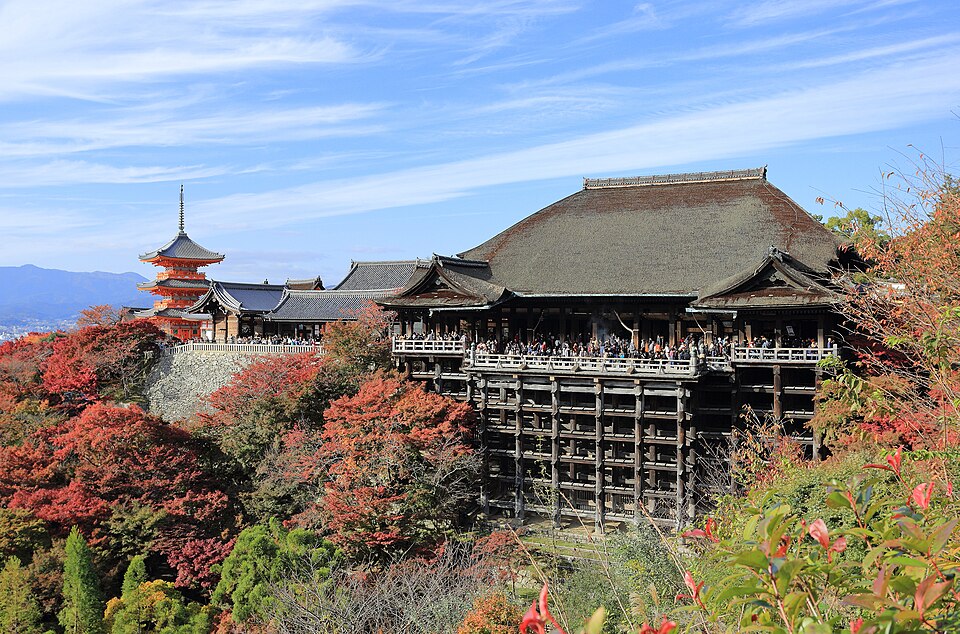
Kiyomizu-dera stands on the wooded slope of Mount Otowa at the eastern edge of Kyoto, above the Higashiyama district and roughly a kilometre uphill from the nearest bus stop. The temple traces itself back more than 1,250 years to a priest who found a spring welling out of the mountain; the water is still running, the temple is named for its clearness, and the whole complex is arranged around it rather than around a single monument. The principal image is an eleven-headed, thousand-armed Kannon, a hidden image kept in the innermost part of the Main Hall and shown only rarely. The temple's own words for it are plain: the eleven faces and forty-two arms of Kannon show great compassion, and people have long called the deity Kiyomizu Kannon-san. This matters for a visit, because Kiyomizu-dera is not a museum with a religious past. It opens at six in the morning, people come to pray before work, and the ladles at the waterfall and the incense in the Main Hall are in use, not on display. A visitor is welcome inside all of that and is asked to keep their voice down while they are in it. What most people picture — the great wooden stage jutting out over the hillside — is one building among about a dozen, and not the oldest thing here.
Checked 2026-08-26 · Source
The route through the grounds is essentially fixed, and the temple numbers it. Nio-mon, the main entrance, is a two-storey gate about ten metres wide and fourteen high, burnt down in a civil war in 1469, rebuilt around 1500 and taken apart and refurbished in 2003. Past it, Sai-mon, the west gate, dates from 1633 and faces the sunset; it has long been treated as a gateway to Paradise and used for Nissokan, a meditation practice of visualising the Pure Land. Zuigu-do Hall, built in 1735, holds the Daizuigu Bodhisattva as a hidden image and is where the Tainai-meguri walk through the dark sanctified space beneath the hall begins. The Main Hall of 1633 carries the stage on the cliff face, built by a traditional Japanese method of construction solid enough to carry it. Okuno-in, rebuilt at the same time, sits directly above the water and has its own stage; the view back at the Main Hall with the city behind it is taken from here. Otowa Waterfall itself falls in three separate streams, caught with long-handled ladles for purification. Jojuin, once the residence of the priest Gana and later the sub-temple that ran the temple's finances, has a Moon Garden opened to the public only for short periods each year.
Checked 2026-08-26 · Source

Ninety minutes inside the gate is a realistic figure for the standard circuit: Nio-mon, Sai-mon, the Main Hall and its stage, down to Okuno-in for the view back, then the descent to Otowa Waterfall and out. That assumes moving steadily, one queue at the waterfall, and no stop at Jojuin. Add half an hour if the Tainai-meguri walk under Zuigu-do is running, another twenty minutes if the Jojuin garden is in one of its open periods, and a good deal more in cherry blossom or autumn colour, when the stage itself becomes a slow-moving queue and the descent to the waterfall can take longer than everything above it. The approach is not included in that ninety minutes and should be. Kiyomizu-zaka from the Gojozaka or Kiyomizu-michi bus stops is a ten-minute walk uphill by the temple's own reckoning, and it is a shopping street rather than a path, so most people take twenty to thirty minutes in each direction and buy something on the way. A visitor arriving at six in the morning should also know that the amulet office and the goshuin desk open only from around eight, which is a reason to come back down through the grounds rather than leave by the shortest route.
Checked 2026-08-26 · Source
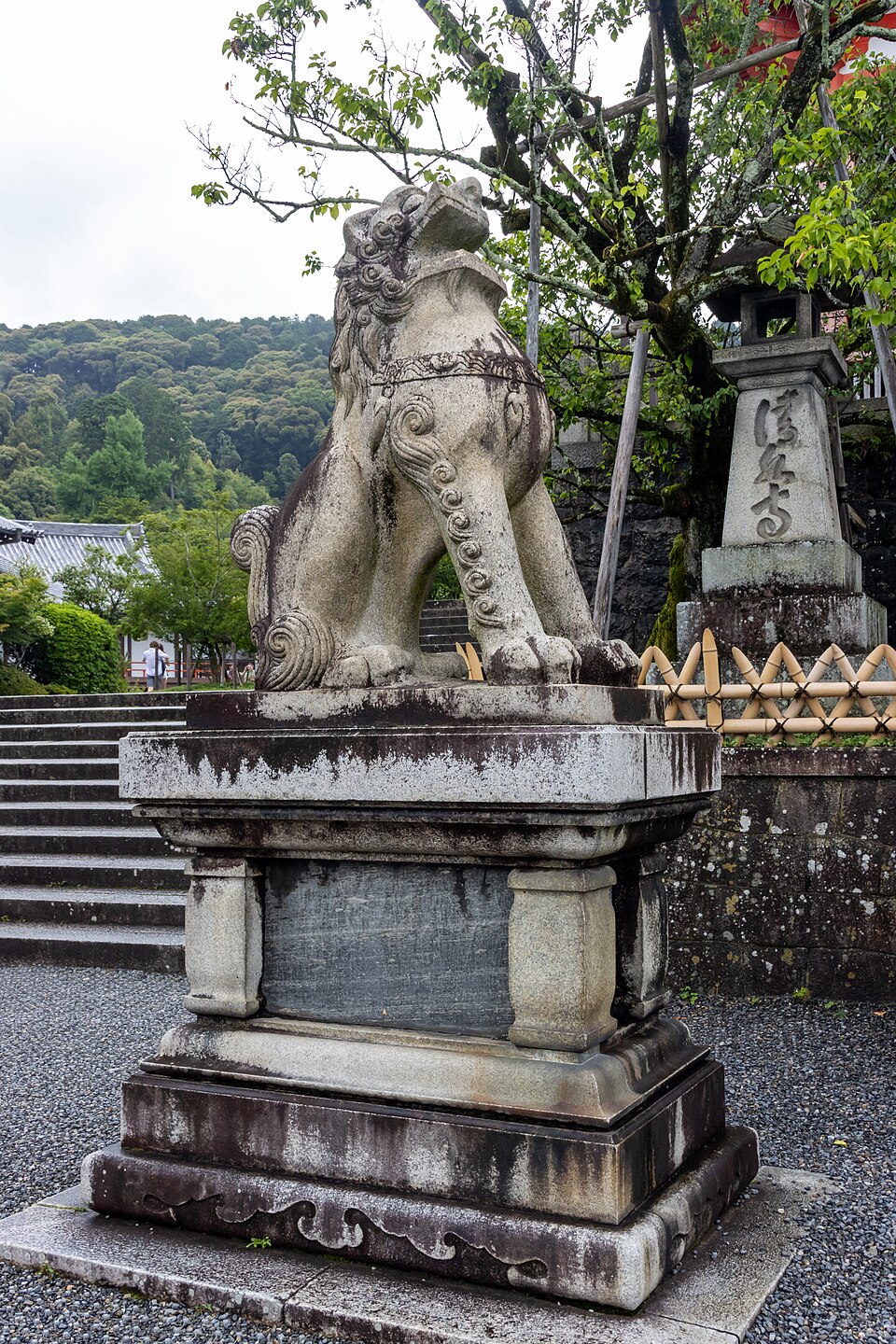
The gate opens at six every morning of the year, and that hour is the single most useful thing on this page. The temple has no closing day. Closing is seasonal: 18:00 from 1 January to 26 March, from 6 April to 30 June, from 1 September to 20 November and through December; 18:30 from 1 July to 13 August and from 17 to 31 August. Three periods extend to 21:30 with last entry at 21:00 — the spring night viewing from 27 March to 5 April, the summer one from 14 to 16 August alongside the Thousand-day Prayer, and the autumn one from 21 to 30 November. Those dates are set year by year, so they are 2026's and not a permanent calendar. The temple counts roughly 1,500 cherry trees and 1,000 trees that turn in autumn; it puts the blossom at late March to early April and the leaves at mid-November to early December, while saying plainly that the best days shift every year and pointing to its own news page for the current state. Both windows coincide with the night openings, which is deliberate and also why they are the most crowded days of the year. An ordinary weekday morning between seven and eight is the quietest the stage ever is.
Checked 2026-08-26 · Source
Kiyomizu-dera charges an admission fee, and the temple does not publish the amount anywhere on its own website — not on the visitor pages, not in the FAQ, and not on the Japanese access page that carries the opening-hours table. That figure is therefore left unrecorded here rather than copied from a booking site; expect to pay at the gate in cash and to see the current price posted there. What the temple does state about payment is who is exempt and who is not. There is no group discount of any kind. Teachers accompanying an official school event or excursion are admitted free on showing both identification and an itinerary that names them as the leader. A visitor holding a physical or intellectual disability handbook, pass or card is admitted free together with one companion on presenting the original document at the gate; a reduction can also be applied for in advance by return postcard, sent about two weeks ahead, and the reply postcard then serves as the permit on the day. Reservations do not exist for ordinary admission — nobody books a slot, and the gate simply takes whoever arrives. The New Year's Eve bell ringing on 31 December is the exception in the other direction: the temple states that it is not open to public reservation at all.
Checked 2026-08-26 · Source
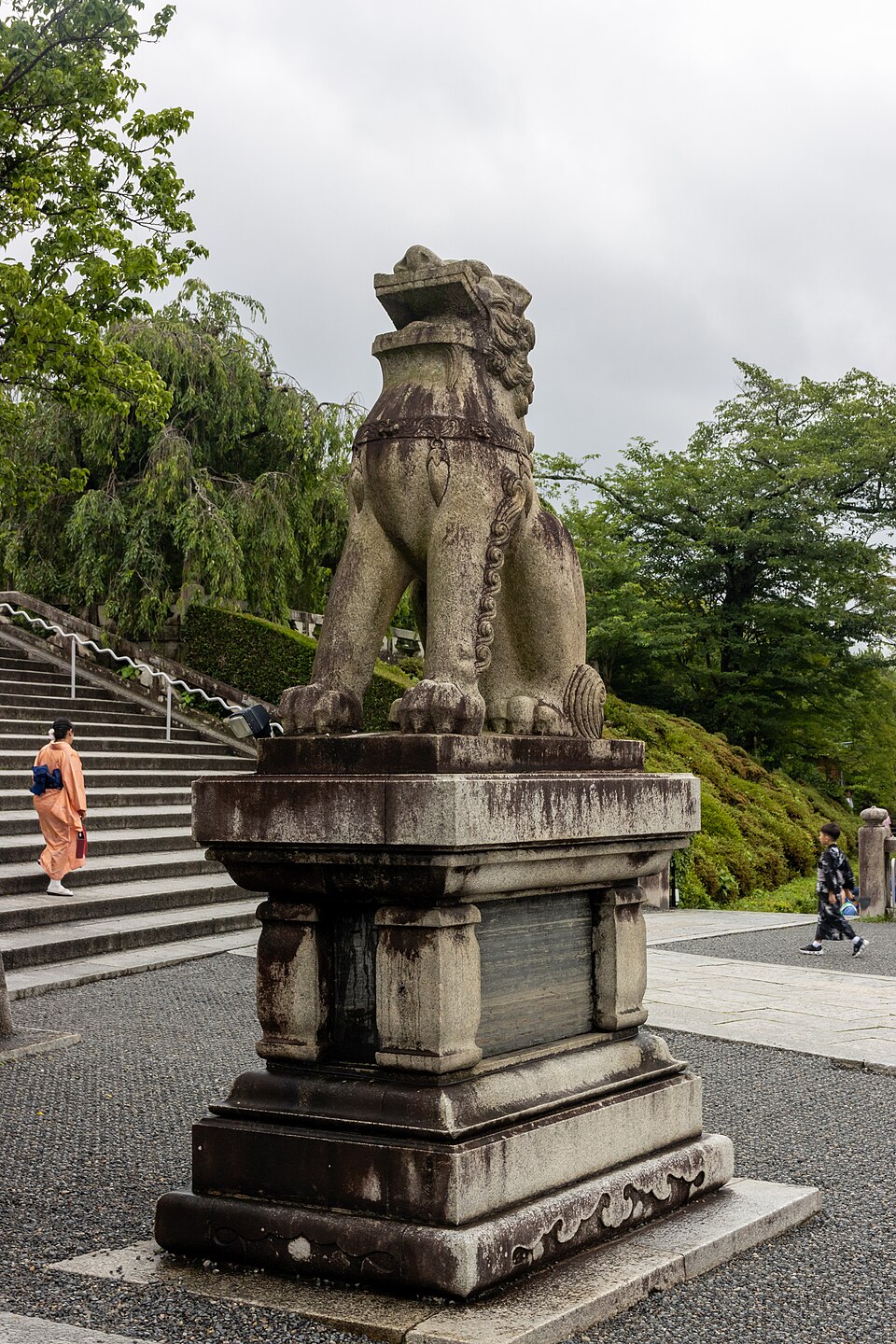
The address is 1-294 Kiyomizu, Higashiyama-ku, Kyoto, and no bus or train stops at the temple itself. From JR Kyoto Station, city bus 206 towards Kitaoji bus terminal or bus 100 towards Ginkaku-ji drops passengers at Gojozaka, ten minutes' walk east and uphill. From Hankyu Kyoto-Kawaramachi or Keihan Gion-Shijo, city bus 207 towards Tofukuji and Kujo-shako stops at Kiyomizu-michi, again about ten minutes on foot, and Keihan buses 83, 85, 87 and 88 use the same two stops. Keihan Kiyomizu-Gojo station is about twenty-five minutes' walk. Kyoto is two hours fifteen minutes from Tokyo by Shinkansen, and an hour and twenty from Kansai Airport on the Haruka express. A car is a mistake here. The temple has no car park at all, tells visitors to use city or temporary lots at the foot of the approach, warns that all of them jam in the busy seasons, and recommends public transport or a taxi outright. The street in front of the main gate is closed to traffic from 8:00 to 19:00. The temple also warns that mapping applications, Google Maps included, route people to places from which the grounds cannot be entered: there are only two ways in, up Kiyomizu-zaka to Nio-mon or up Chawan-zaka to the emergency road entrance.
Checked 2026-08-26 · Source
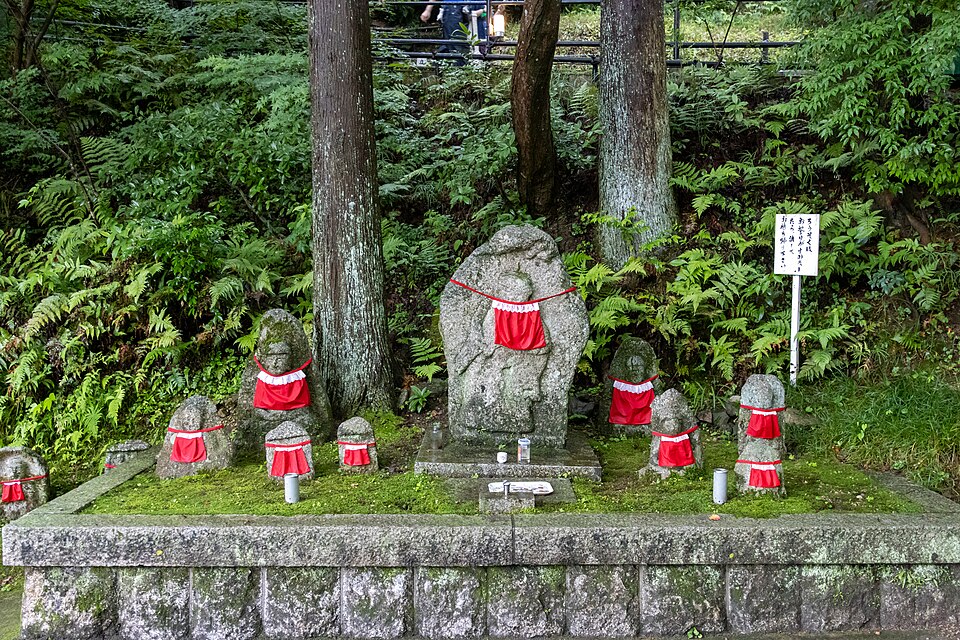
This is an active place of prayer and the temple asks visitors to lower their voices on the grounds. Smoking is prohibited everywhere, with no designated area anywhere inside. Eating and drinking while walking around is asked against — food belongs in the tea houses and cafes — and all rubbish, bottles and cans included, is carried out rather than left. Pets are not permitted beyond the gate; service dogs, guide dogs and hearing dogs are. Picnicking and standing about for group photographs in a way that blocks other people are both named as things not to do, and staff will speak to anyone who does, with a request to leave if it continues. Off-limits areas, including the shrubbery and the gardens, are not to be entered. Physically, the approach and the grounds are a hillside: the walk up from the bus stops is a continuous slope, and there are steps within the complex. Accessibility is better than the terrain suggests. Every public area is reachable by step-free barrier-free routes, wheelchair-accessible toilets are spread through the grounds, and a vehicle may enter from the emergency road entrance at the top of Chawan-zaka to reach the Main Hall directly. The temple does not lend wheelchairs, so one has to be brought. A map for wheelchair users is available at the Todoroki-mon gate and as a download.
Checked 2026-08-26 · Source
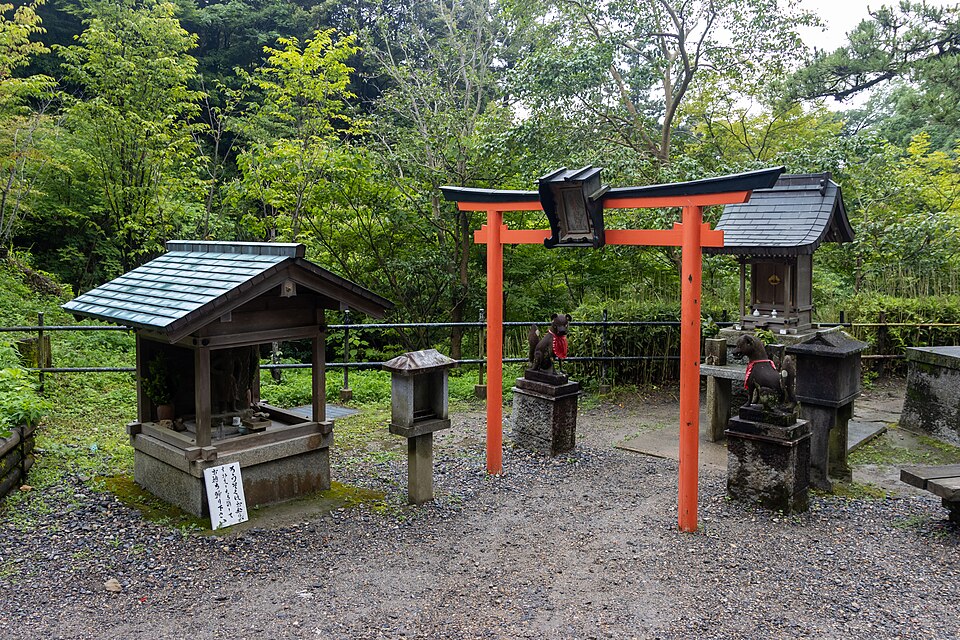
The temple's photography rules are specific and worth reading before arriving with equipment. Drones, tripods and monopods are all prohibited outright. Photography for weddings, for cosplay, and fashion sessions using models are forbidden. Recording for commercial purposes is not allowed on the grounds, and that explicitly extends to photographing or filming the temple buildings as a background without permission. Group photographs for school excursions and tour parties are allowed only in designated areas, and the accompanying photographer or teacher must ask permission in advance at the photo room in front of the Nio-mon gate. Hand-held photography of the ordinary kind is not restricted. Given all that, the useful advice is about position and light rather than gear. The stage cannot be photographed from itself; the picture of the Main Hall hanging over the hillside is taken from Okuno-in, further along the circuit and above the waterfall, with the city in the distance behind it. Sai-mon faces the sunset and has done so as a matter of doctrine for centuries, which makes the last hour before an 18:00 closing the strongest light on the west side of the grounds. Early morning is the only time the stage is empty enough to photograph without people, and the three night-viewing periods light the buildings and the hillside after dark until 21:30.
Checked 2026-08-26 · Source
The gate opens at 6:00 every day of the year and the temple has no closing day. Closing is seasonal: 18:00 from 1 January to 26 March, 6 April to 30 June, 1 September to 20 November and through December, and 18:30 from 1 July to 13 August and 17 to 31 August. During the three night viewing periods the temple stays open until 21:30 with last entry at 21:00. There is no midday break. The amulet office and the goshuin desk open from around 8:00.
There is an admission fee, but the temple does not publish the amount on its own website, so no figure is recorded here rather than one taken from a third-party listing. The price is posted at the gate. The temple does state that no group discount is offered, that teachers leading an official school event enter free on showing identification and an itinerary, and that a holder of a disability handbook, pass or card enters free with one companion on presenting the original document.
Allow about ninety minutes inside the gate for the standard circuit — Nio-mon, Sai-mon, the Main Hall and its stage, Okuno-in, and the descent to Otowa Waterfall. Add half an hour for the Tainai-meguri walk beneath Zuigu-do, twenty minutes for the Jojuin garden when it is open, and more in cherry blossom or autumn colour, when the stage becomes a queue. The uphill approach from the bus stops is another twenty to thirty minutes each way.
No. The temple states that it has no car park on its grounds and recommends public transport or a taxi outright. City-run and temporary private car parks exist near the temple and at the foot of the approach, and the temple warns that all of them tend to be jammed in the busy seasons. The street in front of the main gate is closed to traffic from 8:00 to 19:00. Bicycles may not be ridden or parked on the grounds except at one small rack by the toilet at the emergency road entrance at the top of Chawan-zaka.
Yes. The temple states that every public area is reachable by step-free, barrier-free routes, that wheelchair-accessible toilets are located throughout the grounds, and that a vehicle may enter from the emergency road entrance at the top of Chawan-zaka to reach the vicinity of the Main Hall. The same routes serve pushchairs, and nappies can be changed in the accessible toilets. A map for wheelchair users is available at the Todoroki-mon gate. Wheelchairs cannot be borrowed at the temple.
In 2026 the temple opens after dark from 27 March to 5 April, from 14 to 16 August alongside the Thousand-day Prayer, and from 21 to 30 November, each until 21:30 with last entry at 21:00. These periods change from year to year. The temple counts roughly 1,500 cherry trees and 1,000 trees that colour in autumn, putting the blossom at late March to early April and the leaves at mid-November to early December, while noting that the best days vary annually and pointing to its own news page for current conditions.
Loading the interactive map…
The interactive map could not be loaded.
Last updated:
Source: OpenStreetMap contributors, Wikidata ·