
.jpg)


1 min walk · Stari Grad
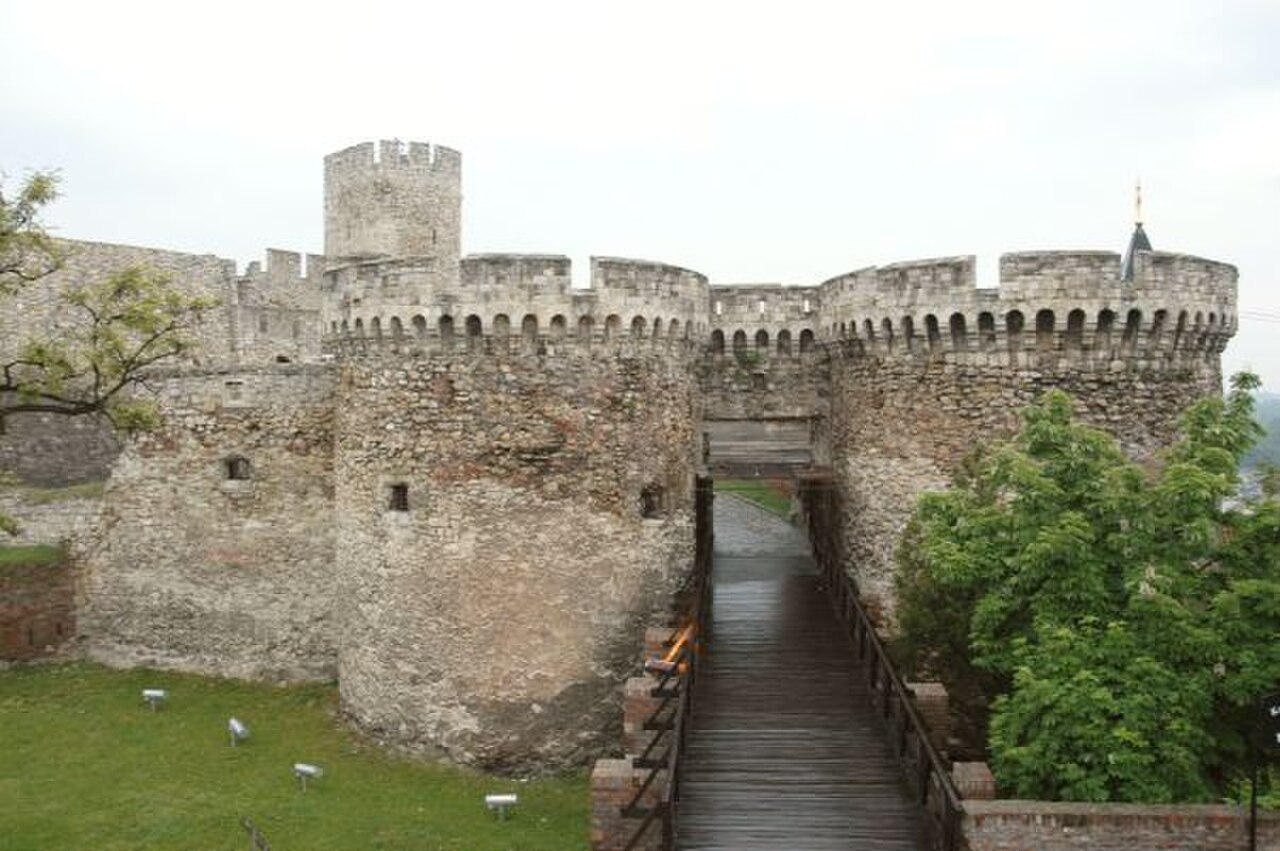
Zindan Gate
- High
- Historic monument
Language · 11 published
Place of worship · Belgrade
Reviewed by Elena Voss · SSMTour Travel Editor

Read from the OpenStreetMap access tags; anything not listed has no tag recorded.
Set the group type to family in the planner and the day window contracts to about three quarters of a solo day.
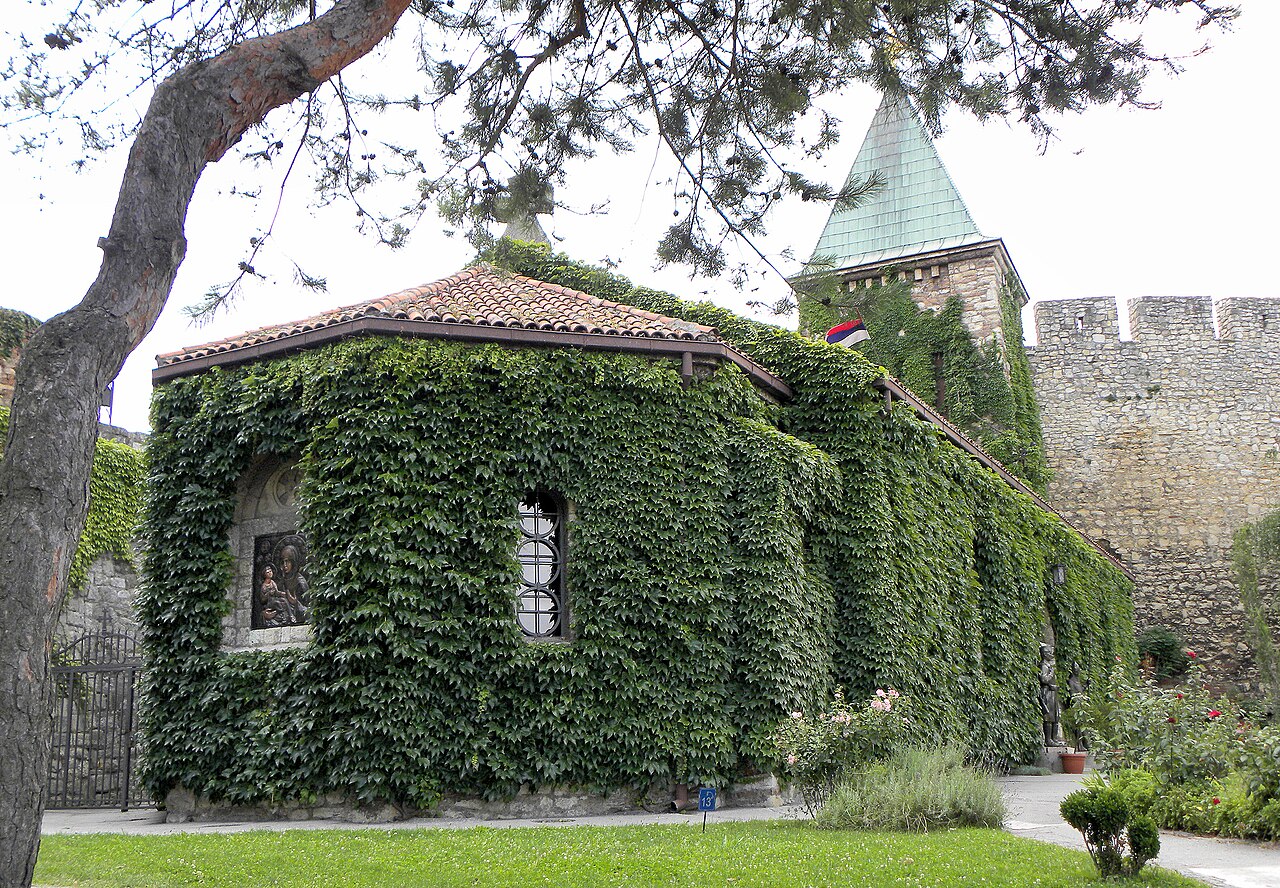
Ružica Church is a Serbian Orthodox church situated within Belgrade Fortress, the historic citadel overlooking the confluence of the Sava and Danube rivers. The church occupies a position inside the fortress grounds, distinct from the open-air fortification walls and separate from the ticketed Military Museum complex. It stands as an independently entered religious site within the larger fortified area. The church has historical significance tied to the military and spiritual life of the fortress. Monday–Saturday: Vespers at 17:00. Monday–Saturday: Vespers at 17:00. Sunday: Matins at 08:30, Divine Liturgy at 09:30 and Vespers at 17:00. On red-letter feast days, Divine Liturgy begins at 09:30.
Checked 2026-08-31 · Source
The interior of Ružica Church contains notable decorative elements that distinguish it from typical Orthodox church furnishings. The church features chandeliers constructed from spent bullet casings and other military materials, reflecting its historical connection to the fortress's military function. These unusual fixtures represent a distinctive artistic and commemorative choice. The church contains standard Orthodox religious iconography and furnishings appropriate to its function as a place of worship. The church operator publishes worship times rather than a separate sightseeing span. The church operator publishes worship times rather than a separate sightseeing span. Services are listed on all seven days, with no weekly closure day.
Checked 2026-08-31 · Source

A visit to Ružica Church typically requires a modest time commitment within the broader context of exploring Belgrade Fortress. Most visitors will spend approximately fifteen to thirty minutes inside the church, depending on personal interest in religious architecture and the distinctive interior features. The church forms one component of a larger fortress visit that commonly spans several hours. Visitors should anticipate that the church may be closed during religious services, which would extend the total site time if one chooses to wait. Free entry. Ružica Church is absent from the responsible fortress authority’s list of ticketed attractions; the church operator accepts voluntary donations for restoration.
Checked 2026-08-31 · Source
Visitors should verify current opening times through official channels before planning a visit. The church functions as an active place of worship, meaning services and religious observances take priority over tourist access. The fortress grounds themselves are generally accessible during daylight hours throughout the year. Monday–Saturday: Vespers at 17:00. Monday–Saturday: Vespers at 17:00. Sunday: Matins at 08:30, Divine Liturgy at 09:30 and Vespers at 17:00. On red-letter feast days, Divine Liturgy begins at 09:30. The documented accessible approach from Mali Kalemegdan reaches Zindan Gate over a cobblestone path and wooden bridge.
Checked 2026-08-31 · Source
The Military Museum within the fortress complex requires separate paid admission, but the church itself stands as an independently accessed place of worship. Donations may be customary or requested for church maintenance. Any change in admission policy would need confirmation from official sources. Free entry. Free entry. Ružica Church is absent from the responsible fortress authority’s list of ticketed attractions; the church operator accepts voluntary donations for restoration. The documented accessible approach from Mali Kalemegdan reaches Zindan Gate over a cobblestone path and wooden bridge. Ružica Church lies farther down the fortress slope in the Eastern Lower Town, immediately below the Zindan Gate area.
Checked 2026-08-31 · Source
Ružica Church is reached through the Belgrade Fortress complex in the city center. The fortress occupies a prominent position above the Sava-Danube confluence, accessible by foot from central Belgrade locations including Knez Mihailova pedestrian street. Signage within Kalemegdan Park indicates directions to major features. Take tram 2 or 11 to the named Kalemegdanski park stop. Enter Belgrade Fortress, continue toward Zindan Gate, then follow the descending path into the Eastern Lower Town; Ružica Church stands on the slope beside the gate area. The final section is on foot over historic fortress surfaces.
Checked 2026-08-31 · Source
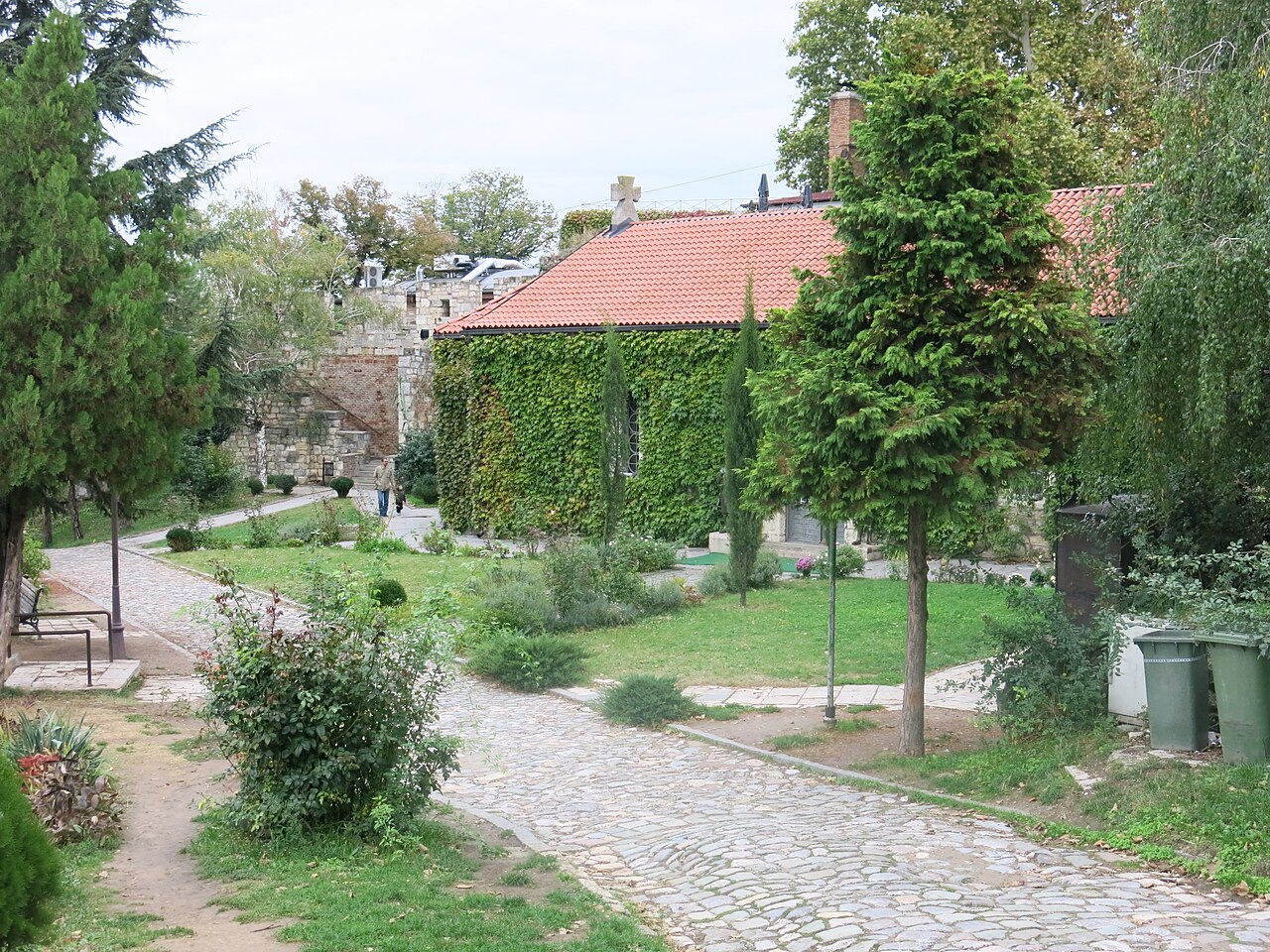
Visitors must respect the church's primary function as an active place of worship rather than solely a tourist attraction. Appropriate dress covering shoulders and knees is expected for Orthodox church entry. Photography restrictions may apply during services or at any time depending on current church policy. The church's compact interior means crowding occurs quickly when multiple visitors arrive simultaneously. The documented accessible approach from Mali Kalemegdan reaches Zindan Gate over a cobblestone path and wooden bridge. Uneven cobblestones and the sloping final approach can present difficulties for wheelchair users and visitors with limited mobility.
Checked 2026-08-31 · Source

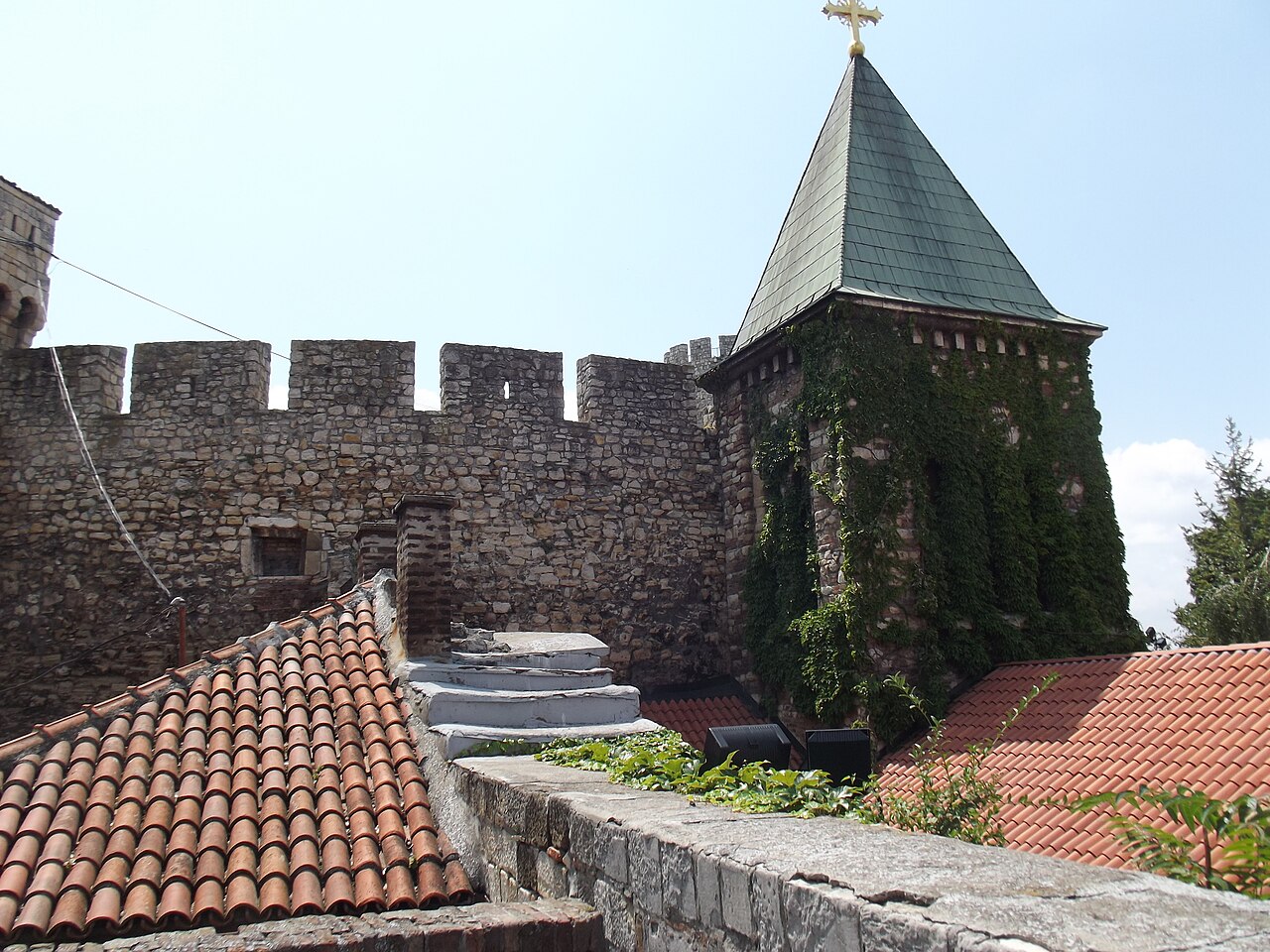
Photography inside Ružica Church may be permitted but visitors should observe any posted restrictions or guidance from church attendants. The distinctive bullet-case chandeliers represent the primary photographic subject of interest. Flash photography may be restricted to protect interior elements and maintain appropriate atmosphere. The church's modest dimensions and window placement create specific lighting conditions that affect image quality. Exterior photography captures the church within its fortress context. The church is dedicated to the Nativity of the Most Holy Mother of God. It was an Austrian gunpowder magazine that was converted into a military church in 1867.
Checked 2026-08-31 · Source
The church is dedicated to the Nativity of the Most Holy Mother of God.
It was an Austrian gunpowder magazine that was converted into a military church in 1867.
Ružica served as a military church, and its large chandeliers and other fittings were made from rifle and revolver bullets, artillery-shell casings and sabres.
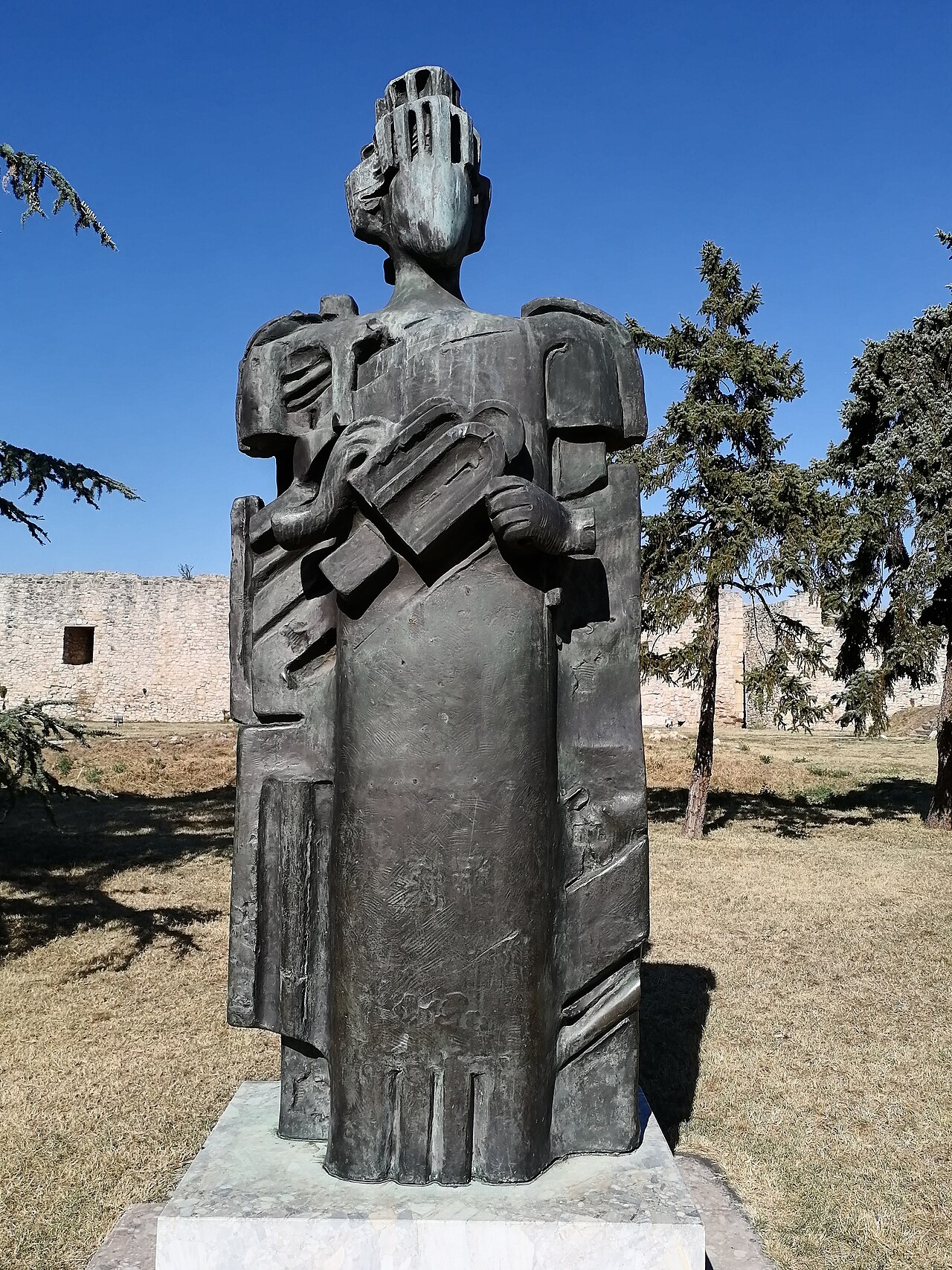
The two bronze figures represent a medieval Serbian warrior and a Serbian soldier from the First World War; they were installed in 1924.
Kosta Todorović carved the gilded wooden iconostasis, Hieromonk Rafailo Momčilović painted its icons, and Russian émigré Andrei Bitsenko painted the church interior in 1938.
The church operator identifies relics of the hieromartyrs Eleftherius and Charalambos inside the church.
Loading the interactive map…
The interactive map could not be loaded.

Last updated:
Source: OpenStreetMap contributors ·