11 min walk
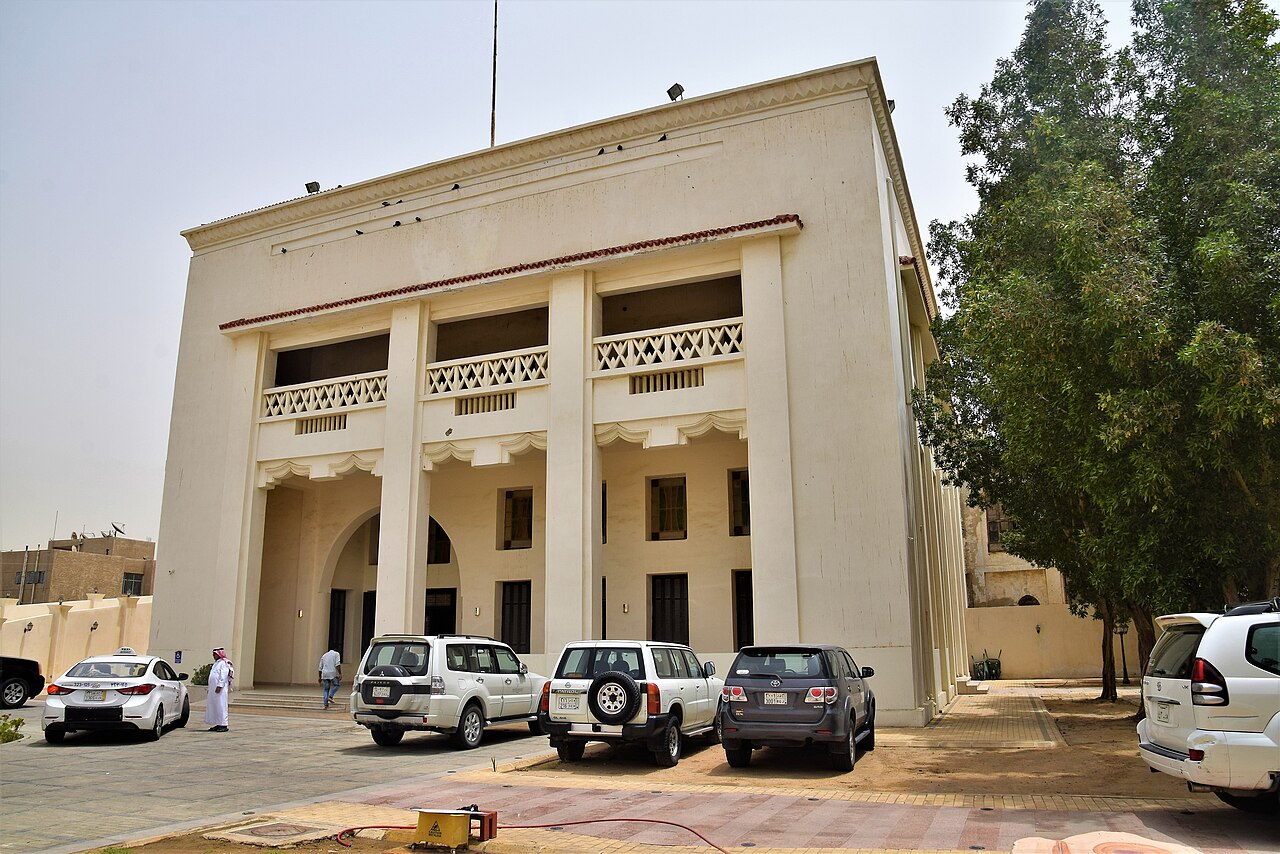
Jeddah Regional Museum of Archaeology and Ethnography
- Must see
- Museum
Language · 11 published
Historic monument · Jeddah
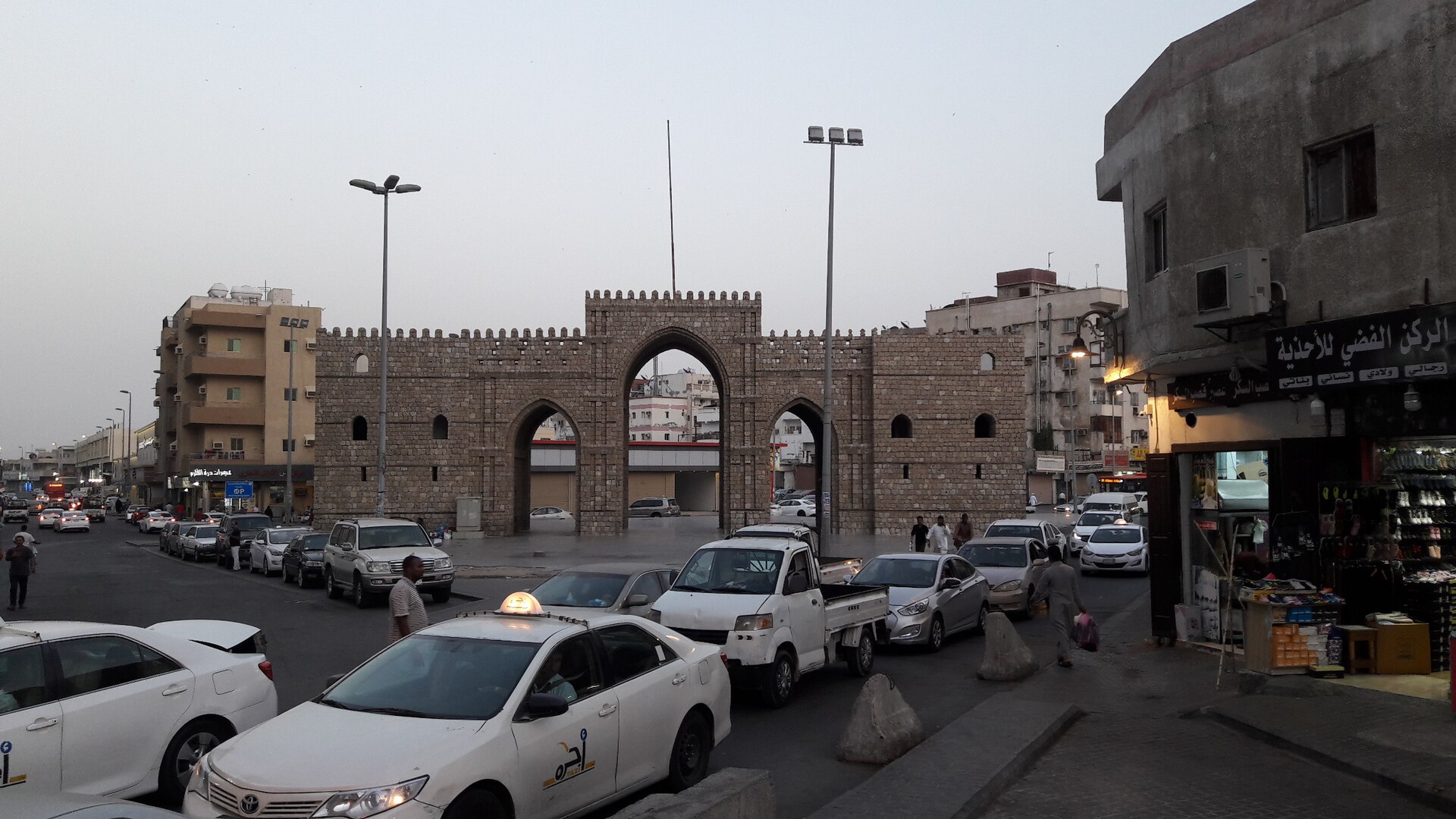
Khuzam Palace Main Gate stands as a surviving palace landmark in Jeddah, representing an era of architectural heritage that has endured amid rapid urban transformation. The gate serves as a physical reminder of the Khuzam Palace, which once held significance in the city's historical landscape. Visitors encounter this structure where a palace entry once stood, now distinguished from the commercial mall entrances that dominate contemporary Jeddah. The preservation of this gate reflects broader efforts to maintain tangible connections to the city's past. Its presence offers a counterpoint to modern development, allowing observers to consider the layers of history embedded in this specific location.
Checked 2026-08-26 · Source
The main gate itself constitutes the primary feature of interest, serving as an architectural fragment that speaks to former palace grounds. Visitors should not expect extensive interior access or reconstructed palace rooms. The surrounding area has undergone significant transformation, with commercial development altering the original context. What remains is the gate structure, which may include decorative elements typical of historical Saudi Arabian palace architecture. The experience centers on appreciating this surviving element rather than exploring a comprehensive heritage site. Contextual interpretation depends largely on visitor observation and any available signage or local knowledge that might illuminate the gate's former significance.
Checked 2026-08-26 · Source
A visit to Khuzam Palace Main Gate requires minimal time commitment, typically ranging from fifteen to thirty minutes for observation and photography. The site functions as a point of interest rather than an immersive destination demanding extended engagement. Travelers incorporating this stop into broader Jeddah itineraries should allocate time proportionally, treating it as a brief cultural punctuation amid other activities. Those with particular interest in architectural heritage or urban transformation may linger longer, contemplating the gate's significance. The brevity of visit suits travelers seeking to sample multiple historical markers across the city without dedicating substantial portions of their day to any single location.
Checked 2026-08-26 · Source
Visitors should verify accessibility before planning a specific visit, as the gate's status as a surviving structure within a transformed urban environment raises questions about managed access. Seasonal considerations for Jeddah include summer temperatures that may affect comfort during outdoor observation. Evening visits might offer different atmospheric conditions but depend on whether the area remains accessible after dark. Travelers are advised to seek current local information regarding any restrictions or preferred visiting times.
Checked 2026-08-26 · Source
The gate's status as a surviving architectural fragment in a redeveloped area suggests that access may not involve formal ticketing arrangements. If the gate stands in publicly accessible space, observation may incur no direct cost. Any adjacent commercial developments operate independently. Travelers encountering requests for payment should exercise appropriate caution and seek clarification about what services or access such charges represent. The absence of confirmed pricing information necessitates preparedness for various scenarios, including free external observation or potential fees if management structures have been established.
Checked 2026-08-26 · Source
Khuzam Palace Main Gate occupies a location in Jeddah where historical and contemporary urban fabrics intersect. Visitors familiar with Jeddah's geography may reference the general area historically associated with Khuzam Palace. Public transportation options in Jeddah include taxis and ride-hailing services, which offer practical access for travelers without private vehicles. Specific route guidance depends on departure points within the city. The surrounding redevelopment into commercial use means that recognizable landmarks may have shifted. Travelers should consult current mapping resources and local directions, as wayfinding to historical markers in rapidly changing urban environments can present challenges not reflected in older reference materials.
Checked 2026-08-26 · Source
The transformed surroundings of Khuzam Palace Main Gate require visitor awareness. Traffic patterns near commercial developments demand caution when approaching or photographing the gate. The juxtaposition of historical remnant and modern construction creates an environment where the gate might be overlooked amid visual clutter. Visitors should respect any boundaries between public observation areas and private commercial spaces. The structural condition of a surviving gate fragment warrants sensible distance rather than physical interaction. Local customs regarding photography in Saudi Arabia apply, particularly if individuals or adjacent commercial activities appear in framing. Heat exposure during outdoor observation necessitates appropriate hydration and sun protection throughout the visit.
Checked 2026-08-26 · Source
Photography of Khuzam Palace Main Gate offers opportunities to document architectural heritage amid urban transformation. The gate's survival against changed surroundings provides compositional interest for those capturing Jeddah's evolving cityscape. Daylight conditions affect visibility of architectural details. Visitors should remain attentive to surroundings when positioning for shots, given traffic and commercial activity. Respectful practice includes avoiding intrusive angles toward adjacent businesses or individuals. The contrast between historical gate and contemporary development may yield compelling images illustrating preservation challenges. Equipment needs remain minimal given the site's scale. Multiple visits at different times could produce varied lighting conditions, though accessibility constraints may limit such options for travelers with fixed itineraries.
Checked 2026-08-26 · Source
No. The main gate survives as a standalone landmark amid transformed surroundings. Extensive palace interiors are not accessible through this remnant.
Visitors should expect self-directed observation.
Unclear. The gate's function as a surviving architectural fragment in a redeveloped area suggests it may not serve as an operational entry point. Physical access through the structure is not confirmed.
The brief duration and minimal physical demands suit varied ages, though surrounding commercial traffic requires vigilance. No specific facilities are recorded.
The gate itself offers no amenities. Adjacent commercial developments may provide such services independently.
The gate represents preserved palace heritage, contrasting with multiple commercial mall entrances that characterize the redeveloped area, offering historical substance amid contemporary retail architecture.
Loading the interactive map…
The interactive map could not be loaded.

Last updated:
Source: OpenStreetMap contributors ·