
4 min walk
Souq Qabil
- Must see
- Historic monument
Language · 11 published
Historic monument · Jeddah
جدة التاريخية
| Monday | 00:00 – 23:59 |
|---|---|
| Tuesday | 00:00 – 23:59 |
| Wednesday | 00:00 – 23:59 |
| Thursday | 00:00 – 23:59 |
| Friday | 00:00 – 23:59 |
| Saturday | 00:00 – 23:59 |
| Sunday | 00:00 – 23:59 |
Checked 2026-08-31 · Source
Read from the OpenStreetMap access tags; anything not listed has no tag recorded.
Set the group type to family in the planner and the day window contracts to about three quarters of a solo day.
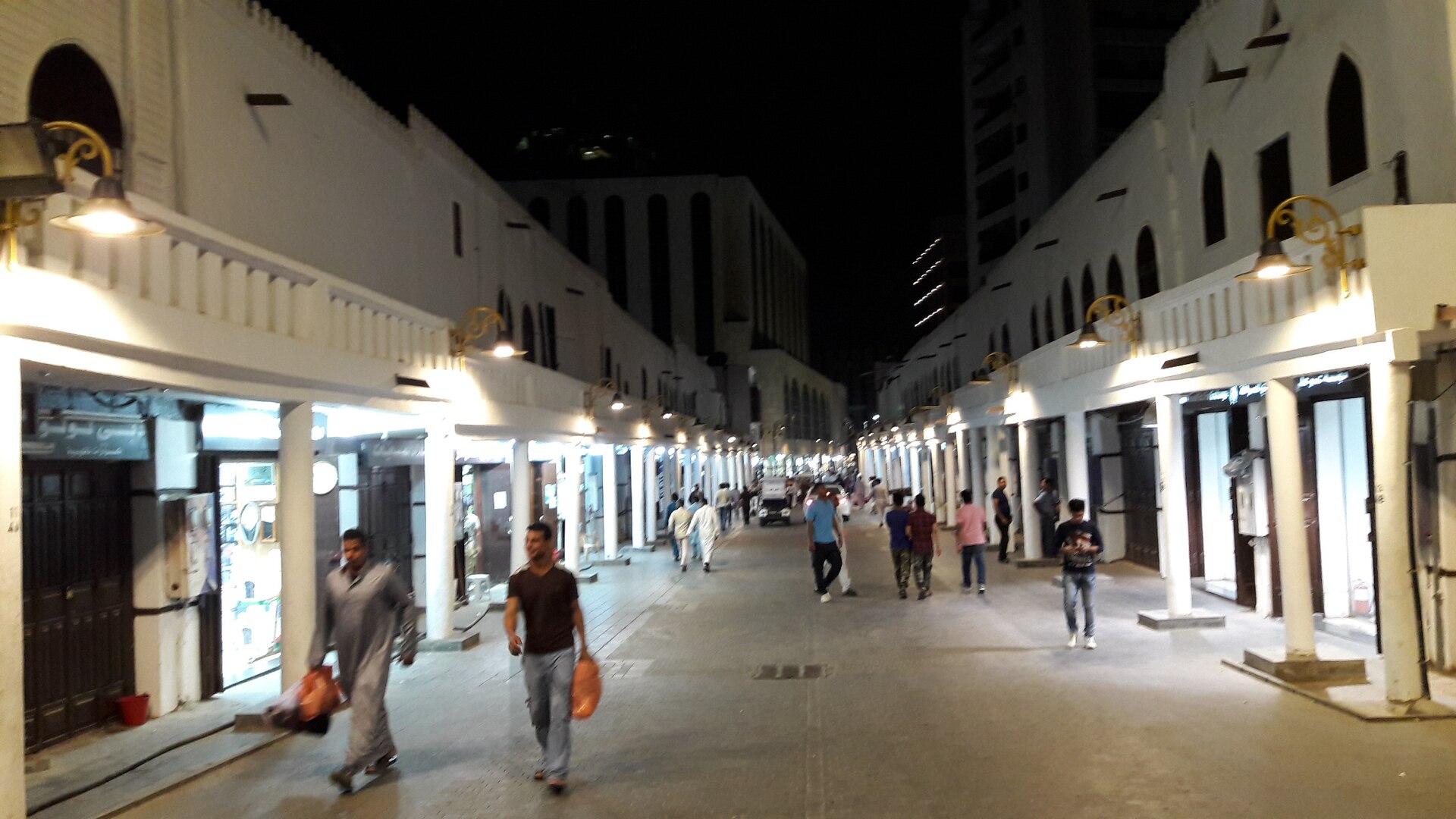
Al-Balad is Historic Jeddah, the old port district beside the Red Sea and a UNESCO World Heritage Site. The official Jeddah Historic District programme describes a 2. 5-square-kilometre area whose streets, houses, mosques and markets record Jeddah's role as a trading gateway. Treat Al-Balad as a walkable district rather than a single building: individual house museums, mosques and souqs within it may have their own entrance rules. The most useful first orientation is to notice the dense street pattern and coral-built facades before choosing any individual stop.
Checked 2026-08-31 · Source
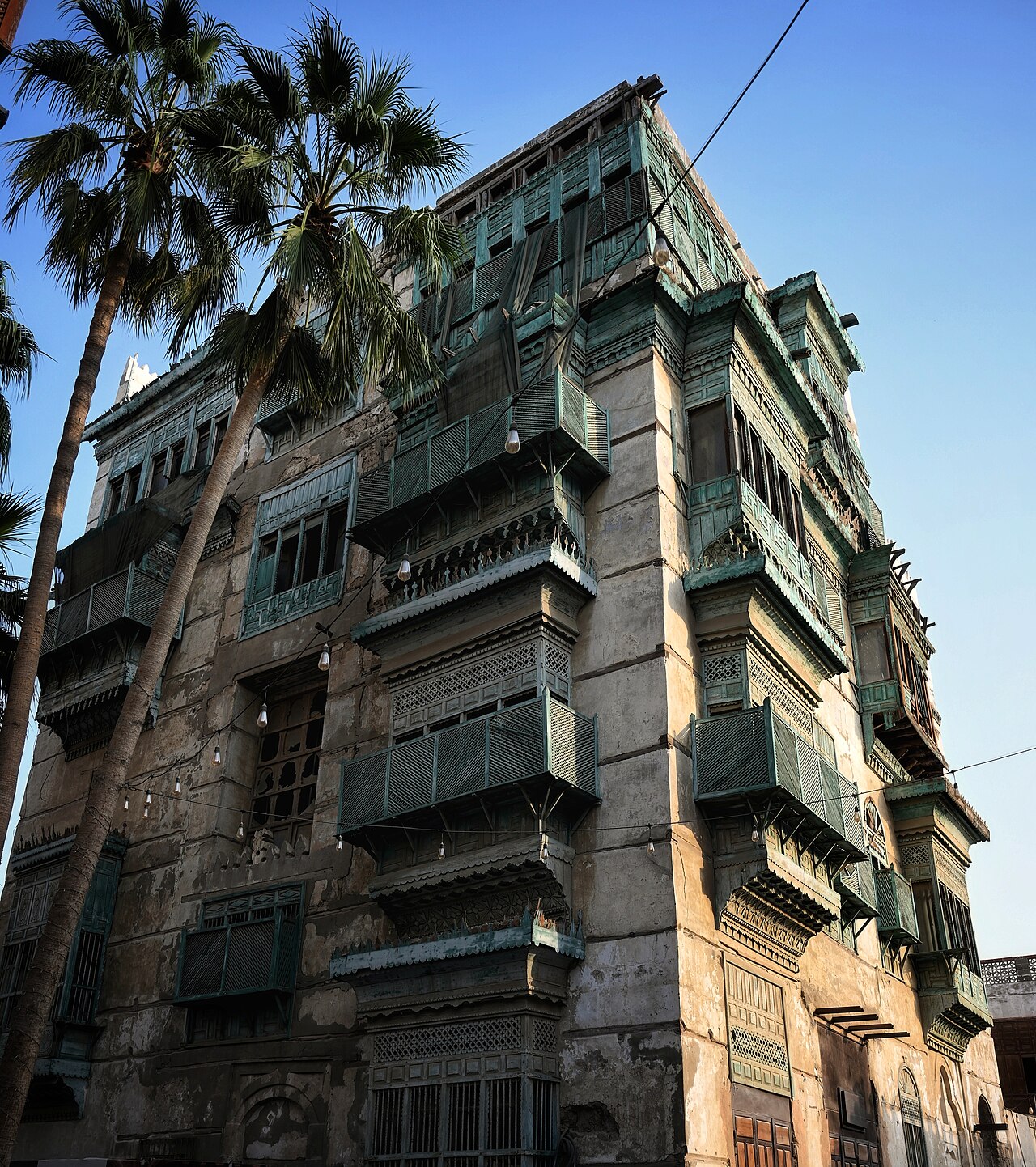
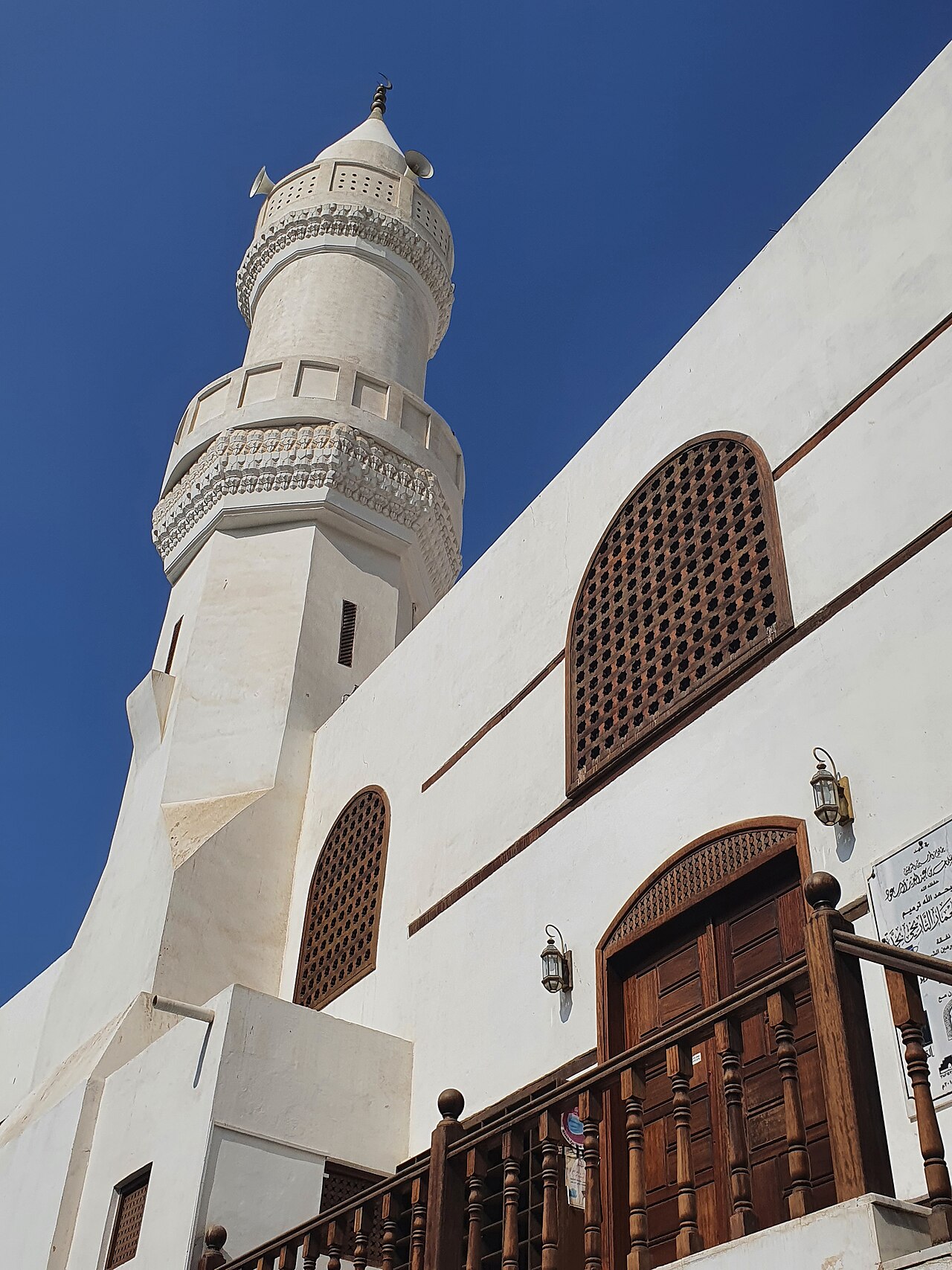
The official district programme records five historic markets, more than 650 historic buildings and more than 36 historic mosques across Al-Balad. This is a setting for looking at urban fabric as much as collecting landmarks: wooden roshan balconies, narrow lanes and mercantile houses are the recurring visual language. The Mosque of Uthman ibn Affan and Al-Shafi'i Mosque are named by the programme, but they remain active religious places rather than museum rooms. Shops, homes, restoration work and separately managed cultural venues share the same streets, so access varies from door to door.
Checked 2026-08-31 · Source
Allow two to three hours for a first walk through Al-Balad, without trying to enter every heritage building. That allowance covers a slow circuit of the markets and lanes, pauses for façades and time to find the next clearly public route. Add separate time only after confirming access for a specific house museum, mosque or exhibition venue; this district-level guide does not treat those as included. Al-Balad is compact on a map but rewards detours and can be crowded around active commercial streets, so a short visit works best when limited to one coherent area.
Checked 2026-08-31 · Source
Daily, 24 hours Historic Jeddah is an open urban district with no district-wide closure day. Museums, heritage houses, mosques, shops, tours and events inside it keep their own schedules. Go when walking outdoors is comfortable and leave flexibility for the atmosphere of an active market district. Check the Jeddah Historic District programme and the official pages of any individual venue before travelling, especially if a house museum or event is the reason for the visit. An early or later walk can make façades easier to observe, but that is itinerary guidance, not a promised opening period.
Checked 2026-08-31 · Source
Free general entry; no ticket is required to enter Historic Jeddah itself. Guided tours and individual attractions may charge separately. Confirm any charge, reservation requirement and included spaces with the named operator of the individual venue before paying. The official district page establishes the scale and heritage character of Al-Balad but does not provide a single visitor ticket for the whole 2. 5-square-kilometre area. Travellers should also avoid treating a tour listing as evidence that walk-in access or a particular building entry is included.
Checked 2026-08-31 · Source
The official visitor page names a 24/7 Airport & Bus Rapid Transit service from King Abdulaziz International Airport; the trip takes about 35 minutes and costs SAR 20. It also gives approximate arrivals of a 17-minute drive from AlSulaymaniyah Station on the Haramain Railway, a 40-minute drive from the airport, and a 7-minute walk from the SAPTCO Bus Stop. Set navigation for Historic Jeddah or a specific confirmed venue within Al-Balad, then continue on foot through the district. A broad district pin is less useful than a named gate, market or house when a timed visit matters. Leave a buffer for the final walk and keep the route flexible: lanes may lead through commercial activity, restoration areas or places where respectful passage matters. Individual venues should provide their own arrival instructions where they accept visitors.
Checked 2026-08-31 · Source
The district’s official visitor page says golf carts are available for tours within Historic Jeddah. A Visit Saudi-listed Al-Balad tour is marked wheelchair- and stroller-accessible, with wheelchair-accessible transportation. Accessibility varies by route and interior: other official Visit Saudi listings involving historic alleys and buildings are marked not wheelchair-accessible, so step-free access should not be assumed for every heritage house, mosque, museum or shop. Al-Balad is a living religious and commercial district, not an open-air set. Dress and behave respectfully around mosques, do not block shopfronts or residents' entrances, and follow any access control at restored buildings. Keep valuables secure in busy markets, take care on uneven lanes and avoid entering private or work areas for a shortcut. The main practical mistake is confusing a visible historic doorway with public admission.
Checked 2026-08-31 · Source
Photograph Al-Balad as an inhabited historic district: wide views establish the relationship between the lanes and coral-built houses, while roshan balconies and carved details make strong close studies. Do not photograph people, worshippers, shop interiors or private homes without consent, and never cross a barrier for an angle. Keep equipment compact in narrow lanes and yield to daily commerce, worship and residents before taking another frame.
Checked 2026-08-31 · Source
It was inscribed in 2014 under criteria (ii), (iv) and (vi).
The Jeddah Historic District Program describes a 2.5-square-kilometre area containing five historic markets, more than 650 historic buildings and more than 36 historic mosques.
From the seventh century, Jeddah served as a major Indian Ocean trading port and the arrival gateway for Muslim pilgrims travelling by sea to Makkah.
The district combines coral-stone buildings, mosques, souqs and late-19th-century tower houses whose façades feature large carved wooden rawasheen.
The authority identifies Uthman ibn Affan Mosque as more than 1,400 years old and dates the minaret of Al-Shafi’i Mosque to the seventh Hijri century.
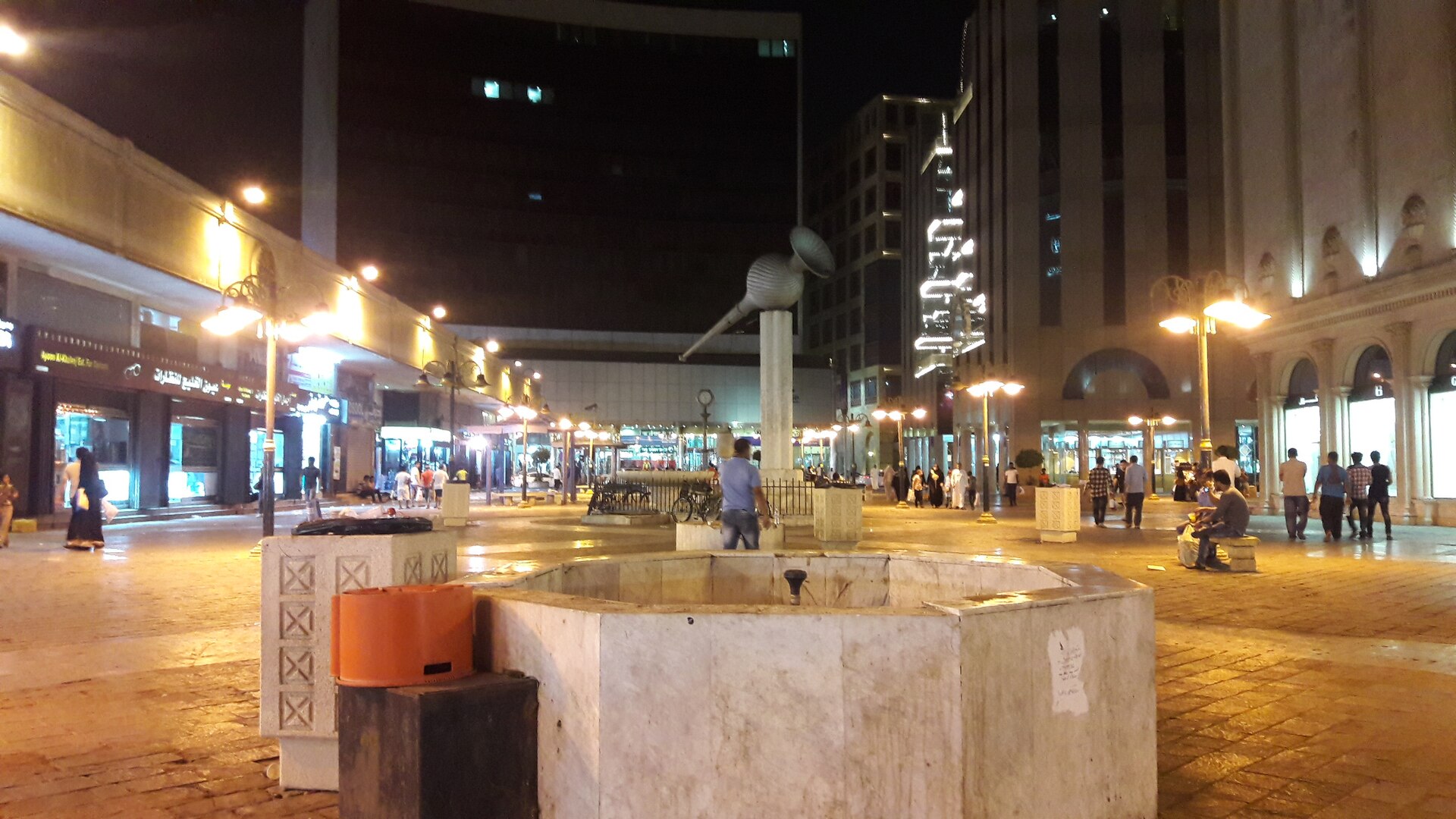
It remains a living residential and commercial district with active mosques, traditional souqs, cafés, restaurants, shops and street-food vendors.
Loading the interactive map…
The interactive map could not be loaded.
Last updated:
Source: OpenStreetMap contributors, Wikidata ·