
5 min walk
Presidential Museum and Library
- Must see
- Museum
Language · 11 published
Historic monument · Manila
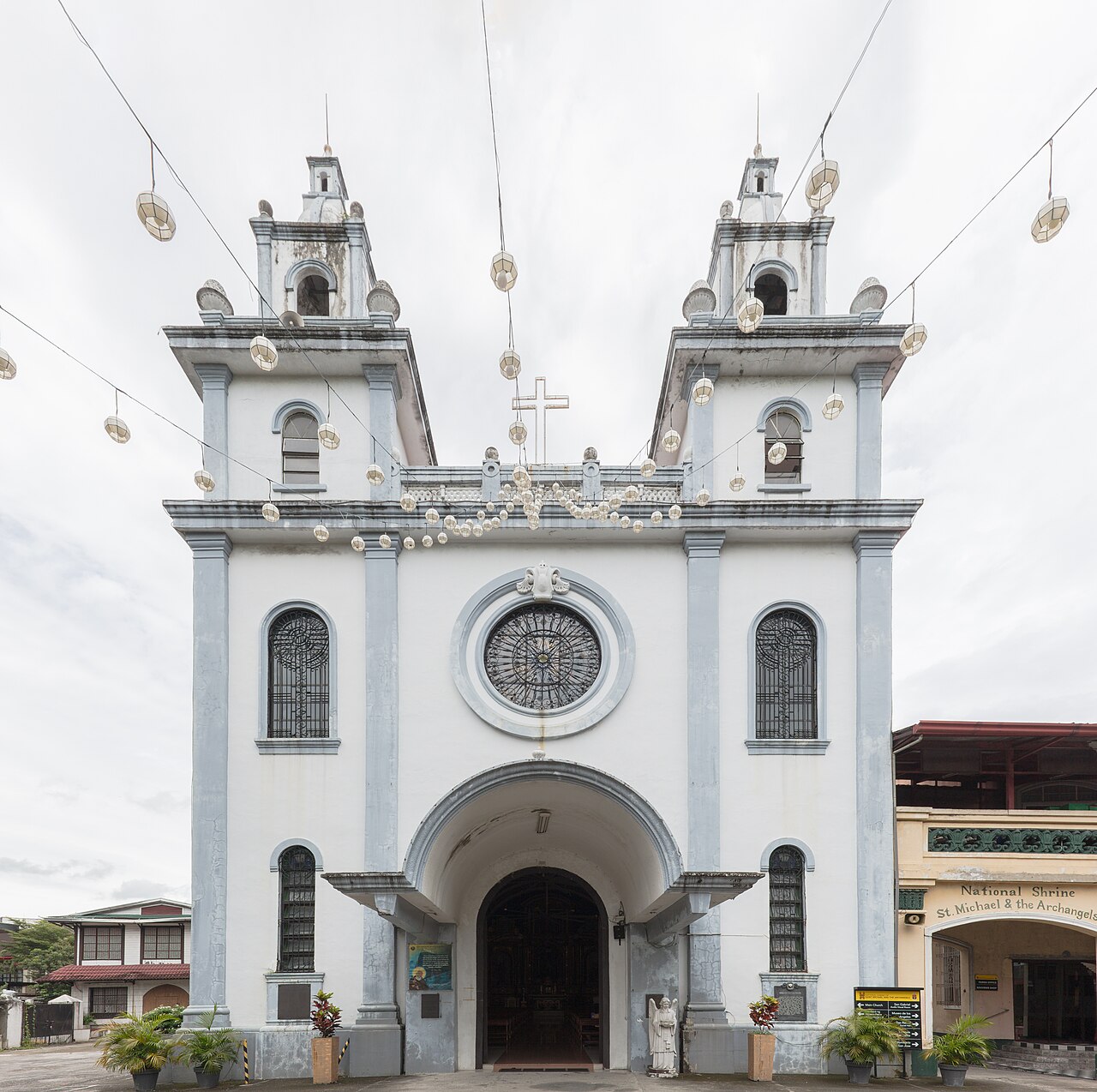
San Miguel Church is a Roman Catholic church in Manila’s San Miguel district. It serves local worshippers while offering travelers a place to encounter the city’s religious and architectural heritage. Its setting near Malacañang Palace places it within an important central Manila area, where institutional buildings, historic streets, and everyday urban activity sit close together. San Miguel Church is a Roman Catholic church located in Manila, Philippines. It stands as a recognized religious structure within the Metro Manila area and contributes to the region's tourism landscape. The church holds significance as a heritage site that visitors encounter when exploring Manila's historical and spiritual attractions. Its presence in the San Miguel district connects it to the broader narrative of Philippine colonial religious architecture. The church serves both local worshippers and tourists interested in Manila's ecclesiastical heritage. San Miguel Church functions primarily as a place of worship that visitors may observe respectfully.
Checked 2026-08-26 · Source
The church interior includes the elements of an active Catholic place of worship: altars, pews, devotional areas, religious imagery, and architectural details shaped by Manila’s religious tradition. Visit with the understanding that prayer and parish life come first. The atmosphere combines spiritual use with historical continuity, giving the building meaning beyond its value as a photographed landmark. The interior of San Miguel Church contains religious features typical of Catholic churches in the Philippines. Visitors can expect to find altars, religious iconography, and architectural elements that reflect its historical character. The church's design incorporates materials and styles associated with Philippine religious construction. Visitors should observe respectfully, as the church functions as an active place of worship. The atmosphere reflects both spiritual purpose and historical continuity within Manila's urban environment.
Checked 2026-08-26 · Source
Plan approximately thirty minutes to one hour. That is enough for the exterior, a quiet interior visit, and time to notice the church’s architectural character. Add flexibility if a service is taking place or if you want to sit in prayer. Its compact scale makes San Miguel Church easy to pair with other central Manila stops. A visit to San Miguel Church typically requires modest time commitment. Most visitors spend approximately thirty minutes to one hour exploring the exterior and interior spaces. Those with particular interest in religious architecture or photography may extend their stay. The compact nature of the site allows for efficient visitation when combined with other nearby Metro Manila attractions. Visitors should factor in potential waiting periods during active services or religious observances. The duration ultimately depends on individual interest levels and whether special events coincide with the visit.
Checked 2026-08-26 · Source
A weekday visit can provide a calmer setting than a busy weekend, but San Miguel Church remains a working parish rather than a dedicated museum. Religious services and holidays can change how much of the interior is available for casual viewing. November through April is generally more comfortable for walking between central Manila sights, while the church offers shelter once you are inside. Visitors should verify current opening times through direct contact with church administration or official channels before planning their visit.
Checked 2026-08-26 · Source
San Miguel Church is a religious site, so travelers should approach it as a parish for worship rather than a ticketed entertainment venue. A small cash contribution may be useful if you wish to support church activity. Keep your visit unobtrusive, dress respectfully, and allow congregants to use the space without interruption.
Checked 2026-08-26 · Source
The church is in San Miguel, a central Manila district reached by jeepneys, buses, taxis, and ride-hailing vehicles. Traffic can be slow, especially during peak periods. Its location near Malacañang Palace makes it a practical addition to an itinerary focused on central Manila, though visitors should use the map location for the final approach and stay alert around government and institutional streets.
Checked 2026-08-26 · Source
Wear clothing that covers shoulders and knees and keep voices low inside. Services may limit movement or photography, so defer to church personnel and worshippers. Outside, standard city awareness matters in Manila’s busy streets: secure personal belongings, watch traffic, and allow for heat and humidity. The surrounding district can shift quickly between quiet institutional areas and active urban movement.
Checked 2026-08-26 · Source
The facade and exterior details can be photographed from public areas with consideration for pedestrians. Inside, ask permission before taking pictures of altars, devotional spaces, or other religious features. Avoid flash and do not photograph during Mass or private prayer. A small camera is more suitable than a tripod or large professional setup in an active parish interior.
Checked 2026-08-26 · Source
It is an active Roman Catholic church in Manila’s San Miguel district, combining parish life with religious and architectural heritage.
Allow around thirty minutes to one hour, with extra flexibility if a service is taking place or you want time for prayer.
Choose modest clothing covering your shoulders and knees, suitable for an active Catholic place of worship.
Jeepneys, buses, taxis, and ride-hailing vehicles serve San Miguel; traffic can make journeys through central Manila slow.
San Miguel Church functions as a parish, so worship is part of its everyday purpose. Remain quiet and give congregants priority during services.
Photograph the exterior discreetly, ask before interior photography, avoid flash, and do not take pictures during Mass or private prayer.
Loading the interactive map…
The interactive map could not be loaded.
Last updated:
Source: OpenStreetMap contributors, Wikidata ·