1 min walk
Memorare – Manila 1945 historical marker
- Must see
- Historic monument
Language · 11 published
Activity · Manila
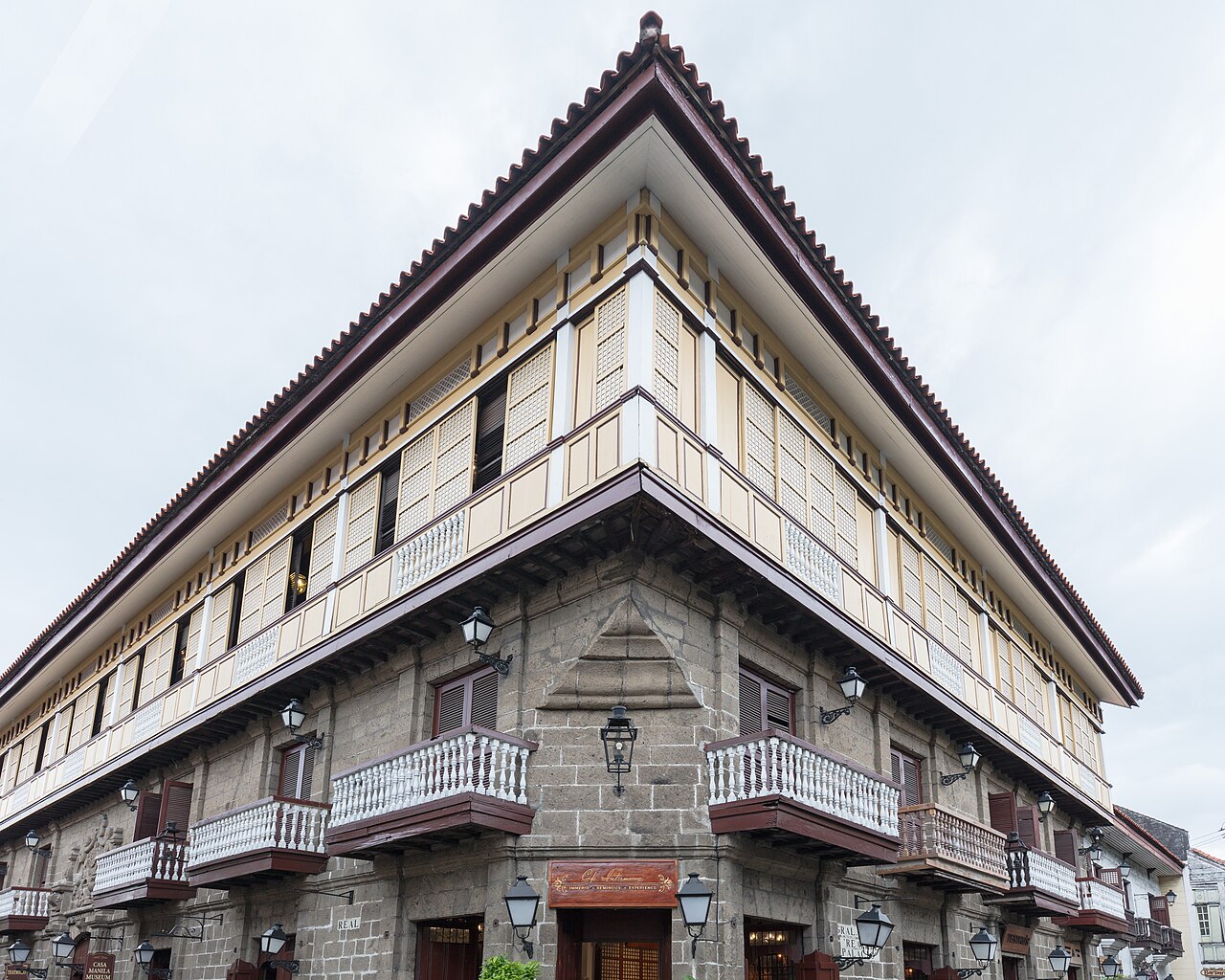
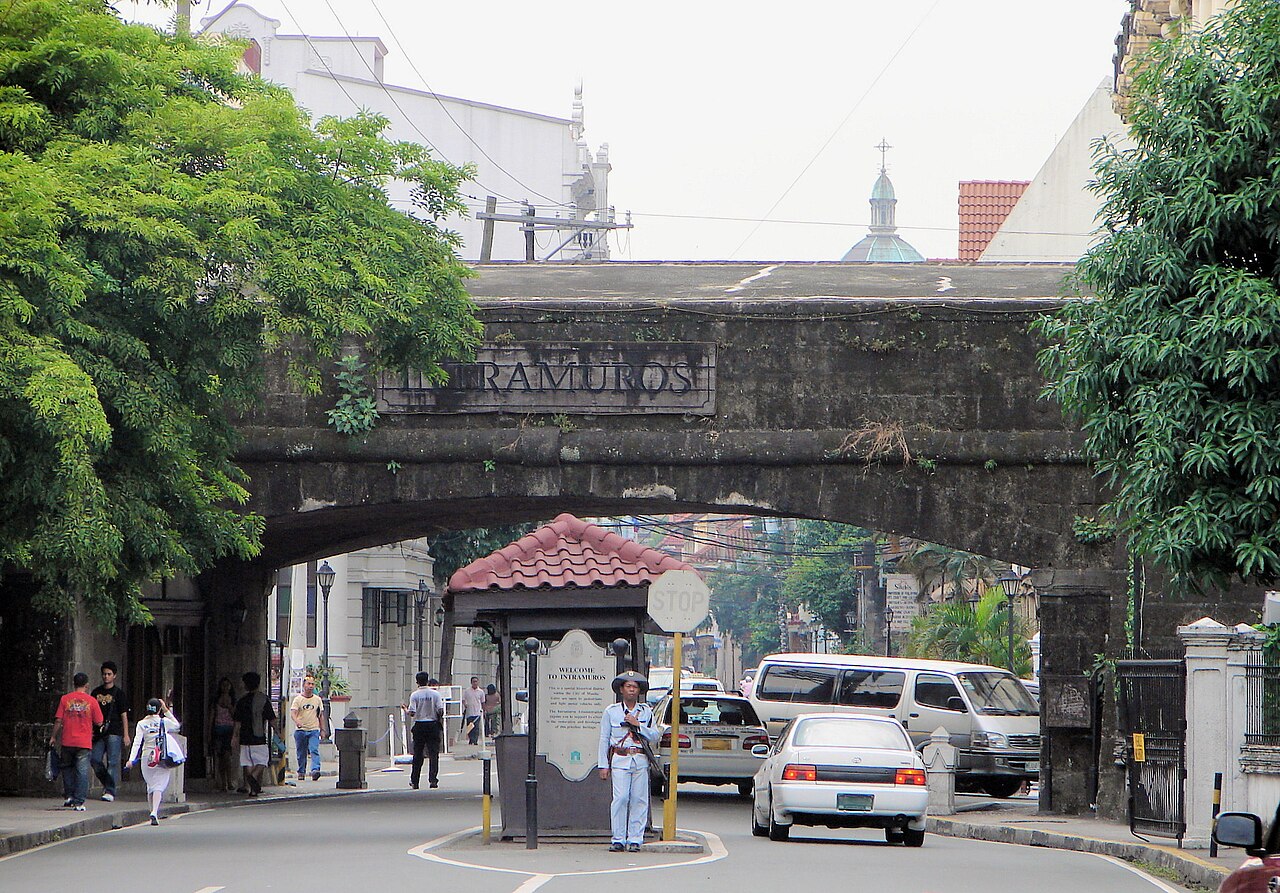
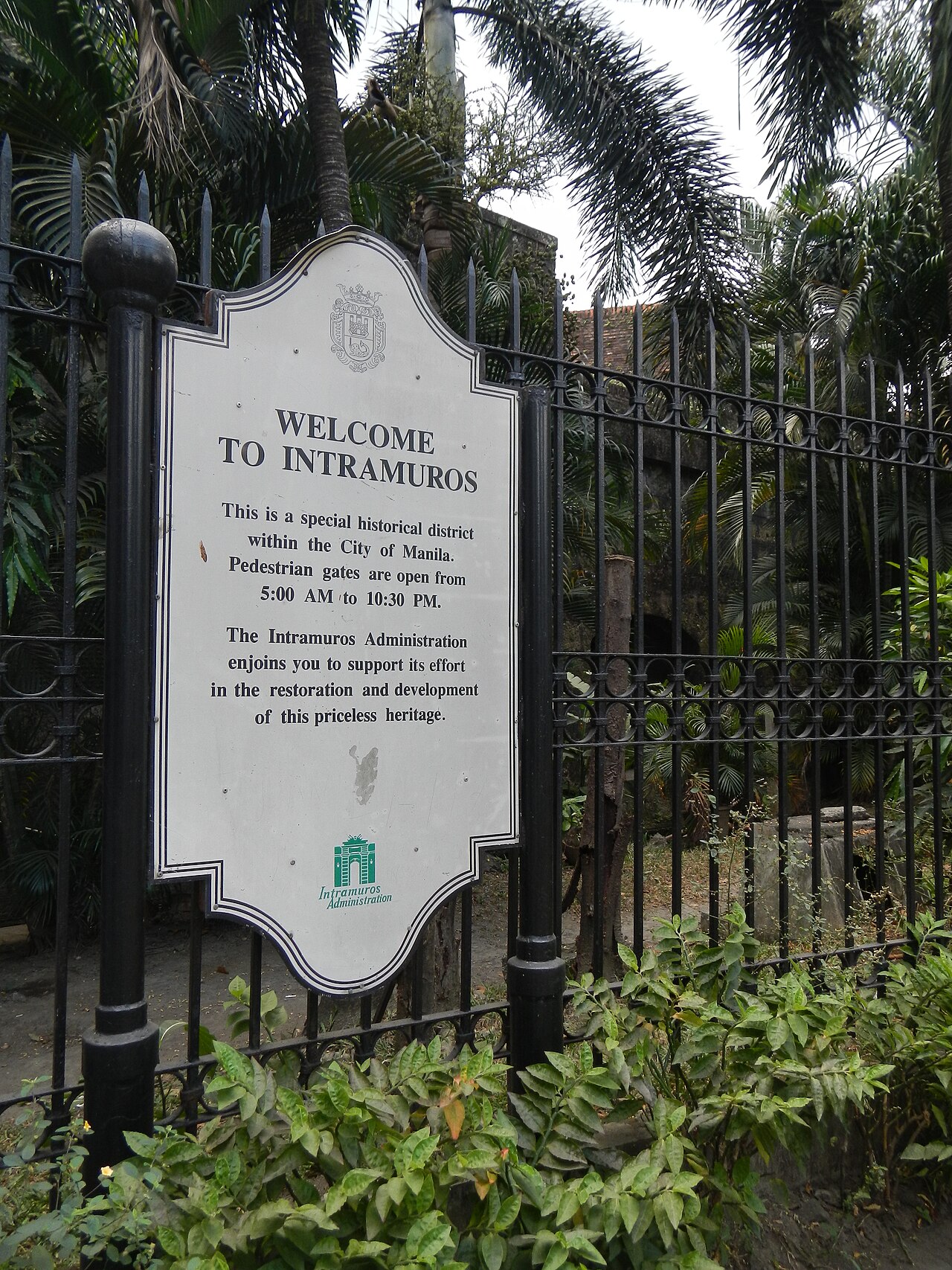
Intramuros is the historic walled district of Manila, established by Spanish colonial authorities in the sixteenth century. The stone fortification encloses approximately sixty-four hectares of land along the Pasig River. For centuries it served as the seat of Spanish colonial government in the Philippines. The district contains churches, military structures, and institutional buildings from the Spanish colonial period. Much of the original architecture was destroyed during the Battle of Manila in 1945. Reconstruction and preservation efforts have continued since that destruction.
Checked 2026-08-26
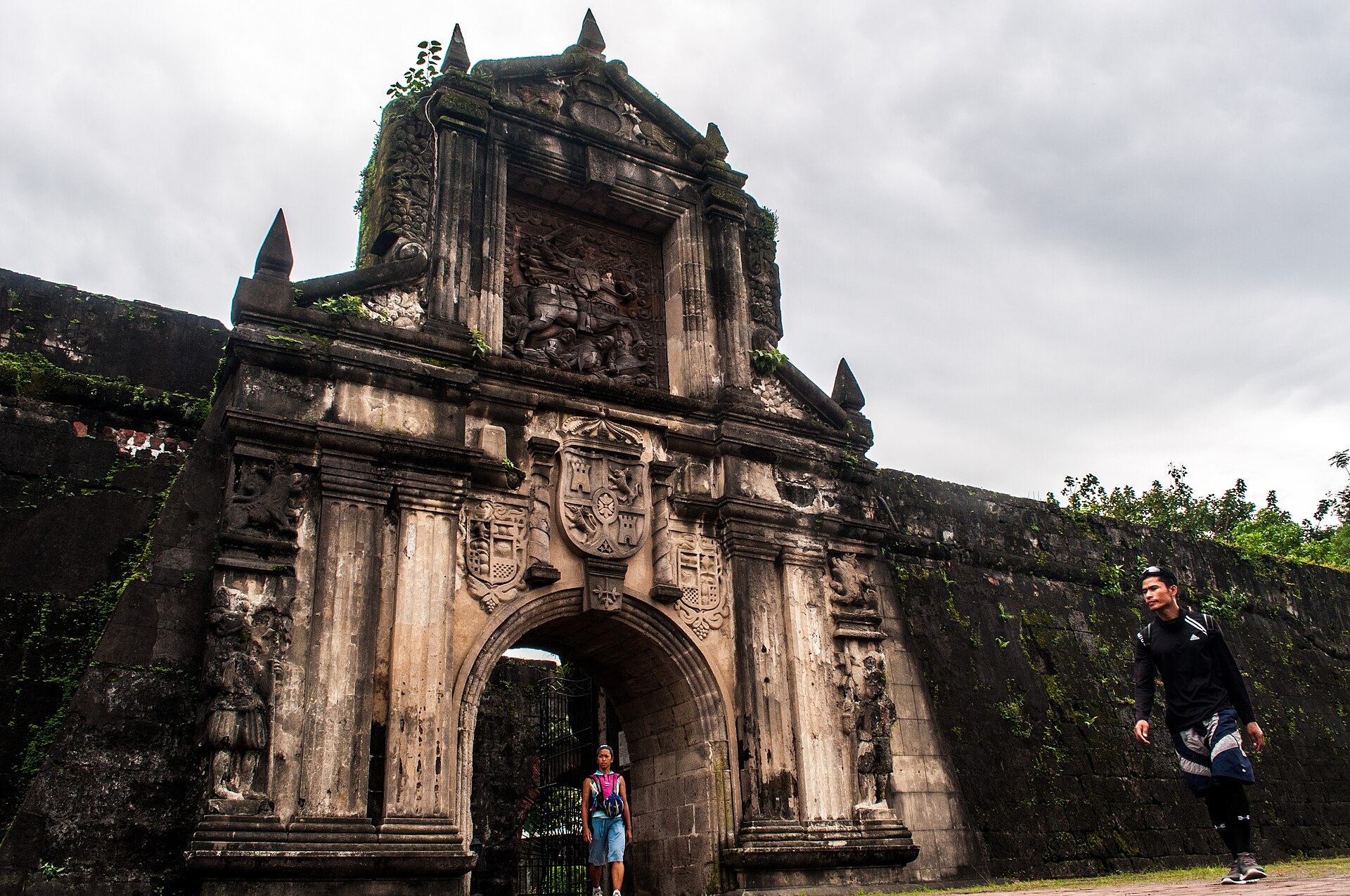
Intramuros contains several notable structures including Fort Santiago, San Agustin Church, and Manila Cathedral. Fort Santiago is a defensive fortress at the northwestern tip. San Agustin Church, a UNESCO World Heritage Site, dates to the early colonial period. Manila Cathedral has been rebuilt multiple times following earthquakes and war damage. The district also contains educational institutions, museums, and residential areas. Cobblestone streets and plazas remain characteristic features. Some buildings function as commercial establishments. The Intramuros Administration oversees management and preservation activities within the walls.
Checked 2026-08-26
Visitors typically allocate between two hours and half a day to explore Intramuros depending on interest depth. A walking circuit of the main exterior walls and key interior sites requires several hours. Those entering individual museums or churches should extend their stay accordingly. The district's compact size permits efficient movement between sites on foot. Some visitors choose guided tours that may last half a day. Independent exploration allows flexible pacing. The surrounding heat and humidity suggest planning rest periods during extended visits.
Checked 2026-08-26
Manila experiences tropical climate conditions year-round with distinct wet and dry seasons. The dry season from approximately December through May generally offers more favorable conditions for outdoor walking. Morning hours may provide relatively cooler temperatures before midday heat accumulates. Operator-confirmed hours are Not recorded pending review. Visitors should consult the Intramuros Administration website or contact individual sites directly for current opening schedules. Special events or maintenance closures may affect accessibility. Religious observances at churches may restrict visitor entry during services. A flexible visit lets travellers connect Intramuros with the rest of the day without treating one room, viewpoint or photograph as the whole experience. The useful pace depends on personal interest and conditions on arrival.
Checked 2026-08-26

Access to the general district of Intramuros is unrestricted and requires no admission fee. Individual attractions within the walls may charge separate entrance fees. Fort Santiago historically charged admission. Some churches request donations rather than fixed fees. Operator-confirmed prices are Not recorded pending review. Visitors should verify current fee structures at official sources or upon arrival. Combination tickets or guided tour packages may be available through commercial operators. Budget-conscious travelers should confirm inclusions before purchasing bundled offerings. Intramuros also earns time in a manila itinerary because WIKIDATA_EDITORIAL reconciliation for the ranked entry; identity and coordinates were verified without a nearby fallback. Its value becomes clearer when the stop is compared with the surrounding streets and the other ranked places nearby.
Checked 2026-08-26

Intramuros occupies a prominent position in central Manila near the Pasig River. Multiple public transportation options serve the surrounding area including buses, jeepneys, and the Light Rail Transit system. The United Nations Avenue and Central Terminal stations on LRT-1 provide relatively nearby access requiring additional walking or connecting transport. Taxis and ride-hailing services operate throughout Metro Manila. The district's internal street network accommodates limited vehicle traffic. Walking remains the primary means of circulation within the walls. Visitors should anticipate traffic congestion in surrounding areas.
Checked 2026-08-26

Manila's tropical climate presents heat and humidity that can cause discomfort or heat-related illness during extended walking. Adequate hydration and sun protection are advisable. Uneven cobblestone surfaces and narrow sidewalks require attention to footing. Street vendors and informal guides may approach visitors aggressively in some areas. Standard urban precautions regarding personal belongings apply. Some interior areas have limited shade. The moat and water features near walls present minimal hazard but warrant ordinary awareness. Construction or restoration work may temporarily obstruct paths or create noise.
Checked 2026-08-26

Intramuros offers substantial photographic interest through colonial architecture, fortified walls, religious structures, and street scenes. Fort Santiago and the exterior ramparts provide elevated perspectives. Interior church photography may be restricted during services or require permission. Morning and late afternoon light produce softer illumination on stone surfaces. Midday sun creates harsh shadows and high contrast. Some museums prohibit photography entirely or restrict flash usage. Drone operation would require compliance with Philippine civil aviation regulations. Commercial photography may require permits from the Intramuros Administration.
Checked 2026-08-26
Operator-confirmed hours are Not recorded pending review. Visitors should consult official sources for current schedules.
The walled district itself has no admission fee. Individual attractions may charge separate fees. Operator-confirmed prices are Not recorded pending review.
The walls are a defining feature but complete circumnavigation may be interrupted by gates, structures, or access restrictions. Visitor judgement should guide exploration.
Guided tours are offered by various operators including horse-drawn carriage services and walking tour providers. Arrangements should be confirmed directly with operators.
Historic cobblestone streets and limited ramps present challenges. Some individual sites may have better accessibility than others. Cautious visitor judgement is advised.
Ninoy Aquino International Airport is approximately ten kilometers south. Taxis, ride-hailing services, and airport buses connect to central Manila. Traffic conditions significantly affect journey duration.
Loading the interactive map…
The interactive map could not be loaded.
Last updated:
Source: OpenStreetMap contributors, Wikidata ·