
3 min walk
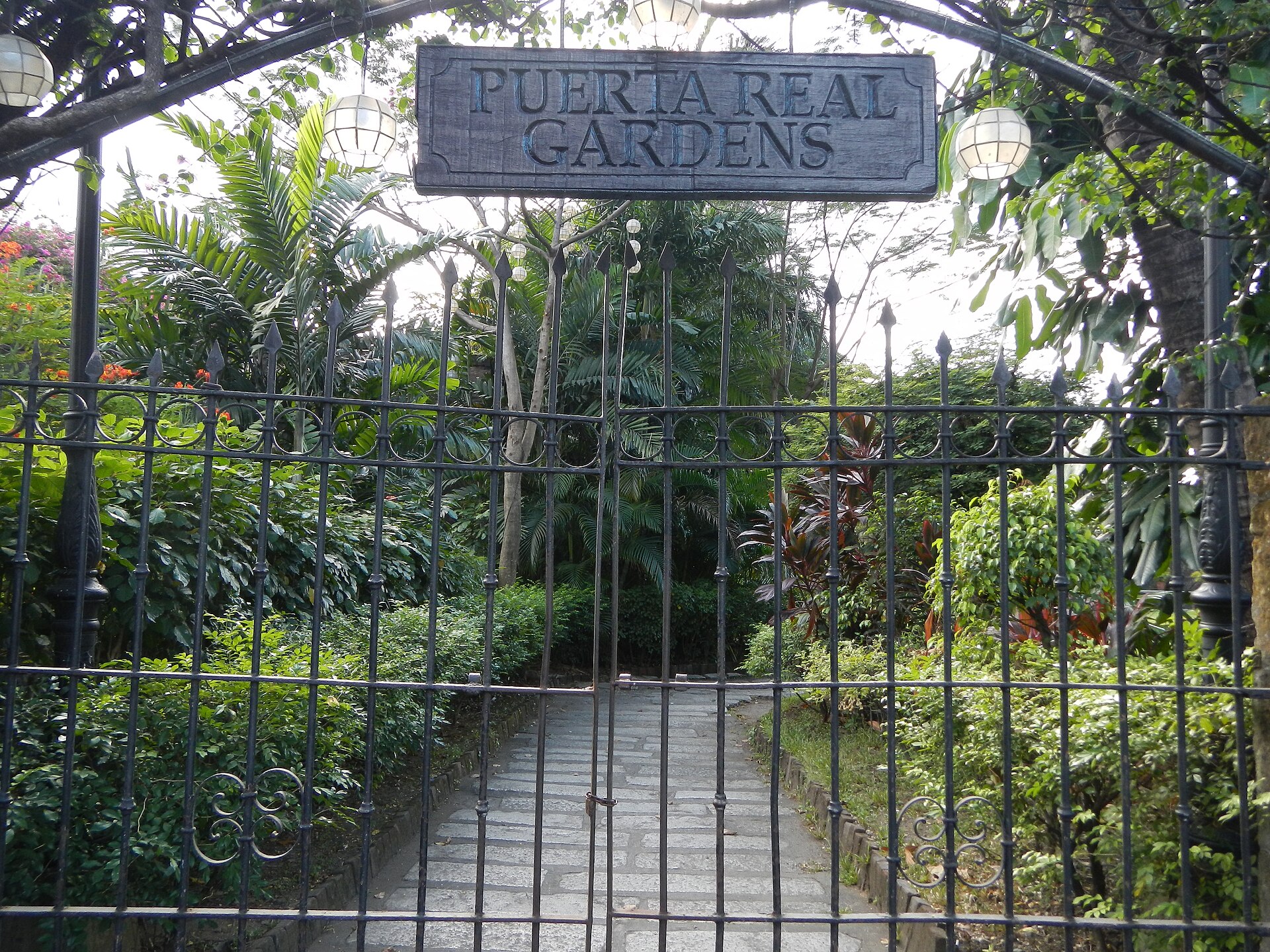
Puerta Réal Gardens
- Must see
- Nature site
Language · 11 published
Historic monument · Manila
| Monday | 08:00 – 17:00 |
|---|---|
| Tuesday | 08:00 – 17:00 |
| Wednesday | 08:00 – 17:00 |
| Thursday | 08:00 – 17:00 |
| Friday | 08:00 – 17:00 |
| Saturday | 08:00 – 17:00 |
| Sunday | 08:00 – 17:00 |
Checked 2026-08-31 · Source
Read from the OpenStreetMap access tags; anything not listed has no tag recorded.
Set the group type to family in the planner and the day window contracts to about three quarters of a solo day.
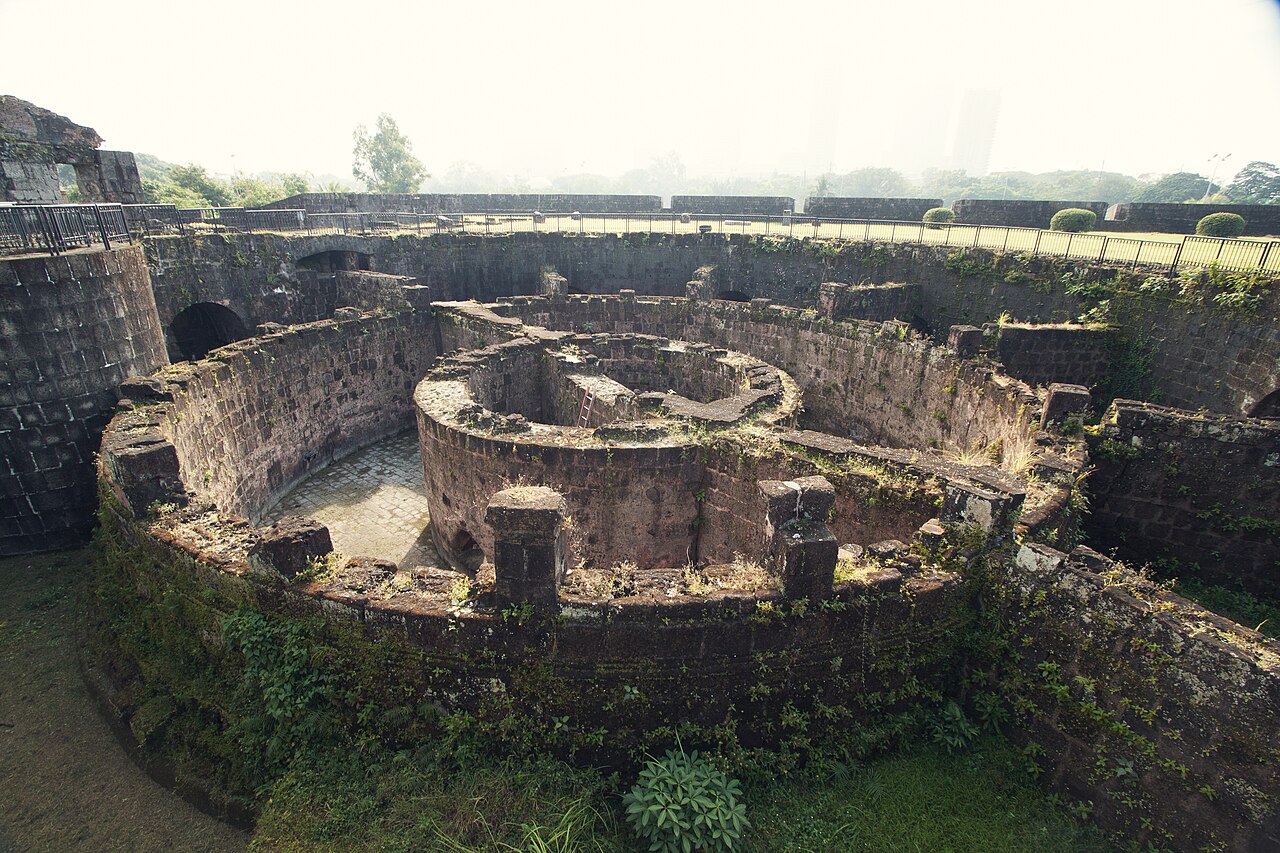
Baluarte de San Diego is a bastion structure forming part of the historic Spanish colonial fortifications in Manila. Built during the period of Spanish rule, it represents military architecture designed to protect the walled city of Intramuros. The bastion has undergone restoration and stands as a physical remnant of Manila's colonial defensive system. Visitors encounter stone construction typical of Spanish military engineering in the Philippines. The site contributes to understanding how colonial powers structured urban defense in Southeast Asian port cities. Its preservation allows examination of historical building techniques and the strategic importance of Manila during the galleon trade era.
Checked 2026-08-26
The bastion contains the physical structure of the fortification itself, with stone walls and earthworks characteristic of Spanish colonial military design. The interior spaces reflect defensive purposes rather than residential or commercial function. Visitors can observe the bastion's shape and construction materials, which include stone masonry and earthen embankments. The surrounding grounds provide context for how the structure integrated with Intramuros as a whole. No permanent museum exhibition or interpretive center is documented within the structure. The physical fabric of the bastion constitutes the primary visitor experience, with architectural features and historical atmosphere as the main attractions.
Checked 2026-08-26
A visit to Baluarte de San Diego typically requires between thirty minutes and one hour for most visitors. This duration allows for circumambulation of the structure, examination of construction details, and appreciation of the historical context. Those with specialized interest in military architecture or colonial history may extend their stay. The compact nature of the bastion means extensive time is not required for a complete visit. Visitors often combine this site with other Intramuros attractions in a single itinerary. Photography and contemplation of the structure's historical significance can modestly extend the visit duration.
Checked 2026-08-26
Visitors should verify current opening times through official channels before planning their visit. Manila experiences tropical climate conditions year-round, with distinct wet and dry seasons. The dry season from November to April generally offers more favorable conditions for outdoor historical site exploration. Wet season visits from May to October may encounter rainfall that affects comfort and accessibility. Morning hours typically provide cooler temperatures for walking the bastion grounds. Weekend and holiday periods may experience higher visitor numbers at Intramuros sites generally. Check the operator's own site for the travel date before relying on a schedule or fare.
Checked 2026-08-26
Visitors should verify current admission requirements through official channels before arrival. Some Intramuros sites operate under coordinated ticketing arrangements, while others maintain separate fee structures. Foreign visitors and Philippine residents may face different admission categories at historical sites. Group rates or educational discounts may be available but require advance confirmation. Budget-conscious travelers should inquire about combination tickets covering multiple Intramuros attractions. Payment methods accepted at the entrance are not documented and should be confirmed beforehand. Check the operator's own site for the travel date before relying on a schedule or fare.
Checked 2026-08-26
Baluarte de San Diego is located within Intramuros, the historic walled district of central Manila. The site is accessible from the surrounding streets that encircle the walled area. Multiple public transportation options serve the Intramuros district, including jeepneys, buses, and taxis common throughout Metro Manila. The nearest Light Rail Transit stations require additional walking or connecting transport. Ride-hailing services operate in Manila and can provide direct access to Intramuros gates. Visitors should expect urban traffic conditions that may affect journey times significantly. Walking from nearby Intramuros sites is feasible given the compact nature of the walled district.
Checked 2026-08-26
The bastion structure involves uneven stone surfaces and changes in level that present trip hazards. Visitors should wear appropriate footwear with secure grip. Limited shade coverage exposes visitors to direct sun and tropical heat during daytime exploration. No documented facilities for hydration or shelter exist within the structure itself. Manila's urban environment requires standard precautions regarding personal belongings and awareness of surroundings. Historical stone structures may have deteriorated areas or unstable elements despite restoration efforts. The bastion's military design includes steep drops and unprotected edges. Emergency services access within Intramuros may be constrained by narrow streets and heavy traffic.
Checked 2026-08-26
The bastion's stone walls and distinctive shape offer opportunities for architectural photography. The structure's position within Intramuros allows contextual shots showing colonial fortifications against the modern cityscape. Morning and late afternoon light provides favorable conditions for exterior photography. The earthworks and masonry textures reward close examination through camera lenses. No photography restrictions are documented, though visitors should respect any posted guidelines. Tripod use may attract security attention in this sensitive historical area. Drone operation would require compliance with Philippine aviation regulations and local restrictions. The surrounding streets and walls provide alternative vantage points for capturing the bastion's profile.
Checked 2026-08-26
Yes, the bastion forms part of the historic fortified district of Intramuros in Manila.
Not recorded. Visitors should inquire locally about current tour options.
Not recorded. Historical fortifications typically present accessibility challenges due to uneven surfaces and level changes.
Not recorded. Visitors should plan accordingly when visiting this historical structure.
Visitors should verify current access times.
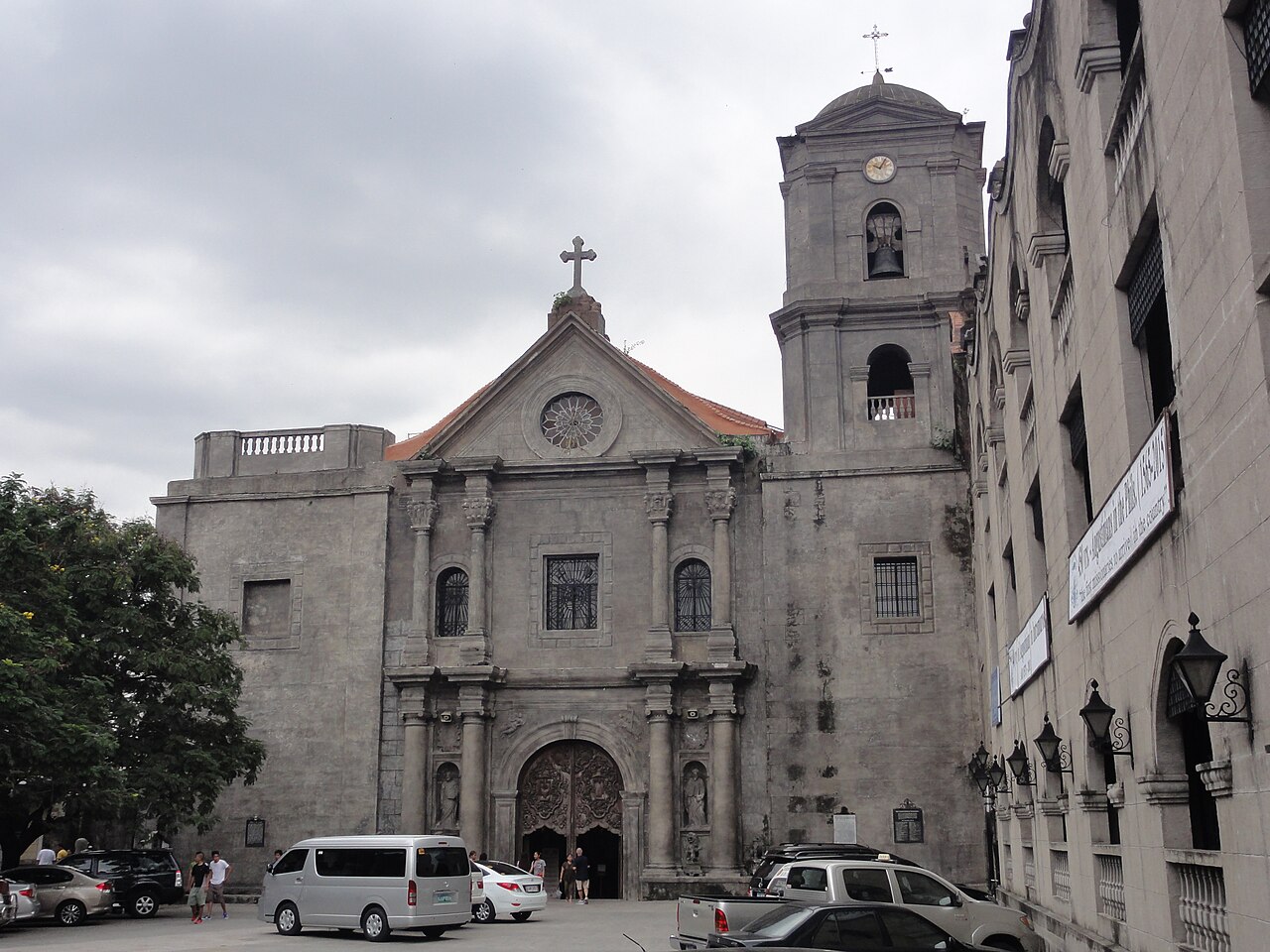
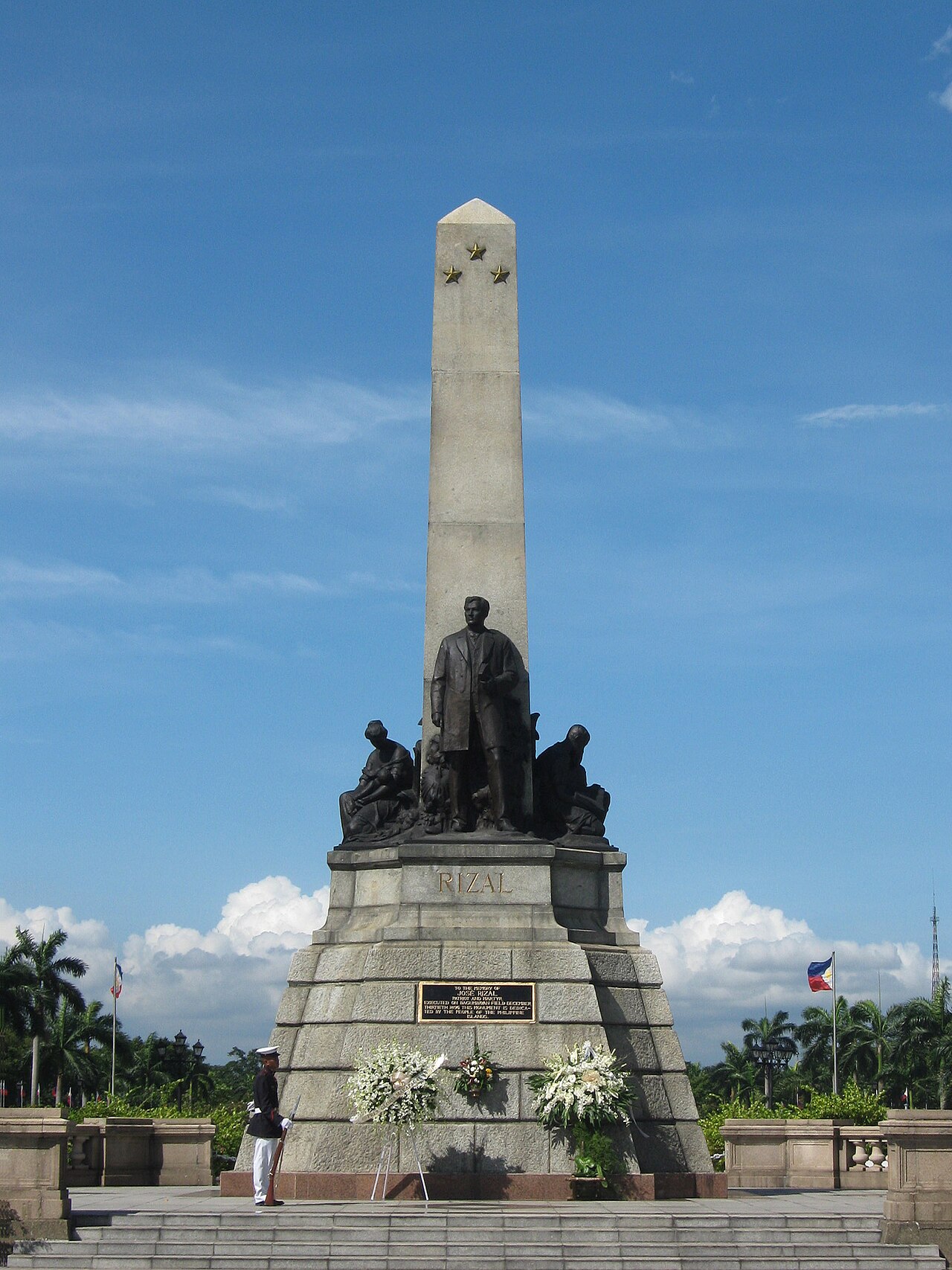
The bastion is one of multiple historical structures within the walled district, often visited in combination with nearby sites.
Loading the interactive map…
The interactive map could not be loaded.
Last updated:
Source: OpenStreetMap contributors, Wikidata ·