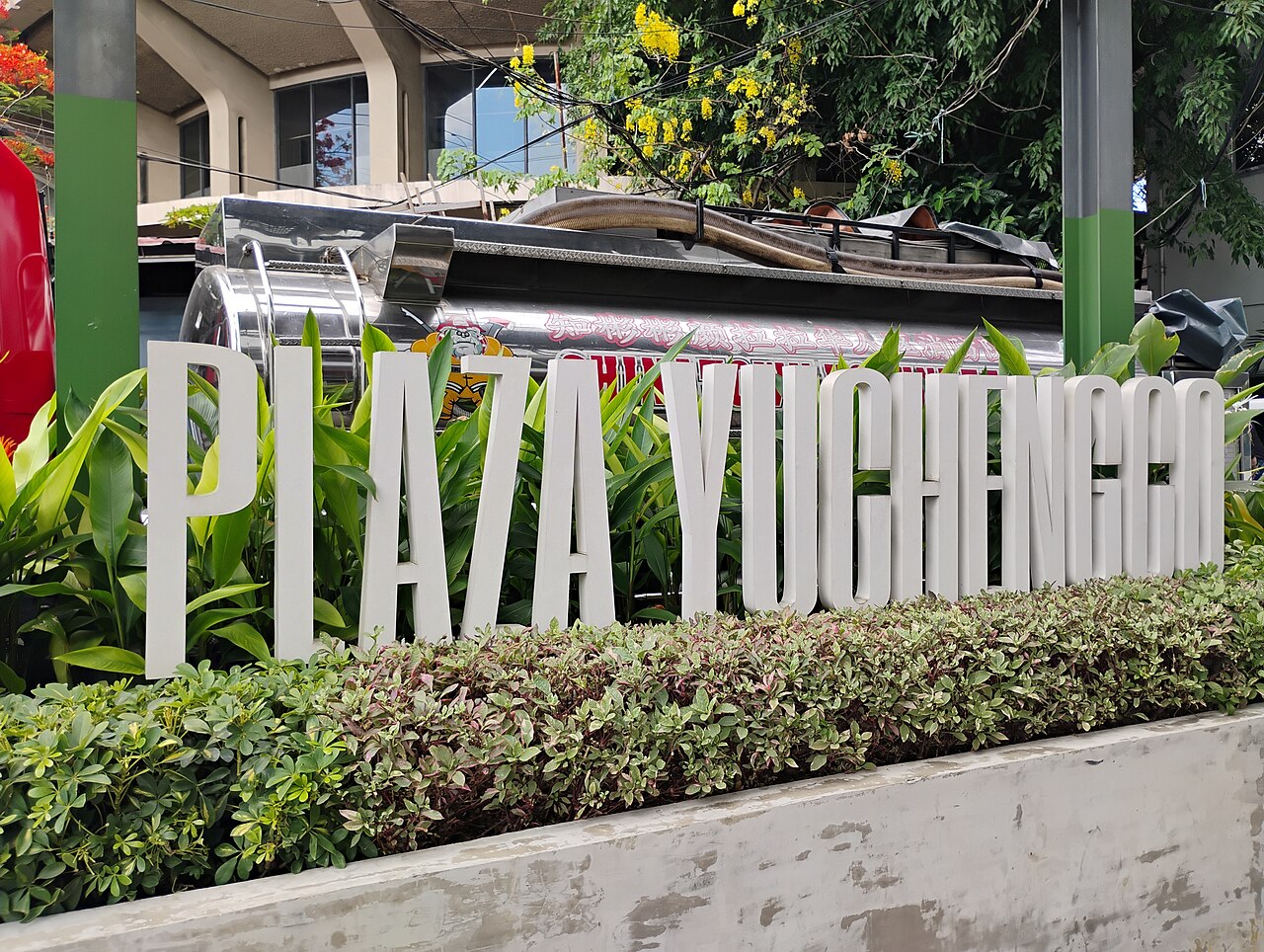
2 min walk
Don Roman Ongpin Monument
- Notable
- Historic monument
Language · 11 published
Activity · Manila

Binondo is a historic district in Manila, widely recognised as the world's oldest Chinatown, established in 1594. The area functions as a commercial and cultural quarter where Chinese Filipino enterprise has operated for centuries. Its identity derives from mercantile traditions, religious institutions, and food culture rather than single monument attractions. The district spans multiple blocks with a dense network of streets, market lanes, and arcades. Binondo appears across institutional tourism materials, travel media, and encyclopaedic sources as a significant heritage zone within Metro Manila's visitor circuit.
Checked 2026-08-26
The district contains Roman Catholic churches of colonial foundation, including Binondo Church, alongside Buddhist temples and traditional apothecaries. Commercial streets host restaurants, bakeries, and dry goods vendors. Divisoria market proximity extends retail activity. Heritage architecture from various periods survives in varying condition. Religious processions and festival observances occur according to community calendars. Specific inventory of businesses, their operational status, and building access conditions are not recorded. Visitors encounter a working commercial district rather than a curated heritage presentation. The physical environment shows heavy vehicular and pedestrian traffic throughout daylight hours.
Checked 2026-08-26
A walking circuit through principal streets requires approximately two to three hours without extended stops. Meal service at established restaurants adds sixty to ninety minutes. Those seeking to explore ancillary lanes, market edges, or religious interiors may extend this substantially. The area rewards repeated short visits over a single exhaustive passage. Morning hours permit clearer pedestrian movement before peak commercial activity. Afternoon periods coincide with increased congestion. No formal visitor infrastructure exists to structure duration. Individual pacing depends on tolerance for dense urban conditions and interest in unprompted commercial discovery.
Checked 2026-08-26

Operator-confirmed hours or prices are Not recorded pending review. The district operates as a functioning commercial area with early morning market activity through evening restaurant service. Specific establishment hours vary independently. Festival periods, particularly Chinese New Year, generate exceptional crowding and modified access conditions. Wet season precipitation from June through November affects street-level comfort. Dry season months offer more reliable walking conditions. Weekend traffic differs from weekday commercial patterns. Visitors should anticipate unregulated street conditions regardless of timing. No central authority coordinates district-wide visitor information or seasonal programming.
Checked 2026-08-26
Operator-confirmed hours or prices are Not recorded pending review. No district-wide admission mechanism exists. Individual religious sites do not typically charge entry fees, though donations may be solicited. Commercial establishments set independent pricing. Food costs vary by venue type from street-level to restaurant service. No validated price ranges are available from supplied sources. Budgeting requires on-site assessment. The area functions as public urban space without gated management. Visitors encounter normal commercial transactions rather than packaged tourism pricing. Cash remains predominant in many transactions despite gradual digital payment adoption.
Checked 2026-08-26

Binondo occupies the north bank of the Pasig River opposite Intramuros. Major roads including Recto Avenue and Rizal Avenue define its periphery. Light rail transit stations at Carriedo and Doroteo Jose provide approximate access, requiring subsequent walking. River ferry services may operate at nearby landings; specific schedules are not recorded. Road access faces chronic congestion. Parking availability is severely limited. The district's street network predates modern vehicular requirements. Walking from adjacent areas including Intramuros is feasible via Jones Bridge. Actual journey times vary dramatically with traffic conditions. No dedicated visitor transport infrastructure serves the area.
Checked 2026-08-26
Dense pedestrian and vehicular mixing creates safety considerations at intersections and narrow lanes. Sidewalk conditions are uneven and frequently obstructed. Open drainage and irregular surfaces present trip hazards. Air quality reflects heavy traffic exposure. Valuables require secure management in crowded conditions. Food handling standards vary across informal vendors. Hydration is advisable in tropical conditions. No tourist police or dedicated visitor assistance is evident. Medical facilities are available in the broader district but not specifically oriented to visitors. Emergency service response times face urban congestion constraints. Travel insurance documentation should be accessible.
Checked 2026-08-26
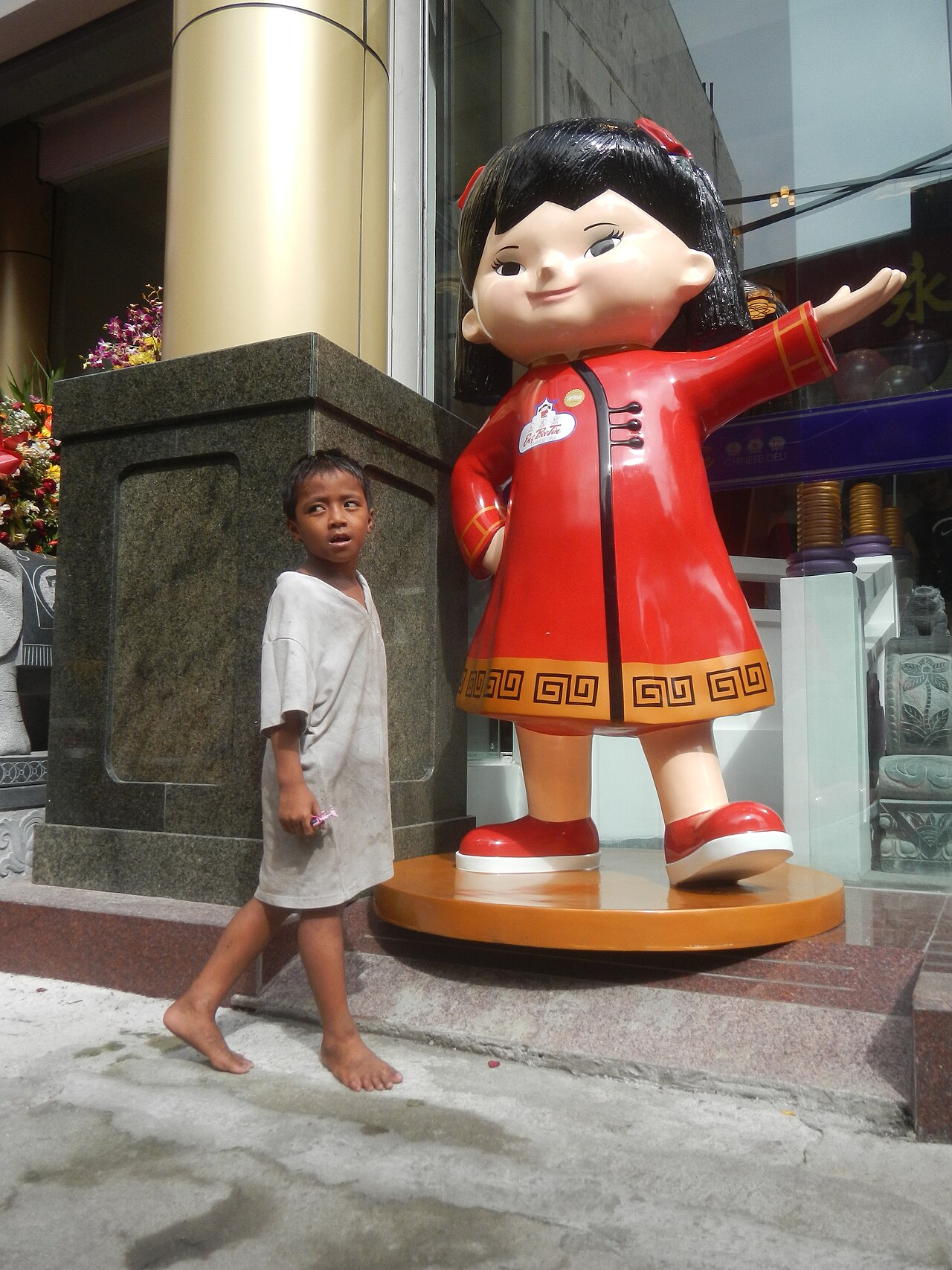
The visual character derives from street-level commercial activity, signage density, and architectural layering rather than composed viewpoints. Morning light penetrates east-west streets with partial effect. Interior photography in religious sites requires situational discretion and possible restriction. Commercial premises may object to unannounced documentation. Crowded conditions complicate tripod use and stationary positioning. No designated observation points exist. River-facing edges offer partial skyline context. Night photography faces lighting inconsistency and personal security considerations. Drone operation would encounter regulatory complexity and physical obstruction. Respect for individuals in market and worship settings is essential.
Checked 2026-08-26
The district functions as normal commercial urban space with standard precautions applicable. Dense conditions require awareness of belongings and surroundings. No specific threat pattern is recorded in supplied sources.
Numerous restaurants and bakeries operate throughout the district. Specific recommendations, hygiene ratings, and price points are not recorded. Visitors exercise personal judgement in selection.
No formal tour infrastructure is documented in supplied sources. Independent exploration or locally arranged guidance would require on-site arrangement.
Geographic proximity permits sequential visiting. Actual feasibility depends on individual pace, transport conditions, and heat tolerance. No prescribed itinerary exists.
Street conditions including uneven surfaces, absent kerb ramps, and dense obstruction present significant barriers. No accessibility accommodations are recorded.
Filipino, English, and Hokkien-derived Philippine Chinese languages appear in commercial and community contexts. English suffices for basic commercial interaction.
Loading the interactive map…
The interactive map could not be loaded.
Last updated:
Source: OpenStreetMap contributors, Wikidata ·