
1 min walk
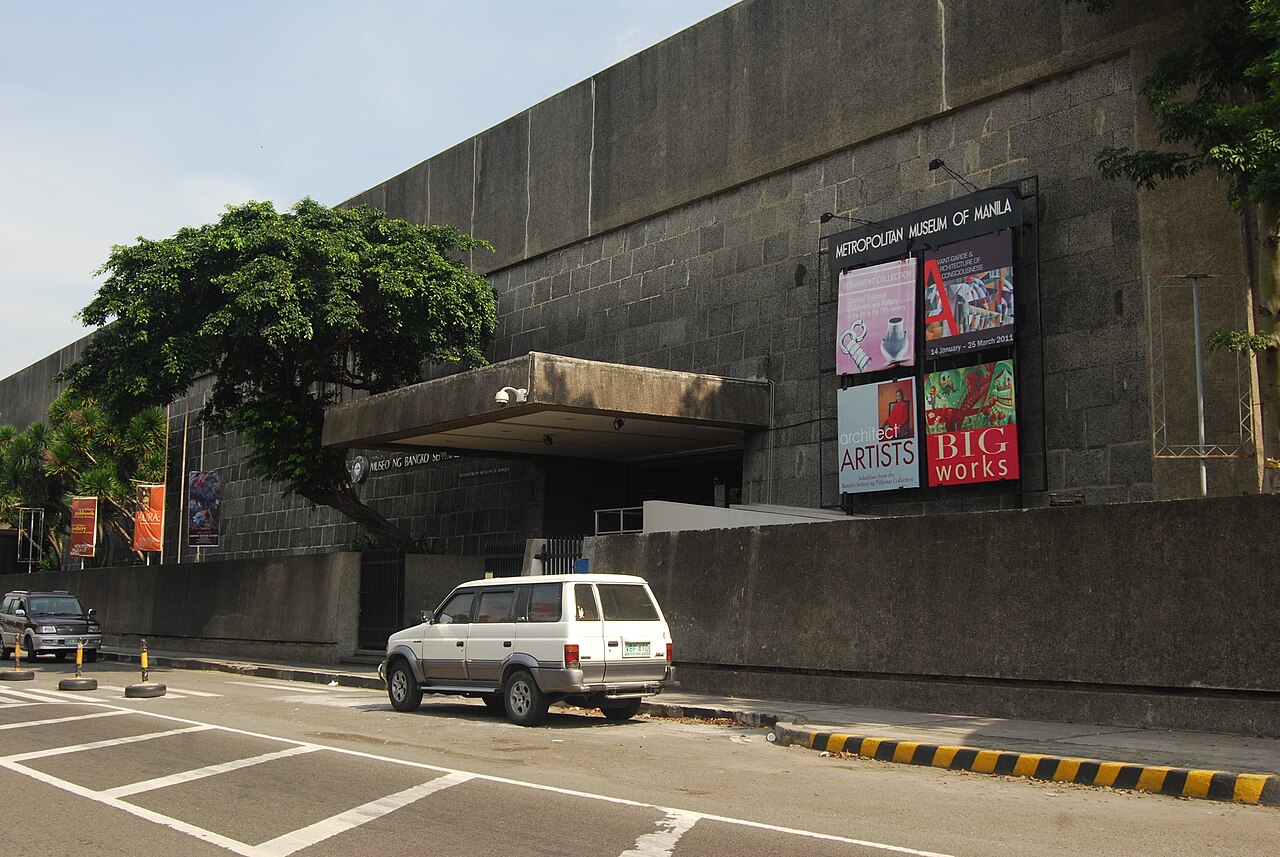
Metropolitan Museum of Manila
- Must see
- Museum
Language · 11 published
Historic monument · Manila

Fort San Antonio Abad is a historic Spanish colonial fortification located in Malate, Manila. Constructed during the Spanish colonial period, it formed part of the defensive network protecting Manila Bay and the city of Manila. The fort stands as a remnant of the extensive military architecture that characterized Spanish rule in the Philippines. Today, it exists within the grounds of the Bangko Sentral ng Pilipinas complex, limiting general public access. The structure represents an important layer of Manila's layered colonial history alongside other better-known fortifications in the area.
Checked 2026-08-28
The fort's original defensive structures, including bastions and walls, partially survive though modified by subsequent development. Visitors with approved access can observe the stone construction typical of Spanish military engineering in the Philippines. The site has been integrated into modern institutional grounds, meaning original features coexist with contemporary buildings and landscaping. Archaeological remnants may be present though not prominently displayed. The interior does not function as a museum with curated exhibits. Those seeking extensive interpretive material should manage expectations accordingly, as the site's primary value lies in its architectural fabric and historical significance rather than visitor amenities.
Checked 2026-08-28
A thorough examination of Fort San Antonio Abad's visible exterior and accessible portions requires approximately thirty to sixty minutes for those with entry permission. The compact nature of the remaining structures means extended visits depend on individual interest in historical architecture and photography. Without interior exhibition spaces or guided programming, there are limited activities to prolong a stay. Visitors combining this site with other Malate or Intramuros attractions should allocate time proportionally. Those specifically interested in Spanish colonial military architecture may wish to examine construction details more deliberately, potentially extending their visit slightly.
Checked 2026-08-28
The fort's location within Bangko Sentral ng Pilipinas grounds means access is restricted regardless of theoretical opening schedules. Prospective visitors must secure advance permission through appropriate institutional channels rather than appearing spontaneously. Manila's tropical climate features distinct wet and dry seasons; outdoor historical sites are generally more comfortable during the drier months from December through May. Morning visits typically offer milder temperatures and better lighting for observation. However, confirmed access procedures and any seasonal variations in availability remain unverified without direct operator consultation. Check the operator's own site for the travel date before relying on a schedule or fare.
Checked 2026-08-28
Given the fort's location within restricted institutional grounds, standard tourist ticketing mechanisms likely do not apply. Access appears contingent upon formal arrangements rather than commercial visitor operations. Any fees, donations, or administrative charges for approved visits remain unspecified in available sources. Visitors should not anticipate walk-up ticket purchases comparable to public museums or heritage sites. Those successfully arranging entry should clarify any cost obligations during the permission process. The absence of documented pricing structures suggests individual inquiry is essential for financial planning related to this site. Check the operator's own site for the travel date before relying on a schedule or fare.
Checked 2026-08-28
Fort San Antonio Abad is situated in Malate district, near Roxas Boulevard and the Manila Bay waterfront. The general area is accessible via multiple public transportation options serving central Manila, including jeepneys, buses, and the Light Rail Transit system with nearby stations. However, the specific entrance procedures and approved access points within the Bangko Sentral ng Pilipinas complex are Not recorded pending review. Visitors with confirmed appointments must obtain precise directions from their institutional contact. The surrounding Malate and Ermita areas feature numerous landmarks that can assist with general navigation to the vicinity.
Checked 2026-08-28
Access restrictions represent the primary consideration; unauthorized entry attempts would constitute trespassing on institutional grounds. Visitors must complete formal approval processes before arrival. The fort's age and exposure to tropical conditions mean structural conditions require cautious assessment; visitors should avoid climbing or touching unstable elements. Manila's intense sun and sudden rainfall necessitate appropriate protection. The surrounding urban environment presents standard metropolitan safety considerations. Photography restrictions may apply given the institutional context, though specific regulations are Not recorded pending review. Visitors should verify permitted activities during access negotiations rather than assuming standard heritage site protocols apply.
Checked 2026-08-28
Photography rules are Not recorded pending review. The fort's location within Bangko Sentral ng Pilipinas grounds suggests institutional security protocols may restrict or regulate image capture, particularly of adjacent modern facilities rather than the historic structure itself. Visitors with approved access should explicitly confirm photography permissions during their arrangement process. The stone fortifications against institutional landscaping offer potential composition opportunities for those permitted to photograph. Lighting conditions vary throughout the day; morning and late afternoon typically provide more favorable natural illumination for architectural photography. Drone usage would almost certainly be prohibited without specific institutional authorization.
Checked 2026-08-28
No, the fort is located within Bangko Sentral ng Pilipinas grounds and requires advance permission for access. It does not operate as a conventional public tourist attraction.
It is a Spanish colonial fortification that formed part of Manila's defensive network protecting Manila Bay, representing an important layer of the city's colonial military architecture.
Specific access procedures are Not recorded pending review. Prospective visitors must contact appropriate institutional channels to request permission, as spontaneous visits are not possible.
Guided tour availability is Not recorded pending review. The site does not appear to operate standard public programming, and any educational access would require institutional arrangement.
The sites are relatively close to each other in Manila, making combined visits geographically feasible, though Fort San Antonio Abad's access restrictions require advance planning that may complicate same-day scheduling.
Given Manila's tropical climate and the outdoor nature of the site, visitors should wear sun protection, comfortable walking shoes, and rain-appropriate layers. Respectful attire is advisable given the institutional setting.
Loading the interactive map…
The interactive map could not be loaded.


Last updated:
Source: OpenStreetMap contributors, Wikidata ·