

1 min walk
Memorare – Manila 1945 historical marker
- Must see
- Historic monument
Language · 11 published
Museum · Manila
Museum of the Chinese in Philippine Life
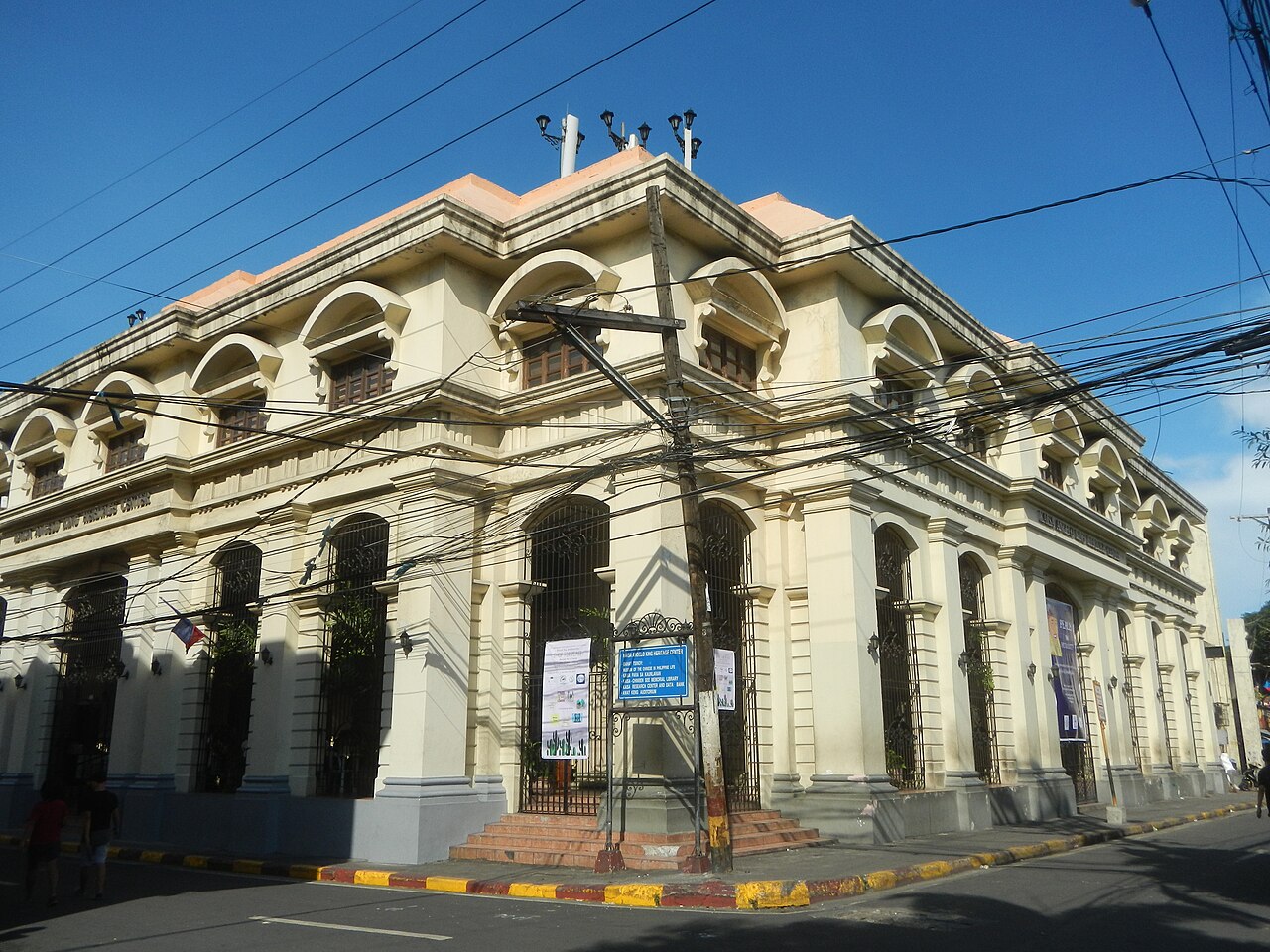
Bahay Tsinoy is a museum in Manila dedicated to Chinese Filipino heritage and history. The institution documents the centuries-long presence and contributions of Chinese immigrants and their descendants in Philippine society. Located within the historic walled district of Intramuros, the museum occupies a purpose-built structure. Its exhibits trace the journey of the Tsinoy community from early trading contacts through Spanish colonial periods to contemporary times. The museum serves as a cultural repository preserving artifacts, documents, and narratives that illustrate the integration and influence of Chinese Filipinos across multiple generations of national development.
Checked 2026-08-26
The museum contains galleries organized around thematic displays of Chinese Filipino life and history. Collections include historical photographs, traditional garments, trade implements, and domestic objects. Dioramas reconstruct scenes from commercial and community activities. Documentary materials cover prominent Tsinoy figures in Philippine public life. Religious artifacts reflect syncretic practices blending Chinese and Catholic traditions. The displays address both achievements and challenges faced by the community, including periods of discrimination. Educational materials support visitor understanding of migration patterns, intermarriage, and cultural adaptation. The presentation emphasizes the diversity within the Chinese Filipino experience rather than treating it as monolithic.
Checked 2026-08-26
Visitors typically allocate between one and two hours for a complete examination of the museum's galleries. The compact physical layout permits efficient movement between thematic sections without extended walking distances. Those with particular interest in genealogical research, historical photography, or specific community narratives may require additional time. Casual visitors engaging primarily with visual displays and reading principal exhibit labels generally complete their visit within the shorter timeframe. Self-paced exploration allows adjustment according to individual engagement levels. No guided tour duration is specified in available sources. Visitors should plan conservatively and allow flexibility for unhurried appreciation of documentary materials.
Checked 2026-08-26
Visitors should verify current opening schedules through direct contact with museum administration before planning attendance. Seasonal considerations for Manila include the pronounced wet season from June through November, when heavy rainfall may affect travel to Intramuros and outdoor movement between nearby heritage sites. The dry season months from December through May generally offer more predictable conditions for combining museum visits with exploration of surrounding colonial architecture. Weekday mornings potentially present quieter conditions than weekend periods, though this pattern is not confirmed. Holiday closures require advance verification. Check the operator's own site for the travel date before relying on a schedule or fare.
Checked 2026-08-26
Visitors should inquire directly regarding admission fees, available concessions for students or seniors, and any special rates for group bookings. Some Philippine museums maintain differential pricing structures for resident and non-resident visitors. Payment methods accepted at the entrance are not specified in available documentation. Photography permits, if required for certain exhibitions or purposes, may involve separate charges. Visitors should carry sufficient cash as credit card acceptance is not confirmed for this institution. Combination tickets with other Intramuros attractions are not documented and should not be assumed available without verification. Check the operator's own site for the travel date before relying on a schedule or fare.
Checked 2026-08-26
Bahay Tsinoy occupies a location within Intramuros, the historic walled center of Manila. The district is accessible by multiple transport modes serving central Manila. Jeepneys and buses operate along routes passing near Intramuros gates. Ride-hailing services serve the area though traffic congestion in this central district can significantly extend journey times. The nearest rail stations require additional connecting transport. Walking from nearby accommodations in the Binondo or Ermita districts is feasible for able visitors. Intramuros itself contains limited internal vehicle access; visitors may need to complete final approach on foot through the colonial street network. Signage within the walled city assists orientation.
Checked 2026-08-26
Manila's tropical climate demands hydration and sun protection during outdoor segments of travel to the museum. Intramuros cobblestone surfaces present uneven walking conditions requiring appropriate footwear. Street-level vigilance regarding personal belongings applies throughout central Manila tourist areas. The museum's location within a busy heritage district means surrounding streets experience significant pedestrian and vehicle activity. Air quality in central Manila can deteriorate during peak traffic periods. Visitors with respiratory sensitivities should consider timing accordingly. No specific accessibility information for the museum building is recorded; those requiring accommodation should contact staff in advance. Nearby construction or infrastructure work may affect access routes without advance notice.
Checked 2026-08-26
Photography policies within Bahay Tsinoy are not documented in available sources. Visitors should observe posted regulations upon entry and seek staff clarification before capturing images. Many museums restrict flash photography to protect light-sensitive artifacts and documents. Tripod and professional equipment use typically requires advance arrangement. Some exhibits may carry explicit no-photography designations. Respect for fellow visitors and ongoing educational activities should guide camera use. The Intramuros district exterior offers substantial photographic opportunities of colonial architecture, religious structures, and defensive walls that are not subject to institutional restrictions. Golden hour lighting in late afternoon enhances the aesthetic qualities of the historic stone surfaces and narrow streets.
Checked 2026-08-26
The museum presents historical and cultural content that may engage school-age children with appropriate adult guidance. Younger children may find the documentary focus less immediately accessible.
Scheduled guided tour availability is Not recorded. Visitors should contact the museum directly to inquire about tour services, educational programs, or audio guide options.
Specific accessibility features for mobility-impaired visitors are Not recorded. Direct inquiry to museum staff before visiting is recommended for current facility information.
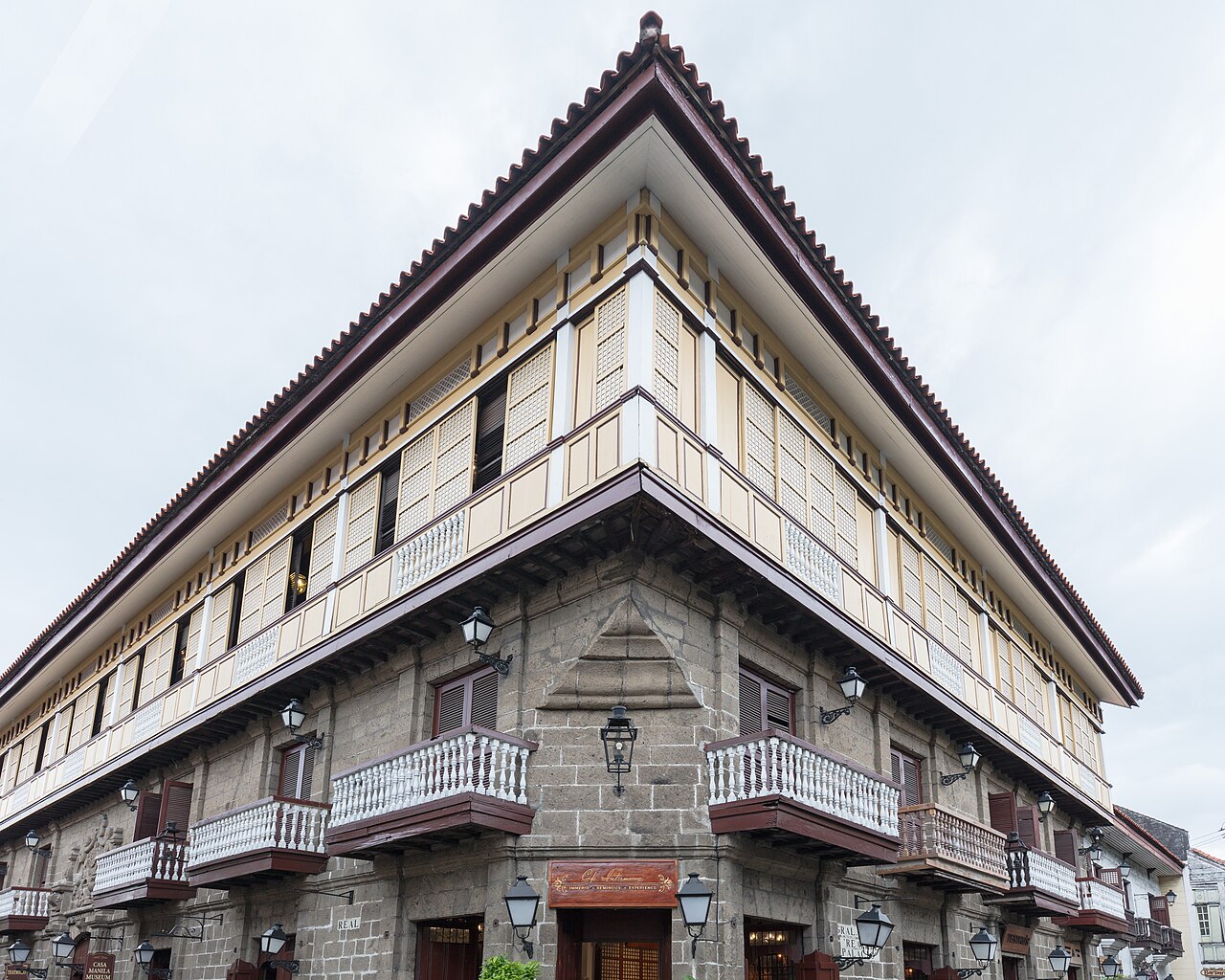
The museum's Intramuros location permits combination with nearby heritage sites including San Agustin Church, Fort Santiago, and Casa Manila, traffic and stamina permitting.
On-site catering or refreshment facilities are Not recorded. Visitors should plan accordingly, noting that dining options exist in surrounding Intramuros and nearby Binondo district.
Retail facilities at the museum are Not recorded. Visitors seeking related publications or cultural items should inquire directly or consult nearby commercial establishments.
Loading the interactive map…
The interactive map could not be loaded.

Last updated:
Source: OpenStreetMap contributors, Wikidata ·