.jpg)
.jpg)
.jpg)
2 min walk
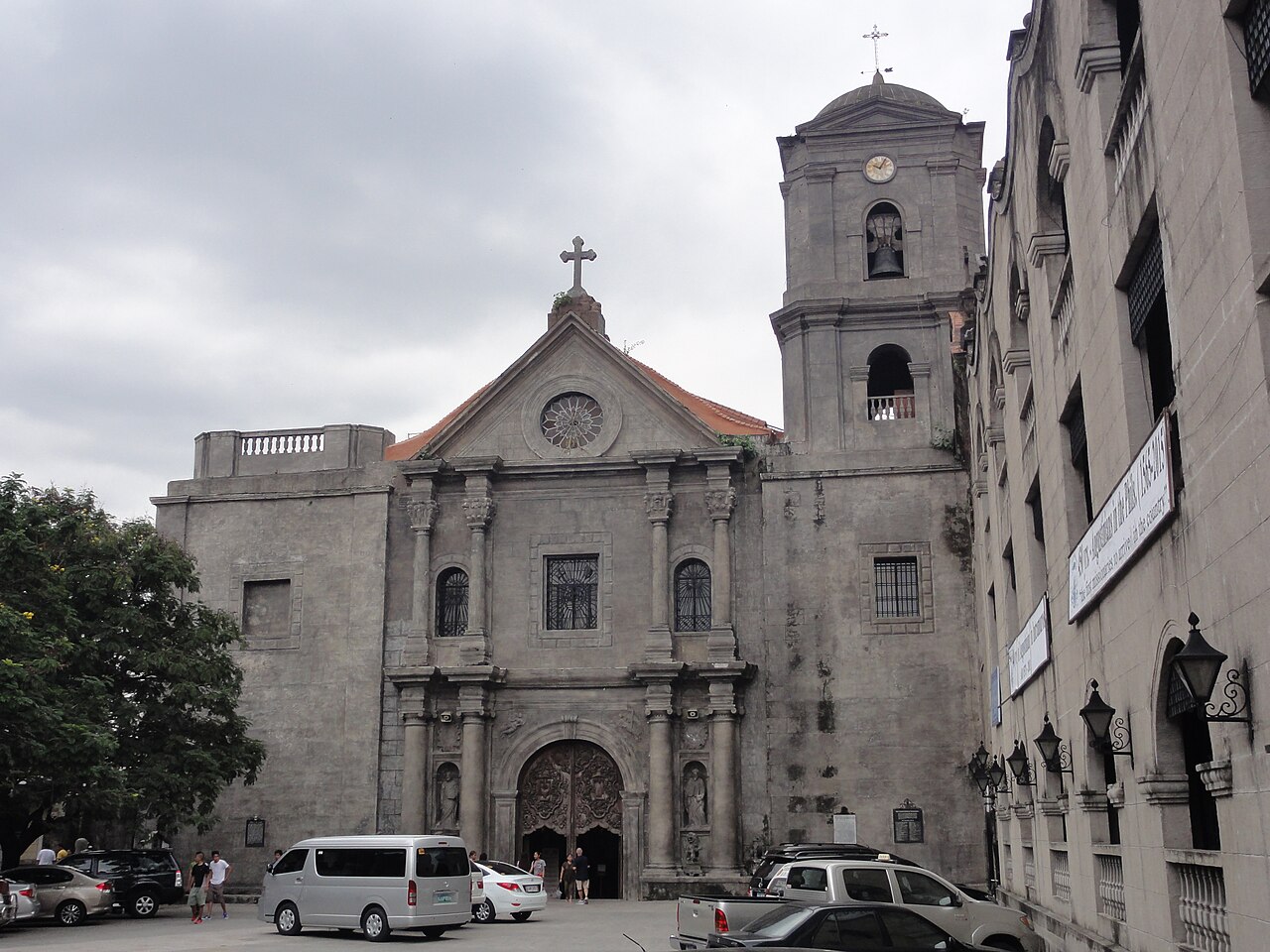
San Agustin Church
- Must see · Heritage site
- Historic monument
Language · 11 published
Activity · Manila

Plaza San Luis Complex is a heritage destination within the historic walled district of Intramuros, Manila. The complex comprises reconstructed Spanish colonial-era structures that function as a cultural and commercial venue. It stands near Manila Cathedral and represents an attempt to recreate the architectural atmosphere of the Spanish colonial period. The site serves as a gathering place for visitors exploring Intramuros, offering a concentrated experience of restored colonial architecture within the broader context of the walled city's historical significance as a former seat of Spanish colonial power in Asia.
Checked 2026-08-26
The complex contains several reconstructed buildings designed in Spanish colonial architectural style. These structures house various establishments including restaurants, shops, and cultural spaces. Casa Manila, a notable component, is a museum replicating a nineteenth-century Spanish colonial house with period furnishings and domestic artifacts. The complex includes interior courtyards typical of colonial residential architecture. Visitors can examine architectural details such as capiz shell windows, wooden balconies, and stone foundations. The arrangement attempts to evoke the spatial organization of a historical Manila neighborhood, though specific current tenants and exhibitions vary and should be verified on site.
Checked 2026-08-26
Visitors typically allocate between one and two hours for the Plaza San Luis Complex, depending on interest in architectural details and whether entering Casa Manila museum. Those combining the complex with broader Intramuros exploration may spend a full half-day or longer in the district. Photography enthusiasts and history-focused visitors tend toward longer stays. The compact nature of the complex allows for efficient viewing, though individual pacing varies considerably. Adjacent attractions including Manila Cathedral, San Agustin Church, and Fort Santiago extend possible visit duration substantially. Planning for variable timing accommodates both casual passersby and dedicated heritage tourists without rigid scheduling requirements.
Checked 2026-08-26

Operator-confirmed hours are Not recorded pending review. Visitors should verify current opening times before travel. Manila's tropical climate features distinct wet and dry seasons. The dry season from December through May generally offers more favorable conditions for walking through Intramuros. March to May brings highest temperatures and humidity. June through November constitutes the rainy season with increased precipitation and potential typhoon activity. Morning visits typically experience milder temperatures and reduced crowding compared to midday and afternoon periods. Weekend and holiday periods attract increased domestic tourism. No specific seasonal events at the complex are documented in available sources.
Checked 2026-08-26
Operator-confirmed prices are Not recorded pending review. Visitors should verify current admission costs before travel. Casa Manila museum may operate with separate ticketing from the general complex grounds, which appear accessible without charge for exterior circulation. Any applicable fees would support maintenance of heritage structures and museum operations. International visitors should confirm whether differential pricing applies. Payment methods accepted are not specified in available sources. Group rates, student discounts, or senior citizen privileges common at Philippine cultural sites should be inquired about directly. Budget planning should accommodate potential variable costs across different components of the Intramuros heritage district.
Checked 2026-08-26
Plaza San Luis Complex sits within Intramuros, accessible from multiple entry points to the walled city. The nearest major landmark is Manila Cathedral. Public jeepneys and buses serve routes along nearby streets including Bonifacio Drive and Padre Burgos Avenue, though final approach requires walking through Intramuros gates. Taxi and ride-hail services provide direct access. The United Nations LRT-1 station lies at walking distance though the route involves crossing busy roads. Intramuros itself is pedestrian-oriented with limited vehicle access in core areas. Visitors should expect to walk cobblestone and uneven surfaces. Signage within Intramuros assists navigation to major landmarks including the complex.
Checked 2026-08-26

The tropical climate demands hydration and sun protection during outdoor exploration. Cobblestone and uneven walking surfaces present trip hazards, particularly during or after rainfall when surfaces become slippery. Limited shade in portions of the complex exposes visitors to direct sun. Intramuros overall has limited emergency service infrastructure; visitors should carry essential medications and contact information. The surrounding metropolitan area experiences significant traffic congestion affecting arrival and departure timing. Petty theft awareness applies as at any tourist destination. Structural authenticity varies across reconstructed elements; visitors seeking verified original construction should consult on-site information or specialized heritage resources. Noise from adjacent streets penetrates the historical zone.
Checked 2026-08-26
The reconstructed colonial architecture provides structured compositions with symmetrical facades, wooden balconies, and courtyard perspectives. Capiz shell windows create distinctive light diffusion effects suitable for interior and detail photography. Morning and late afternoon offer softer directional light on exterior surfaces. Midday sun produces harsh shadows in tropical latitudes. Interior Casa Manila photography may face low light conditions requiring adjusted camera settings; any flash or tripod restrictions are not documented and should be confirmed on site. Courtyard spaces offer enclosed framing opportunities. The compact site limits wide-angle landscape potential without including modern intrusions. Respect for any posted restrictions or private commercial spaces within the complex applies.
Checked 2026-08-26
The complex comprises reconstructed buildings designed to replicate Spanish colonial architecture rather than original surviving structures. Casa Manila specifically is a museum recreation of a nineteenth-century house.
Current commercial tenants operate within reconstructed heritage-style buildings. Specific establishments and their historical authenticity are not documented in available sources.
Operator-confirmed prices are Not recorded pending review. Exterior grounds appear accessible without charge though individual attractions such as Casa Manila may have separate fees.
Casa Manila functions as a museum component within the broader Plaza San Luis Complex, representing a reconstructed nineteenth-century Spanish colonial house with period furnishings.
Accessibility conditions including ramp availability, surface navigability, and interior access are not documented in available sources. Visitors requiring accessibility accommodations should verify directly before travel.
The complex's proximity to Manila Cathedral and other major Intramuros landmarks suggests likely inclusion in district tours, though specific tour routes and inclusions are not documented in available sources.
Loading the interactive map…
The interactive map could not be loaded.

Last updated:
Source: OpenStreetMap contributors ·