


2 min walk
Memorare – Manila 1945 historical marker
- Must see
- Historic monument
Language · 11 published
Museum · Manila
Closed today, Monday. Next open Tuesday at 09:00 — the planner will not place a stop here on a Monday.
Plan around it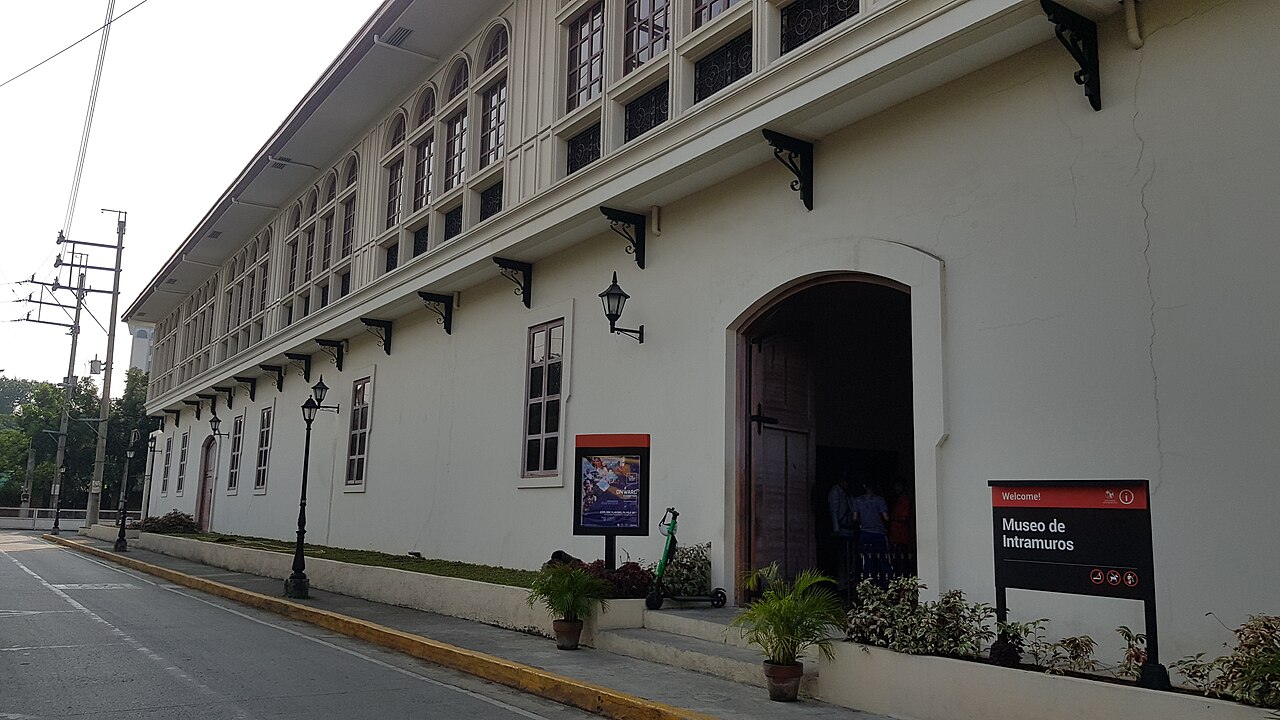
| Monday | Closed |
|---|---|
| Tuesday | 09:00 – 17:00 |
| Wednesday | 09:00 – 17:00 |
| Thursday | 09:00 – 17:00 |
| Friday | 09:00 – 17:00 |
| Saturday | Closed |
| Sunday | Closed |
Parsed from OpenStreetMap opening hours on 2026-08-26.
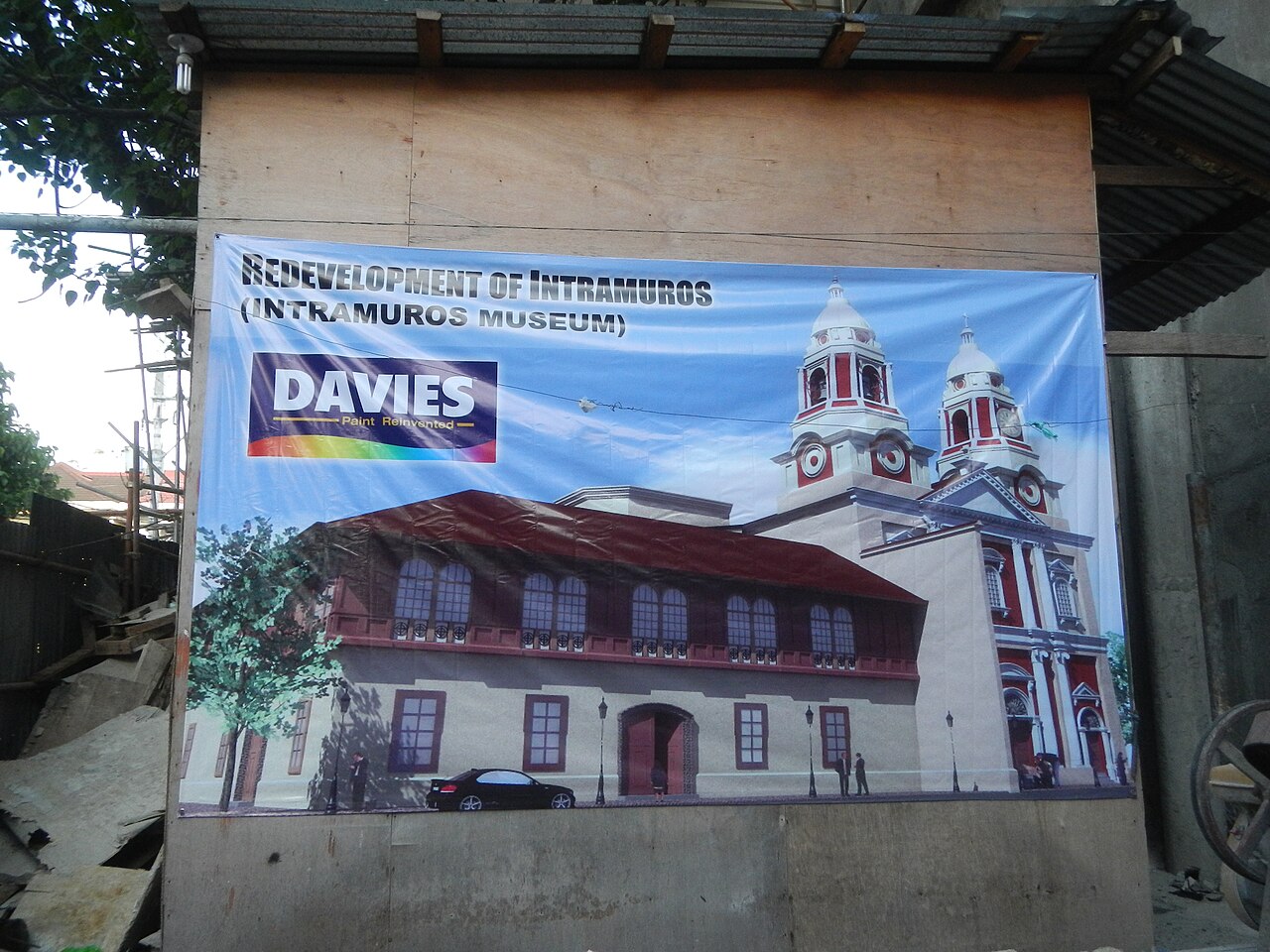
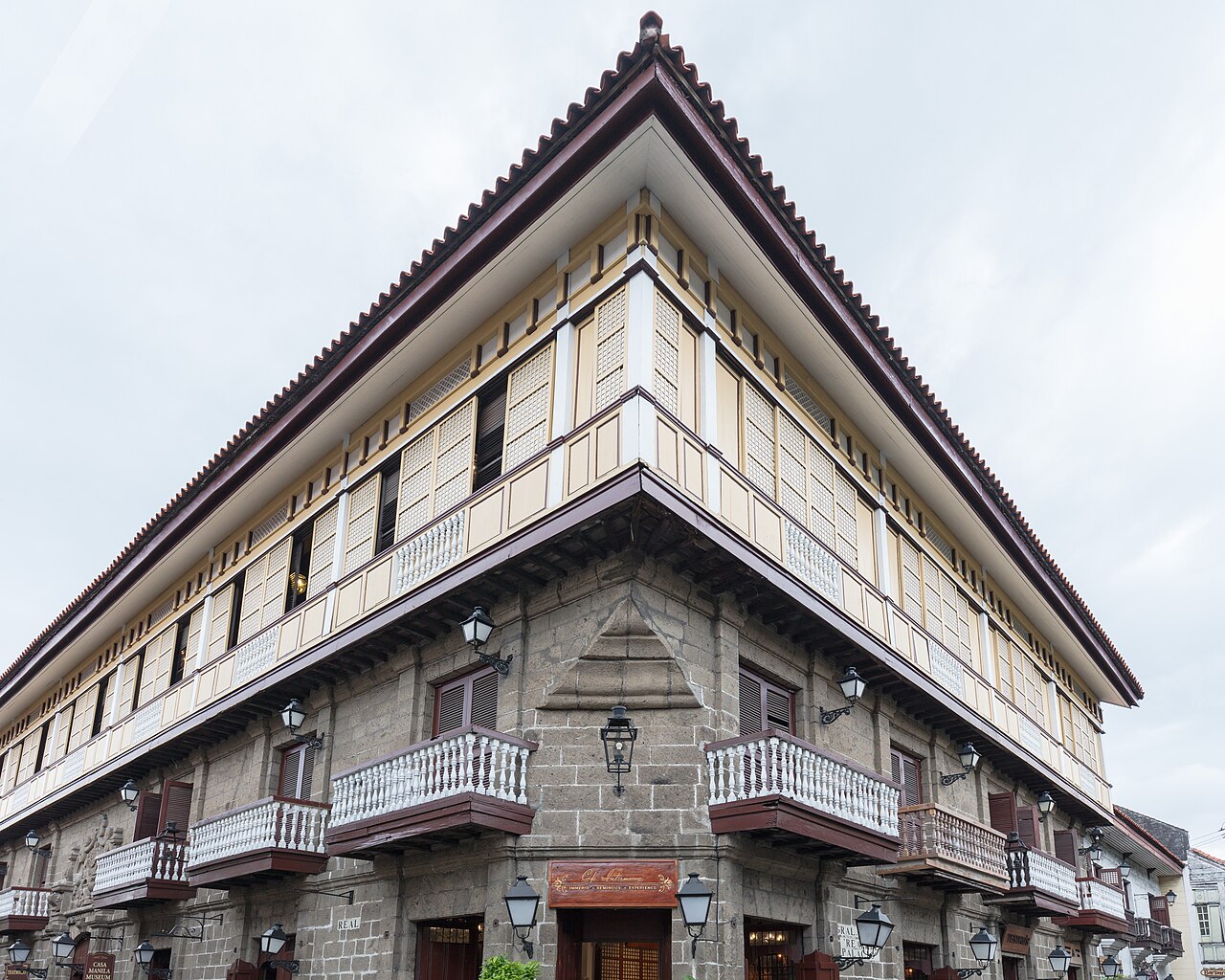
Museo de Intramuros is a museum located within the historic walled district of Intramuros in Manila, Philippines. The institution occupies a significant position in Metro Manila's cultural tourism landscape, serving as a meaningful visitor destination according to available tourism documentation. The museum forms part of the broader heritage precinct that represents Spanish colonial urban planning in Asia. Its establishment reflects ongoing efforts to preserve and present Philippine ecclesiastical and colonial history. The museum operates within a district recognized for its concentration of historic structures and cultural institutions.
Checked 2026-08-26
The museum's collections relate to the religious and colonial heritage of Intramuros, the historic center of Manila. Exhibits encompass ecclesiastical art, artifacts, and materials connected to the religious orders that established presence in the walled city. The institution presents objects that illuminate the spiritual and artistic traditions developed during the Spanish colonial period. Displays likely include liturgical items, devotional images, and historical documents. The museum contributes to visitor understanding of how religious institutions shaped the cultural development of the Philippine capital. Specific current exhibition details and complete collection inventories are Not recorded.
Checked 2026-08-26
Visitors should allocate sufficient time to appreciate the museum's holdings within the context of broader Intramuros exploration. A focused visit to Museo de Intramuros alone may require approximately one hour, though individual pacing varies considerably based on interest in ecclesiastical art and colonial history. Many visitors combine this institution with adjacent heritage sites including San Agustin Church and Fort Santiago. The compact geography of Intramuros facilitates multi-site itineraries. Total time commitment depends on whether visitors pursue guided interpretation, independent examination, or integration with district-wide walking exploration of the walled city's defensive architecture.
Checked 2026-08-26
Visitors should verify current operational status directly with museum administration or through official tourism channels before planning visits. Manila's tropical climate presents consistent warmth year-round with distinct wet and dry seasons. The dry season from November to April typically offers more favorable conditions for walking exploration of Intramuros. Rainy season months may complicate outdoor movement between district sites. Morning visits may provide more comfortable temperatures and reduced crowding at popular heritage destinations within the walled city. Check the operator's own site for the travel date before relying on a schedule or fare.
Checked 2026-08-26
Visitors should confirm current fee structures directly with museum staff or authorized representatives before arrival. Some heritage institutions within Intramuros operate coordinated ticketing or combined admission arrangements with nearby sites. Budget-conscious travelers may wish to inquire about available packages. International visitors should verify accepted currencies and whether advance reservation systems apply. Documentation requirements for discounted entry categories such as student or senior rates remain unconfirmed in available sources and require direct verification. Check the operator's own site for the travel date before relying on a schedule or fare.
Checked 2026-08-26
Museo de Intramuros occupies a central position within the historic walled district on the south bank of the Pasig River in Manila. The Intramuros district is accessible through multiple entry points in the preserved defensive walls. Public transportation options include jeepneys, buses, and taxis serving the surrounding area, though specific route numbers and terminal locations are Not recorded. Ride-hailing services operate in Metro Manila and may provide convenient access. Walking from nearby transit points requires navigation through active urban traffic. Visitors already exploring Intramuros can reach the museum on foot given the district's compact dimensions.
Checked 2026-08-26
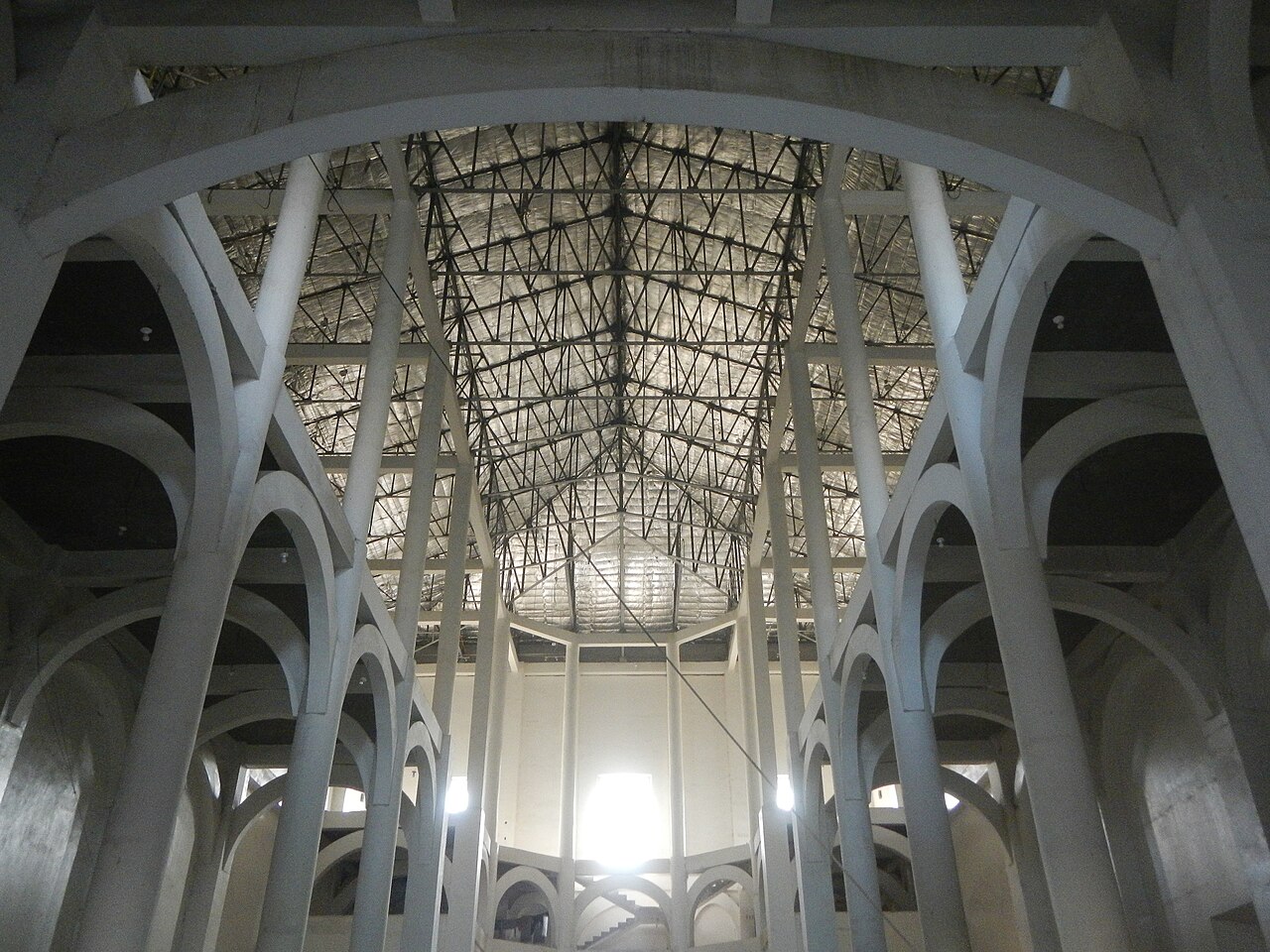
Visitors should exercise standard urban awareness when approaching and moving within Intramuros. The district contains active roadways with mixed pedestrian and vehicle traffic. Sidewalk conditions vary and may present accessibility challenges. Manila's tropical climate necessitates hydration and sun protection during outdoor walking segments between sites. The museum's specific accessibility provisions, security protocols, and bag restrictions are Not recorded. Visitors should inquire directly about accommodations for mobility limitations. Photography policies within exhibition spaces require verification on arrival. Valuables merit appropriate attention given tourist concentration in the heritage district.
Checked 2026-08-26
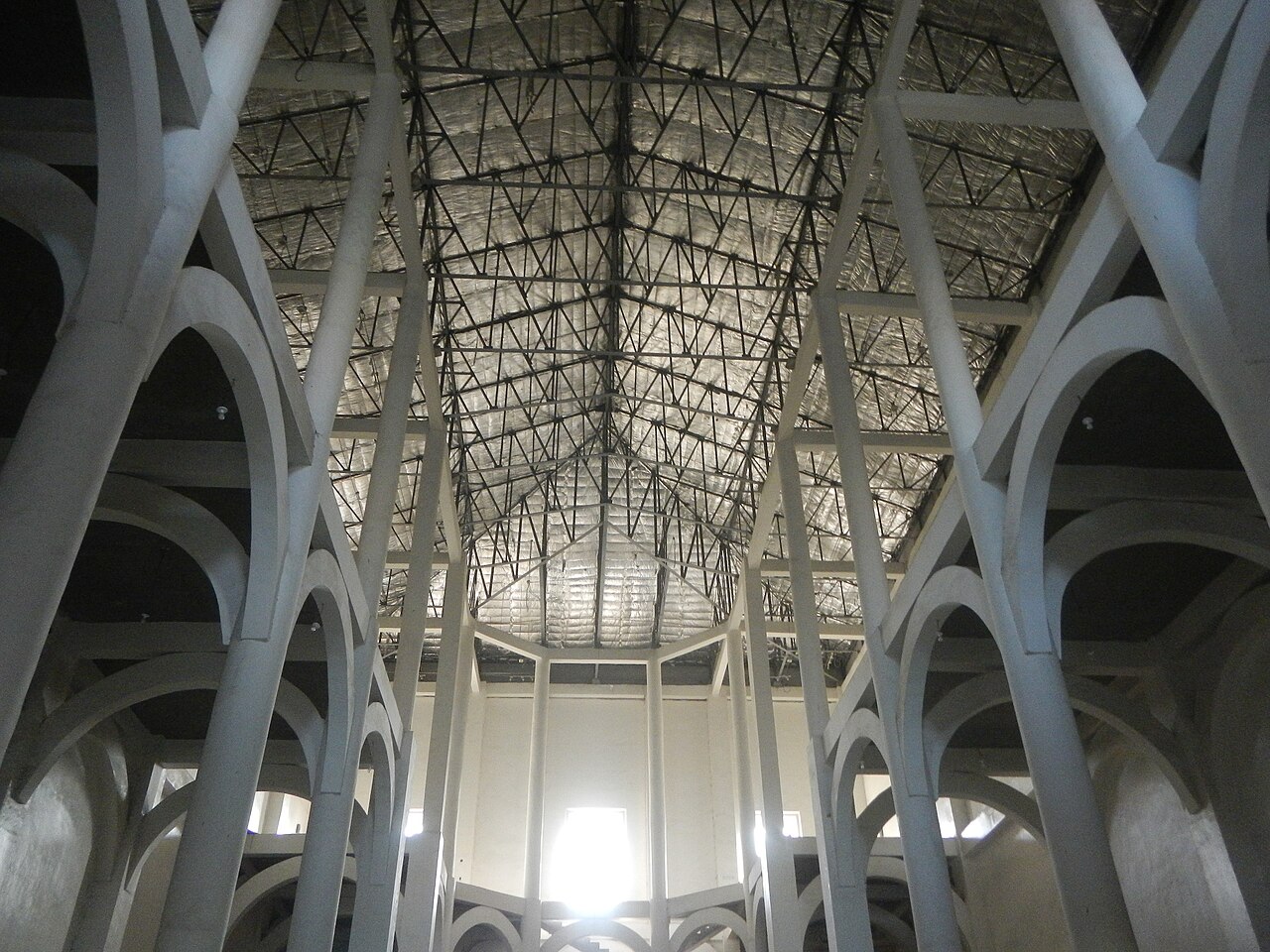
Photography policies at Museo de Intramuros are Not recorded pending direct verification. Visitors should assume restrictions may apply to specific collection items or exhibition areas, particularly concerning flash photography, tripod use, and video recording. Many museums with ecclesiastical collections implement protective limitations due to light sensitivity of historical materials. Visitors wishing to photograph should request explicit guidance from staff upon entry. Social media sharing of permitted images should respect institutional guidelines. Drone photography within Intramuros would require verification against both museum policies and broader regulations governing heritage district airspace and cultural property protection.
Checked 2026-08-26
Yes, the museum operates within Intramuros, the historic walled district containing multiple colonial-era churches, fortifications, and cultural institutions including San Agustin Church and Fort Santiago.
Yes, the compact geography of the walled city facilitates combined itineraries, though specific time requirements depend on individual interests and operational schedules of each institution.
Availability of guided tours is Not recorded. Visitors should inquire directly with museum administration regarding interpretive services and any associated requirements.
Specific accessibility provisions are Not recorded. Visitors requiring accommodations should contact the museum directly to verify entrance access, elevator availability, and restroom facilities.
Availability of ancillary facilities such as retail or food service is Not recorded. Visitors should verify amenities directly or plan accordingly for refreshments elsewhere in Intramuros.
Both institutions represent religious heritage within Intramuros. San Agustin Church is a separate adjacent site with its own operational status. Visitors often combine these destinations given proximity.
Loading the interactive map…
The interactive map could not be loaded.

Last updated:
Source: OpenStreetMap contributors, Wikidata ·