
3 min walk
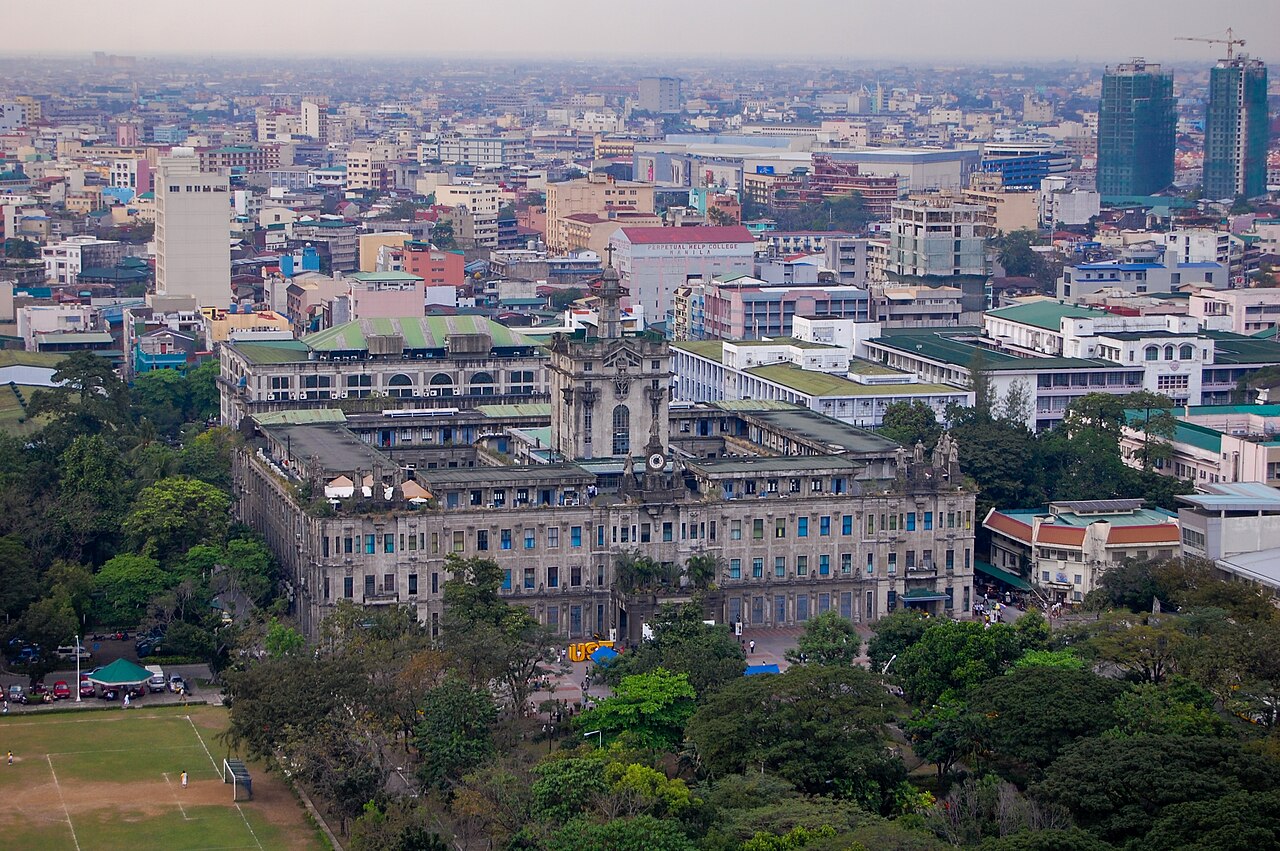
University of Santo Tomas
- Must see · Heritage site
- Place of worship
Language · 11 published
Historic monument · Manila
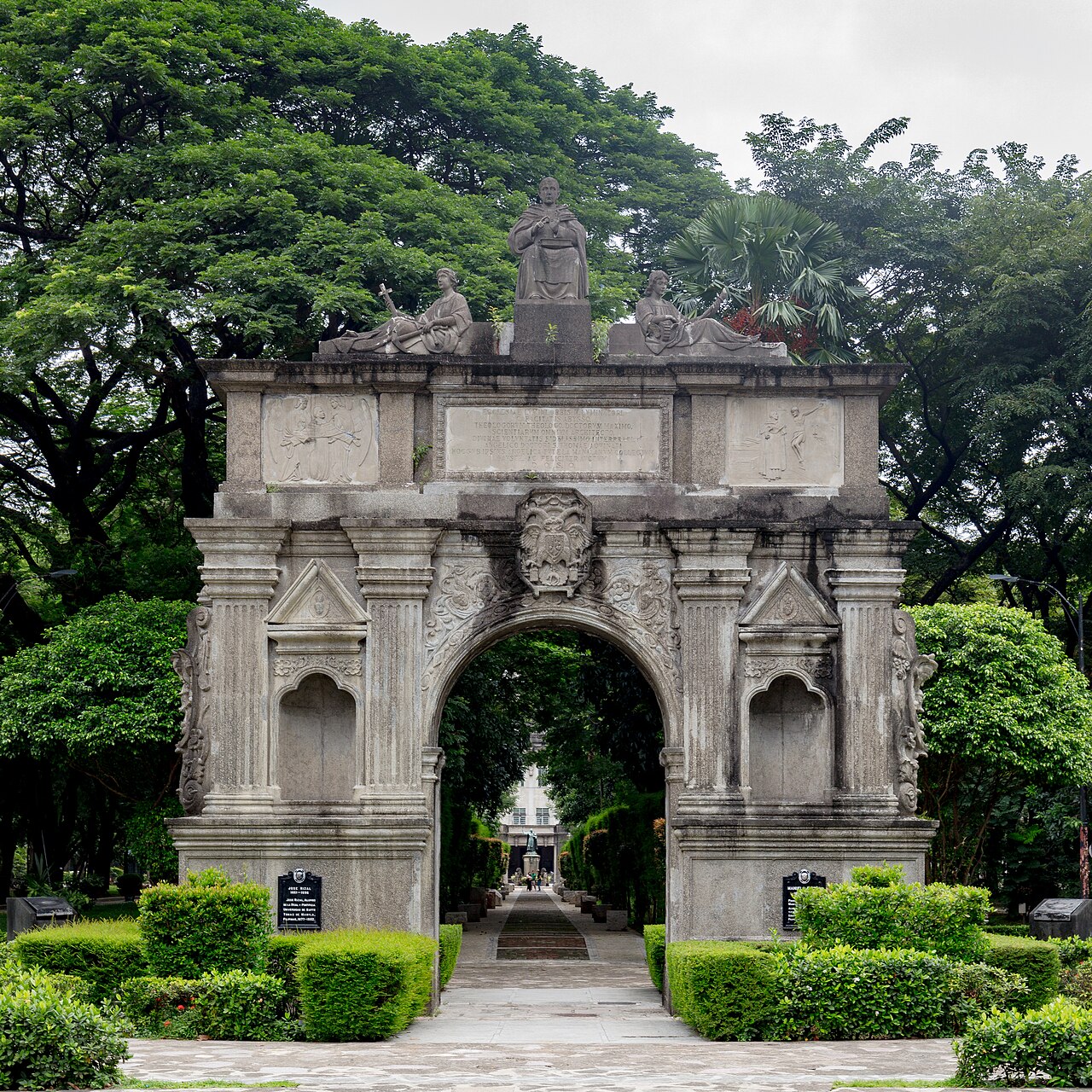
The Arch of the Centuries is a historic gateway at the University of Santo Tomas in Manila’s Sampaloc district. It once formed part of the university’s original campus in Intramuros and was later relocated to the present grounds. The monument represents the long educational story of UST and is also associated with graduation ceremonies. For travelers, it is a compact heritage landmark that connects Manila’s university life with its colonial past. The Arch of the Centuries is a historic monument located at the University of Santo Tomas in Manila. This iconic structure originally formed part of the university's old campus in Intramuros before being relocated to its present site in Sampaloc. The arch stands as a symbolic gateway representing centuries of Philippine educational heritage. It serves as a ceremonial passageway for graduating students and remains one of the most photographed landmarks associated with the oldest university in Asia. Visitors should verify current entry requirements directly with the institution. It stands at the University of Santo Tomas in Sampaloc, Manila, near the España Boulevard area.
Checked 2026-08-26 · Source
The arch is an open monumental structure, not an enclosed attraction. Visitors view its stone gateway, classical details, and ceremonial setting from the university grounds. There are no galleries or interior rooms within the monument itself. Its meaning comes from the passage beneath it, its connection with UST, and the contrast between historic masonry and the active campus around it. Pairing the arch with a broader Sampaloc walk gives the short stop more context. The Arch of the Centuries functions as a standalone monumental gateway rather than an enclosed structure with interior spaces. Visitors approach the arch from the university grounds, passing beneath its stone construction. The surrounding area includes landscaped portions of the UST campus. The monument itself features classical architectural elements typical of Spanish colonial-era design. No separate exhibition spaces or visitor facilities are directly incorporated into the arch structure.
Checked 2026-08-26 · Source
Set aside fifteen to thirty minutes for the arch itself. That is enough time to approach it, study the stonework, pass beneath the gateway when campus activity permits, and take photographs. Travelers with a particular interest in UST history may spend longer exploring the surrounding university setting. The monument is best treated as a concise heritage stop within a day that includes other Manila landmarks, rather than as a lengthy standalone attraction.
Checked 2026-08-26 · Source
Visit during daylight so the arch’s stone surface and architectural details are easy to see. A quieter weekday period can make photography and observation more comfortable, while graduation ceremonies and other university activity can bring extra movement around the gateway. The monument stands on an active campus, so the best moment is one that leaves students and ceremonies undisturbed. Build the stop into your Manila route with some flexibility.
Checked 2026-08-26 · Source
The Arch of the Centuries is a monument on University of Santo Tomas grounds rather than a separately ticketed museum. Entry to the surrounding campus is governed by university access arrangements, and the arch has no dedicated exhibition or ticket counter. Treat the stop as a campus visit: follow security instructions, respect any identification requirements, and do not enter restricted areas simply to reach a better view.
Checked 2026-08-26 · Source
The arch stands at the University of Santo Tomas in Sampaloc, near España Boulevard. Manila buses, jeepneys, taxis, and ride-hailing vehicles serve the surrounding urban area, while the city’s LRT network provides rail access within the wider district. From the campus entrance, continue on foot according to the university layout and security directions. Traffic on major roads can be heavy, so allow additional time for the final approach.
Checked 2026-08-26 · Source
Remember that the arch stands inside an active university, not an isolated public square. Keep clear of classes, processions, and graduation activity, and follow campus security instructions without argument. Wet weather can make stone surfaces slippery. In the surrounding city, protect phones and bags in crowded streets and near transport. A considerate visit keeps the monument accessible to the university community as well as to travelers.
Checked 2026-08-26 · Source
The Arch of the Centuries is well suited to architectural photography, especially images that frame the gateway against the university setting. Use daylight to reveal the texture of the stonework and include the passage beneath the arch for scale. Keep equipment compact and avoid tripods or commercial setups unless the university permits them. Stop photographing when academic movement or a ceremony takes priority, and avoid obstructing the gateway.
Checked 2026-08-26 · Source
It stands at the University of Santo Tomas in Sampaloc, Manila, near the España Boulevard area.
The gateway was part of UST’s original Intramuros campus before relocation and represents the university’s long educational heritage. It is also linked with graduation ceremonies.
Allow fifteen to thirty minutes for the monument, photographs, and a brief appreciation of its university setting.
No. It is an open stone gateway with no galleries or interior rooms; its interest lies in the structure, passage, and campus context.
Daylight architectural photography suits the monument. Keep equipment unobtrusive, avoid blocking the gateway, and give way to university activity and ceremonies.
The arch is on active university grounds. Follow security directions, respect classes and ceremonies, and remain within areas open to visitors.
Loading the interactive map…
The interactive map could not be loaded.
Last updated:
Source: OpenStreetMap contributors, Wikidata ·