


_-_2021-06-28_-_1.jpg)

4 min walk
Ibn Yusuf Mosque
- Must see · Heritage site
- Place of worship
Language · 11 published
Museum · Marrakesh
Musée du Parfum
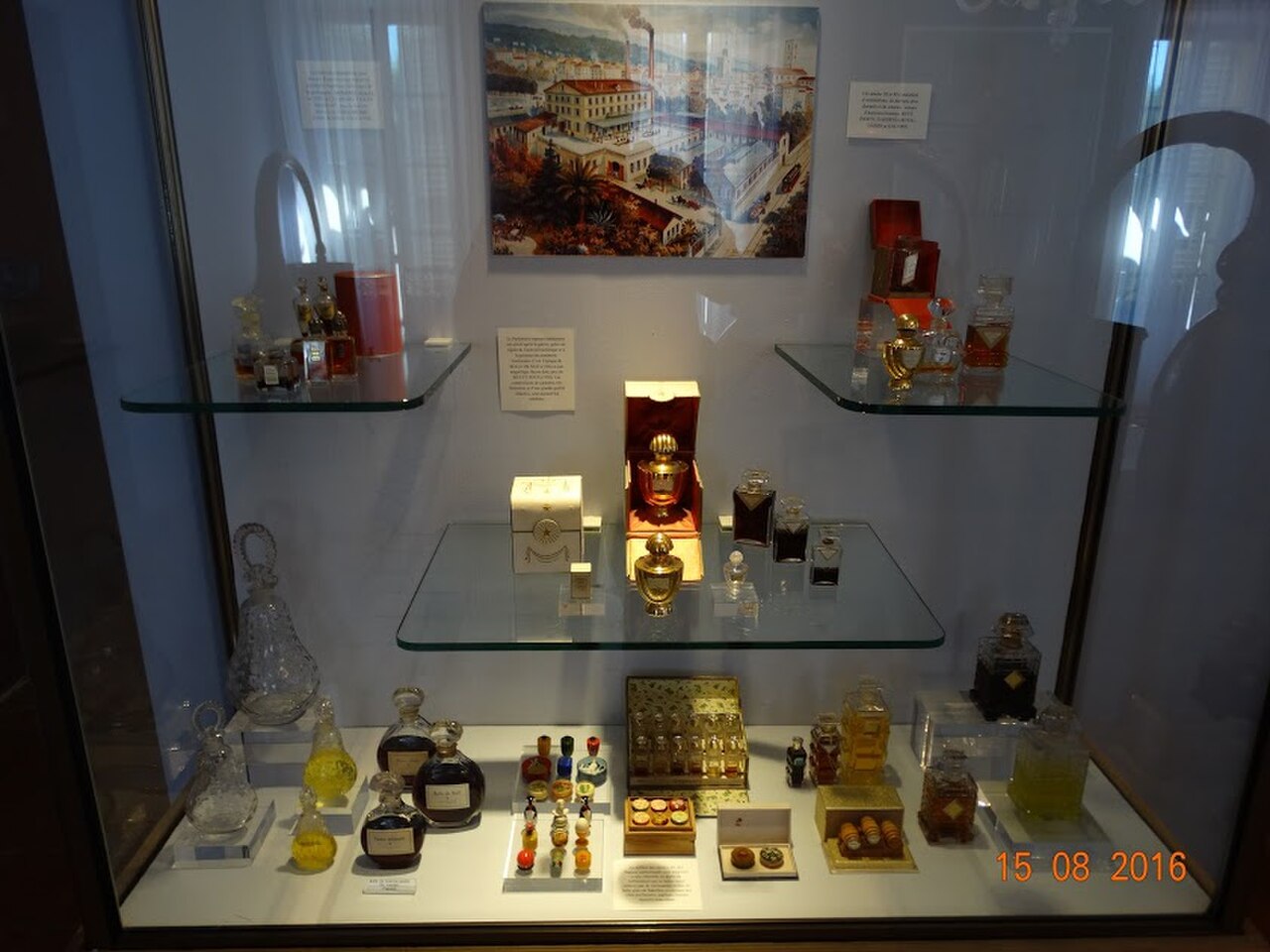
The Marrakech Museum of Perfume, also called Musée du Parfum, is an intimate museum in a traditional riad inside Marrakesh’s medina. It focuses on Moroccan fragrance culture, including scent in daily life, ceremony, adornment, and regional traditions. This specialist subject matches the atmospheric courtyard setting. The Marrakech Museum of Perfume, known locally as Musée du Parfum, occupies a traditional riad in Marrakesh. This intimate museum dedicates itself to Moroccan perfumery heritage, exploring the cultural significance of scent in Moroccan society. The setting within a historic courtyard house provides an authentic atmosphere appropriate to the subject matter. Visitors encounter displays concerning the role of fragrance in daily life, ceremony, and personal adornment across Moroccan traditions. The museum represents a specialized cultural institution rather than a comprehensive historical survey, focusing narrowly but deeply on olfactory culture. The specialized focus on perfumery history and technique may engage older children with relevant interests, though younger visitors might find the intimate, text-heavy environment less stimulating than interactive attractions. No specific children's programming is documented.
Checked 2026-08-26 · Source
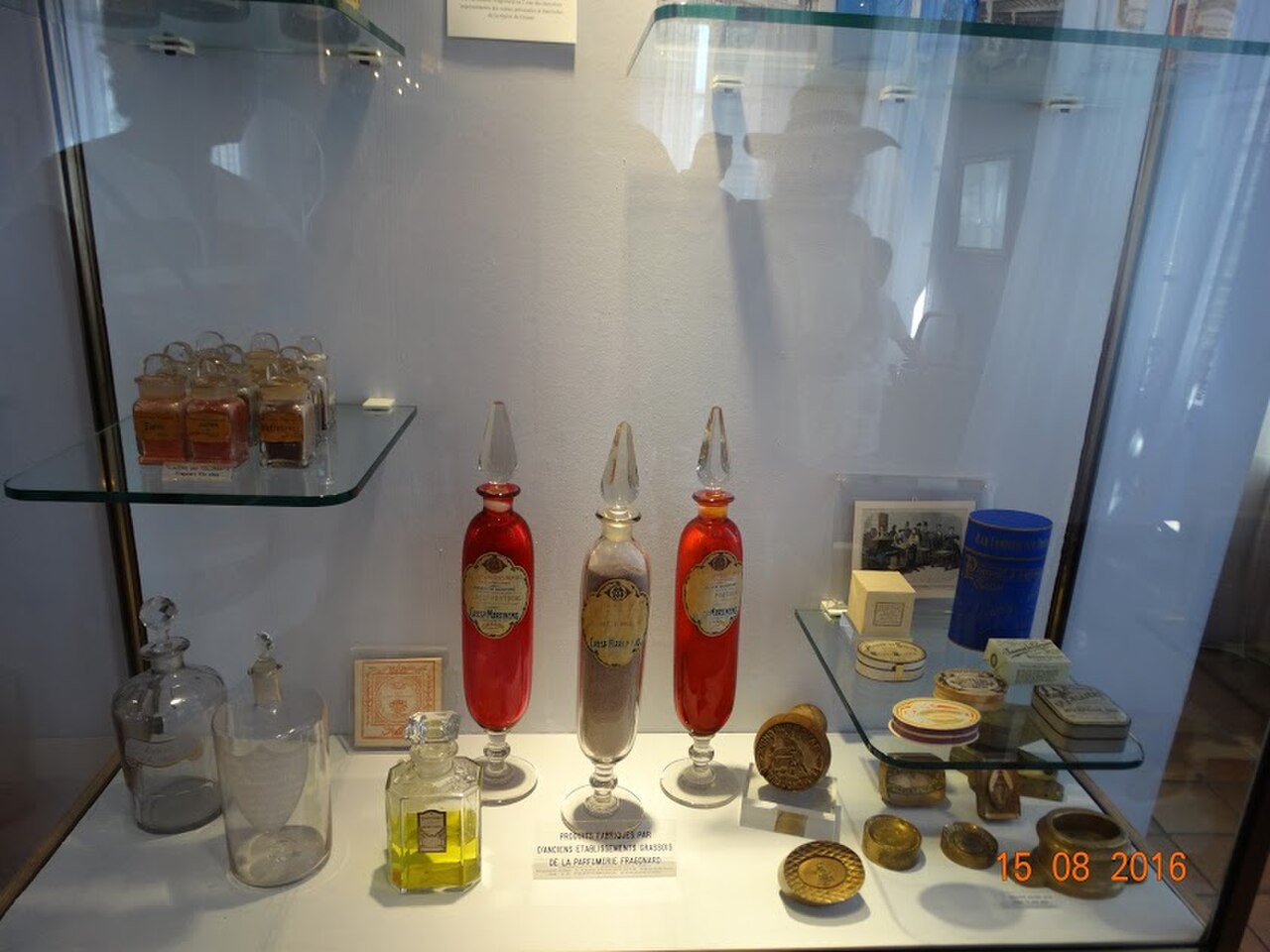
Displays explain floral ingredients, botanical materials, distillation, and preparation of finished scents. Tiled courtyard surfaces and carved plasterwork make the riad part of the experience. Expect concentrated educational displays and cultural context rather than a large collection or many galleries. Plant and craft enthusiasts may linger. Exhibitions address Moroccan perfumery techniques, including the distillation of floral materials and the preparation of traditional scents. The museum presents information about raw ingredients sourced from Moroccan flora and their transformation into finished perfumes. Visitors learn about scent traditions practiced across different regions and social contexts. The riad architecture itself contributes to the experience, with typical features such as tiled courtyards and carved plasterwork forming the display environment. The intimate scale means displays are concentrated rather than expansive, with emphasis on educational content over large collections of objects or interactive elements.
Checked 2026-08-26 · Source

Set aside roughly thirty to sixty minutes. The compact riad suits a focused visit and fits naturally into a wider medina day. Read the explanations at your own pace, then continue toward the souks or nearby historic sights. Fragrance enthusiasts may spend longer with botanical and cultural details. Most visitors complete the museum in approximately thirty to sixty minutes, depending on reading depth and interest in perfumery specifics. The compact riad layout naturally limits extended wandering, encouraging focused attention on presented materials. Those with particular interest in botanical distillation or Moroccan cultural practices may linger longer examining details. The museum suits inclusion within a broader Medina itinerary rather than serving as a full-day destination. Visitors typically combine this stop with exploration of surrounding souks, nearby historical sites, or other small museums in the old city quarter.
Checked 2026-08-26 · Source

Morning works well within a medina walking route, when outdoor temperatures are often more comfortable. The riad provides shade from strong sun, but remains a traditional interior setting. Combine the museum with souks and heritage sights. Ramadan can change the rhythm of businesses and cultural activity across Marrakesh. Visitors should verify current opening times through direct contact before planning attendance, as small private museums in Marrakesh frequently adjust schedules seasonally or with limited advance notice. Morning visits to the Medina generally offer cooler temperatures and less crowded conditions for navigating narrow streets. Ramadan periods may affect accessibility and staffing.
Checked 2026-08-26 · Source
Plan this as a small specialist museum stop within your medina budget. The place information establishes its subject and setting but gives no admission amount to quote. Moroccan dirhams are useful for surrounding souks and small transactions. Its compact character makes it different from a major timed attraction.
Checked 2026-08-26 · Source
The museum is inside Marrakesh’s Medina, where the final approach is on foot through narrow passages. Jemaa el-Fnaa is a useful orientation point, and the stop combines easily with a walk through souks and the historic quarter. Vehicles do not reach the immediate lanes, so allow time for the pedestrian approach.
Checked 2026-08-26 · Source

Expect uneven paving, narrow lanes, and moving motorbikes on the medina approach. Keep valuables secure and be prepared for persistent approaches around popular visitor routes. Inside the historic riad, stairs and thresholds may affect movement. Wear secure shoes, move carefully, and allow time to find the entrance without rushing.
Checked 2026-08-26 · Source

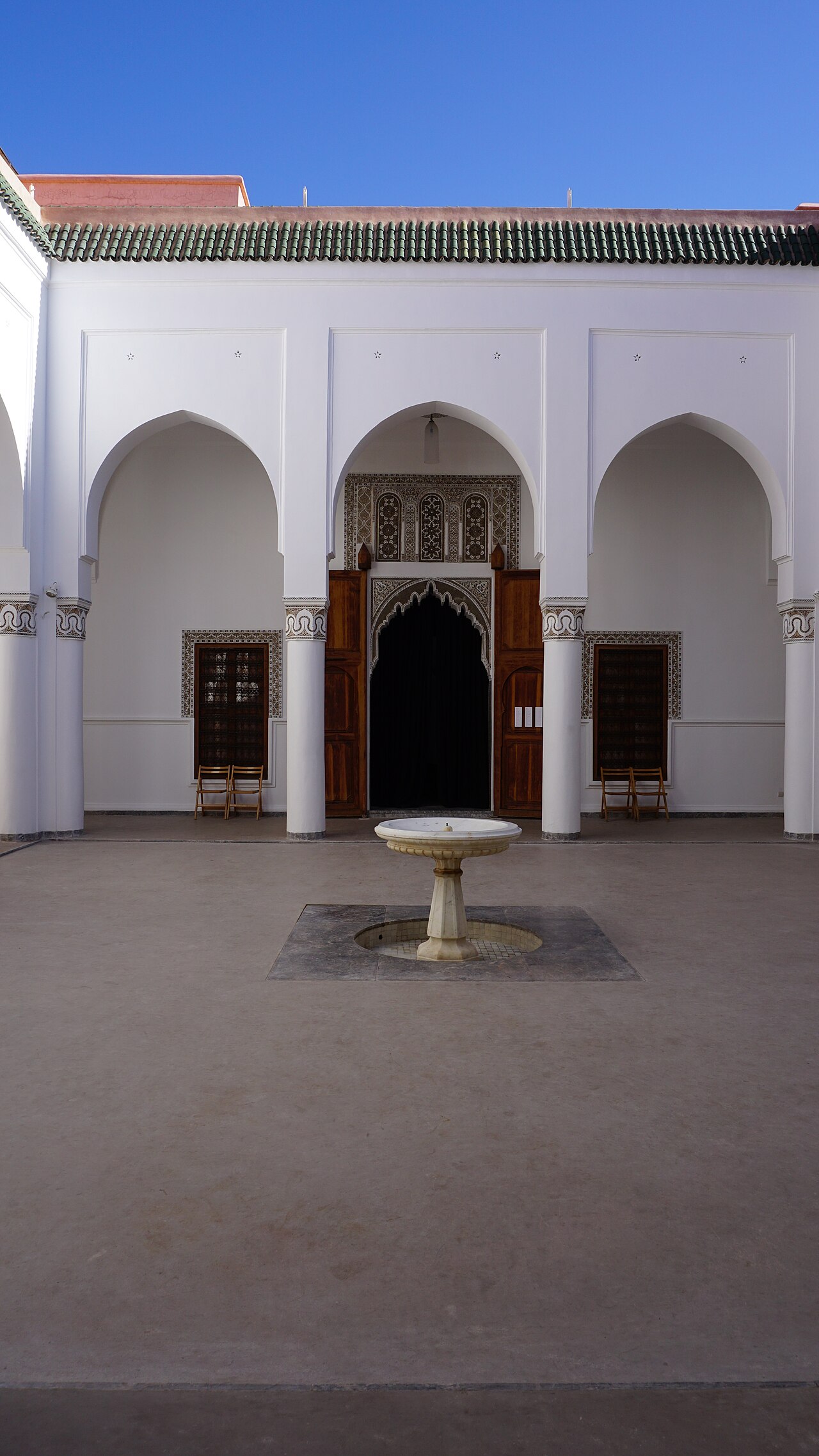
The riad offers visual interest through tiled courtyards, carved plasterwork, and the contrast between displays and traditional architecture. Keep camera equipment compact in confined rooms and avoid blocking passages. Ask before photographing staff or visitors. Close details of aromatic materials and objects can communicate the museum’s subject effectively.
Checked 2026-08-26 · Source
It focuses on Moroccan fragrance culture, including scent in daily life, ceremony, adornment, botanical materials, and traditional perfumery.
It occupies a traditional riad inside Marrakesh’s medina, the old walled city.
Most travelers should allow about thirty to sixty minutes for the compact museum experience.
You can learn about floral ingredients, botanical distillation, scent preparation, and fragrance’s role in Moroccan cultural life.
Yes. Its compact format suits a medina itinerary through the souks, Jemaa el-Fnaa, and nearby historic sights.
Focus on the traditional riad setting, tiled courtyards, carved plasterwork, display details, and the relationship between the museum and its architecture.
Loading the interactive map…
The interactive map could not be loaded.

Last updated:
Source: OpenStreetMap contributors ·