_-_Marrakesh_-_Morocco.jpg)

.jpg)
.jpg)
.jpg)
.jpg)
.jpg)
1 min walk
Jemaa el-Fnaa
- Must see · Heritage site
- Historic monument
Language · 11 published
Historic monument · Marrakesh

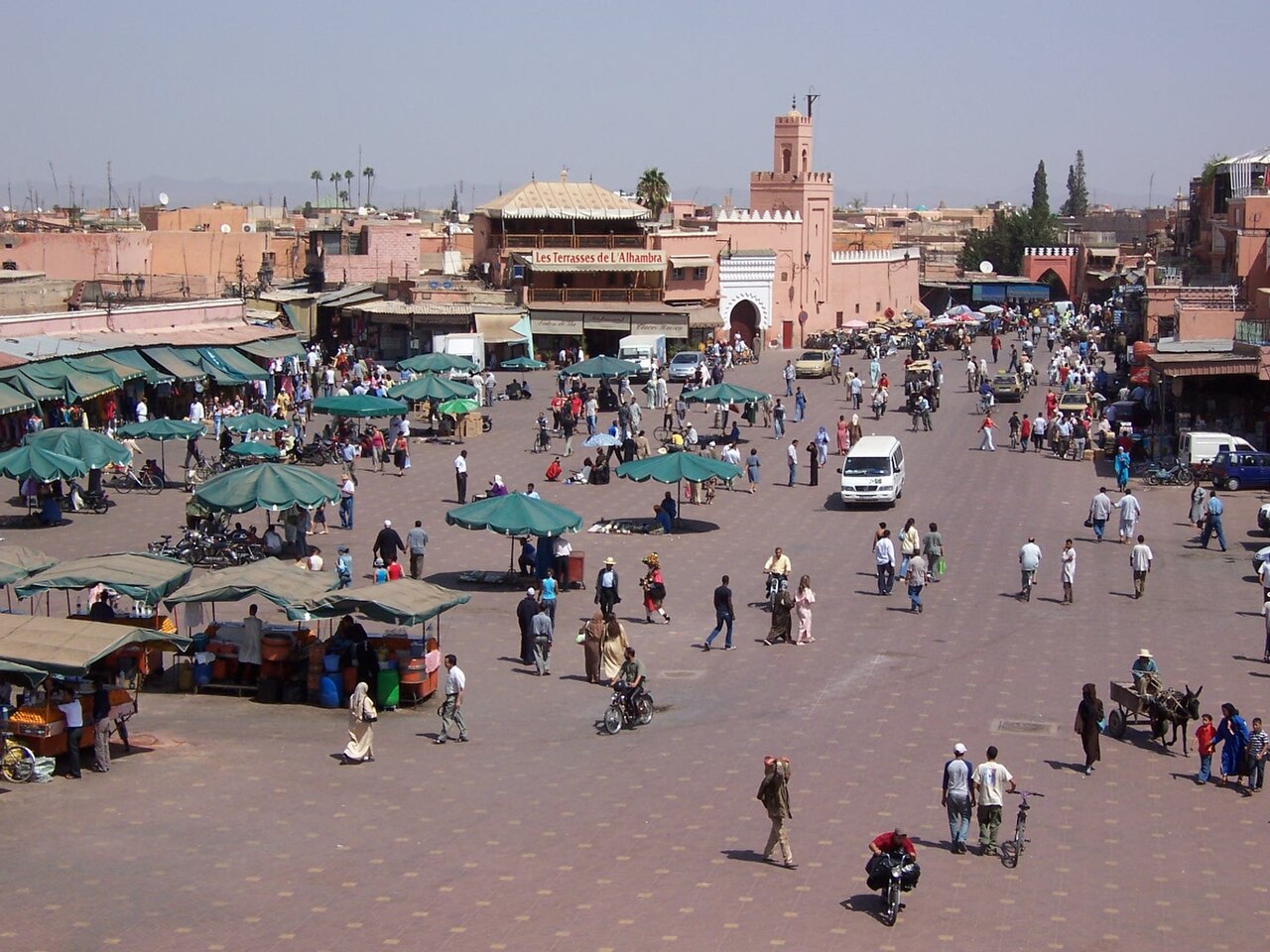
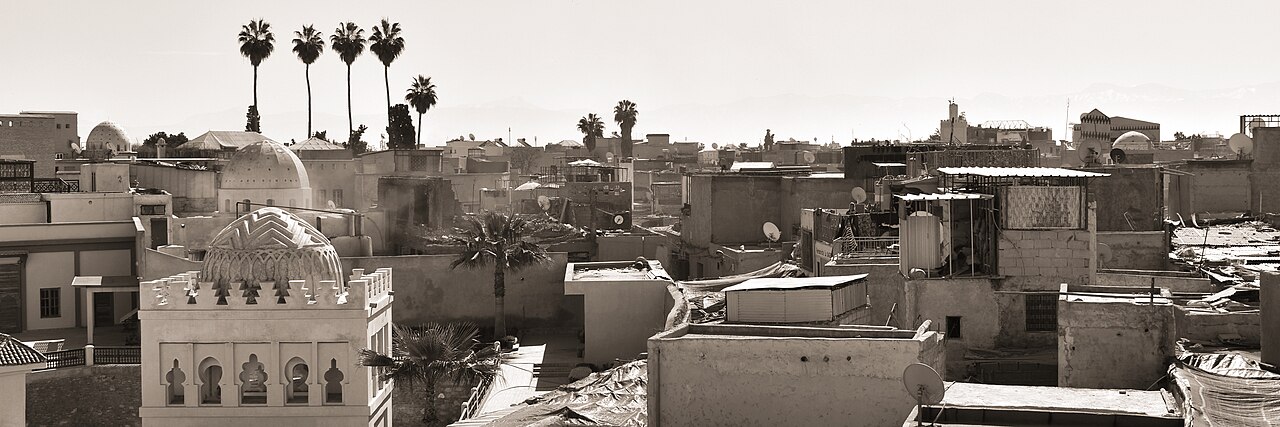
The Medina of Marrakech is the walled historic centre of the city. Visit Marrakech describes it as the old city and a World Heritage Site, enclosed by about 19 kilometres of ramparts built in 1122. Its streets, souks, religious buildings, palaces and public squares form a living urban district rather than one enclosed attraction. The Medina is the right setting for a walking day built around a small number of confirmed stops. It is also the city structure that explains why maps, fixed landmarks and patient navigation matter more here than a simple street grid.
Checked 2026-08-28 · Source
The Medina contains the souks, Jemaa el-Fna, Koutoubia Mosque, Medersa Ben Youssef, Bahia Palace, Saadian Tombs, ramparts and museums identified by the official visitor guide. These are separate places with separate access conditions, so the Medina should be understood as the connective fabric between them. Walk a short route with one anchor at a time instead of trying to cover every lane. The souks are active commercial streets, while palaces and museums are distinct visits. A food stop or hammam may fit the day, but each needs its own current confirmation.
Checked 2026-08-28 · Source
Allow at least three hours for a first Medina walk, and reserve a half day if combining the lanes with a palace, museum or souk shopping. The recorded duration is Not recorded because the Medina has no single boundary gate or fixed route. Time expands when a visitor follows every turning, bargains, stops for food or searches for a specific landmark. A focused route from one known landmark to another is usually more useful than trying to see the whole old city. Return later for another compact section rather than forcing a complete circuit.
Checked 2026-08-28 · Source
Go in daylight for orientation, then choose an evening return to Jemaa el-Fna only after deciding how you will get back to your accommodation. Visit Marrakech specifically highlights Jemaa el-Fna at dusk, while the rest of the Medina's activity varies by lane, worship time and individual business. Current weather, market schedules, festivals and crowd levels are Not recorded in this guide. In hotter periods, build pauses and avoid using the most exposed walking hours for a long route. Check the official visitor guide for current city information before travel.
Checked 2026-08-28 · Source

Walking through the public Medina does not have a single recorded admission ticket. Palaces, museums, hammams, guided visits and other activities are separate services, each with its own operator and possible charge. Current prices and hours are Not recorded here unless confirmed from the responsible operator, so do not treat a free lane as evidence that every nearby doorway is free or open. Decide which paid attraction matters most, then use its official channel. This guide deliberately does not repeat market prices, as goods and individual vendors are not one admission product.
Checked 2026-08-28 · Source

Choose a named Medina landmark as the arrival point rather than relying on a vague district pin. The official tourism site offers maps, plans and advice on getting around Marrakech, which are more useful than expecting vehicles to follow every narrow lane. Once inside, walk between known anchors and keep an offline map available. The current best taxi drop-off, parking point and public-transport pattern are Not recorded here because they depend on the entrance and your accommodation. Confirm the final approach locally before leaving a vehicle or scheduling a return pickup.
Checked 2026-08-28 · Source

The Medina is shared by residents, traders, worshippers, delivery traffic and visitors. Keep belongings secure, step aside rather than blocking narrow passages and treat mosque access and photography as site-specific, not automatically public. In souks, distinguish browsing from an agreed purchase and ask before handling fragile goods. Current accessibility conditions, security notices and individual closure days are Not recorded in this guide. Do not accept directions or services on the assumption that they are official; confirm a route with a recognised landmark, accommodation host or official visitor source when unsure.
Checked 2026-08-28 · Source

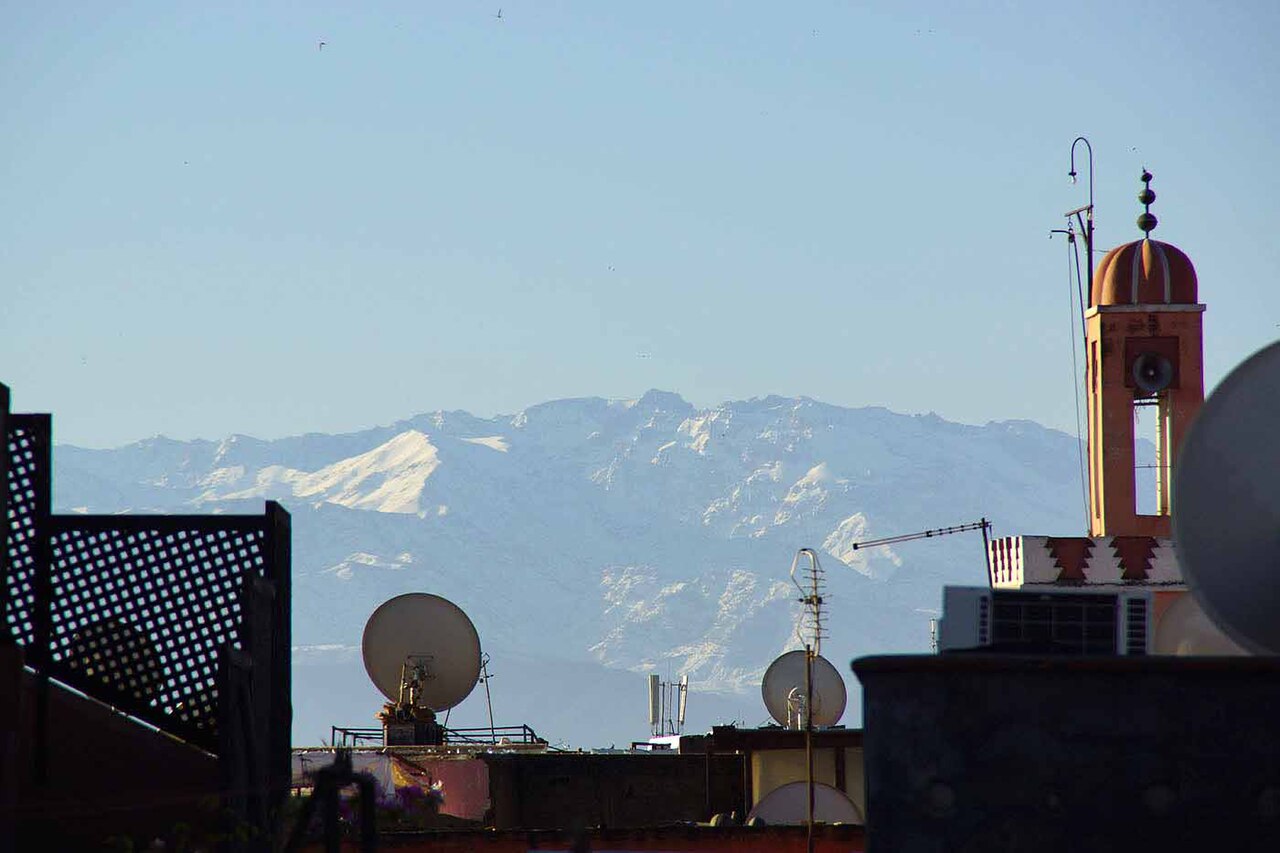
The visual interest is the relationship between lanes, carved doors, souks, ramparts and public-square activity rather than a single postcard viewpoint. Photograph respectfully in crowded shared spaces, ask before close portraits and never assume that worship, workshops or private courtyards are available for images. The Medina's existing six valid images remain unchanged by this guide update. Specific drone, tripod, commercial and venue-specific photography rules are Not recorded here; obtain permission from the responsible operator before using equipment beyond a hand-held camera. Keep moving so photography does not turn a narrow lane into an obstruction.
Checked 2026-08-28 · Source
It is Marrakech's walled historic centre, with souks, landmarks, public squares and living commercial streets.
Allow at least three hours for a focused walk and more time for any separately managed palace, museum or shopping stop.
The public Medina has no single recorded entry ticket. Individual palaces, museums and activities have their own arrangements.
The official guide identifies the souks, Jemaa el-Fna, Koutoubia, Medersa Ben Youssef, Bahia Palace, tombs and ramparts.
Use named landmarks and offline maps, then walk between a small number of confirmed stops rather than following an unfocused circuit.
Yes in public spaces with respect for people and movement. Ask before close portraits or photography in controlled and religious locations.
Loading the interactive map…
The interactive map could not be loaded.


Last updated:
Source: OpenStreetMap contributors ·