.jpg)
.jpg)


.jpg)
.jpg)
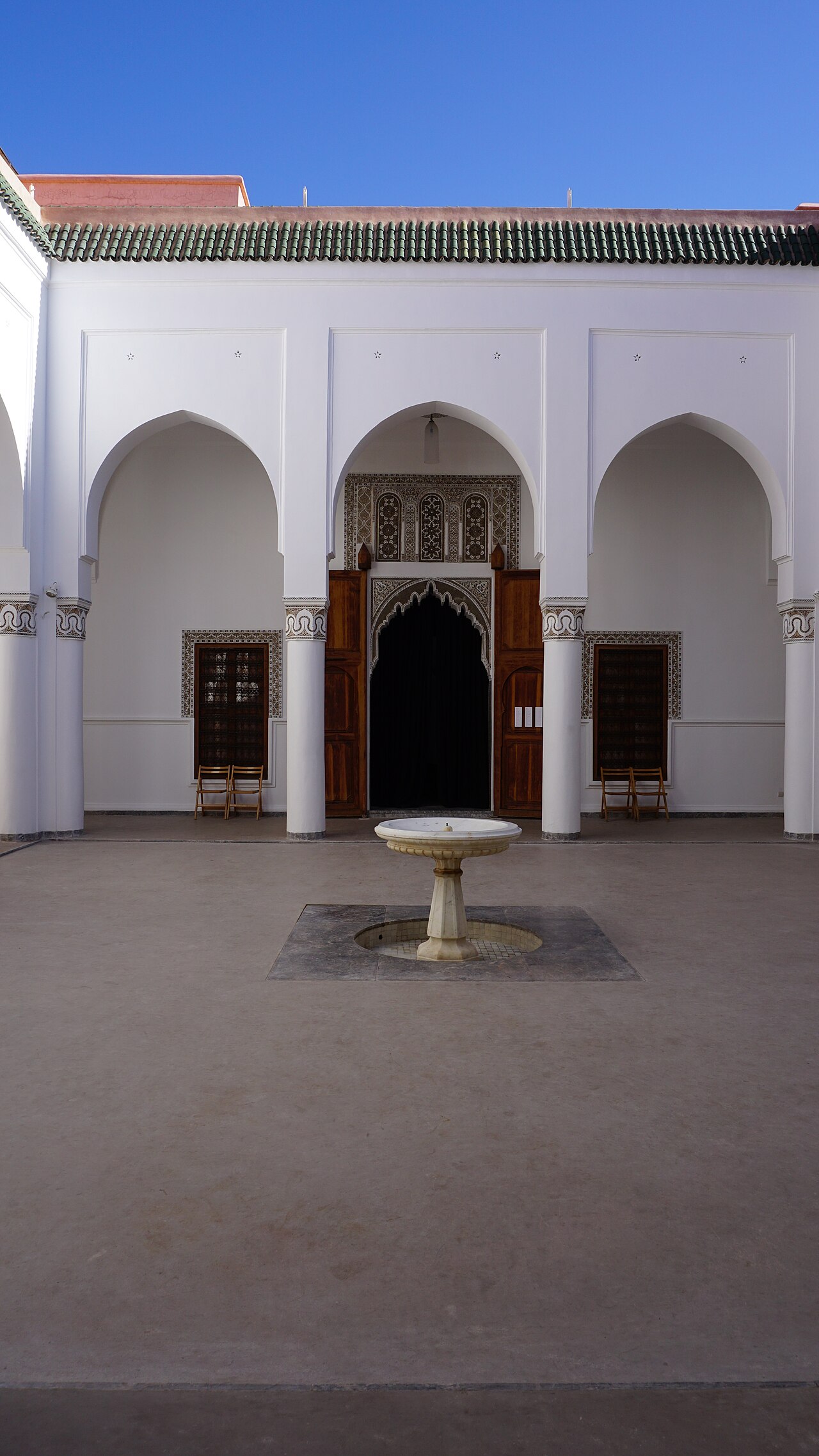
1 min walk
Dar Bellarj
- Must see
- Museum
Language · 11 published
Place of worship · Marrakesh
Ben Youssef Mosquée مسجد ابن يوسف

Ben Youssef Mosque is a major Almoravid-era religious landmark in Marrakesh's medina. It stands beside the famous Ben Youssef Madrasa, forming an important historical and spiritual complex in the old city. The mosque takes its name from Almoravid leader Ali ibn Yusuf, who ruled during the 12th century. As a functioning place of worship, it represents one of the significant Islamic architectural and religious sites in Marrakesh, though its interior is generally not accessible to non-Muslim visitors. Ben Youssef Mosque also earns time in a marrakesh itinerary because A major Almoravid-era religious landmark beside the madrasa, replacing the airport with a visitable medina POI. Its value becomes clearer when the stop is compared with the surrounding streets and the other ranked places nearby.
Checked 2026-08-26
The mosque interior contains traditional Islamic prayer halls with characteristic architectural elements typical of Moroccan religious buildings. These include decorative tilework, carved stucco, and wooden elements. The mihrab indicates the direction of prayer. Ablution facilities serve worshippers preparing for prayer. The minaret rises above the surrounding medina structures. Specific details about current interior furnishings, restoration work, or particular decorative programmes are not recorded. Visitors should respect that this remains an active place of worship rather than a tourist exhibition space.
Checked 2026-08-26

Most visitors observe the mosque exterior from the surrounding lanes rather than entering. A brief stop of ten to fifteen minutes suffices to appreciate the building's scale and architectural presence within the medina context. Those combining this with the adjacent Ben Youssef Madrasa, which does permit tourist visits, might allocate half a day for the broader area including nearby souks and the Marrakesh Museum. The mosque itself does not require extended time unless attending prayer as a worshipper. A flexible visit lets travellers connect Ben Youssef Mosque with the rest of the day without treating one room, viewpoint or photograph as the whole experience. The useful pace depends on personal interest and conditions on arrival.
Checked 2026-08-26

Operator-confirmed hours are Not recorded pending review. As an active mosque, prayer times structure daily accessibility. Non-Muslim visitors cannot enter during any period. The exterior may be viewed at any time while respecting worshippers. Early morning or late afternoon light enhances photography of the building facade and minaret. Friday midday prayers draw the largest congregations, making the surrounding streets particularly busy. Ramadan alters daily rhythms considerably. Visitors should check current conditions through local sources before planning specific timing.
Checked 2026-08-26
Operator-confirmed prices are Not recorded pending review. No admission fee applies to viewing the mosque exterior from public thoroughfares. Entry for worshippers is free as standard practice at functioning mosques throughout Morocco. The adjacent Ben Youssef Madrasa charges separate admission for tourists, but this does not include mosque access. No combined ticket exists between the two sites. Visitors should not expect to pay for mosque viewing but should carry small denomination currency for the madrasa if intending to visit both locations.
Checked 2026-08-26
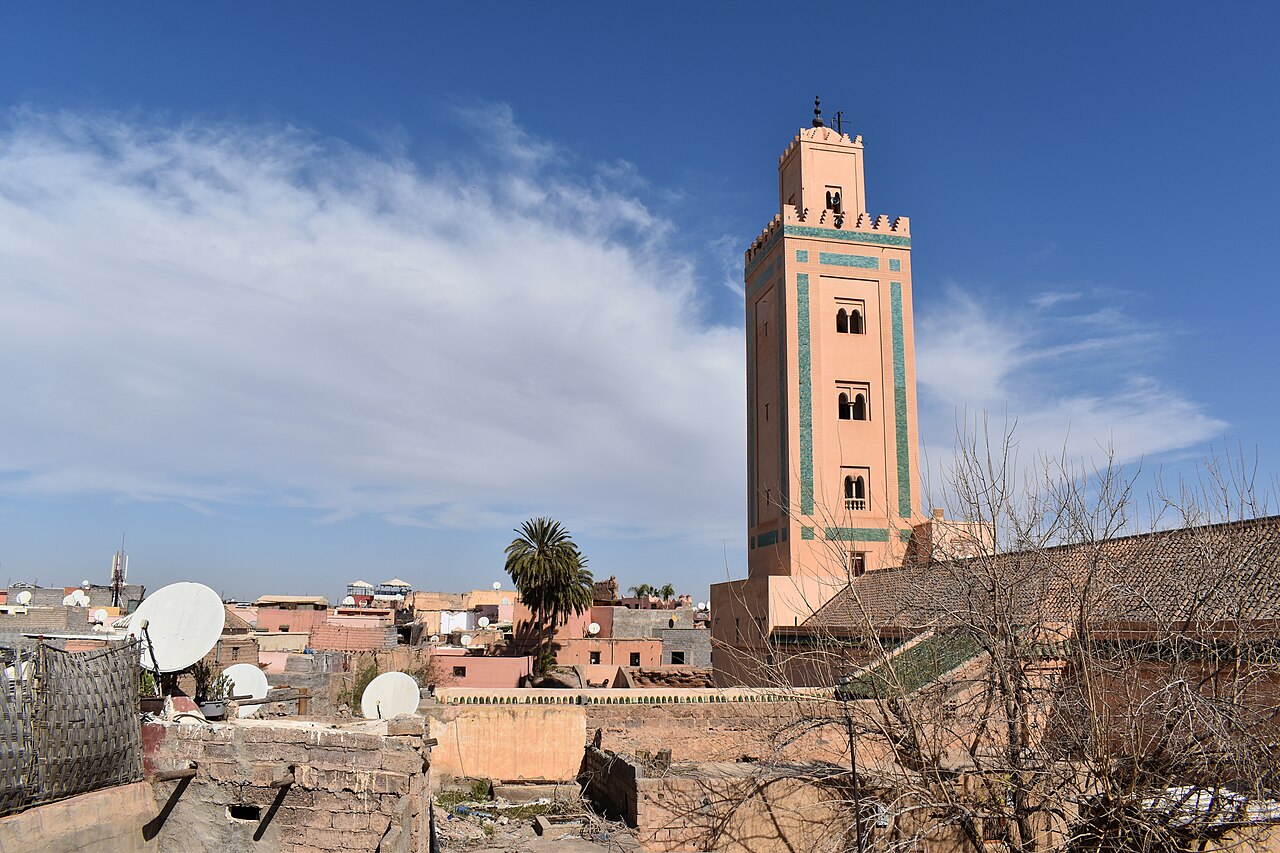
The mosque lies deep within Marrakesh's medina, inaccessible to vehicles. Walking remains the only practical approach through the narrow pedestrian lanes. From Jemaa el-Fnaa, the main square, head north into the medina past the Marrakesh Museum. Signage and local enquiry help navigation through the winding streets. Horse-drawn carriages serve the medina perimeter only. Taxis stop at nearest gate points such as Bab Doukkala or Bab El Khemis. Allow extra time for orientation within the medina's labyrinthine street pattern.
Checked 2026-08-26

Respectful conduct is essential near this active religious site. Dress modestly with covered shoulders and knees. Lower voices and avoid intrusive behaviour. Photography of worshippers is inappropriate. The surrounding lanes contain persistent guides offering services; polite but firm refusal usually suffices. Pickpockets operate in crowded medina areas. The street surface is uneven with potential trip hazards. Some adjacent shops may apply pressure selling tactics. Heat exhaustion presents risk in summer months; carry water. Evening navigation without familiarity proves challenging given limited lighting in smaller lanes.
Checked 2026-08-26
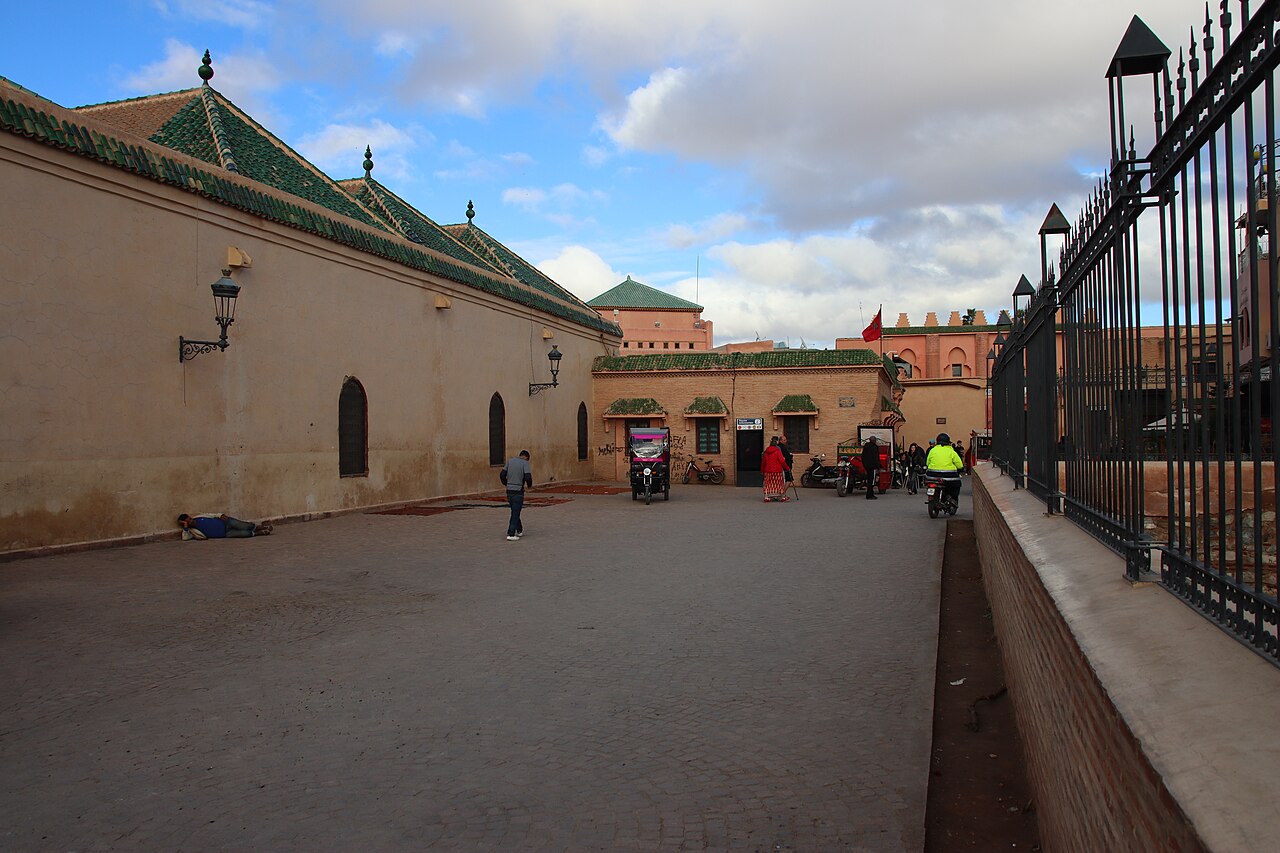
Exterior photography of the mosque facade and minaret is generally tolerated from public spaces. Avoid photographing individuals without clear permission, particularly worshippers entering or leaving. Tripods may attract unwanted attention in narrow lanes. Interior photography is not possible for non-Muslims. The best vantage points require exploration of surrounding streets at varying distances. Morning and late afternoon provide favourable natural lighting on the building's stonework. Flash photography is unnecessary and potentially disruptive. Drone use would violate Moroccan regulations and religious sensitivities alike; this applies throughout the medina.
Checked 2026-08-26
No. As an active place of worship, the mosque interior is not accessible to non-Muslim visitors. This follows standard practice at functioning mosques throughout Morocco.
No. They are adjacent but separate sites. The madrasa permits tourist visits for a fee, while the mosque remains closed to non-Muslim entry.
Walk from Jemaa el-Fnaa northward, or ask locals for directions. The medina's winding streets require patience and willingness to navigate on foot.
Not recorded. Ablution facilities exist for worshippers, but visitor amenities are not documented. Plan accordingly before entering the medina.
The mosque originates from the Almoravid period of the 12th century, though specific construction dates and subsequent modifications are not recorded.
Not recorded. Evening visits to the medina area are possible, but specific lighting of the mosque facade is not documented.
Loading the interactive map…
The interactive map could not be loaded.
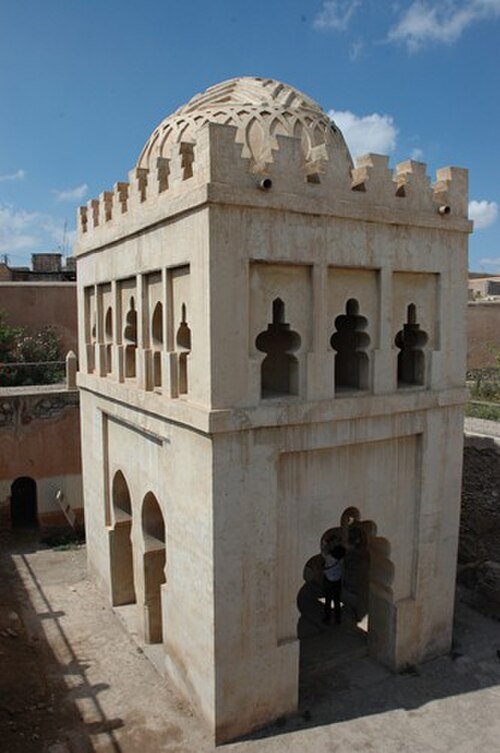

Last updated:
Source: OpenStreetMap contributors, Wikidata ·