

2 min walk
Templo Mayor
- Must see
- Historic monument
Language · 11 published
Historic monument · Mexico City
Centro Histórico de la Ciudad de México
Reviewed by Elena Voss · SSMTour Travel Editor

Read from the OpenStreetMap access tags; anything not listed has no tag recorded.
Set the group type to family in the planner and the day window contracts to about three quarters of a solo day.
The Historic Center of Mexico City is the UNESCO-listed historic core of the Mexican capital, recognized for its concentration of civic, religious, and colonial monuments spanning centuries of layered history. This district preserves the foundational footprint of Tenochtitlan, the Aztec island city later transformed by Spanish colonial planning. The area encompasses the Zócalo plaza, surrounding streets, and major architectural landmarks that demonstrate successive cultural periods. Its inscription on the UNESCO World Heritage List acknowledges outstanding universal value in urban design, monument preservation, and historical significance for understanding Mesoamerican and colonial interchange in the Americas.
Checked 2026-08-26
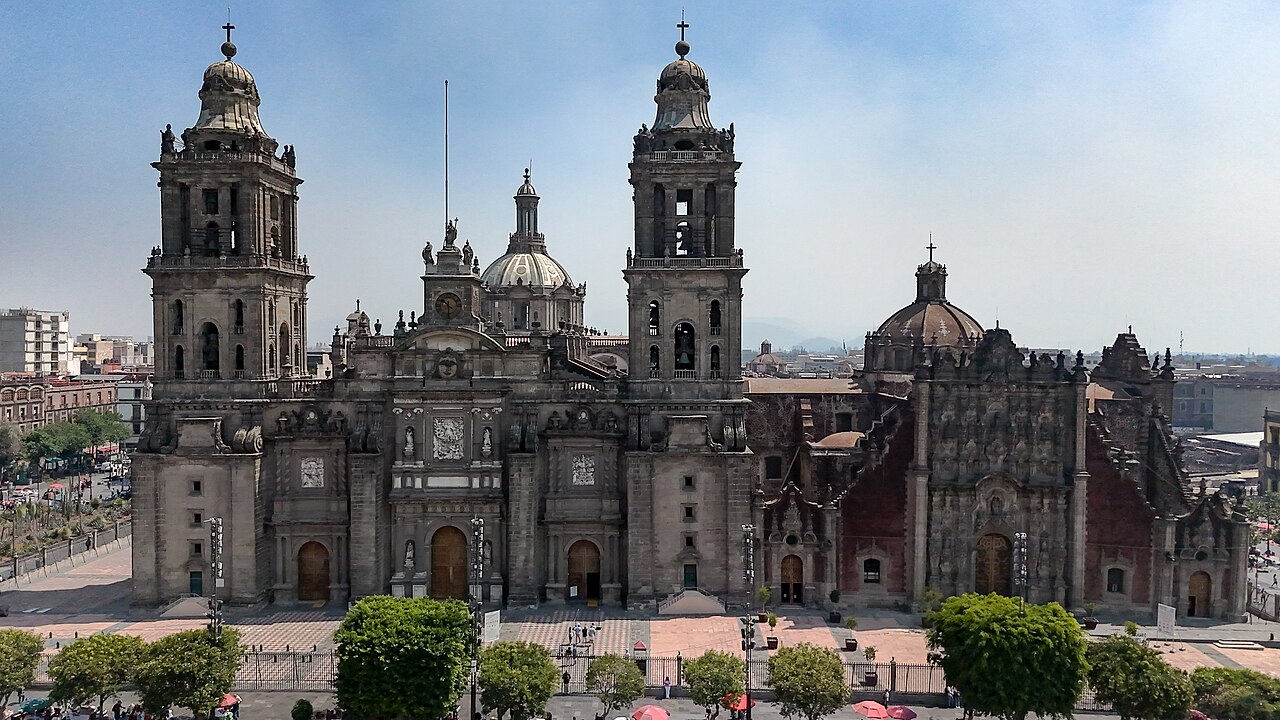
The historic core contains the Metropolitan Cathedral, one of the largest and oldest cathedrals in the Americas, constructed over decades atop former sacred precincts. The National Palace occupies a prominent site with documented historical associations. The Templo Mayor archaeological site and museum expose Aztec temple foundations. Additional structures include the Palace of Fine Arts, the City Government Palace, and numerous colonial-era religious and civic buildings. Street patterns reflect both pre-Hispanic causeway alignments and Spanish grid imposition. The area maintains active commercial, governmental, and residential functions alongside heritage preservation, creating a living urban environment rather than a frozen monument zone.
Checked 2026-08-26
Visitor time allocation depends on depth of engagement with individual monuments and museums. Surface-level exploration of the Zócalo and exterior viewing of principal buildings requires approximately two to three hours. Comprehensive interior visits to the Metropolitan Cathedral, National Palace, and Templo Mayor Museum extend requirements substantially. Full engagement with multiple museum interiors, archaeological zones, and surrounding street exploration typically demands a full day or more. The area rewards repeated visits given density of content. Many visitors distribute exploration across multiple days, combining with adjacent neighborhoods. Pace should account for altitude adjustment needs at approximately 2,240 meters elevation.
Checked 2026-08-26
The historic center operates as continuous urban fabric without gating or seasonal closure, though individual monuments and museums maintain separate schedules. Daylight hours optimize visibility for exterior architecture and archaeological features. Morning periods typically experience lower crowding at major monuments. Rainfall concentration during summer months may affect outdoor comfort. Major civic and religious observances, including Independence Day in September and December festivities, transform normal conditions with amplified crowds and modified access. Visitors should verify current conditions through official sources before planning around specific dates or anticipated closures. Check the operator's own site for the travel date before relying on a schedule or fare.
Checked 2026-08-26
Access to the historic center's public streets and plazas requires no admission. Individual monuments and museums implement separate fee structures. Some institutions may offer free admission on designated days according to Mexican cultural policy patterns, though specific schedules require verification. Photography permissions vary by interior location. Visitors should anticipate that major national museums and archaeological sites maintain standardized fee categories potentially including differential rates for residents, foreign visitors, students, and seniors. Budget planning should accommodate multiple separate admissions for comprehensive monument interior access rather than assuming consolidated ticketing.
Checked 2026-08-26
The historic center occupies central Mexico City with extensive public transit connectivity. Metro lines serve multiple stations at the perimeter and within the district, including Zócalo station. Metrobús corridors provide additional surface transit access. The area's centrality enables approach from multiple directions, though final approaches through dense urban fabric require pedestrian navigation. Street parking is extremely limited and generally discouraged for visitors. Traffic congestion characterizes surrounding avenues during peak periods. Walking from centrally located accommodations represents a practical option. Visitors should exercise standard urban awareness regarding personal belongings in crowded conditions, particularly around major transit interchange points and the Zócalo plaza perimeter.
Checked 2026-08-26
Altitude at approximately 2,240 meters may affect visitors unaccustomed to reduced oxygen, potentially causing fatigue or shortness of breath during exertion. Air quality variations occur, with historical documentation of pollution episodes. Crowd density fluctuates dramatically, reaching extreme concentrations during major civic events and religious observances. Uneven pavement surfaces and occasional unmarked elevation changes present trip hazards. The area maintains active commercial functions including informal vending that may engage persistent solicitation. Standard urban precautions apply for personal property security. Some peripheral blocks transition to less frequented areas where visitor vigilance warrants elevation, particularly after dark when institutional monument zones empty while limited commercial activity continues.
Checked 2026-08-26
Exterior photography of public monuments and streetscapes is generally unrestricted in open plaza and street areas. Individual museums and religious interiors impose variable restrictions, with some prohibiting flash or all photography, particularly at Templo Mayor archaeological excavations and certain museum galleries. Tripod use typically requires advance permission and may be restricted due to pedestrian flow concerns. The Metropolitan Cathedral permits photography under specified conditions that may change. Night photography of illuminated facades is feasible from public spaces. Drone operation falls under Mexican aviation regulations requiring permits and is effectively prohibited in this dense urban and politically sensitive zone without extensive authorization.
Checked 2026-08-26
The principal monument zones maintain substantial foot traffic and police presence, though standard urban precautions regarding personal property apply. Peripheral blocks warrant increased awareness, particularly after dark.
Public plazas and streets require no admission. Check the operator's own site for the travel date before relying on a schedule or fare.
The Templo Mayor archaeological site and museum adjoin the northeast corner of the Metropolitan Cathedral, immediately adjacent to the Zócalo plaza.
Formal guided services operate in the area, though specific operators, schedules, and languages require verification through current local sources rather than assumed availability.
Comfortable walking footwear accommodates uneven surfaces and extended exploration. Layered clothing addresses temperature variation and altitude conditions. Some religious interiors may encourage modest dress.
Commercial food establishments operate throughout the district, ranging from informal street vendors to established restaurants, though specific recommendations require current local verification.
Loading the interactive map…
The interactive map could not be loaded.

Last updated:
Source: OpenStreetMap contributors ·