
.JPG)
.jpg)
.jpg)
.jpg)
.jpg)
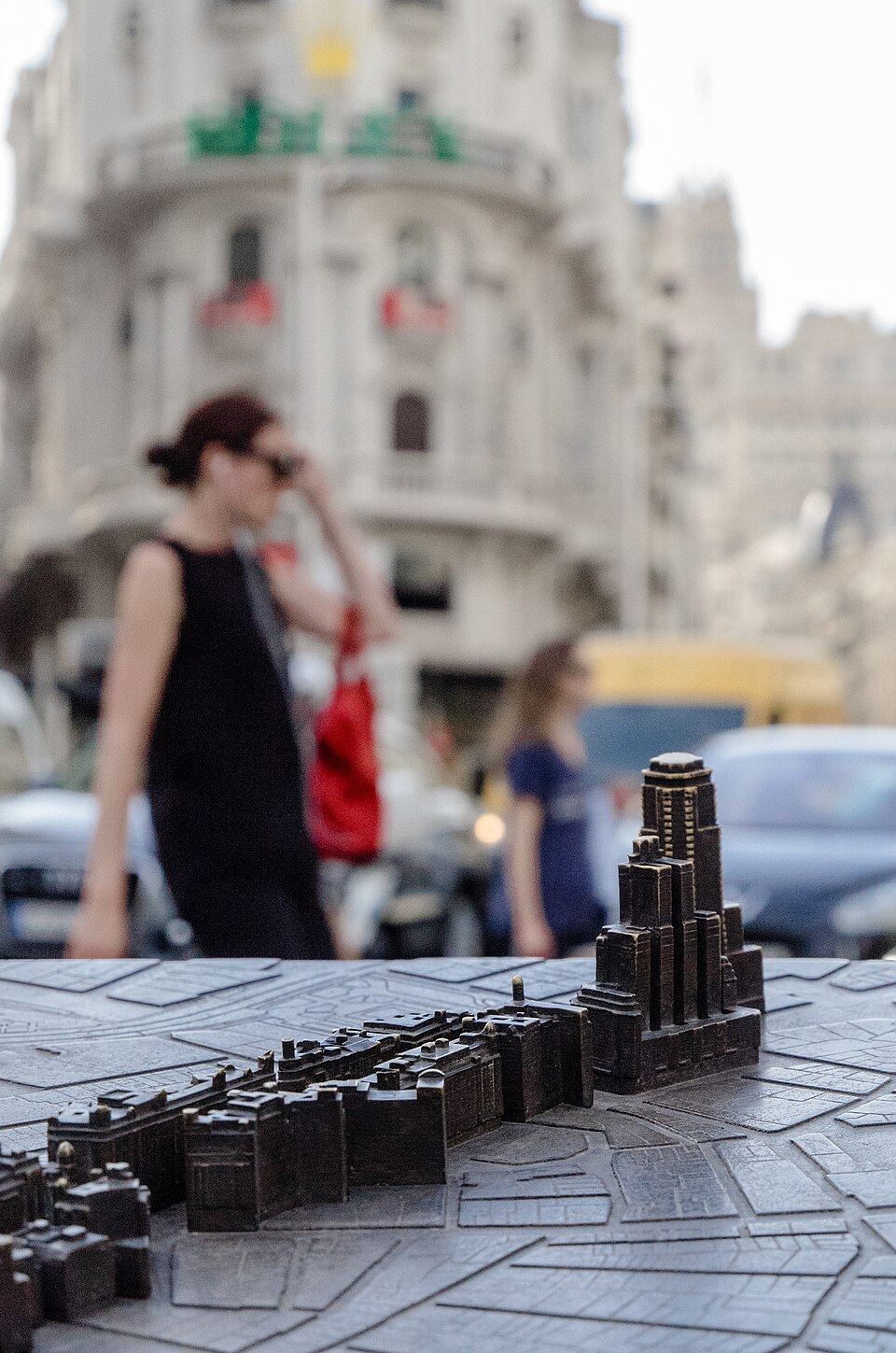
1 min walk
Maqueta
- Notable
- Art and culture venue
Language · 11 published
Historic monument · Mexico City
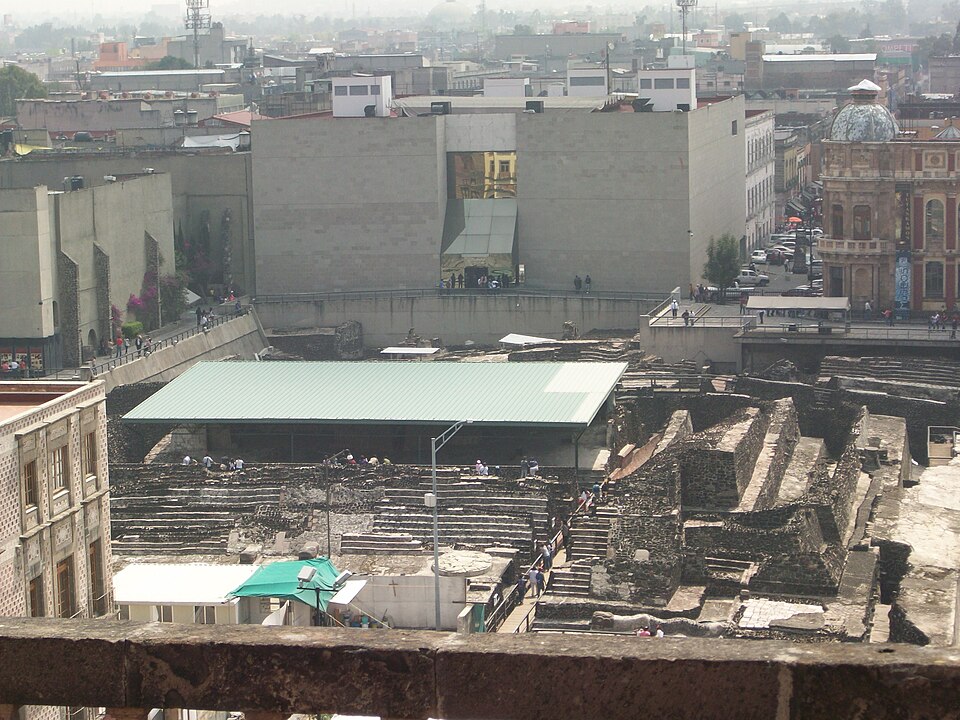
Templo Mayor is the excavated sacred precinct of Tenochtitlan, the capital of the Aztec Empire. Located in the historic centre of Mexico City, it represents the essential Aztec archaeological site in the area. The temple was dedicated to Huitzilopochtli, god of war, and Tlaloc, god of rain. Spanish conquistadors destroyed the original structure in the 16th century, and its remains were rediscovered in the 20th century during electrical works. The site now comprises exposed ruins and an accompanying museum.
Checked 2026-08-26
The archaeological zone reveals multiple construction phases of the twin temple pyramids and surrounding platforms. Excavations have uncovered serpent sculptures, ceremonial platforms, and offerings including marine objects and ritual deposits. The on-site museum houses significant artefacts recovered from the temple area, notably the monolith of Coyolxauhqui and various Mexica sculptures. Displays contextualise Aztec religious practices and urban organisation. The sacred precinct originally contained numerous temples and ritual spaces beyond the central pyramid structure. Templo Mayor also earns time in a mexico city itinerary because The excavated sacred precinct of Tenochtitlan is the essential Aztec archaeological site in the historic centre; no in-scope production POI exists. Its value becomes clearer when the stop is compared with the surrounding streets and the other ranked places nearby.
Checked 2026-08-26
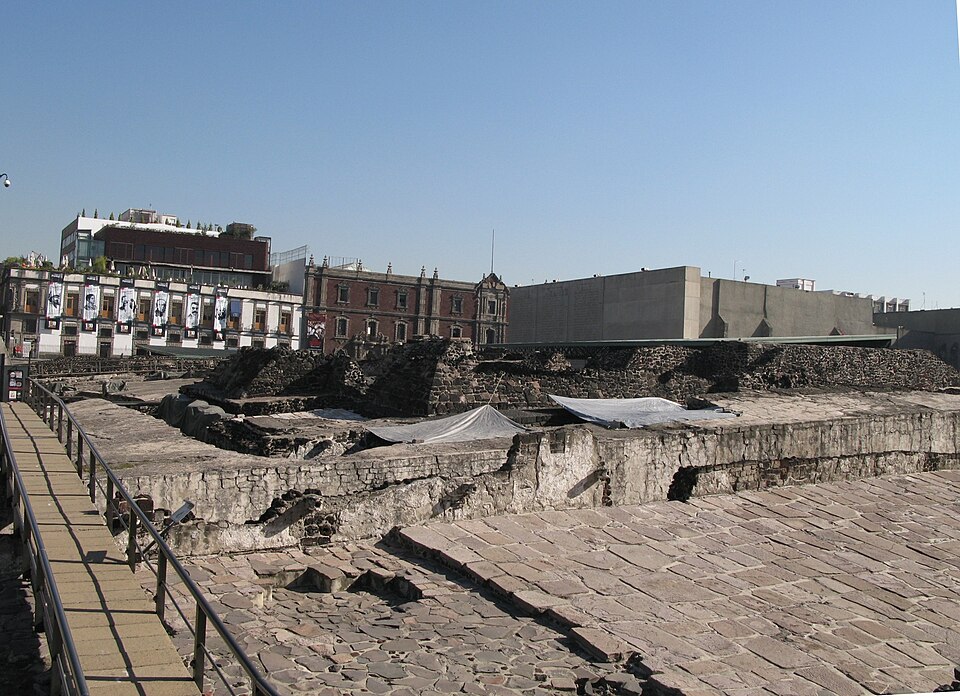
Visitors typically allocate between one and two hours for the archaeological zone and museum combined. The outdoor ruin area requires navigating uneven surfaces and staircases between excavation levels. The museum demands additional time for examining displayed artefacts and reading interpretative materials. Those with particular interest in Mesoamerican archaeology may extend their visit substantially. The compact site layout permits efficient circulation, though crowds during peak periods may slow progress through narrow walkways and exhibition galleries.
Checked 2026-08-26

Operator-confirmed hours are Not recorded pending review. The site operates as an outdoor archaeological zone with covered museum spaces, suggesting variable comfort across seasons. Mexico City's rainy season from June through October may present challenges for exposed walkway exploration. Morning visits potentially offer reduced crowding before tour groups arrive. The historic centre location means surrounding street activity peaks during standard business hours. Visitors should verify current operational status before planning, as archaeological sites occasionally close for maintenance or official events without extensive advance notification.
Checked 2026-08-26
Operator-confirmed prices are Not recorded pending review. The site operates under Instituto Nacional de Antropología e Historia management, suggesting standard Mexican federal archaeological site admission structures may apply. Potential separate ticketing for the museum and archaeological zone, or combined entry, cannot be confirmed without official source verification. Some national museums in Mexico offer free admission to residents on specific days, though applicability to this site is unverified. International visitors should anticipate standard foreign-visitor rates common at INAH-administered sites. Official website consultation recommended before visiting.
Checked 2026-08-26

Templo Mayor occupies the historic centre adjacent to the Metropolitan Cathedral and Zócalo plaza. The Zócalo metro station on Line 2 provides direct underground access to the immediate area. Multiple bus routes serve the historic centre, though specific line numbers are Not recorded. The site lies within Mexico City's dense urban core, making it walkable from numerous central accommodations. Street navigation in the historic centre can challenge unfamiliar visitors due to complex one-way systems and heavy pedestrian congestion during business hours and public gatherings.
Checked 2026-08-26
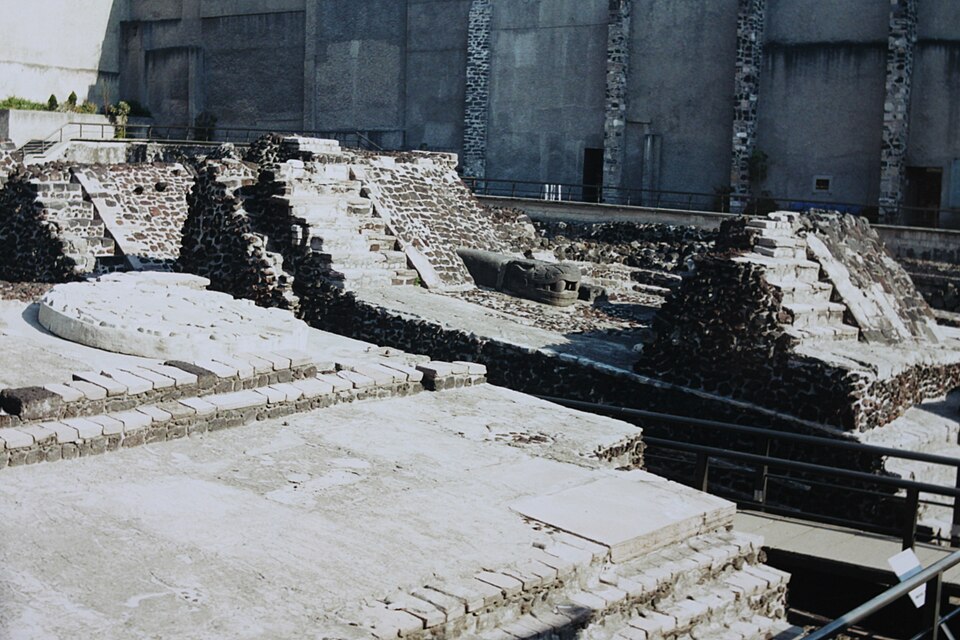
Uneven archaeological surfaces present trip hazards throughout the exposed ruin areas. Open excavation pits and level changes require constant attention. The historic centre experiences significant pedestrian congestion and occasional political demonstrations in the Zócalo. Street vendors and unofficial guides operate aggressively in surrounding areas. Visitors should secure belongings against petty theft common in crowded tourist zones. Weather exposure is substantial in outdoor sections with limited shelter. Water availability and restroom facilities require advance planning. The museum maintains climate control, creating temperature transitions that may affect comfort.
Checked 2026-08-26

Photography policies for archaeological zones and associated museums in Mexico typically restrict flash usage and commercial filming, though specific Templo Mayor regulations are Not recorded. Tripods and professional equipment often require special permits at INAH sites. The outdoor ruin area offers natural lighting advantageous for photography, though harsh midday sun creates strong shadows across stone textures. Morning and late afternoon provide softer illumination. Museum displays may present glass reflections and low ambient light challenges. Drone operation is prohibited in the historic centre as a designated no-fly zone surrounding the National Palace.
Checked 2026-08-26
The visible ruins represent the sacred precinct of Tenochtitlan, which Spanish forces destroyed. The current excavations reveal multiple construction phases beneath colonial and modern Mexico City.
Both components occupy the same site and are designed for combined visitation, though specific entry arrangements are Not recorded pending review of operator policies.
Archaeological zones by nature present uneven surfaces, stairs, and narrow pathways. Specific accessibility provisions at this site are Not recorded pending review of official information.
The ruins sit directly beside the Metropolitan Cathedral, demonstrating the Spanish practice of constructing atop sacred indigenous sites. The Zócalo and colonial architecture surround the excavated precinct.
Official guided tour availability and scheduling are Not recorded pending review. Unofficial guides operate in surrounding streets; their qualifications and authorisation are unverified.
Comfortable walking shoes with good traction are essential for uneven stone surfaces. Sun protection and water are advisable for exposed outdoor sections. Layered clothing accommodates transitions between outdoor and climate-controlled museum spaces.
Loading the interactive map…
The interactive map could not be loaded.


Last updated:
Source: OpenStreetMap contributors, Wikidata ·