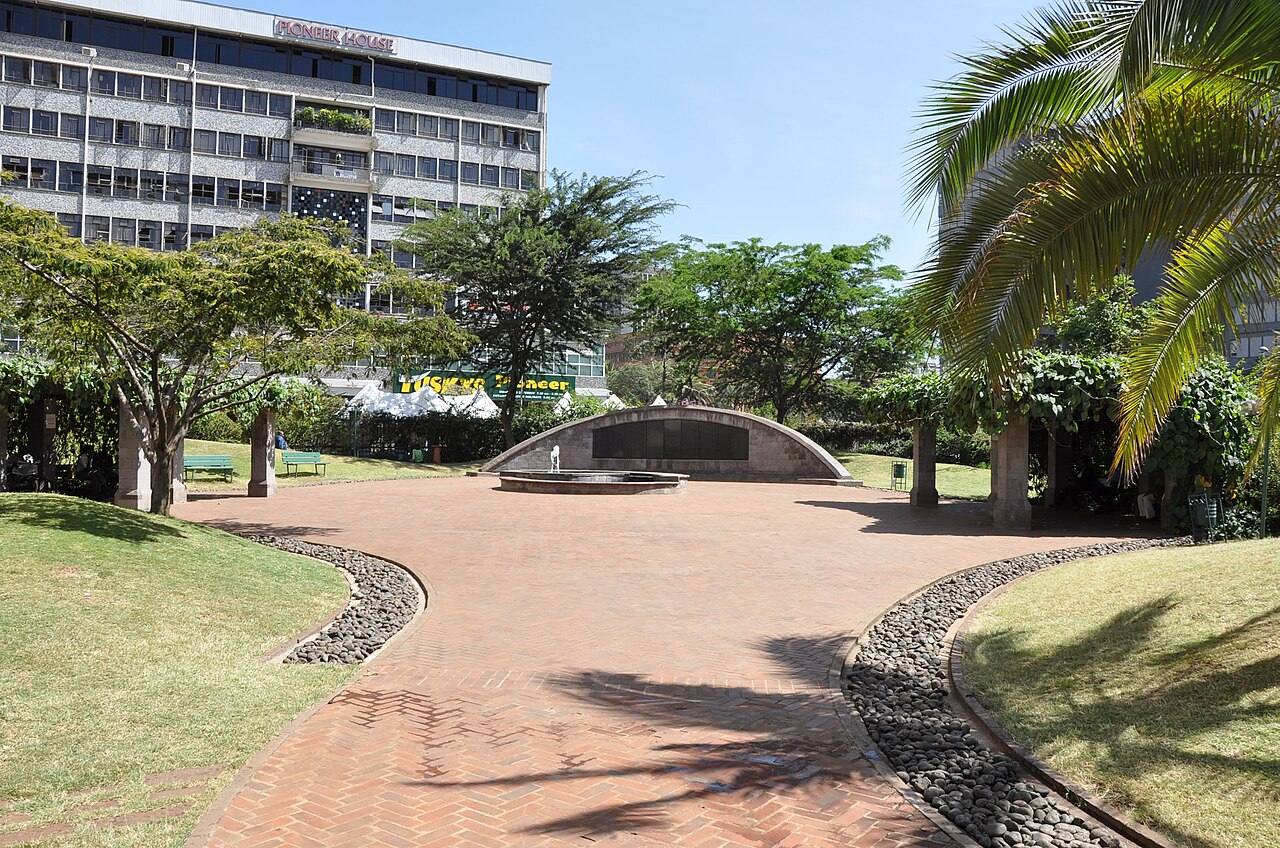
21 min walk
August 7th Memorial Park, Kenya
- Must see
- Historic monument
Language · 11 published
Market · Nairobi
Gikomba Market is Kenya's largest flea and second-hand market, serving as a major commercial hub in Nairobi. The market provides an intense view of the city's trade, repair, clothing, and everyday commerce. It operates as a sprawling open-air marketplace where vendors and buyers converge for diverse transactions. No production match exists for this location in standard databases, indicating its informal and evolving nature. Visitors should expect a dynamic, unregulated environment characteristic of large African urban markets. Gikomba Market also earns time in a nairobi itinerary because Kenya's largest flea and second-hand market offers a vast, intense view of Nairobi's trade, repair, clothing, and everyday commerce; no production match exists. Its value becomes clearer when the stop is compared with the surrounding streets and the other ranked places nearby.
Checked 2026-08-26
The market contains a vast array of goods and services. Clothing dominates significant portions, with second-hand garments sold in bulk and individually. Repair services operate throughout, fixing electronics, shoes, and household items. Fresh produce and food vendors supply daily necessities. Hardware, textiles, and miscellaneous household goods appear in dense arrangements. The market's structure reflects organic growth rather than planned layout, with narrow pathways between tightly packed stalls. Specific vendor counts, section boundaries, and product categories remain Not recorded.
Checked 2026-08-26
Visitors typically spend between one and three hours exploring Gikomba Market, depending on their purpose. Casual observers may circulate through key areas within sixty to ninety minutes. Serious shoppers seeking specific items, bulk purchases, or price negotiations should allocate two to three hours minimum. The market's sprawling nature and crowded conditions slow movement considerably. First-time visitors may require additional time for orientation. No guided tour duration or recommended itinerary is documented. Individual pacing varies significantly based on crowd density and personal objectives.
Checked 2026-08-26
Operator-confirmed hours are Not recorded pending review. The market traditionally operates during daylight hours when natural lighting facilitates commerce and safety. Early morning hours typically see peak activity as wholesalers and retailers conduct bulk transactions. Midday brings maximum crowd density. Activity generally diminishes before evening. Visitors should verify current operating times locally, as informal markets frequently adjust schedules without formal announcement. Weather conditions significantly affect comfort, with dry season visits generally preferable. Specific seasonal recommendations are Not recorded.
Checked 2026-08-26
Operator-confirmed prices are Not recorded pending review. Gikomba Market functions as a public commercial space without formal admission mechanism. No entrance fee typically applies for market access. Individual transactions occur directly between vendors and customers, with prices established through negotiation. Cash remains the predominant payment method. Credit card acceptance is unlikely. Visitors should carry small denomination currency for purchases. Any claims of mandatory entry fees should be treated with caution. Official pricing structures for goods or services are not standardized or documented.
Checked 2026-08-26
Gikomba Market occupies a location within Nairobi's central business district vicinity, though precise street address is Not recorded. Public matatu minibuses and bus routes serve the general area, with stops requiring walking distance to market entrances. Private vehicle access presents parking challenges due to congestion and informal parking arrangements. Motorcycle taxis and bicycle taxis operate nearby. Walking from central Nairobi accommodations may be feasible for able visitors. Specific route numbers, fares, or estimated travel times from landmarks are Not recorded. Visitors should seek current local guidance.
Checked 2026-08-26
Crowd density creates significant personal space challenges and elevated pickpocket risk; secure valuables in front pockets or concealed pouches. Narrow pathways between stalls may contain uneven surfaces, drainage channels, or debris requiring careful foot placement. Aggressive vendor solicitation occurs; firm politeness generally suffices. Counterfeit goods and quality misrepresentation are possible; inspect items thoroughly before purchase. Limited formal recourse exists for transaction disputes. Hygiene conditions vary considerably across food preparation areas. No documented security presence or emergency procedures are recorded. Visitors should maintain situational awareness and avoid displaying expensive items.
Checked 2026-08-26
Photography at Gikomba Market requires considerable discretion and respect for vendor and shopper privacy. The intense commercial environment means many individuals are focused on livelihood activities rather than tourism. Explicit permission should be sought before photographing identifiable individuals or specific merchandise displays. Some vendors may object to photography of their goods, fearing competition or quality scrutiny. Camera equipment attracts attention and may increase theft risk. No designated photography areas or official policies are documented. Drone usage would be inappropriate and likely illegal without specific authorization. Caution and cultural sensitivity are essential.
Checked 2026-08-26
Safety conditions are Not recorded in official assessments. Visitors should exercise elevated caution due to crowd density, limited formal security presence, and reported pickpocketing risk. Traveling in groups, securing valuables, and maintaining awareness of surroundings are prudent measures.
Kenyan Shillings in small denominations are essential. Credit card acceptance is unlikely. Exact pricing and recommended amounts are Not recorded.
Formal restroom facilities are Not recorded. Visitors should anticipate limited sanitation infrastructure typical of informal markets.
Negotiation appears standard practice based on market character. Specific bargaining customs or expected discount ranges are Not recorded.
Accessibility features are Not recorded. Narrow pathways, uneven surfaces, and dense crowds likely present significant mobility challenges.
Food preparation hygiene conditions vary considerably across the market. Specific health inspections or safety certifications are Not recorded. Caution with prepared foods is advisable.
Loading the interactive map…
The interactive map could not be loaded.

Last updated:
Source: OpenStreetMap contributors ·