


14 min walk
Ameya-Yokochō
- Must see
- Market
Language · 1 published
Place of worship · Tokyo
神田明神
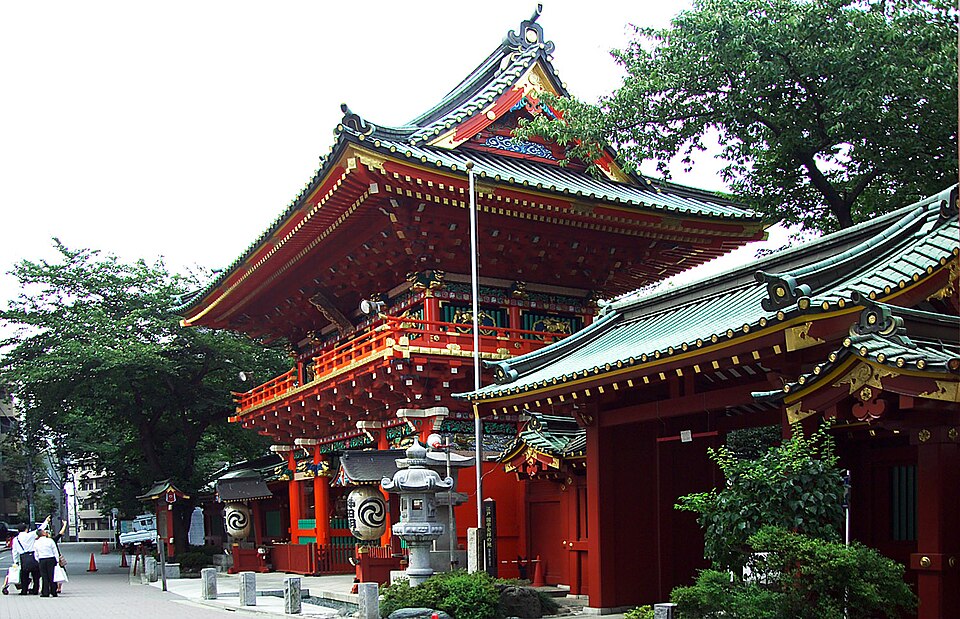
Kanda Shrine, known locally as Kanda Myojin, is a Shinto shrine located in Tokyo. The shrine has a long history dating back centuries and serves as an important religious site in the city. It is dedicated to several deities and has been a place of worship for generations of Tokyo residents. The shrine gained particular significance as a protector of Edo, the former name for Tokyo. It remains an active place of worship and continues to draw visitors seeking spiritual connection or cultural experience in the heart of the metropolis.
Checked 2026-08-26
The shrine grounds contain traditional architectural elements typical of significant Shinto shrines in Japan. Visitors will find the main hall where prayers and ceremonies take place, as well as various auxiliary structures and gates that mark the sacred precinct. The grounds include space for ritual purification and offerings. Decorative elements and spiritual objects appropriate to Shinto practice are present throughout. The layout follows conventional shrine design with progression from the outer torii gate through the grounds to the inner sanctuary where the kami, or spirits, are enshrined and honored.
Checked 2026-08-26
A typical visit to Kanda Shrine can be completed in a modest amount of time, though individual pacing varies considerably based on personal interest and purpose of visit. Those coming for brief prayer or observation may spend a short period, while visitors wishing to explore the grounds thoroughly, observe rituals, or participate in shrine activities will naturally require more time. The compact urban location means the shrine grounds are not extensive. Visitors should allocate sufficient time for respectful observation without rushing through this culturally significant religious site in central Tokyo.
Checked 2026-08-26

Operator-confirmed hours are Not recorded pending review. Visitors should consult official sources before planning their trip. The shrine holds particular importance during certain annual festivals, notably the Kanda Matsuri, one of Tokyo's major traditional celebrations. However, specific dates and schedules for such events are not confirmed in available sources. The urban setting means accessibility is generally consistent year-round, though weather conditions in Tokyo vary significantly between seasons. Visitors should verify current operational status independently, as religious sites may modify access during ceremonies, preparations, or other circumstances not documented in the supplied reference materials.
Checked 2026-08-26
Operator-confirmed prices are Not recorded pending review. Shinto shrines in Japan typically do not charge admission fees for general entry to the grounds, though specific services, amulets, or special access may involve costs. Visitors should not assume free entry without verification. The official Tokyo tourism source provided does not specify pricing structure for Kanda Shrine. Those wishing to purchase omamori protective charms, ema votive plaques, or participate in paid ceremonies should inquire on-site or through official channels. Budget-conscious travelers should prepare for possible incidental expenses while understanding that core shrine visitation may not require payment.
Checked 2026-08-26

Kanda Shrine occupies a position in central Tokyo that benefits from the city's extensive public transportation network. Multiple train and subway stations serve the surrounding Kanda and Ochanomizu districts, providing convenient access from various parts of the metropolis. The shrine's urban location means it is reachable by foot from nearby transit points, though exact walking distances and optimal routes are not specified in available sources. Visitors familiar with Tokyo's rail systems should find navigation straightforward. Taxis and other transport modes also serve this central area. Detailed directions from specific stations require independent verification.
Checked 2026-08-26
Visitors should observe standard etiquette appropriate to Shinto shrine visitation in Japan. This includes respectful behavior on sacred grounds, proper use of purification fonts, and appropriate conduct during any ongoing ceremonies. The active religious nature of the site means worshippers may be present at any time; tourists should avoid disrupting prayers or rituals. Photography restrictions may apply in certain areas, though specific regulations are not documented. The urban environment surrounding the shrine involves typical city considerations including pedestrian traffic and weather exposure. Visitors should dress appropriately for a religious site and be prepared for variable conditions.
Checked 2026-08-26
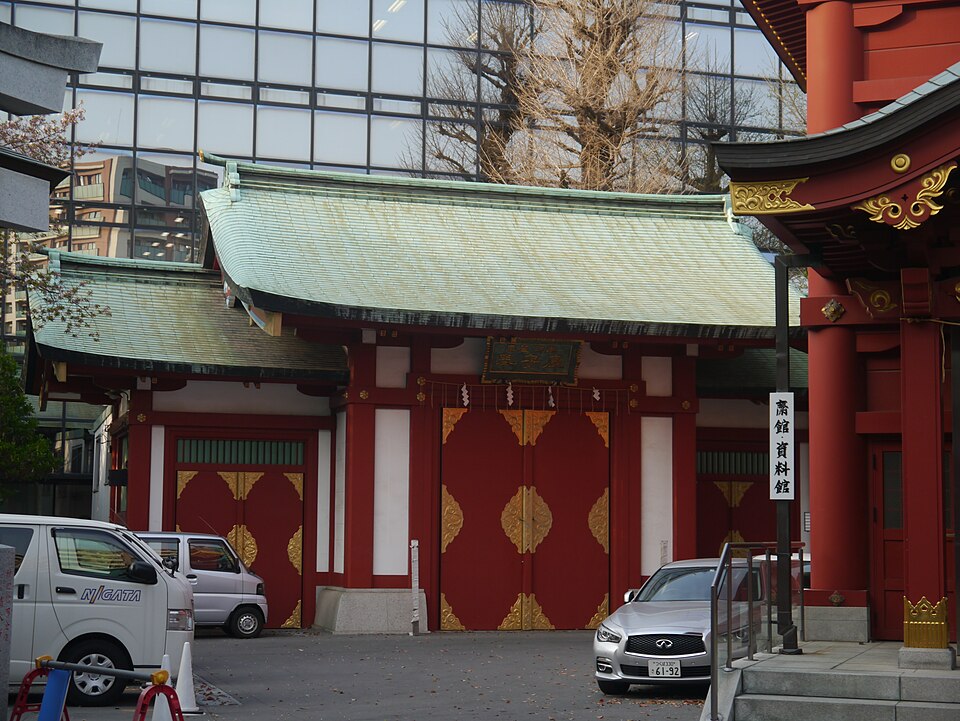
Photography at Kanda Shrine requires visitor judgment regarding appropriateness and any restrictions. As an active religious site, certain areas or activities may be unsuitable for photography out of respect for worshippers and sacred practice. The architectural features and traditional elements offer visual interest for documentation, but visitors should prioritize cultural sensitivity. No specific photography policies are confirmed in supplied sources. Commercial or intrusive photography would be inappropriate. Visitors should observe posted signs, follow staff guidance if present, and refrain from photographing individuals without permission. When in doubt, abstaining from photography demonstrates respect for this significant spiritual location.
Checked 2026-08-26
Operator-confirmed prices are Not recorded pending review. Many Shinto shrines in Japan do not charge general admission, but visitors should verify current policy independently.
Operator-confirmed hours are Not recorded pending review. The shrine may have particular significance during festival periods, but specific event dates require verification from official sources.
The shrine is in central Tokyo near Kanda and Ochanomizu districts, served by multiple train and subway lines. Exact station names and walking routes require independent verification.
Specific photography policies are not recorded. Visitors should exercise judgment, respect worshippers, observe any posted restrictions, and prioritize cultural sensitivity over documentation.
Visit duration varies by interest. The urban shrine has compact grounds; brief visits are possible, though thorough exploration and respectful observation warrant additional time.
Attire appropriate for a religious site is recommended. Visitors should consider weather conditions and the need for respectful dress when entering sacred Shinto grounds.
Loading the interactive map…
The interactive map could not be loaded.
Last updated:
Source: OpenStreetMap contributors, Wikidata ·