

7 min walk
Adashino Nenbutsu-ji Temple
- Must see
- Place of worship
Language · 11 published
Place of worship · Kyoto
愛宕念仏寺
| Monday | 08:00 – 16:15 |
|---|---|
| Tuesday | 08:00 – 16:15 |
| Wednesday | 08:00 – 16:15 |
| Thursday | 08:00 – 16:15 |
| Friday | 08:00 – 16:15 |
| Saturday | 08:00 – 16:15 |
| Sunday | 08:00 – 16:15 |
Parsed from OpenStreetMap opening hours on 2026-08-26.
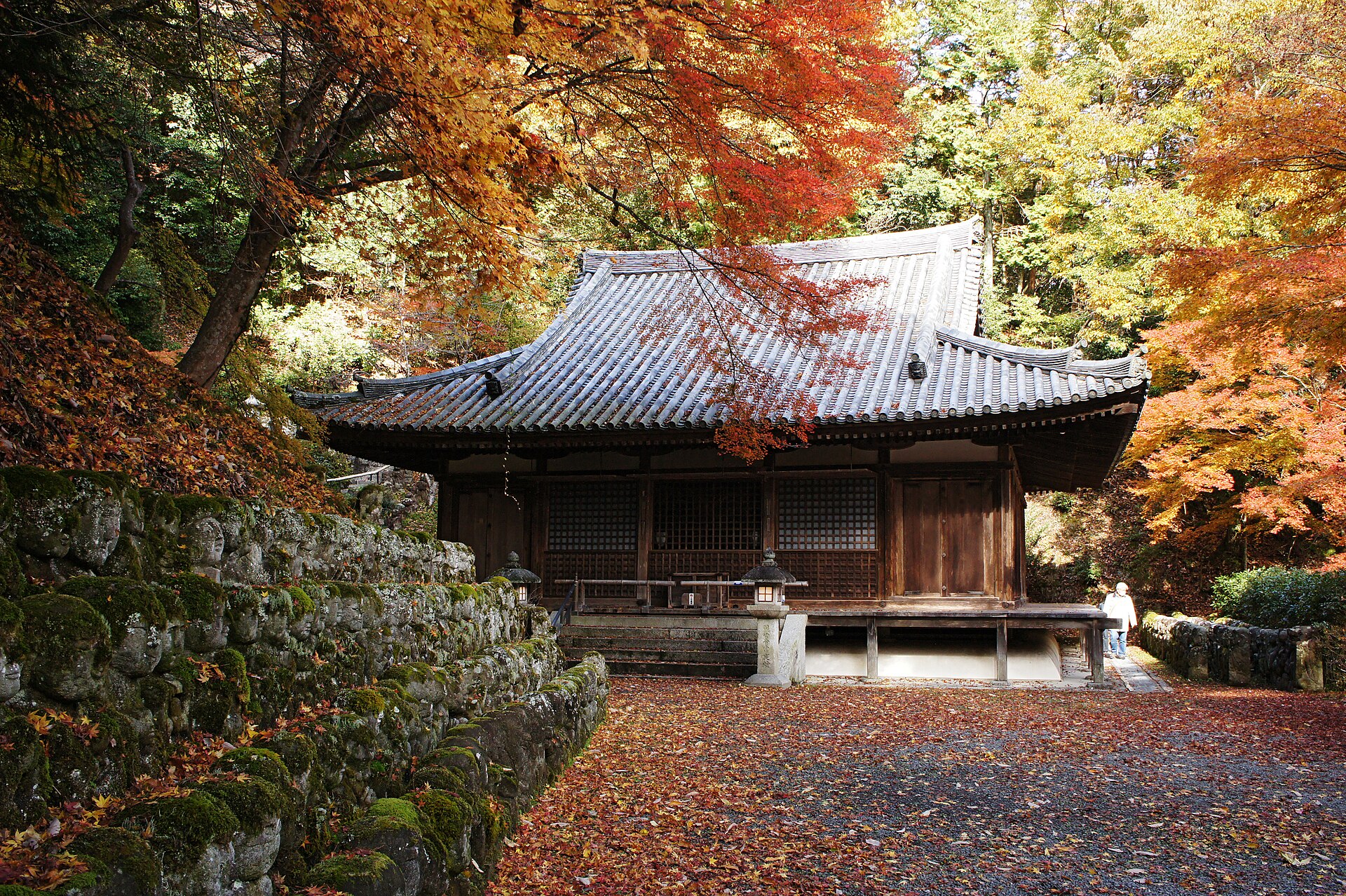
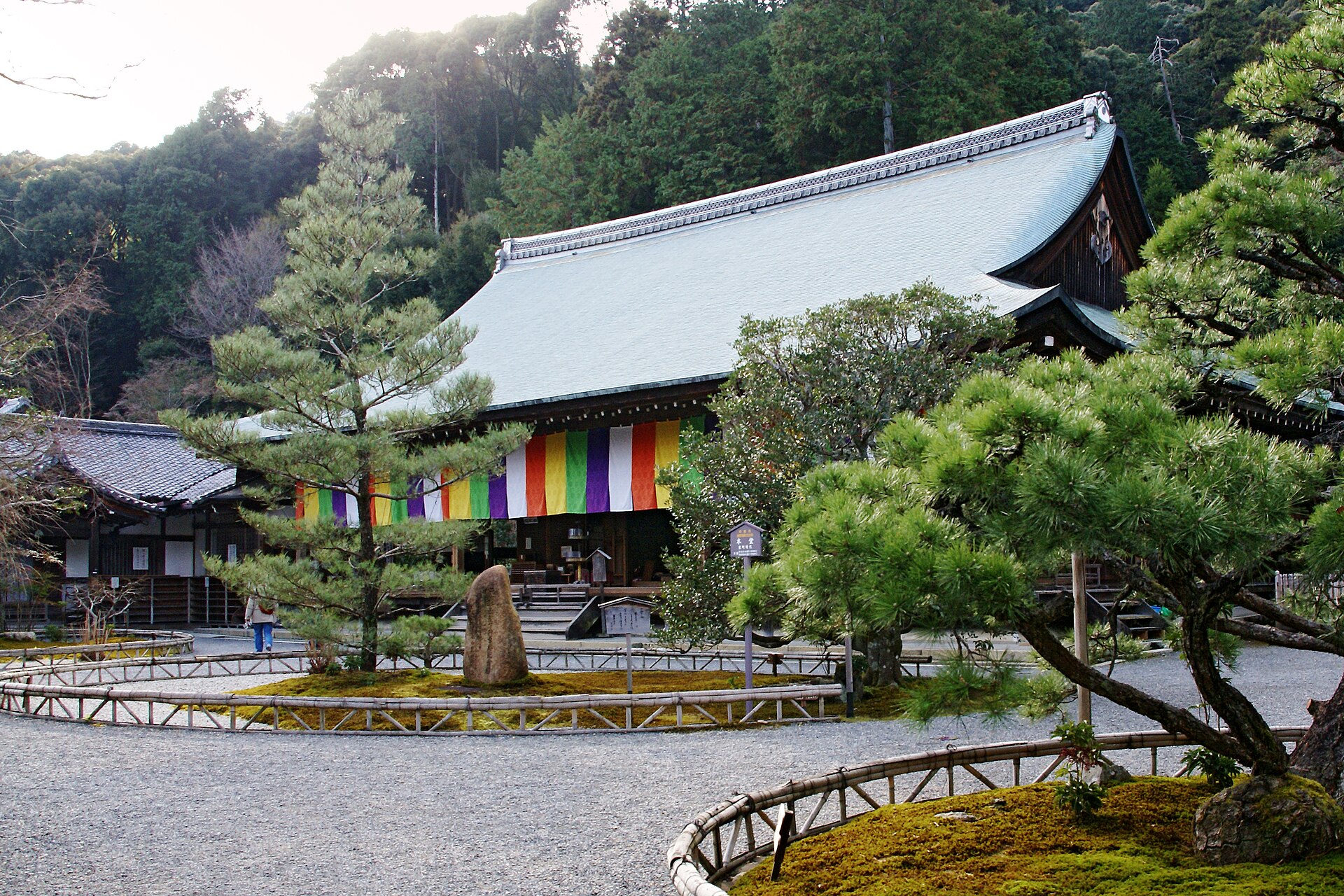
Otagi Nenbutsu-ji is a Buddhist temple located in the Arashiyama district of western Kyoto. The temple sits in the foothills of Mount Ogura and is known for its collection of rakan statues, the disciples of Buddha. The temple was originally founded in the eighth century but has been relocated and rebuilt multiple times throughout its history. It occupies a serene, forested setting away from the main tourist corridors of Arashiyama, offering visitors a more contemplative experience compared to the district's busier attractions.
Checked 2026-08-26
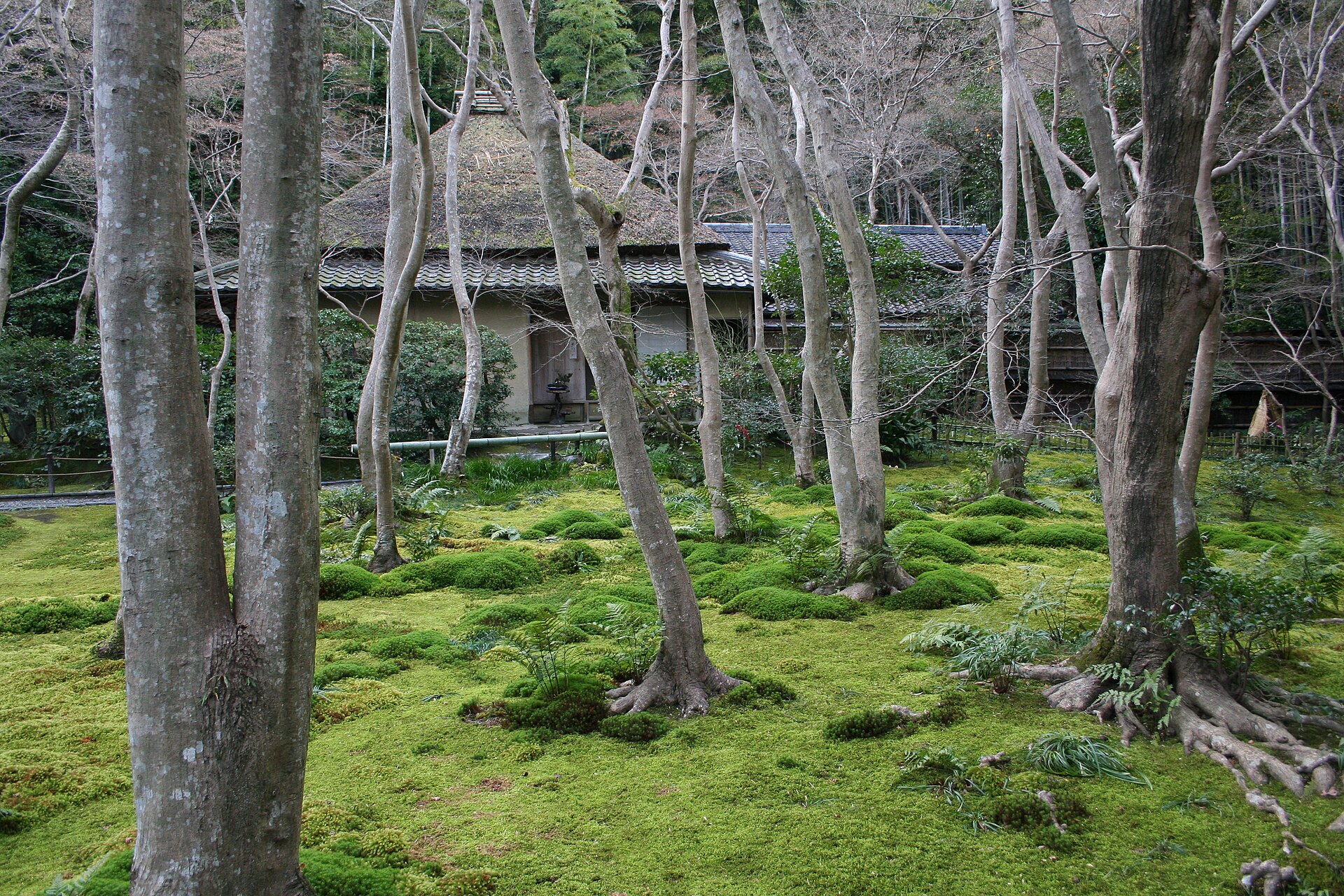
The temple grounds contain numerous stone rakan statues carved with distinct individual expressions. These figures were created relatively recently in the temple's long history, with many dating to the late twentieth century. The statues are arranged throughout the mossy temple grounds, creating an atmospheric environment. The temple also features traditional Buddhist architectural elements including halls and gates. The natural surroundings of cedar and other trees contribute significantly to the site's character, with the forest setting forming an integral part of the visitor experience rather than merely a backdrop.
Checked 2026-08-26
Most visitors spend between forty-five minutes and ninety minutes exploring Otagi Nenbutsu-ji. The duration depends on individual pace and interest in examining the numerous statues scattered across the grounds. Photography enthusiasts may require additional time. The temple does not demand the extended visit times of major comprehensive temple complexes in Kyoto. The relatively compact nature of the grounds means that even a shorter visit allows meaningful engagement with the site's distinctive atmosphere. Visitors combining this with other Arashiyama attractions should allocate time accordingly for the approach walk.
Checked 2026-08-26
Visitors should verify current opening times before planning their trip, as temple schedules in Kyoto vary seasonally and may change without extensive public notification. The forest setting suggests the site offers atmosphere across seasons, though weather conditions affect the approach path. Morning visits typically provide quieter conditions at temples in the Arashiyama area. Rainy weather may make the hillside paths more challenging. Autumn foliage and spring greenery would logically enhance the wooded setting, though specific seasonal peak timings are not recorded. Check the operator's own site for the travel date before relying on a schedule or fare.
Checked 2026-08-26
Visitors should carry sufficient cash, as many smaller temples in Kyoto operate on cash-only bases for admission fees. The temple's scale and positioning suggest any admission fee would be modest relative to major heritage sites in the city. No advance booking system is indicated in available information. Visitors should not assume credit card acceptance at this or similar smaller religious sites in Kyoto. Budget-conscious travelers should factor potential admission costs into overall Arashiyama day planning without relying on specific pre-trip price information. Check the operator's own site for the travel date before relying on a schedule or fare.
Checked 2026-08-26
Otagi Nenbutsu-ji is located in western Kyoto's Arashiyama district, positioned north of the main tourist thoroughfare. The temple requires walking from public transport points, with the approach involving uphill movement through residential and forested areas. The nearest train stations are in the central Arashiyama area, from which visitors must proceed on foot. The walk takes approximately twenty to thirty minutes from the main station precinct. Signage may be limited compared to major attractions. Visitors should consult current maps before departure, as the temple's more secluded location demands more navigation attention than centrally positioned sites.
Checked 2026-08-26
The approach to Otagi Nenbutsu-ji involves walking on roads and paths with vehicle traffic in sections, requiring pedestrian awareness. The hillside location means uneven ground and steps throughout the grounds, presenting challenges for visitors with mobility limitations. Weather conditions affect path quality significantly. The temple's relative remoteness means fewer immediate amenities compared to central Arashiyama; visitors should carry water and any needed supplies. Mobile telephone signal strength may vary in the forested hillside location. Appropriate footwear is essential given the natural, potentially damp ground conditions and the walking approach required.
Checked 2026-08-26
The distinctive rakan statues present numerous photographic subjects, with their varied expressions and moss-covered surfaces offering visual interest. The forest setting provides natural framing and filtered light conditions. Visitors should exercise standard temple etiquette, refraining from photography in any interior spaces where prohibited and maintaining respectful distance from religious objects. Tripod use may attract attention or restriction in confined temple grounds. The statues' arrangement allows for individual portrait-style compositions or broader environmental shots capturing multiple figures within the woodland context. Morning light penetrating the tree canopy would logically offer favorable conditions, though specific times are not recorded.
Checked 2026-08-26
The temple grounds contain numerous stone statues that may interest children, though the walking approach and uneven ground require supervision. The relatively compact scale suits limited attention spans.
The hillside location, uneven natural ground, and steps throughout the grounds present significant accessibility challenges. Visitors with mobility limitations should assess current conditions carefully before attempting the visit.
Not recorded. Smaller temples in Kyoto often provide limited foreign-language materials. Visitors should not assume comprehensive English explanations will be available on-site.
The temple's more remote location and approach walk make it unlikely to feature on standard large-group bus itineraries. Independent travel or specialized small tours would be more probable access methods.
The temple's position allows logical combination with central Arashiyama sites, though the walking approach adds significant time. Visitors should plan realistic itineraries accounting for transit between locations.
Not recorded. The temple's scale and positioning suggest limited on-site amenities. Visitors should eat before arrival or carry provisions, particularly given the walking approach required.
Loading the interactive map…
The interactive map could not be loaded.
Last updated:
Source: OpenStreetMap contributors, Wikidata ·