


2 min walk
Lutheran Church of the Redeemer
- Must see
- Place of worship
Language · 11 published
Historic monument · Jerusalem
העיר העתיקה
| Monday | 00:00 – 23:59 |
|---|---|
| Tuesday | 00:00 – 23:59 |
| Wednesday | 00:00 – 23:59 |
| Thursday | 00:00 – 23:59 |
| Friday | 00:00 – 23:59 |
| Saturday | 00:00 – 23:59 |
| Sunday | 00:00 – 23:59 |
Checked 2026-08-31 · Source
Read from the OpenStreetMap access tags; anything not listed has no tag recorded.
Set the group type to family in the planner and the day window contracts to about three quarters of a solo day.
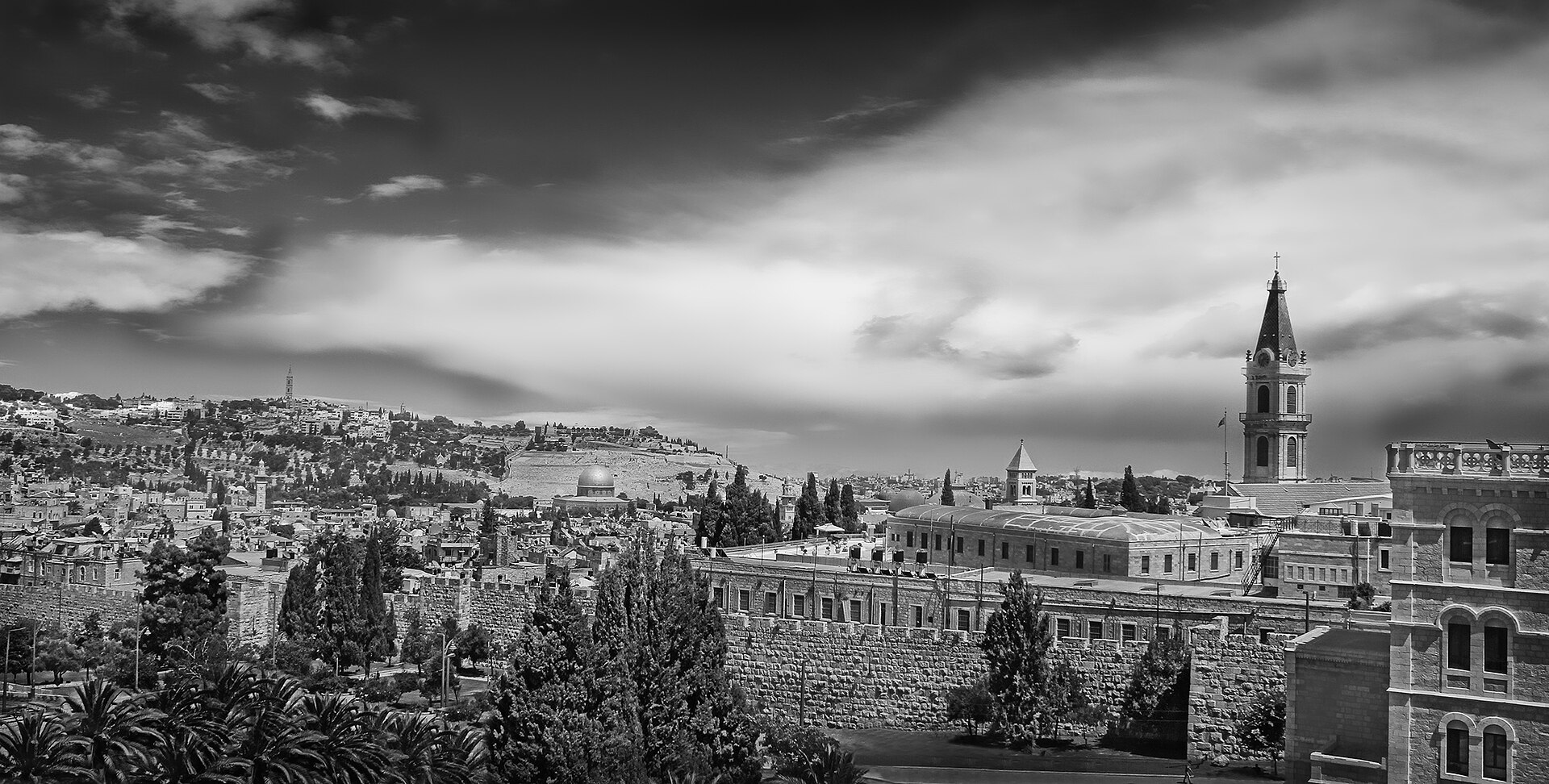
The Old City of Jerusalem is a walled area within the modern city of Jerusalem, recognized as a UNESCO World Heritage Site since 1981. It holds profound significance for Judaism, Christianity, and Islam. The area is divided into four quarters: Jewish, Christian, Muslim, and Armenian. Its history spans millennia, with layers of destruction and rebuilding. The walls standing today largely date from the Ottoman period under Suleiman the Magnificent. The site contains numerous religious and historical monuments that draw millions of pilgrims and visitors annually from across the world.
Checked 2026-08-26
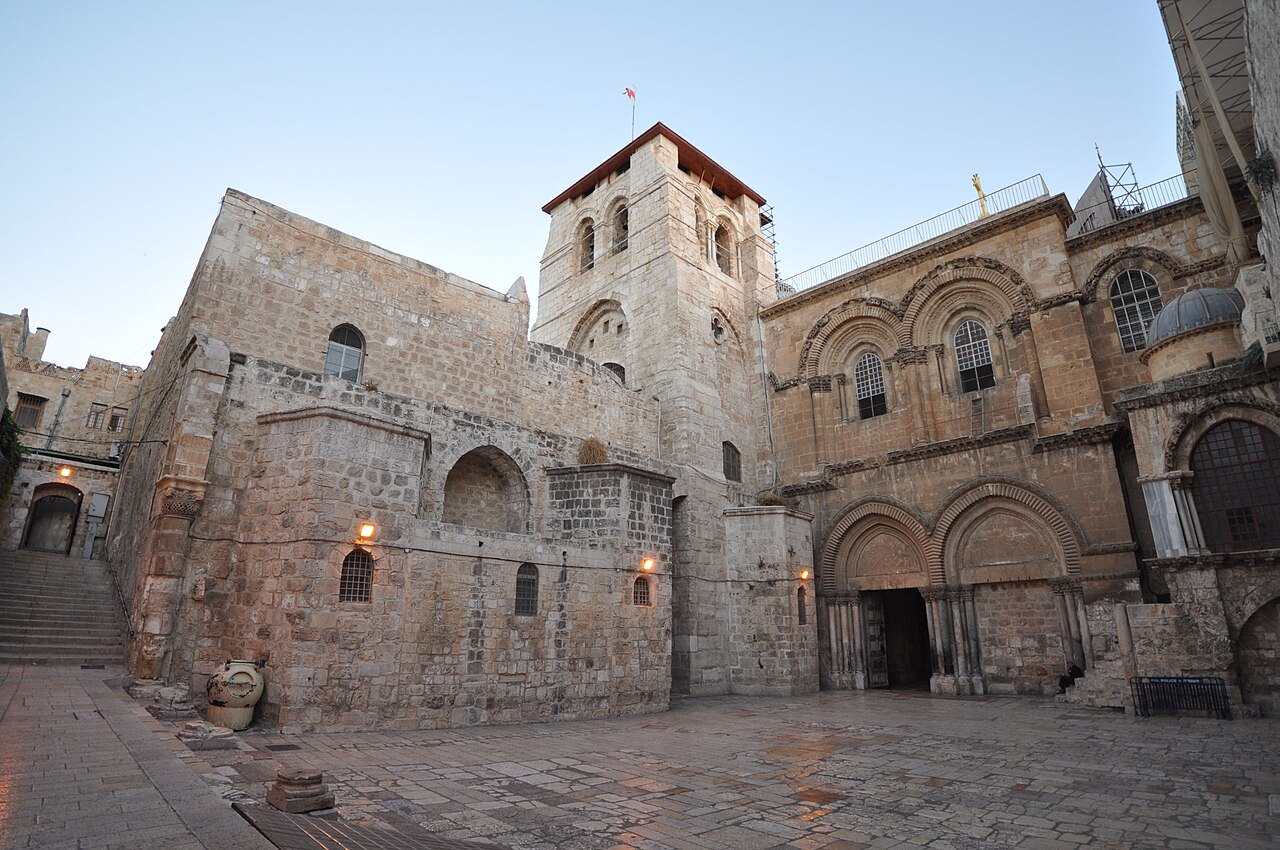
The Old City contains the Temple Mount with the Dome of the Rock and Al-Aqsa Mosque, sacred to Islam. The Western Wall, Judaism's holiest prayer site, stands nearby. The Church of the Holy Sepulchre, venerated by Christians as Jesus's crucifixion and resurrection site, lies in the Christian Quarter. Narrow souks and markets fill the Muslim Quarter. The Armenian Quarter contains St. James Cathedral. Numerous smaller churches, synagogues, mosques, archaeological sites, and historical structures are interwoven throughout. The Via Dolorosa traces the traditional path of Jesus's Passion. Each quarter maintains distinct character and community life.
Checked 2026-08-26
Visitors typically spend one to three days exploring the Old City comprehensively. A focused half-day permits viewing the major religious sites: the Western Wall, Temple Mount, and Church of the Holy Sepulchre. A full day allows additional wandering through quarters and markets. Multiple days enable deeper exploration of lesser-known sites, museums, and repeated visits at different times. Religious pilgrims may require specific durations for prayer and ritual observance. The compact size permits efficient walking between major points, though narrow streets and crowds significantly slow movement during peak periods and religious holidays.
Checked 2026-08-26
Jerusalem experiences hot, dry summers and cool, wet winters. Spring and autumn offer moderate temperatures favorable for walking. Religious holidays bring both special atmosphere and extreme crowding. Fridays and Saturdays affect Jewish Quarter operations; Muslim Friday prayers impact Temple Mount access. Christian holidays transform the Christian Quarter. Ramadan alters Muslim Quarter rhythms. Visitors should consult current schedules before planning. Early mornings generally provide calmer conditions for major sites. Political and security situations can cause sudden access restrictions at any time without advance notice. Check the operator's own site for the travel date before relying on a schedule or fare.
Checked 2026-08-26
The Old City itself has no entry fee; access through gates is free. Individual sites within may require separate arrangements. The Temple Mount has controlled access with security screening. Some churches request donations. Museums and specific attractions may charge admission. Visitors should carry identification for security checkpoints. Modest dress is required for religious sites. Some areas may restrict access based on religion or require advance registration. Current conditions should be verified before visiting, as policies change frequently due to security, religious, or administrative considerations. Check the operator's own site for the travel date before relying on a schedule or fare.
Checked 2026-08-26

The Old City is accessible from modern Jerusalem by multiple routes. Damascus Gate, Jaffa Gate, and other historic gates provide pedestrian entry. Public buses serve surrounding areas. Taxis and ride services stop outside the walls; vehicles cannot enter most quarters. The light rail has nearby stations. Walking from central Jerusalem accommodations is feasible for many visitors. Navigation inside requires orientation to narrow, winding streets with limited signage. Map applications may prove unreliable in covered passages. Visitors should identify their entry gate and maintain awareness of quarter boundaries to avoid unintended detours through restricted or sensitive areas.
Checked 2026-08-26
Security presence is substantial and unpredictable; cooperate fully with checks. Tensions between communities occasionally flare without warning. Pickpockets operate in crowded markets and religious sites. Aggressive vendors and unofficial guides target tourists in commercial areas. Dress modestly covering shoulders and knees for all religious sites. Some areas have gender-specific requirements or separation. Photography restrictions apply at numerous locations; observe posted signs and local requests. Physical terrain involves uneven stone steps, steep inclines, and narrow passages unsuitable for mobility limitations. Hydration is essential in summer heat. Political discussions with strangers carry risk; maintain neutral awareness of surroundings.
Checked 2026-08-26
Photography presents complex considerations throughout the Old City. Many religious sites prohibit or restrict photography entirely; signs indicate policies but enforcement varies. The Temple Mount strictly controls camera use. Some worshippers object to photography during prayer regardless of official rules. Security personnel may question camera use near sensitive locations. Markets and street scenes generally permit photography, though individuals may object. Dawn and golden hour offer exceptional light on stone architecture and narrow alleys. Rooftop vantage points from approved locations provide panoramic views. Drone use is prohibited. Respectful discretion preserves access and avoids conflict in this deeply sacred environment.
Checked 2026-08-26
The Old City generally receives substantial security presence, but conditions fluctuate. Visitors should monitor current travel advisories, cooperate with security personnel, avoid political gatherings, and maintain situational awareness. Most visits occur without incident.
Yes, the quarters are generally accessible to visitors, though certain sites restrict entry based on religion or require advance arrangements. Some areas may have temporary access limitations due to security or religious observances.
A guide is not required but enhances understanding of complex historical and religious layers. Licensed guides are available; unofficial guides may approach visitors in commercial areas with variable quality and motives.
Modest dress covering shoulders and knees is required for all religious sites. Some locations have stricter requirements. Comfortable walking shoes are essential for uneven stone surfaces and steep passages.
Numerous restaurants, cafes, and food vendors operate throughout the quarters, particularly in the Muslim and Christian Quarters. Options range from street food to sit-down establishments. Water availability is important during hot weather.
The Old City remains accessible after dark, though individual sites close. Evening atmosphere differs significantly, with reduced crowds in some areas and active nightlife in others. Caution is warranted in poorly lit narrow passages.
Loading the interactive map…
The interactive map could not be loaded.

Last updated:
Source: OpenStreetMap contributors, Wikidata ·