_P065_Jerusalem_Lithostrotos_Roman_Games.jpg)

_-_James_Tissot.jpg)


1 min walk
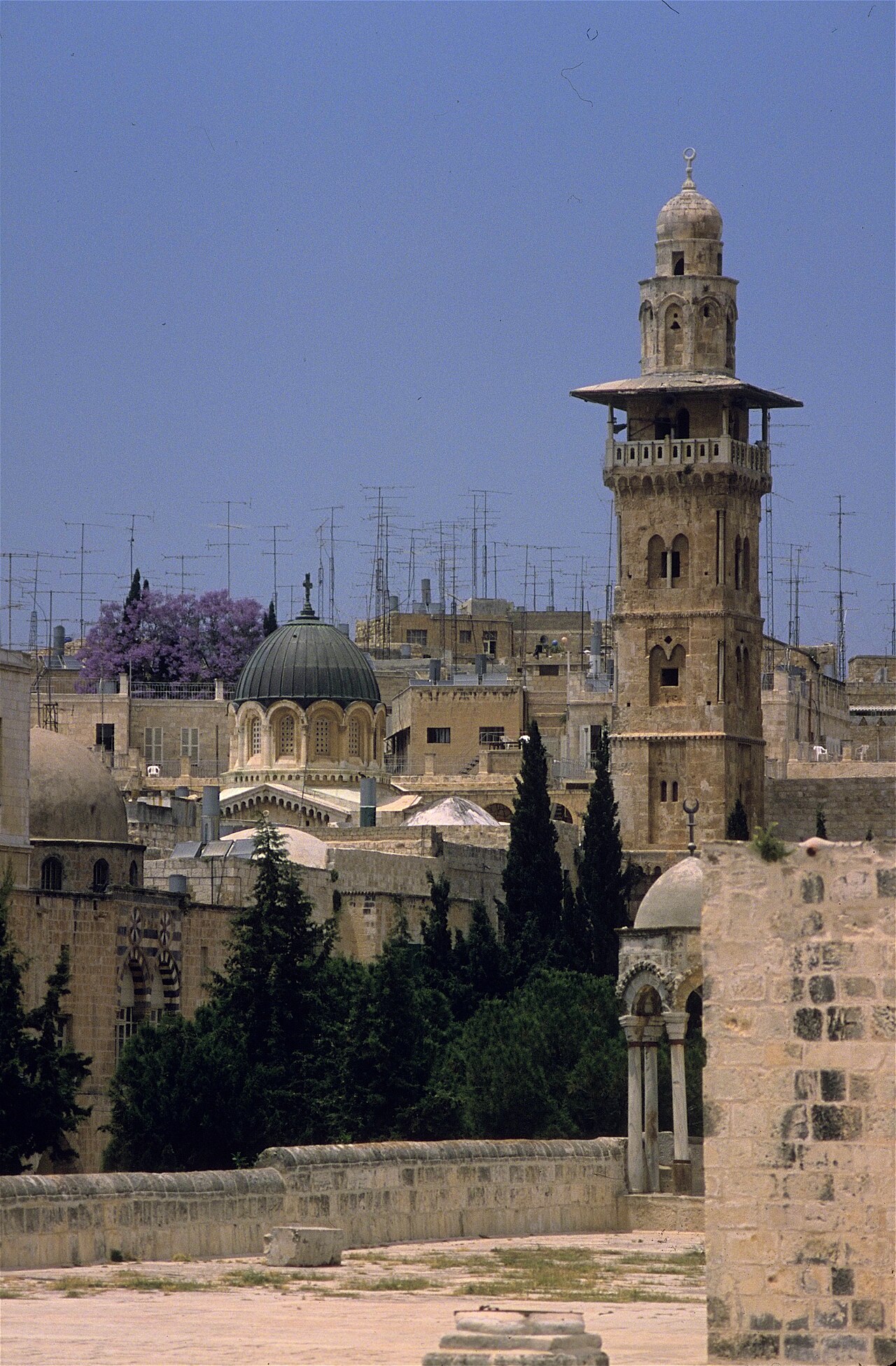
Ghawanima minaret
- High
- Historic monument
Language · 11 published
Historic monument · Jerusalem
Lithostrotos

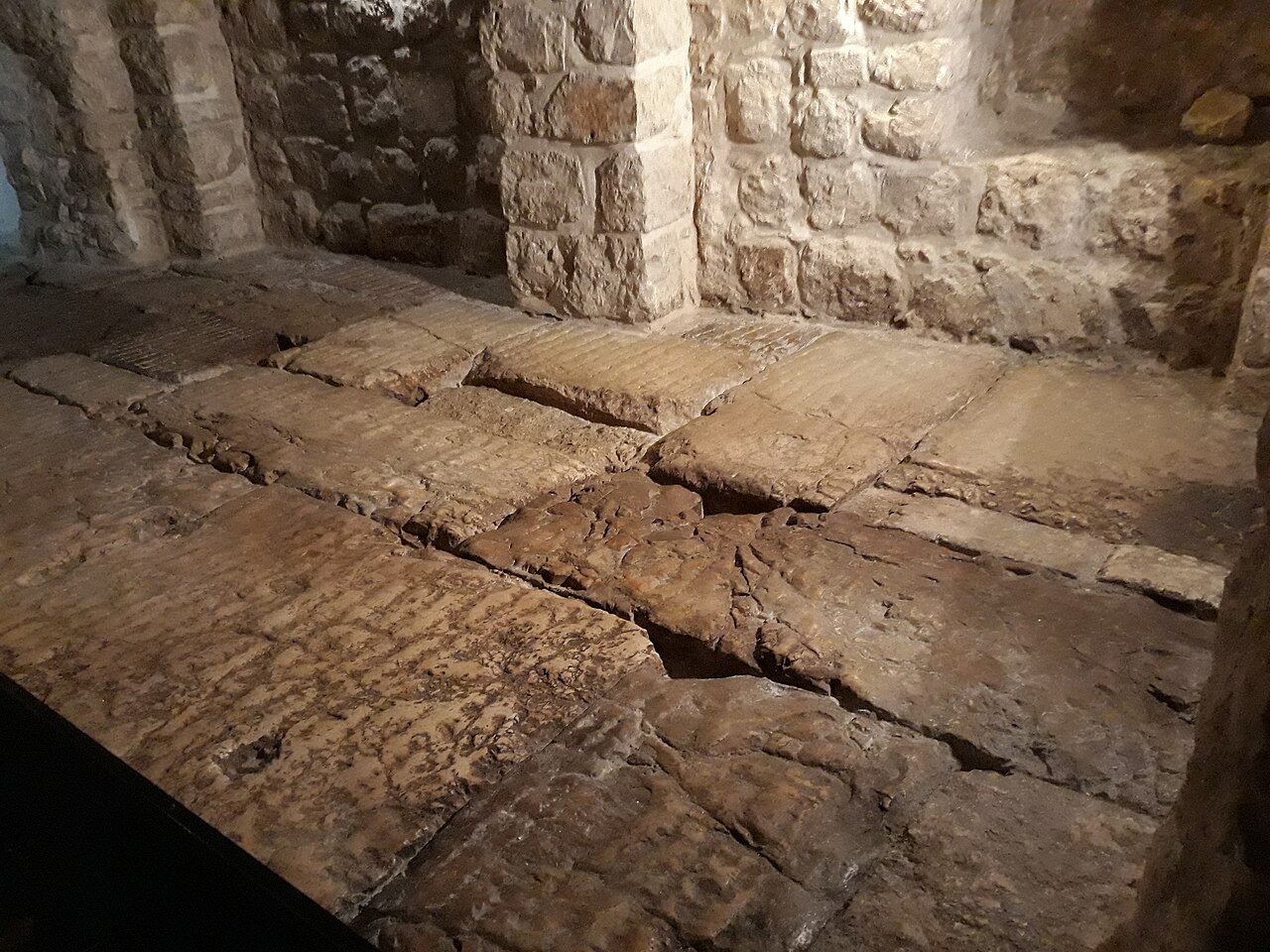
Lithostrotos is a stone pavement site in Jerusalem's Old City, traditionally associated with the Praetorium where Jesus was presented to the crowd according to some Christian traditions. The name derives from Greek, meaning stone pavement or mosaic. The site lies within the Convent of the Sisters of Zion, which was built over archaeological remains. Its identification as the biblical Lithostrotos remains debated among scholars, with some archaeological evidence pointing to Roman-era construction under Hadrian rather than the first century. Lithostrotos also earns time in a jerusalem itinerary because A meaningful jerusalem visitor landmark retained in the breadth-first top 100; production has no city POI pool for an exact match. Its value becomes clearer when the stop is compared with the surrounding streets and the other ranked places nearby.
Checked 2026-08-26
The site features exposed ancient stone pavement, visible through openings in the convent's floor and in an underground chamber. Visitors can observe large flagstones with markings and games etched by Roman soldiers. The Struthion Pool, an ancient water reservoir, is accessible nearby within the same complex. The convent itself contains chapels and religious spaces. The underground areas include vaulted chambers and archaeological displays. The presentation emphasizes both the religious significance and the historical layering of Jerusalem's built heritage across multiple periods.
Checked 2026-08-26

Most visitors spend approximately thirty to sixty minutes exploring the Lithostrotos site and associated underground areas. Those with strong interest in biblical archaeology or early Roman Jerusalem may extend their visit to ninety minutes, particularly if examining the stone markings and architectural details carefully. The compact nature of the site limits extended exploration, though combining this visit with other nearby attractions in the Muslim Quarter, such as the Via Dolorosa stations, creates a more substantial itinerary. Religious pilgrims often incorporate prayer and reflection time.
Checked 2026-08-26

Operator-confirmed hours are Not recorded pending review. Jerusalem experiences hot, dry summers and mild, wet winters. The underground chambers may offer relative coolness during summer months. Morning visits to the Old City generally encounter fewer crowds regardless of season. Friday afternoons and Saturdays see reduced activity due to Sabbath observance in surrounding areas. Christian pilgrimage seasons, particularly Easter and Christmas periods, bring increased visitor numbers. Weekday mornings outside major religious holidays likely offer the most contemplative experience for visitors seeking quieter conditions.
Checked 2026-08-26
Operator-confirmed prices are Not recorded pending review. The Lithostrotos forms part of the Convent of the Sisters of Zion, which may operate with donation-based entry or set admission fees. Some religious sites in Jerusalem maintain separate pricing for individuals and groups. Pilgrimage groups sometimes arrange advance access. Visitors should carry cash in multiple currencies, as smaller religious institutions may not accept cards. Combination tickets with other nearby biblical sites are not known to exist. Budget-conscious travelers should verify current arrangements directly before visiting.
Checked 2026-08-26
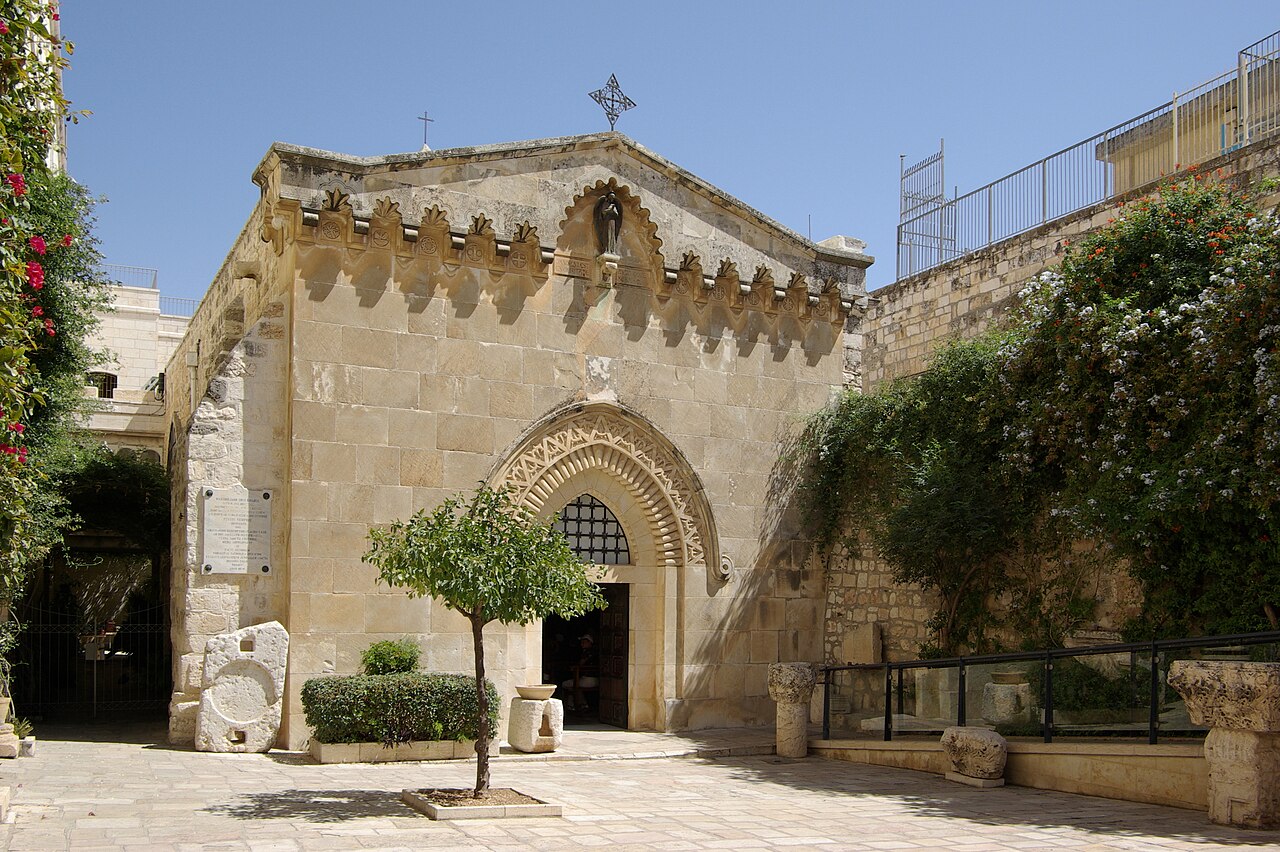
The Lithostrotos sits within Jerusalem's Old City walls in the Muslim Quarter, near the intersection of the Via Dolorosa and El-Wad Street. Enter through Damascus Gate or Lion's Gate for the most direct approach. The Old City is pedestrian-only in most areas; private vehicles cannot access the immediate vicinity. Public buses serve stops outside the walls. Walking from Jaffa Gate or the Western Wall plaza requires navigating narrow, sometimes crowded streets. Signage is limited; detailed maps or guided assistance proves valuable for first-time visitors to this quarter.
Checked 2026-08-26

The Muslim Quarter surrounding the site involves navigating narrow alleyways with active commercial activity and occasional tension. Modest dress is essential for all visitors to religious sites. Underground areas feature uneven surfaces, steps, and limited lighting; appropriate footwear is necessary. The site may close without advance notice for religious services or private events. Some visitors report aggressive solicitation from nearby vendors. Political sensitivities in the Old City require awareness and respectful conduct. Solo travelers, particularly women, should exercise standard urban caution in less trafficked passages.
Checked 2026-08-26

Photography policies are not formally documented; visitors should observe posted restrictions and request guidance from attendants. Flash photography may disturb the atmospheric conditions of underground chambers and annoy other visitors. The stone pavement and vaulted ceilings present challenging lighting conditions requiring higher ISO settings or steady support. Respect for praying individuals and religious ceremonies takes absolute priority over photographic opportunities. Tripods may obstruct narrow passageways and should likely be avoided. The most effective images often capture textural details of the ancient stonework rather than wide compositions in confined spaces.
Checked 2026-08-26
This identification is traditional but debated among archaeologists and historians. Some evidence suggests the pavement dates to Hadrian's era, later than the first century.
Individual visitation appears possible, though the site lies within an active convent with its own access protocols that visitors should confirm directly.
Not recorded. Religious sites in the Old City often have limited amenities; visitors should plan accordingly before entering the Muslim Quarter.
Not recorded. The underground location and ancient structure present significant accessibility challenges that should be verified directly with the convent.
The site lies near the traditional route and represents one possible location for events in the Passion narrative, though the exact path remains historically uncertain.
Morning visits generally offer cooler temperatures and fewer crowds in the Old City's narrow streets, improving the overall experience.
Loading the interactive map…
The interactive map could not be loaded.

Last updated:
Source: OpenStreetMap contributors, Wikidata ·