


1 min walk
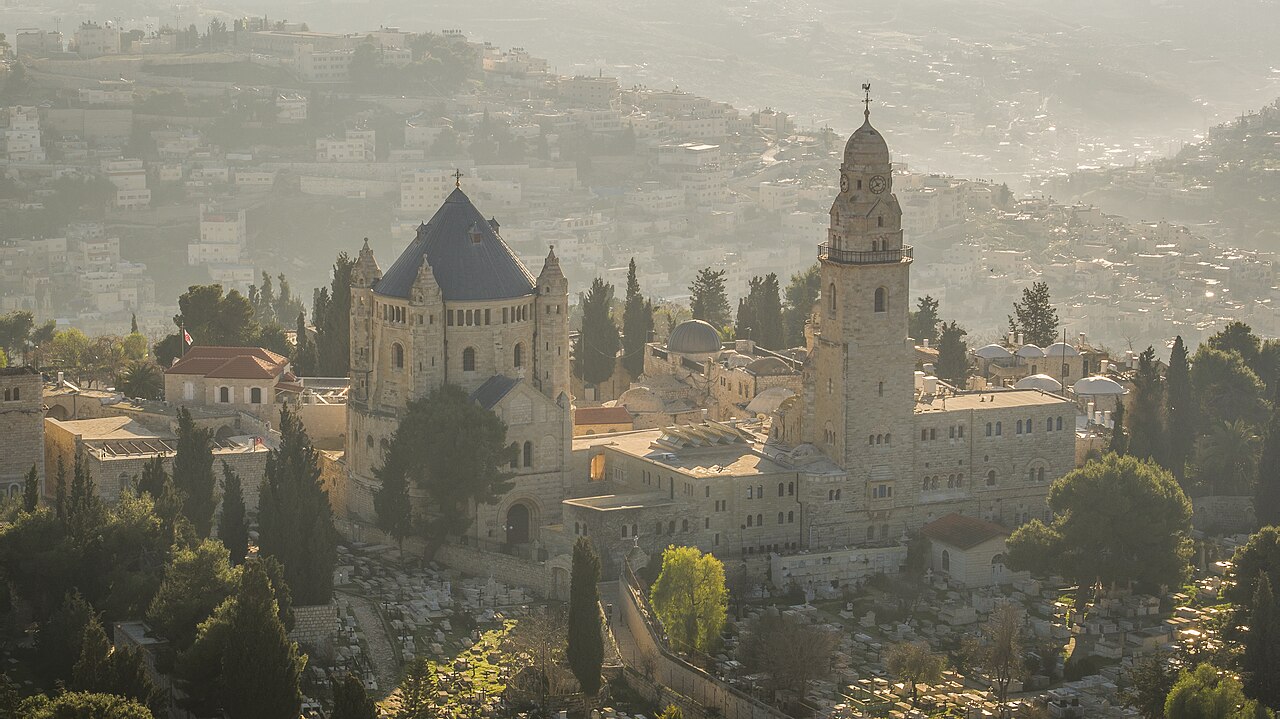
Dormition Abbey
- Must see · Heritage site
- Historic monument
Language · 11 published
Historic monument · Jerusalem
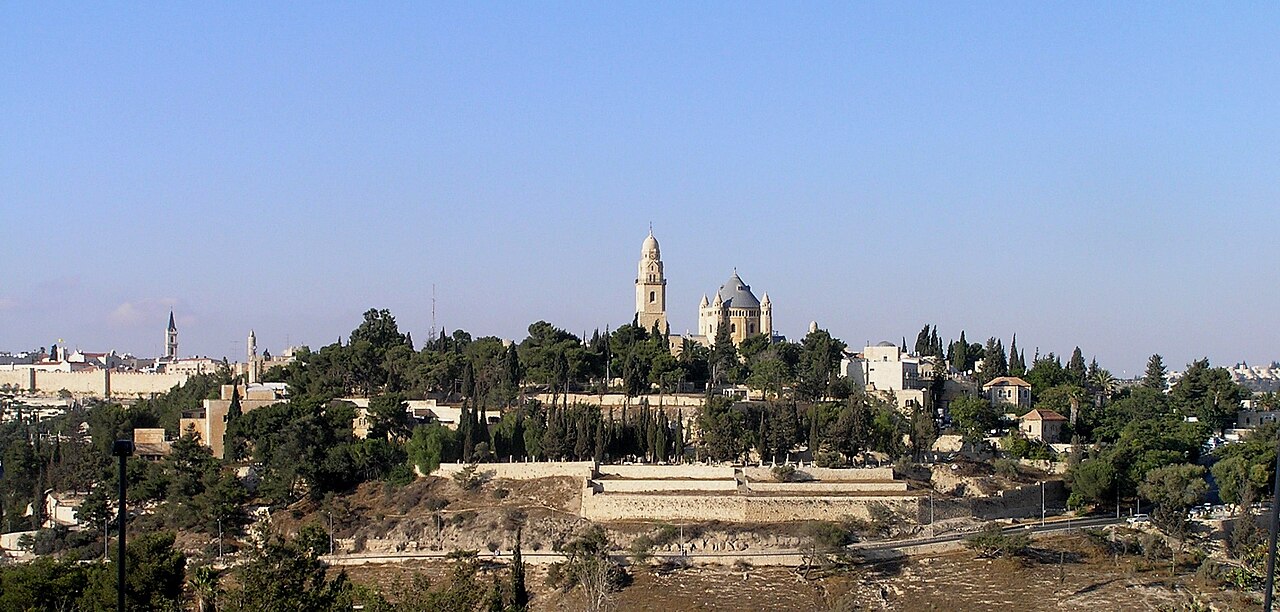
Mount Zion is a hill in Jerusalem with deep historical and religious significance across multiple faiths. It lies outside the Old City walls and is traditionally associated with King David's burial, the Last Supper, and the Dormition of the Virgin Mary. The site holds importance for Judaism, Christianity, and Islam. Its identity has shifted over centuries as Jerusalem's boundaries changed. Today it functions as a visitor destination with several religious structures and memorials. The area reflects layered histories and competing sacred claims. Visitors should approach with sensitivity to its contested religious meanings and the diverse communities that hold it significant.
Checked 2026-08-26
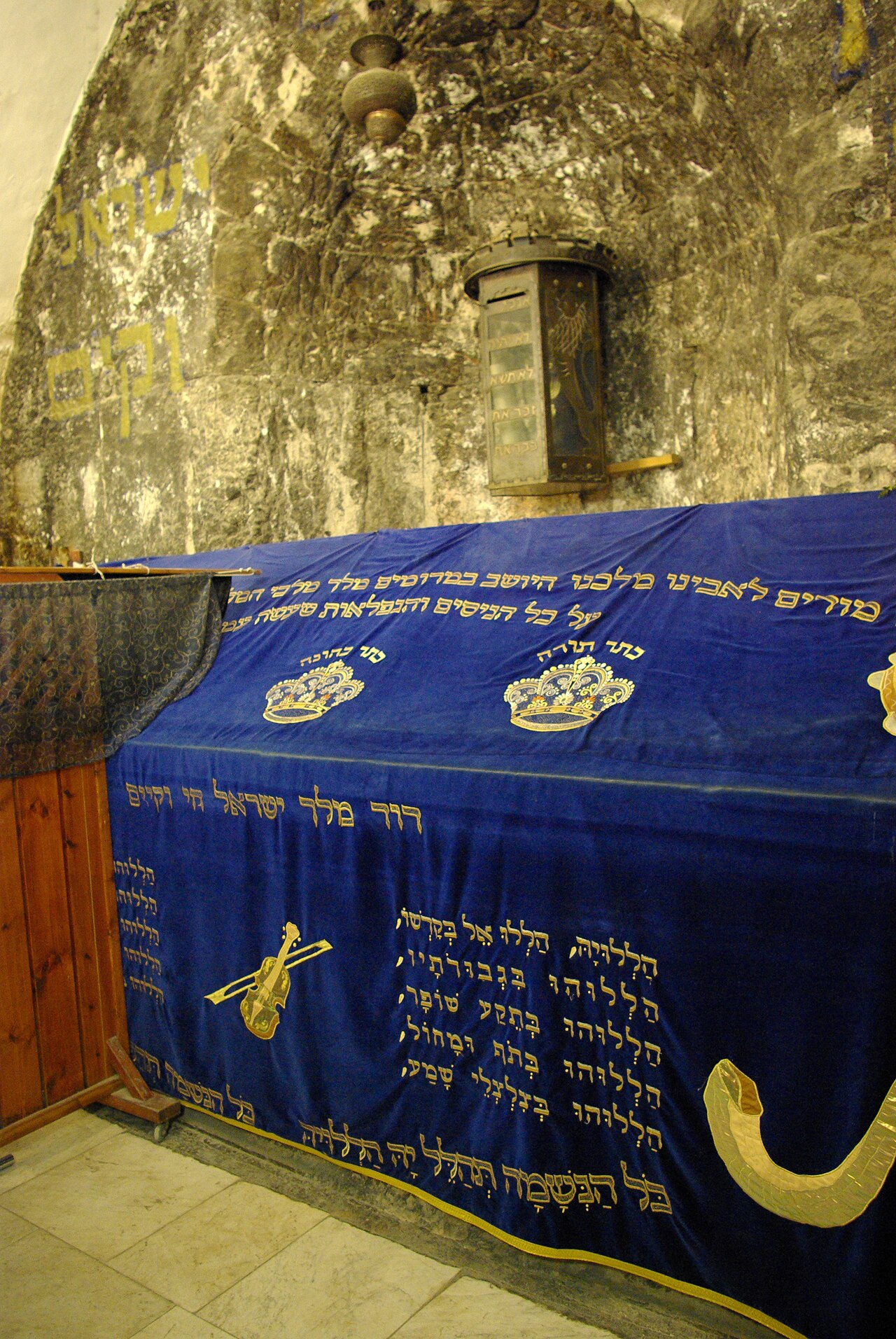
The hill contains several notable religious sites. The Cenacle, or Upper Room, is traditionally identified as the location of the Last Supper. The Tomb of King David is a Jewish shrine of veneration. The Dormition Abbey, a German Benedictine monastery, marks the traditional site of Mary's death. The Chamber of the Holocaust, an early memorial museum, is also present. Nearby, the Protestant Cemetery contains graves of nineteenth-century figures. These sites sit in close proximity, sometimes with shared or disputed custodial arrangements. The physical area is relatively compact but dense with competing sacred narratives and institutional presences.
Checked 2026-08-26

A thorough visit to Mount Zion requires approximately two to three hours, depending on religious interest and pace. Those engaging in prayer or extended contemplation at multiple sites may wish to allocate half a day. The Tomb of David and the Cenacle each draw separate visitor flows, and the Dormition Abbey merits dedicated time for its architecture and atmosphere. The Holocaust memorial demands reflective attention. Combining Mount Zion with adjacent Old City exploration extends the itinerary substantially. Visitors with limited time can prioritize according to denominational interest, as no single route is prescribed.
Checked 2026-08-26
Jerusalem's climate features hot, dry summers and mild, wet winters. Spring and autumn offer more temperate conditions for outdoor walking on the exposed hillside. Religious calendars significantly affect visitor density and access, with Jewish, Christian, and Muslim observances creating fluctuating conditions. Operator-confirmed hours are Not recorded pending review. Visitors should verify current access arrangements before travel, as religious sites may modify schedules unpredictably. Early mornings generally provide quieter conditions. Friday afternoons and Saturdays see reduced Jewish site accessibility. Christian liturgical seasons, particularly Holy Week, intensify pilgrimage traffic substantially.
Checked 2026-08-26

Access arrangements for Mount Zion's component sites vary by institution and religious custodianship. Some areas permit free entry; others may request donations or impose modest fees. Certain spaces restrict access during prayer times or religious services. Operator-confirmed prices are Not recorded pending review. Visitors should carry small denominations for voluntary contributions. No comprehensive ticketing system covers all sites. Photography permissions differ across locations, sometimes requiring separate payment. Group arrangements may need advance coordination with individual religious authorities. Budget planning should remain flexible given the fragmented management structure.
Checked 2026-08-26

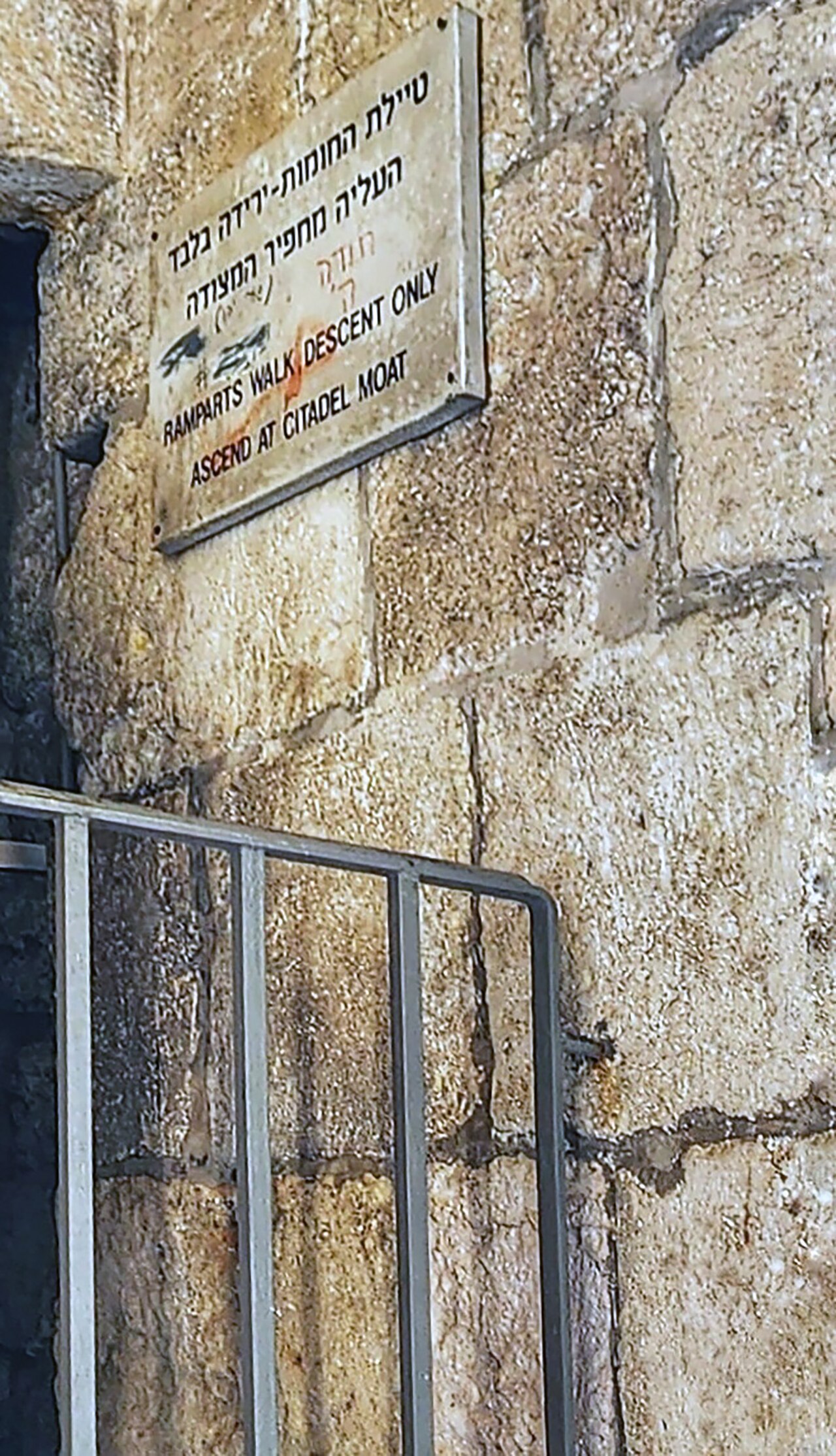
Mount Zion sits southwest of Jerusalem's Old City walls, accessible by foot from multiple gates. The Zion Gate provides direct pedestrian approach from the Armenian and Jewish Quarters. Public bus routes serve surrounding streets, though exact lines require current local verification. Taxis and ride services reach the base of the hill. Parking is limited and congested during peak periods. The terrain involves inclines unsuitable for mobility-impaired visitors without assistance. Signage exists but benefits from supplementary navigation tools. Walking from the city center or main accommodations is feasible for able visitors, taking approximately twenty to thirty minutes.
Checked 2026-08-26
Religious sensitivities demand modest dress at all sites, with covered shoulders and knees typically expected. Security presence is visible and unpredictable checks occur. Tensions between visitor groups and worshippers can arise, particularly at shared or disputed spaces like the Cenacle. The Tomb of David maintains gender-separated areas. Some zones restrict non-Muslim prayer ostensibly to preserve status quo arrangements. Political symbolism appears in signage and memorials. Physical infrastructure includes uneven surfaces and steps. Heat exposure is significant in summer months with limited shade. Visitors should carry water and sun protection regardless of season.
Checked 2026-08-26
Photography policies differ sharply across Mount Zion's constituent sites and may change without notice. Some religious interiors prohibit all imaging; others permit it without flash. The Cenacle has experienced restrictions due to its contested status. The Dormition Abbey generally allows discreet photography during non-liturgical periods. The Tomb of David typically forbids imaging of worshippers and may restrict all cameras. Holocaust memorial spaces demand respectful, non-exploitative documentation. Drone use is prohibited throughout Jerusalem without special authorization. Visitors should observe posted signs, request verbal clarification when uncertain, and prioritize human dignity over image capture in sensitive environments.
Checked 2026-08-26
No. Mount Zion lies outside the current walls, to the southwest. The name's historical usage has shifted as Jerusalem's fortifications changed over centuries.
Yes, though access involves gender-separated sections and religious protocols. Modest dress is required. Specific hours are Not recorded pending review.
The Cenacle is traditionally identified as this location. Archaeological certainty is unattainable. The space carries centuries of Christian veneration regardless of historical verification.
No. Multiple religious institutions and state bodies share custodial responsibilities, creating fragmented access conditions and varying rules.
The area receives regular tourism but exists within a politically contested city. Standard security measures apply. Visitors should remain aware of surroundings and follow local guidance.
Yes. The Zion Gate provides direct pedestrian access. The walk involves elevation change and uneven surfaces.
Loading the interactive map…
The interactive map could not be loaded.

Last updated:
Source: OpenStreetMap contributors, Wikidata ·