


1 min walk
Church of Our Lady of the Spasm
- High · Heritage site
- Place of worship
Language · 11 published
Activity · Jerusalem

The Via Dolorosa is a processional route in the Old City of Jerusalem, traditionally held to be the path Jesus walked carrying his cross to crucifixion. It extends from the Antonia Fortress area near the Lions' Gate to the Church of the Holy Sepulchre. The route incorporates fourteen Stations of the Cross, commemorating events of the Passion. As part of Jerusalem's Old City, it lies within a UNESCO World Heritage Site inscribed in 1981. The path winds through narrow streets of the Muslim and Christian Quarters, functioning simultaneously as sacred pilgrimage route and active urban thoroughfare.
Checked 2026-08-26
The Via Dolorosa contains fourteen Stations of the Cross, with the final five stations located inside the Church of the Holy Sepulchre. Early stations include sites of Jesus's condemnation and falls; later stations mark encounters with Veronica and the Virgin Mary. The route passes through souks and residential areas. Several stations are marked by small chapels or wall plaques. The Franciscan Custody of the Holy Land maintains associated sites. The surrounding Old City contains numerous churches, mosques, and historical structures. The mixture of religious devotion and daily commerce creates a distinctive atmosphere throughout the route's length.
Checked 2026-08-26

The Via Dolorosa covers approximately half a kilometer through the Old City's winding streets. Individual pacing varies considerably depending on whether visitors walk purposefully or pause at each station for prayer and reflection. Pilgrims often spend multiple hours completing the route, particularly when joining guided groups with liturgical elements. Casual visitors may traverse the distance more quickly. The narrow passages and cobblestone surfaces affect mobility. Crowding fluctuates significantly. No official duration is prescribed; the experience accommodates both brief passage and extended devotional engagement according to visitor intention and physical capacity.
Checked 2026-08-26
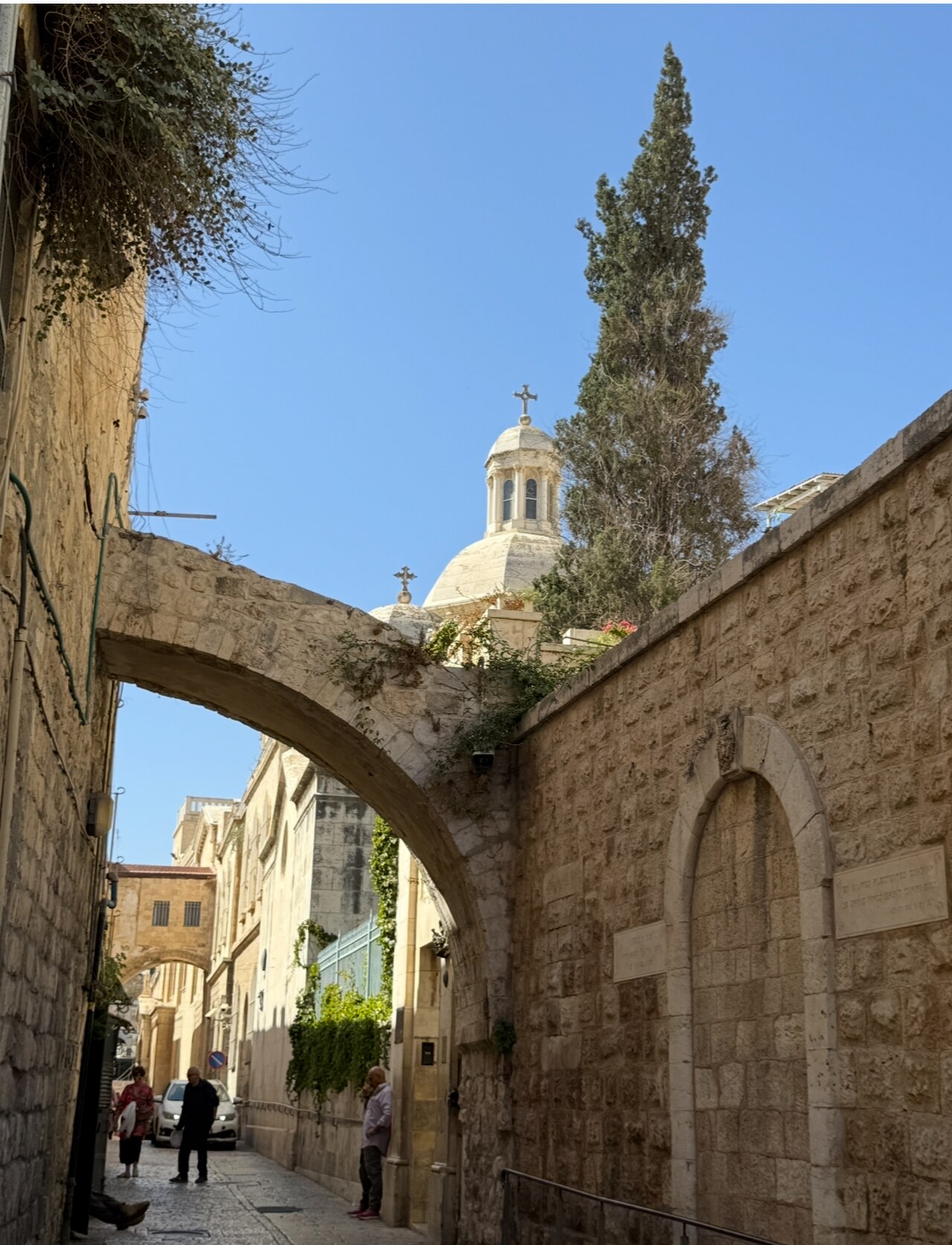
The Via Dolorosa remains accessible as public thoroughfare at all hours, though individual chapels and stations maintain varying schedules. Operator-confirmed hours for all associated sites are Not recorded pending review. Friday mornings draw substantial crowds when Franciscan processions occur. Easter and Holy Week bring peak pilgrimage numbers. Summer months feature intense heat and sun exposure along exposed sections. Early mornings generally offer reduced crowding before tour groups arrive. Friday afternoons and Saturdays observe reduced commercial activity in surrounding areas. Visitors should verify current conditions before planning specific timing, as circumstances affecting accessibility may change without broad notification.
Checked 2026-08-26
No fee applies for walking the Via Dolorosa itself, as it functions as public street. Some associated chapels and the Church of the Holy Sepulchre request donations or charge entrance fees for specific areas. Operator-confirmed prices are Not recorded pending review. Guided tour services operate at various price points. Donation boxes appear at numerous stations. Visitors should carry small denomination currency for voluntary contributions. Commercial establishments along the route operate independently. No comprehensive ticketing system exists for the complete stations experience. Budgeting flexibility accommodates diverse approaches from independent walking to organized pilgrimage packages with liturgical components.
Checked 2026-08-26
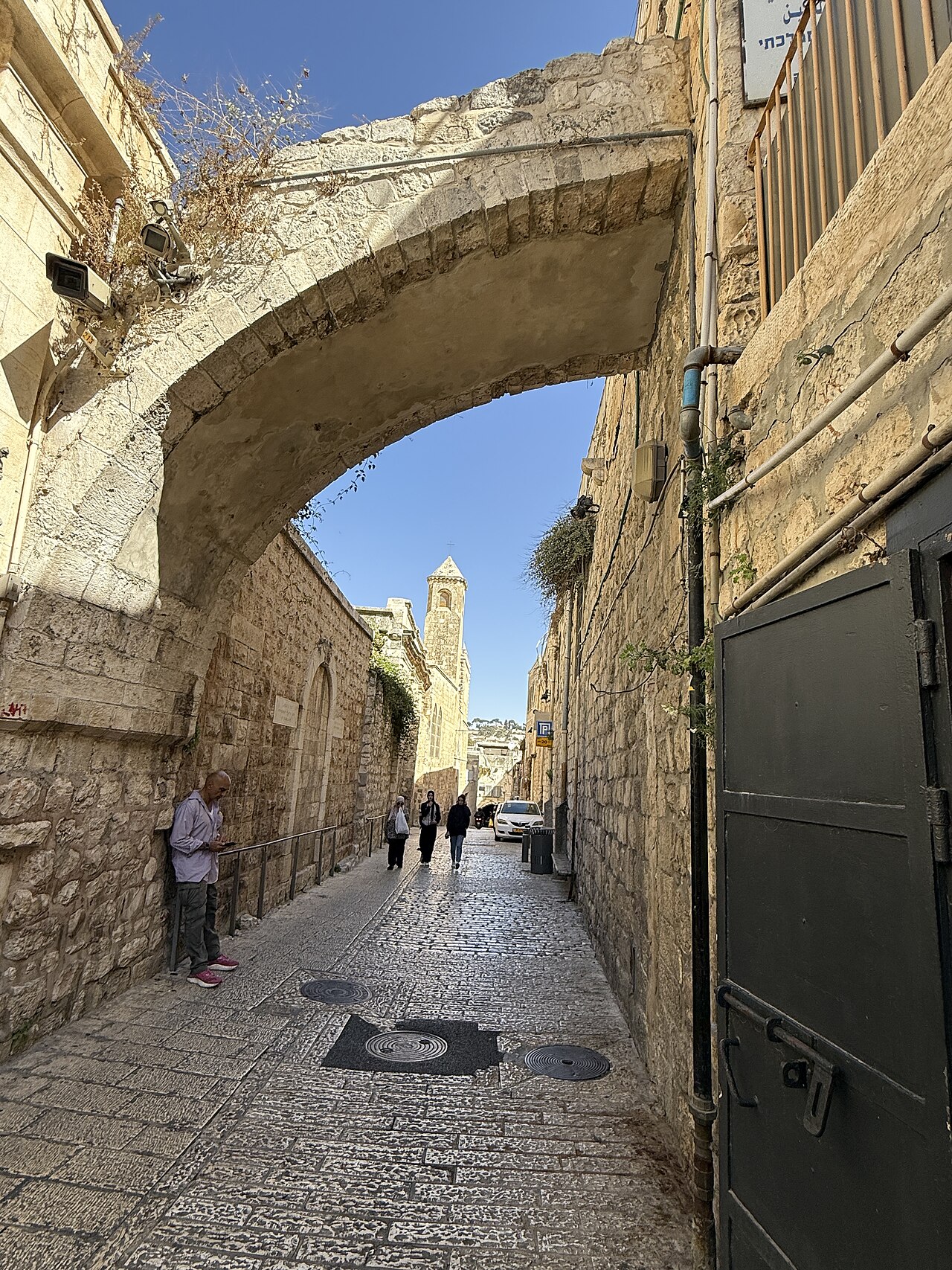
The Via Dolorosa lies within Jerusalem's walled Old City, accessible through multiple gates. The Lions' Gate provides direct access near the traditional starting point. Damascus Gate and Herod's Gate also permit entry with additional walking. Public buses serve surrounding areas outside the walls. The Old City's narrow streets prohibit vehicle access throughout most of the route. Walking constitutes the sole means of traversing the Via Dolorosa itself. Signage exists but may prove inadequate for independent navigation; the winding street layout confuses many visitors. Guided tours offer logistical simplification. Comfortable footwear proves essential given uneven surfaces and inclines.
Checked 2026-08-26
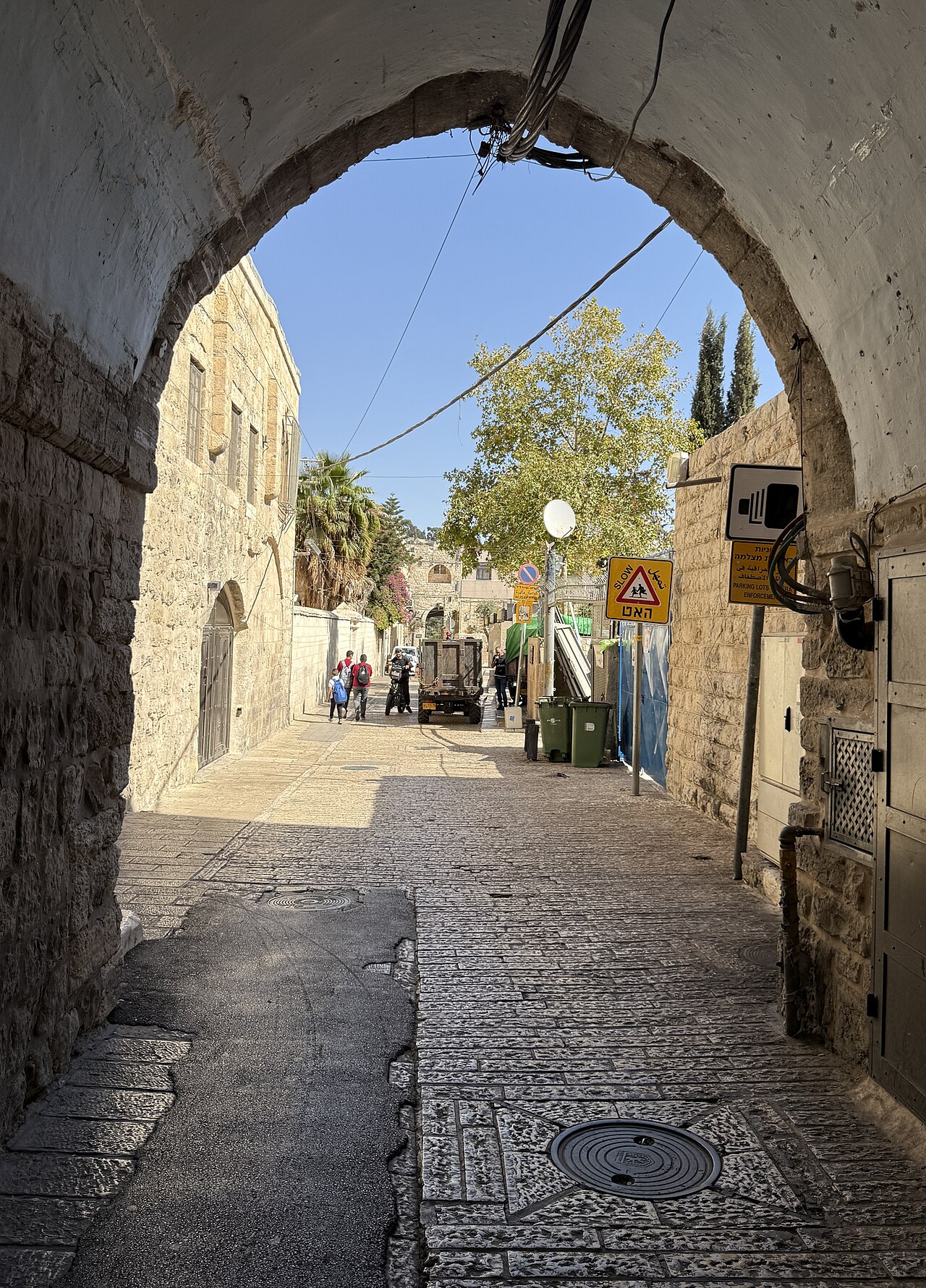
The Via Dolorosa traverses active commercial and residential zones where pedestrians, vendors, and occasional vehicles share constrained space. Cobblestones and irregular surfaces present trip hazards. Aggressive sales tactics occur in surrounding souks. Crowding intensifies during religious observances and peak tourism periods. Political tensions in Jerusalem may affect access or atmosphere without warning. Modest dress demonstrates respect at religious sites. Hydration requires attention during warm periods. Some stations lack clear marking without guidance. Pickpocketing risk elevates in dense crowds. Visitors should maintain situational awareness, secure valuables, and follow local guidance regarding any security developments affecting Old City access.
Checked 2026-08-26

Photography presents complex considerations along the Via Dolorosa. The route itself permits unrestricted photography as public street. Individual chapels and stations impose varying restrictions; some prohibit photography entirely while others permit discreet capture without flash. The Church of the Holy Sepulchre maintains specific rules for its interior spaces. Worshippers and pilgrims deserve priority; photographers should never disrupt prayer or procession. Commercial photography may require permission from religious authorities. Respect for devotees outweighs documentation imperatives. Early morning offers superior lighting through narrow streets with reduced pedestrian interference. Tripods generally prove impractical given spatial constraints and crowd movement throughout the route.
Checked 2026-08-26
The traditional route relies on centuries of devotional tradition rather than definitive archaeological verification. Alternative paths have been proposed by scholars. The current route was formalized in later centuries.
Independent walking is possible as the route follows public streets. Many visitors benefit from guidebooks or audio resources identifying stations, as markings vary in visibility.
Modest dress covering shoulders and knees demonstrates respect at religious sites along the route. Comfortable walking shoes are essential for uneven surfaces.
The surrounding Old City contains shops and food vendors. Specific restroom facilities at individual stations are Not recorded pending review.
Cobblestones, narrow passages, and inclines present significant challenges. Full accessibility information is Not recorded pending review.
Stations one through nine occur along outdoor streets; stations ten through fourteen lie inside the Church of the Holy Sepulchre, requiring entry to complete the full sequence.
Loading the interactive map…
The interactive map could not be loaded.

Last updated:
Source: OpenStreetMap contributors, Wikidata ·