

1 min walk
Maria Callas Museum
- Must see
- Museum
Language · 11 published
Place of worship · Athens
Μητροπολιτικός Ναός Αθηνών
Reviewed by Elena Voss · SSMTour Travel Editor
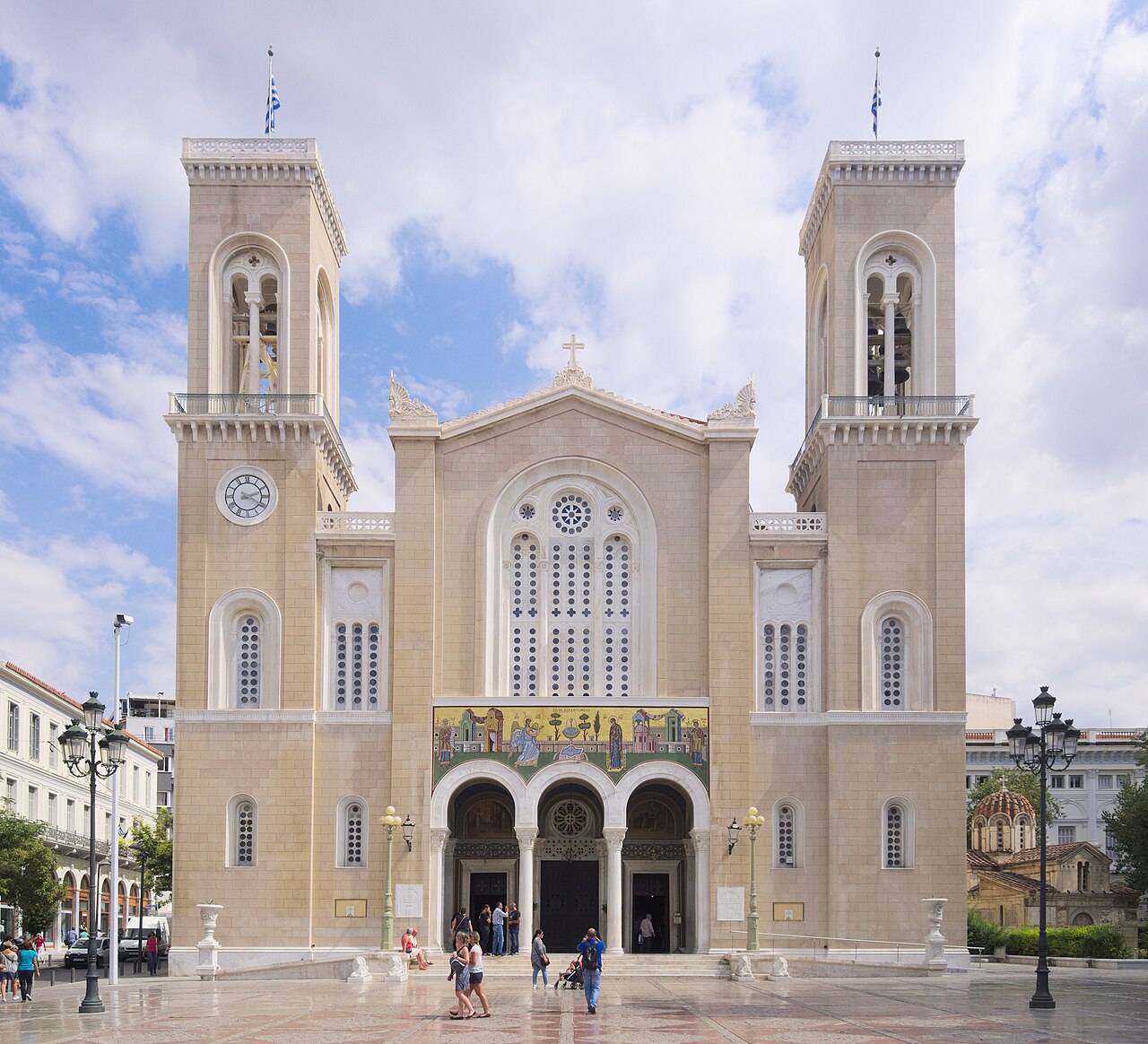
The Metropolitan Cathedral of Athens, also known as the Cathedral of the Annunciation, is the principal cathedral of the Church of Greece in the capital. Construction began in 1842 and the building was completed in 1862, during the early decades of the modern Greek state. It stands beside Mitropoleos Square, close to Syntagma Square and the small medieval church known as the Little Metropolis. The cathedral is the seat of the Archbishop of Athens and All Greece and remains an active Orthodox place of worship. Its importance comes from this combination of religious function, national history and a prominent position in the historic centre of Athens.
Checked 2026-08-26 · Source
The interior presents the visual language of Greek Orthodox worship through a principal nave, side chapels, icons, frescoes and devotional decoration arranged around the liturgical space. Religious relics and iconographic elements associated with Greek Orthodoxy are part of the cathedral’s character. The sanctuary is a functioning sacred area rather than a gallery, and the building is used by worshippers and clergy for services. The nearby Little Metropolis offers a useful contrast: it is smaller and much older, while the cathedral belongs to the nineteenth-century rebuilding of Athens as the capital of independent Greece. Visitors should appreciate the overall spatial arrangement, painted surfaces and ceremonial atmosphere rather than expect museum-style labels.
Checked 2026-08-26 · Source
Allow about twenty to thirty minutes for a short visit combining the cathedral exterior, Mitropoleos Square and a brief look inside when access is appropriate. This is enough time to take in the scale of the building, its relationship with the Little Metropolis and its principal interior features. A visitor attending a service should allow longer, because the liturgy follows its own rhythm and entry or movement may be limited while worship is taking place. Visitors interested in religious architecture can extend the visit by exploring the surrounding historic streets and the nearby Syntagma area.
Checked 2026-08-26 · Source
The cathedral is an active place of worship, and services or Orthodox feast days can change how visitors experience the interior. Sundays and major religious celebrations are more oriented toward worship than sightseeing because the congregation has priority. Mitropoleos Square and the surrounding pedestrian streets can also be busy during the day. A quieter visit is more compatible with observation when no service is taking place. The central timing consideration is therefore the cathedral’s religious use rather than a museum-style seasonal programme. Visitors should treat any service in progress as the governing condition for where they may stand and how long they may remain.
Checked 2026-08-26 · Source
The Metropolitan Cathedral of Athens functions as an active religious site rather than a conventional museum or archaeological attraction. Visitors encounter a place used for Orthodox worship, and the experience is shaped by the cathedral’s religious purpose. Service times, ceremonies and local instructions determine how the interior may be approached. The building should therefore be visited with the expectations appropriate to a working cathedral: sightseeing remains secondary to prayer, liturgy and the needs of the congregation. Special arrangements for groups, events or professional photography are separate matters from an ordinary respectful visit.
Checked 2026-08-26 · Source
The cathedral is in central Athens, beside Mitropoleos Square and within easy reach of Syntagma Square. The nearest metro station identified in the research is Syntagma, served by Lines 2 and 3, with an approximately five-minute walk onward. Bus services run on surrounding streets, while Ermou Street provides a pedestrian approach from Syntagma. From the Acropolis area, walking through the historic centre takes roughly fifteen to twenty minutes. Taxis and ride services can reach the vicinity, although central-Athens traffic restrictions may affect the final approach. Exact bus routes and service conditions can change.
Checked 2026-08-26 · Source
This is an active Orthodox cathedral, so worshippers, clergy and ceremonies take precedence over sightseeing. Dress and behaviour should be respectful, with quiet conversation and attention to local instructions. Do not enter restricted areas or interrupt a service to inspect a detail or take a photograph. Mitropoleos Square and the surrounding central streets can be crowded, so keep belongings secure and watch your footing around changing pedestrian flows. Interior surfaces may not be perfectly even. Candles and incense are part of the religious environment. Visitors should take particular care not to obstruct movement or disturb prayer.
Checked 2026-08-26 · Source
Photography inside the Metropolitan Cathedral should never disrupt prayer, movement or a service. The exterior can be photographed from the public surroundings of Mitropoleos Square, subject to ordinary pedestrian conditions and any temporary local restrictions. Interior photography requires particular restraint because the cathedral is a working place of worship. Publication or commercial images are separate from casual personal observation and may involve additional permission.
Checked 2026-08-26 · Source
The cathedral is an active place of worship, so services and religious celebrations govern interior access when they occur. A daily visitor timetable is not established in the available information. Visitors should treat worship as the priority and follow directions inside the building.
The cathedral’s religious function and visitor admission terms are not established in the available information. It should be approached as an active Orthodox place of worship rather than as a ticketed museum, with services and local instructions taking priority over sightseeing.
The Metropolitan Cathedral of Athens is an active Orthodox place of worship. Visitors who enter during a service should behave quietly, follow local directions and give worshippers and clergy priority. The available information does not provide a visitor-specific service timetable or attendance procedure.
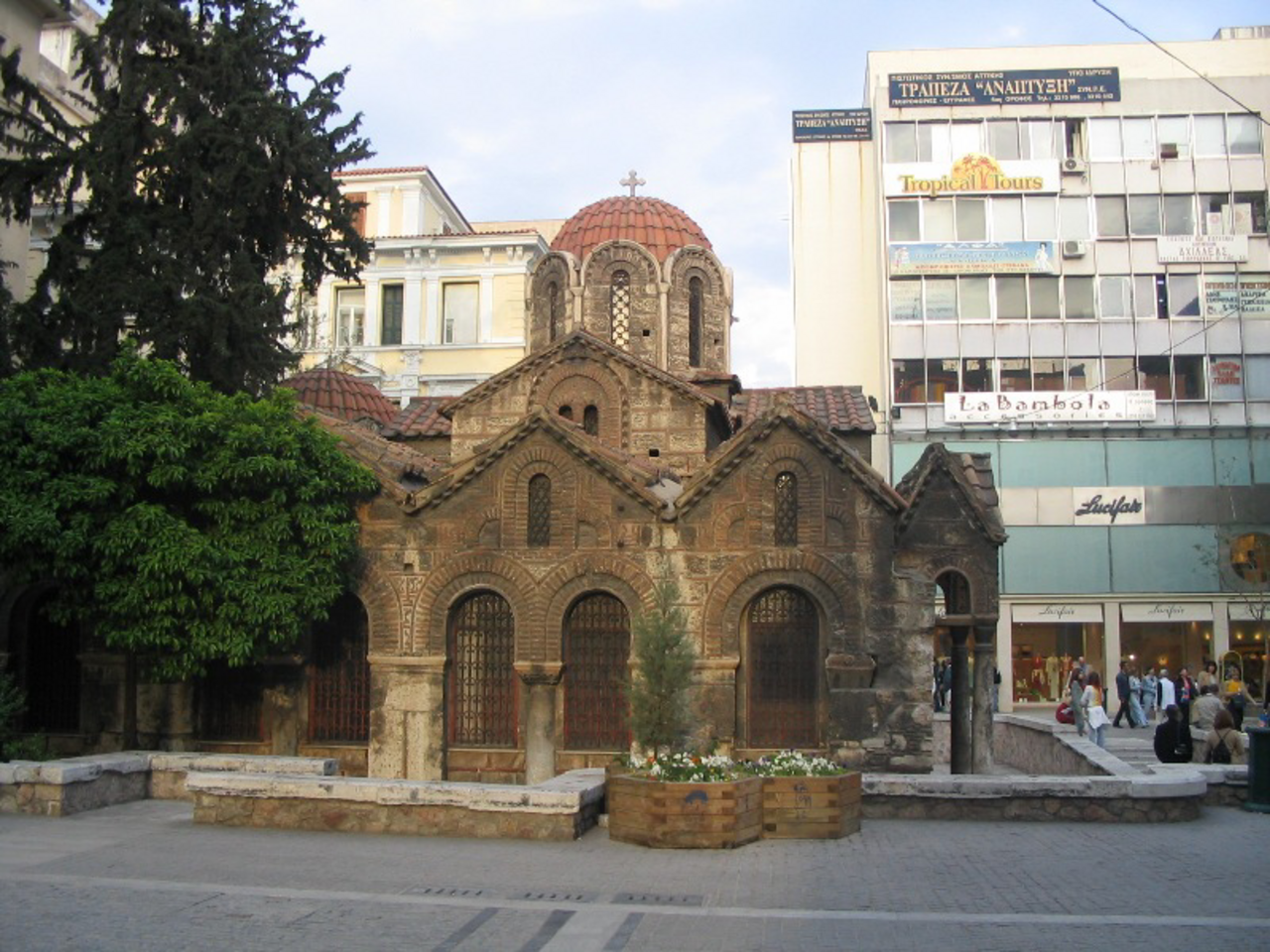
The Metropolitan Cathedral is a nineteenth-century cathedral completed in 1862 and serves as the seat of the Archbishop of Athens and All Greece. The nearby Little Metropolis is a much older, smaller church, giving visitors a clear contrast between modern Greek state-era construction and medieval Athens.
The available information does not record an official guided-tour programme. Independent observation remains the usual way to experience the building.
From Syntagma metro station on Lines 2 and 3, the cathedral is approximately a five-minute walk away. It can also be approached along pedestrian Ermou Street, reached on foot from the Acropolis area in roughly fifteen to twenty minutes, or reached by local bus and taxi in the surrounding central streets.
Loading the interactive map…
The interactive map could not be loaded.
Last updated:
Source: OpenStreetMap contributors, Wikidata ·