
2 min walk
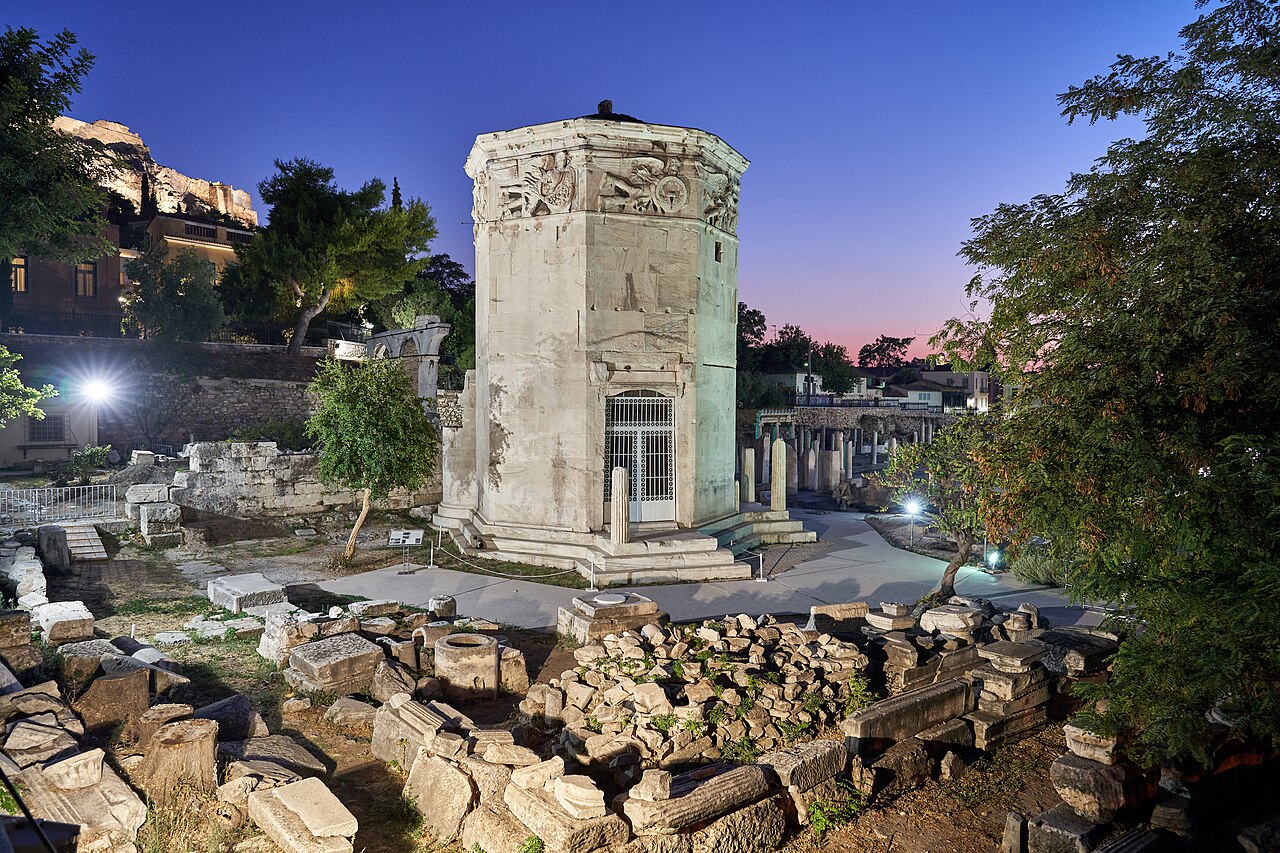
Tower of the Winds
- Must see · Heritage site
- Historic monument
Language · 11 published
Museum · Athens
Μουσείο Ιστορίας Πανεπιστημίου Αθηνών
| Monday | 09:30 – 14:30 |
|---|---|
| Tuesday | 09:30 – 14:30 |
| Wednesday | 09:30 – 14:30 |
| Thursday | 09:30 – 14:30 |
| Friday | 09:30 – 14:30 |
| Saturday | Closed |
| Sunday | Closed |
Parsed from OpenStreetMap opening hours on 2026-08-26.
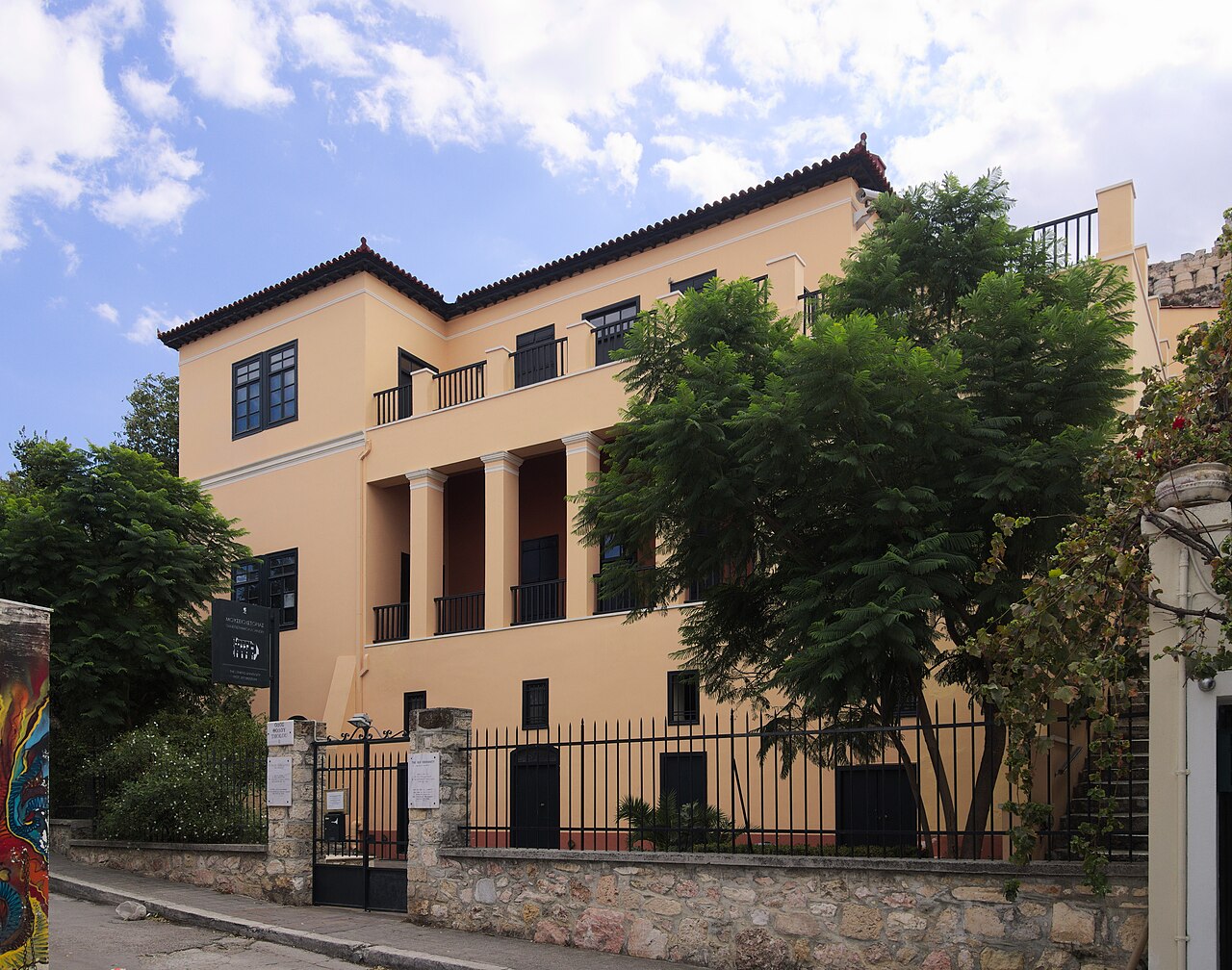
Athens University History Museum presents the story of the National and Kapodistrian University of Athens through the people, objects and records connected with its academic life. It occupies the Kleanthis and Schaubert House, an early neoclassical building in Plaka beneath the Acropolis. The visit therefore combines institutional history with the architecture of one of modern Athens’s formative historic houses. This is not an archaeological museum focused on ancient sculpture or excavation finds. Its subject is the growth of Greek higher education, the intellectual culture surrounding it and the material traces left by students, teachers, researchers and university communities over time. The setting makes the museum especially relevant to visitors exploring Plaka’s layered history.
Checked 2026-08-26 · Source
The displays bring together archival material, scientific instruments, rare books, manuscripts, portraits and memorabilia associated with the university’s development. These objects show how teaching and research were conducted in earlier periods, while documents and images connect academic work with the wider political and social history of Greece. Visitors should expect a collection-led experience built around reading, observation and historical connections rather than an entertainment-led museum format. The rooms of the Kleanthis and Schaubert House are part of the story: period architectural features give physical context to the institution’s early setting and complement the objects displayed inside. The museum’s strength lies in the relationship between documents, scholarly tools, personal representations and the historic building.
Checked 2026-08-26 · Source
Allow roughly 45 to 90 minutes for a considered visit. The shorter end suits travellers who want to see the principal rooms, understand the university’s historical arc and continue through Plaka. Stay longer if manuscripts, scientific instruments, portraits or academic history hold particular interest, because these subjects reward slower reading and comparison. The museum’s compact, specialised character makes it practical to pair with nearby walking stops, including other historic streets and landmarks beneath the Acropolis. Plan it as a concentrated cultural interlude rather than a full-day attraction. A measured pace leaves enough time to notice both the exhibits and the architectural details around them.
Checked 2026-08-26 · Source
The museum fits naturally into a morning or early-afternoon cultural walk through Plaka, when visitors can combine the indoor collections with the neighbourhood’s historic streets. Summer heat may make the approach uncomfortable, especially when the museum is paired with open-air landmarks, while busy tourist periods bring heavier pedestrian traffic through the surrounding lanes. Choose a time that allows unhurried reading rather than treating the museum as a rushed gap between larger attractions. Because the museum is housed in a historic university building and has a specialised subject, its atmosphere may feel quieter and more focused than Athens’s major archaeological institutions. The best timing supports both the displays and the walk around them.
Checked 2026-08-26 · Source
No operator or responsible public-body admission information is supplied for this guide, so no ticket price, free-entry statement, donation amount or concession should be assumed. Admission is therefore unrecorded, and figures from third-party listings should not be used to plan this visit. The museum’s university focus also means that arrangements at Athens’s large archaeological museums do not establish this museum’s policy. Treat access as distinct from the ticket systems of nearby attractions. A sensible itinerary leaves flexibility for the museum’s own admission arrangements without presenting an unsupported payment expectation or claiming that entry is free.
Checked 2026-08-26 · Source
The museum stands in Plaka, the historic quarter below the Acropolis, where the final approach is best understood as a walk through older streets rather than a direct vehicle drop-off. Acropolis Metro station on Line 2 is a practical rail reference point, followed by a short walk through winding lanes. The wider Syntagma and Monastiraki areas provide bus connections and onward pedestrian approaches. Expect uneven paving, cobblestones and inclines in the old city. Taxis or ride services may bring visitors near the quarter, but narrow lanes can leave a final walking section unavoidable. Comfortable shoes are useful, and the museum is easy to combine with a wider central-Athens walking route.
Checked 2026-08-26 · Source
The route through Plaka includes uneven surfaces, cobblestones and inclines, so visitors who find historic streets difficult should allow extra time and choose supportive footwear. Crowded passages around popular central-Athens sights require ordinary care with bags and phones. Summer walks can be hot, particularly when moving between the museum and open-air landmarks, so water and sun protection are useful. Inside, the archival and academic character rewards patience: this is a place for close attention to documents and objects, not a quick spectacle.
Checked 2026-08-26 · Source
No photography policy from the operator or a responsible public body is supplied in the research for this guide. Follow signs and staff instructions inside the museum, especially around archival material. If photography is allowed, the building’s neoclassical interiors and period features may provide distinctive subjects alongside the collection. Keep equipment unobtrusive and avoid flash unless it is explicitly permitted, protecting the historic fabric and preserving a considerate atmosphere for visitors studying the exhibits. Professional equipment or tripods should not be presumed acceptable.
Checked 2026-08-26 · Source
No. They are separate institutions with different purposes and locations. Athens University History Museum focuses on the history of the National and Kapodistrian University of Athens, while the National Archaeological Museum presents antiquities from across Greece.
Its focus is university history rather than archaeology. The collections centre on scientific instruments, archives, rare books, manuscripts and academic memorabilia, reflecting nineteenth- and twentieth-century intellectual culture instead of ancient material.
This guide therefore makes no claim about English provision. The museum’s subject can be approached through its objects and historic setting, but language support should not be presumed from the information recorded here.
Yes. The museum occupies the Kleanthis and Schaubert House, an early neoclassical building in Athens. The house predates the university’s establishment and is connected with the institution’s early historical setting, making the architecture part of the visit rather than a neutral container for the exhibits.
This guide makes no claim that tours operate.
Its academic and archival focus may be more engaging for older children and students who enjoy history, education or objects connected with scholarly life. Younger children looking for interactive displays may find the visit less immediately absorbing. The compact subject makes it easier to keep the stop short and purposeful.
Loading the interactive map…
The interactive map could not be loaded.
Last updated:
Source: OpenStreetMap contributors, Wikidata ·