
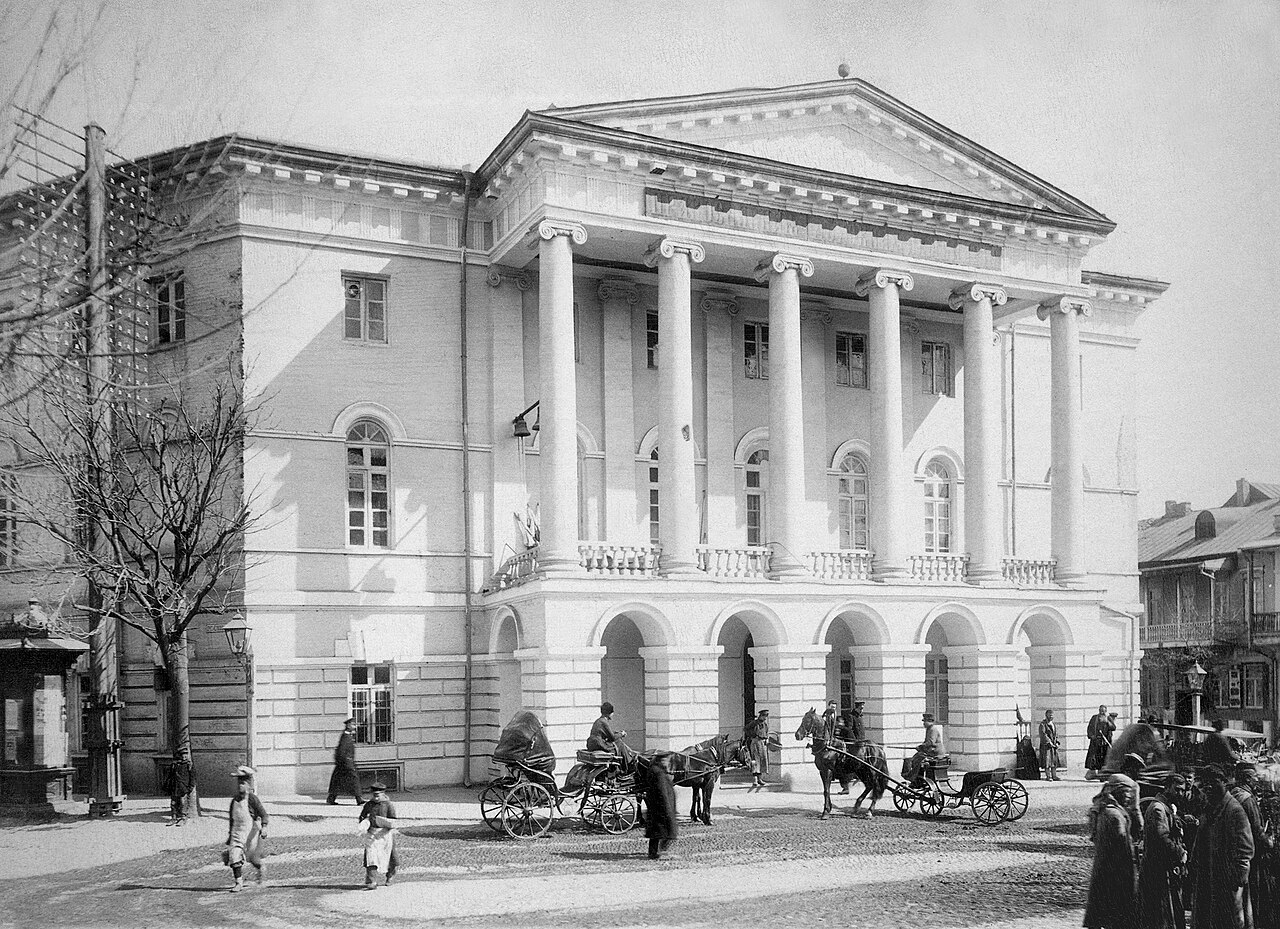
2 min walk
Art Museum of Georgia
- Must see
- Museum
Language · 11 published
Museum · Tbilisi
საბჭოთა ოკუპაციის მუზეუმი
Closed today, Monday. Next open Tuesday at 10:00 — the planner will not place a stop here on a Monday.
Plan around it
| Monday | Closed |
|---|---|
| Tuesday | 10:00 – 18:00 |
| Wednesday | 10:00 – 18:00 |
| Thursday | 10:00 – 18:00 |
| Friday | 10:00 – 18:00 |
| Saturday | 10:00 – 18:00 |
| Sunday | 10:00 – 18:00 |
Checked 2026-08-31 · Source
Read from the OpenStreetMap access tags; anything not listed has no tag recorded.
Set the group type to family in the planner and the day window contracts to about three quarters of a solo day.
The Museum of Soviet Occupation is a focused exhibition inside the Museum of Georgia in central Tbilisi. It examines Georgia's experience under Soviet rule, including political repression, resistance, and the restoration of independence. This is a serious historical stop rather than a general overview of the country. Its value comes from concentration: the exhibition gives one period and its human consequences sustained attention. Visitors interested in twentieth-century Georgia, national sovereignty, or memorial museums can use it to understand a difficult chapter before exploring the wider collections and streets of the capital. The Museum of Soviet Occupation is a focused exhibition housed within the Museum of Georgia in Tbilisi. No, it is a focused exhibition housed inside the Museum of Georgia in Tbilisi.
Checked 2026-08-26 · Source
The exhibition presents documentary material about Soviet rule, repression, resistance, and the return of Georgian independence. The narrative is centred on political control and the struggle for sovereignty, giving the visit an educational and commemorative character. Expect material that requires attention rather than a fast visual sweep. The exhibition belongs to the larger Museum of Georgia, so visitors can place this focused account beside broader Georgian history collections in the same museum complex. Read the displays in sequence where possible, then allow a moment to reflect before moving on to another gallery or city activity.
Checked 2026-08-26 · Source
Allow approximately forty-five to ninety minutes for the Museum of Soviet Occupation alone. The shorter end suits visitors who want the main historical outline, while the longer end gives time to read documentary material and consider the exhibition's memorial dimension. It is compact enough to fit into a central Tbilisi day, but its subject rewards a deliberate pace. If you also visit other Museum of Georgia galleries, treat the entire museum complex as a separate extended stop rather than trying to absorb every section quickly.
Checked 2026-08-26 · Source
Because the exhibition is indoors, it works in hot summer weather, cold winter conditions, or a rainy interval between outdoor walks. A quieter morning can suit the text-heavy and contemplative subject, while an afternoon visit fits naturally into a Rustaveli Avenue itinerary. Give yourself enough mental space for difficult material rather than placing it immediately before a rushed appointment. The exhibition's location inside the Museum of Georgia also makes it easy to combine with other cultural visits in central Tbilisi when your day has room for a longer museum sequence.
Checked 2026-08-26 · Source
Plan it as a museum visit within the larger institution and keep a practical payment option with you. The exhibition's importance is thematic rather than dependent on a special event: it provides a concentrated account of Soviet rule, repression, resistance, and restored independence. Leave enough time for the material itself, because a very short stop would reduce a complex historical experience to a quick label reading.
Checked 2026-08-26 · Source
The exhibition is inside the Museum of Georgia on Rustaveli Avenue, one of central Tbilisi's main corridors. Rustaveli metro station provides a nearby underground connection, and buses, minibuses, taxis, and ride-hailing services serve the surrounding centre. Visitors staying centrally can often reach the museum on foot while exploring the avenue and adjacent neighbourhoods. Identify the Museum of Georgia as the destination, then follow internal signs to the Soviet Occupation exhibition. Pairing the visit with other Rustaveli cultural sites creates a coherent central-city route.
Checked 2026-08-26 · Source
The exhibition deals with repression, violence, political control, and human suffering. Some visitors may find the subject emotionally difficult, particularly when documentary evidence makes individual experiences vivid. Move slowly and take a pause if the material becomes overwhelming. Pay attention to museum wayfinding because this is one focused section within a larger institution. Keep voices low and respect the commemorative character of the display. If travelling with children, explain the subject beforehand and decide whether the level of historical detail suits them. A thoughtful visit matters more than covering the exhibition quickly.
Checked 2026-08-26 · Source
Treat photography as secondary to the exhibition's memorial purpose. Follow signs and staff directions for each display, keep movement clear for other visitors, and avoid using the camera as a substitute for reading. If images are permitted, documentary panels and objects should be photographed with care and without disturbing the atmosphere of the gallery. Exterior photographs of the Museum of Georgia and Rustaveli Avenue can provide useful context for the visit. A quiet, respectful approach is especially appropriate here because the exhibition addresses repression, resistance, and the loss and recovery of independence.
Checked 2026-08-26 · Source
No. It is a focused exhibition housed inside the Museum of Georgia in central Tbilisi.
It covers Georgia under Soviet rule, including repression, resistance, and the restoration of independence.
Allow approximately forty-five to ninety minutes, depending on how closely you read the documentary material.
It addresses repression, violence, and human suffering, so families should consider whether the serious subject matter suits their children.
It is inside the Museum of Georgia on Rustaveli Avenue in central Tbilisi.
It concentrates on one difficult period and follows Soviet rule, repression, resistance, and restored Georgian independence in depth.
Loading the interactive map…
The interactive map could not be loaded.

Last updated:
Source: OpenStreetMap contributors, Wikidata ·