
2 min walk
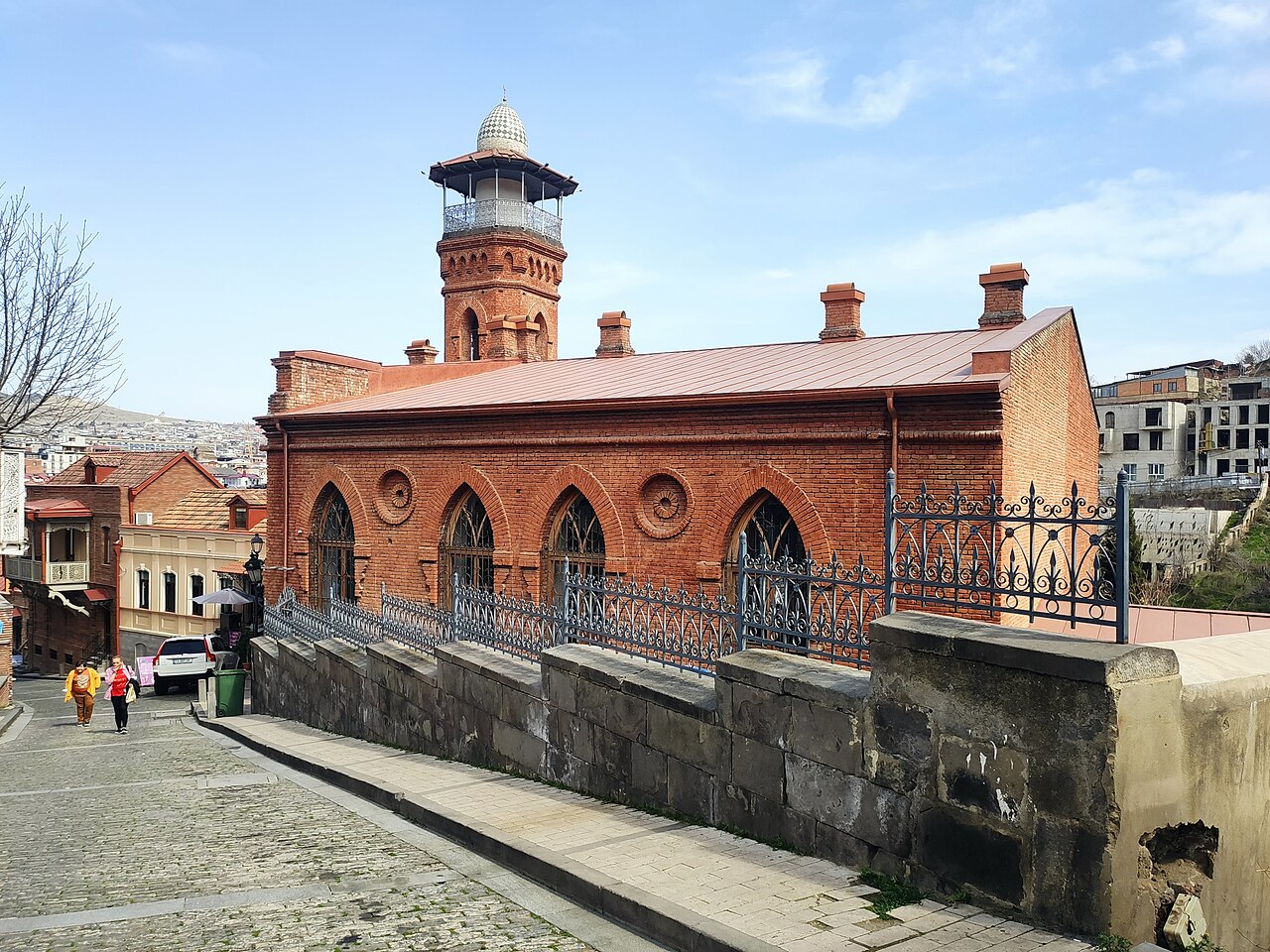
Juma Mosque
- Must see · Heritage site
- Historic monument
Language · 11 published
Historic monument · Tbilisi
აბანოთუბანი
| Monday | 08:00 – 23:00 |
|---|---|
| Tuesday | 08:00 – 23:00 |
| Wednesday | 08:00 – 23:00 |
| Thursday | 08:00 – 23:00 |
| Friday | 08:00 – 23:00 |
| Saturday | 08:00 – 23:00 |
| Sunday | 08:00 – 23:00 |
Checked 2026-08-31 · Source
Read from the OpenStreetMap access tags; anything not listed has no tag recorded.
Set the group type to family in the planner and the day window contracts to about three quarters of a solo day.
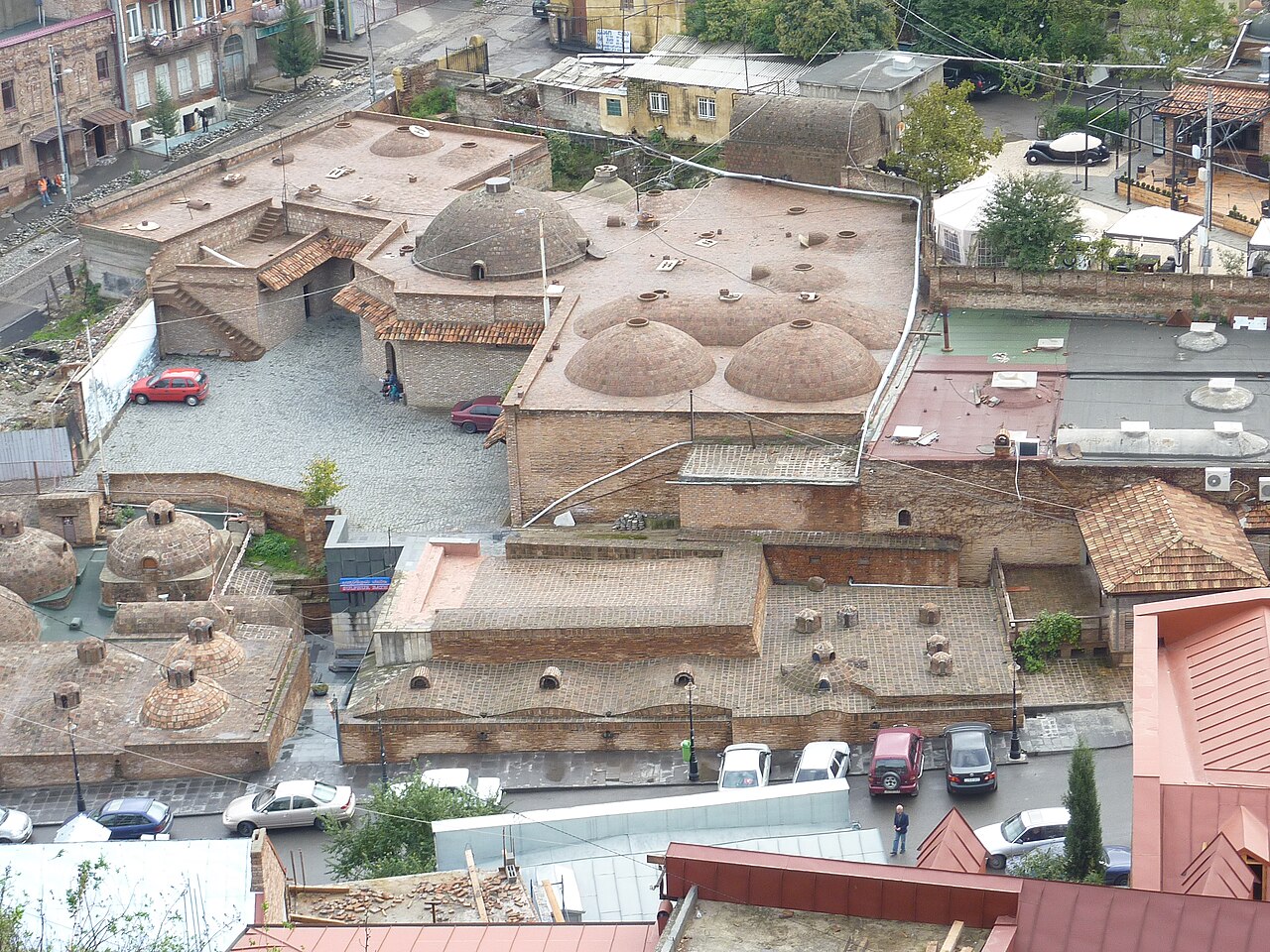
Abanotubani is the historic sulfur-bath district in Old Tbilisi, Georgia. Its distinctive brick domes rise from the banks of the Mtkvari River, marking the natural hot springs that have defined this location for centuries. The area's name and Tbilisi's own etymology derive from the warm waters. The quarter contains multiple individual bathhouses operating independently rather than as a unified complex. The architecture reflects Persian and Central Asian influences alongside Georgian traditions. Visitors encounter a working neighborhood where bathing remains an active cultural practice rather than purely heritage display.
Checked 2026-08-26
Individual bathhouses contain private rooms with sulfur pools, central pools, and scrubbing areas. Each facility maintains its own character and standards. Some retain historic decorative tilework and vaulted ceilings; others have undergone renovation. The sulfur water emerges naturally at temperatures requiring mixing with cooler water. Massage and kisa scrub services are typically available. Facilities vary in amenities, cleanliness, and preservation of historical features. Visitors should inspect premises before committing. The district includes narrow streets, small shops, and cafes surrounding the bathhouses. No centralized visitor center or unified ticketing system exists across the quarter.
Checked 2026-08-26
A typical bath visit spans one to three hours depending on services selected. Basic pool soaking requires less time than adding scrub and massage treatments. Visitors exploring the quarter's architecture and atmosphere should allocate additional time for walking the lanes and observing the domed structures from various angles. Photography and casual inspection of the district exterior requires thirty minutes to one hour. Those intending multiple bathhouse comparisons or extended relaxation should plan a half-day. Evening visits may limit photography opportunities while offering different atmospheric conditions.
Checked 2026-08-26
Individual bathhouses maintain independent schedules. Early morning and midday typically see fewer visitors than late afternoon and evening. Summer brings higher ambient temperatures that may affect comfort in naturally heated spaces. Winter offers atmospheric contrast between cold exterior and warm interiors. Weekends and holidays likely experience increased local patronage. Visitors should verify current operating status directly with specific bathhouses before travel, as individual establishments may close for maintenance or private events without centralized notification. Seasonal tourism fluctuations affect crowding. Check the operator's own site for the travel date before relying on a schedule or fare.
Checked 2026-08-26
Each bathhouse sets independent rates based on facility type, room privacy level, duration, and services included. Basic communal bathing costs less than private room rental. Additional services such as scrubbing and massage incur separate charges. Payment methods vary by establishment; cash remains advisable. No district-wide pass or combined ticket exists. Visitors should confirm all costs before service commencement to avoid disputes. Tipping practices for attendants vary by facility and service quality. Budget-conscious travelers should inquire at multiple bathhouses for comparison. Check the operator's own site for the travel date before relying on a schedule or fare.
Checked 2026-08-26
Abanotubani occupies the Old Tbilisi area below the Narikala Fortress escarpment. The district is walkable from central Tbilisi accommodations for most visitors. Public marshrutka minibuses and buses serve surrounding areas with stops requiring walking descent. The nearest metro station is Avlabari, approximately fifteen minutes walk. Taxis and ride services can approach nearby though final access requires navigating narrow streets. Signage in Georgian and English assists orientation. The riverside location provides a natural landmark. Steep lanes and uneven surfaces present mobility challenges. Visitors should wear appropriate footwear for cobblestones and potential wet conditions.
Checked 2026-08-26
Sulfur odor permeates the district and may discomfort sensitive visitors. Humidity and wet surfaces create slip hazards. Water temperatures vary; visitors should test before full immersion. Some historic facilities lack modern accessibility features. Hygiene standards differ between establishments; visual inspection is prudent. Attendants may employ vigorous scrubbing techniques that surprise unprepared visitors. Communication barriers exist with non-English-speaking staff. Private room locks and security for valuables require verification. The surrounding neighborhood includes uneven terrain and limited lighting after dark. Visitors with respiratory conditions, cardiovascular concerns, or pregnancy should consult medical advice regarding sulfur exposure and heat.
Checked 2026-08-26
The domed rooftops offer the district's most distinctive photographic subject, best captured from elevated viewpoints including Narikala Fortress and surrounding hillsides. Early morning and late afternoon provide favorable directional light on the brickwork. Interior photography requires permission from individual bathhouse operators and may be restricted or prohibited to protect patron privacy. The sulfur steam creates atmospheric conditions that challenge camera equipment with moisture. Street-level lanes yield textured compositions of architectural detail. Tripod use in narrow passages may obstruct pedestrian traffic. Respect for bathers' privacy is essential; telephoto intrusion into private areas is inappropriate.
Checked 2026-08-26
No. Each bathhouse operates independently with separate pricing and no unified access system exists.
Individual bathhouse policies vary. High temperatures and sulfur exposure require caution; direct inquiry with specific facilities is necessary.
English proficiency varies widely. Basic communication is often possible; translation applications may assist.
Provision varies by facility. Some include basic supplies; others do not. Bringing personal items ensures preparedness.
Walk-in availability depends on season and time. Popular or private rooms may benefit from advance arrangement directly with bathhouses.
Natural sulfur compounds are generally tolerated by healthy visitors. Those with respiratory sensitivities should exercise caution and seek medical guidance if concerned.
Loading the interactive map…
The interactive map could not be loaded.

Last updated:
Source: OpenStreetMap contributors, Wikidata ·