


.jpg)
.jpg)

2 min walk
Leghvtakhevi Waterfall
- Must see
- Nature site
Language · 11 published
Historic monument · Tbilisi
ნარიყალა

| Monday | 00:00 – 23:59 |
|---|---|
| Tuesday | 00:00 – 23:59 |
| Wednesday | 00:00 – 23:59 |
| Thursday | 00:00 – 23:59 |
| Friday | 00:00 – 23:59 |
| Saturday | 00:00 – 23:59 |
| Sunday | 00:00 – 23:59 |
Checked 2026-08-31 · Source
Read from the OpenStreetMap access tags; anything not listed has no tag recorded.
Set the group type to family in the planner and the day window contracts to about three quarters of a solo day.
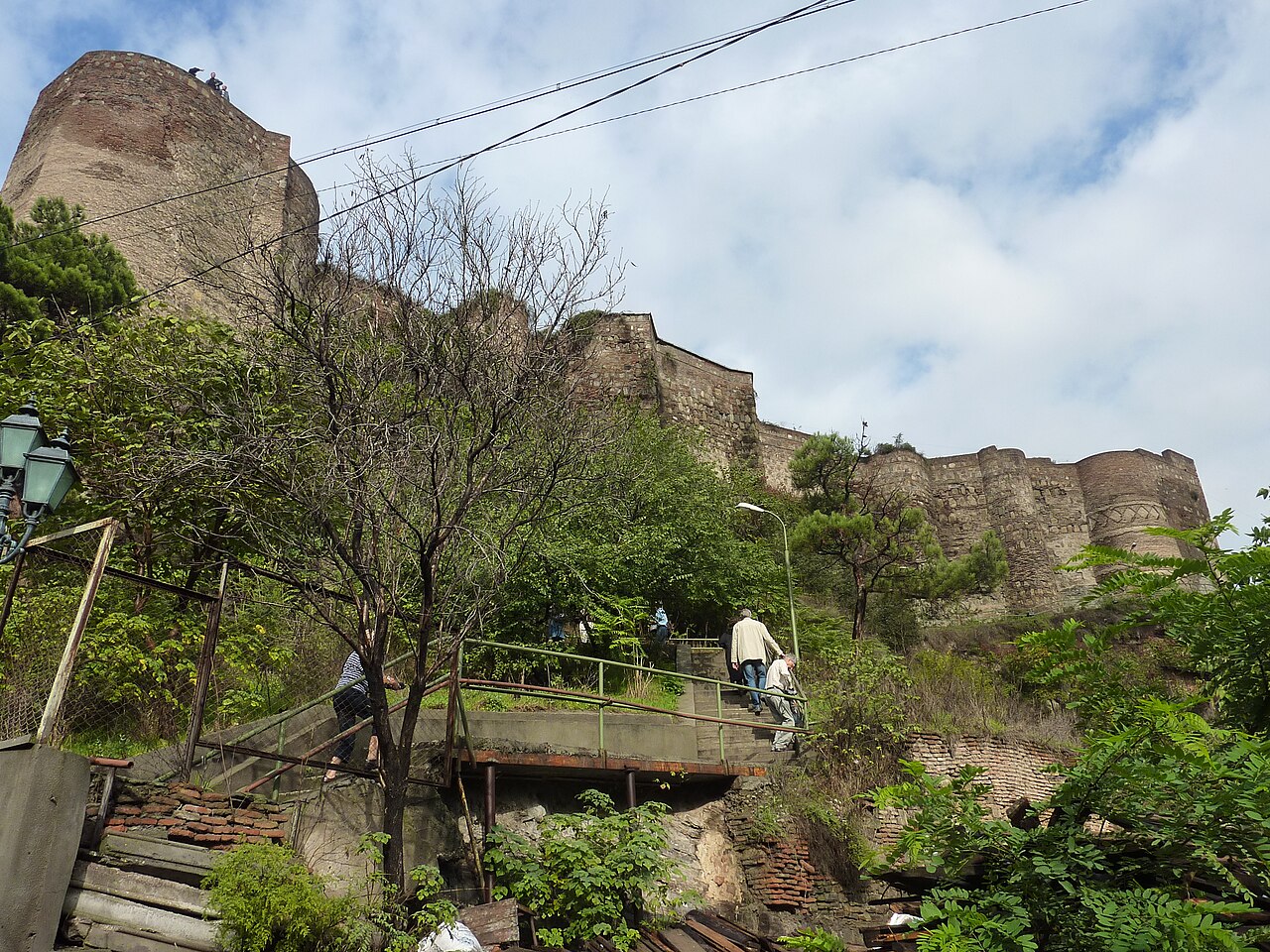
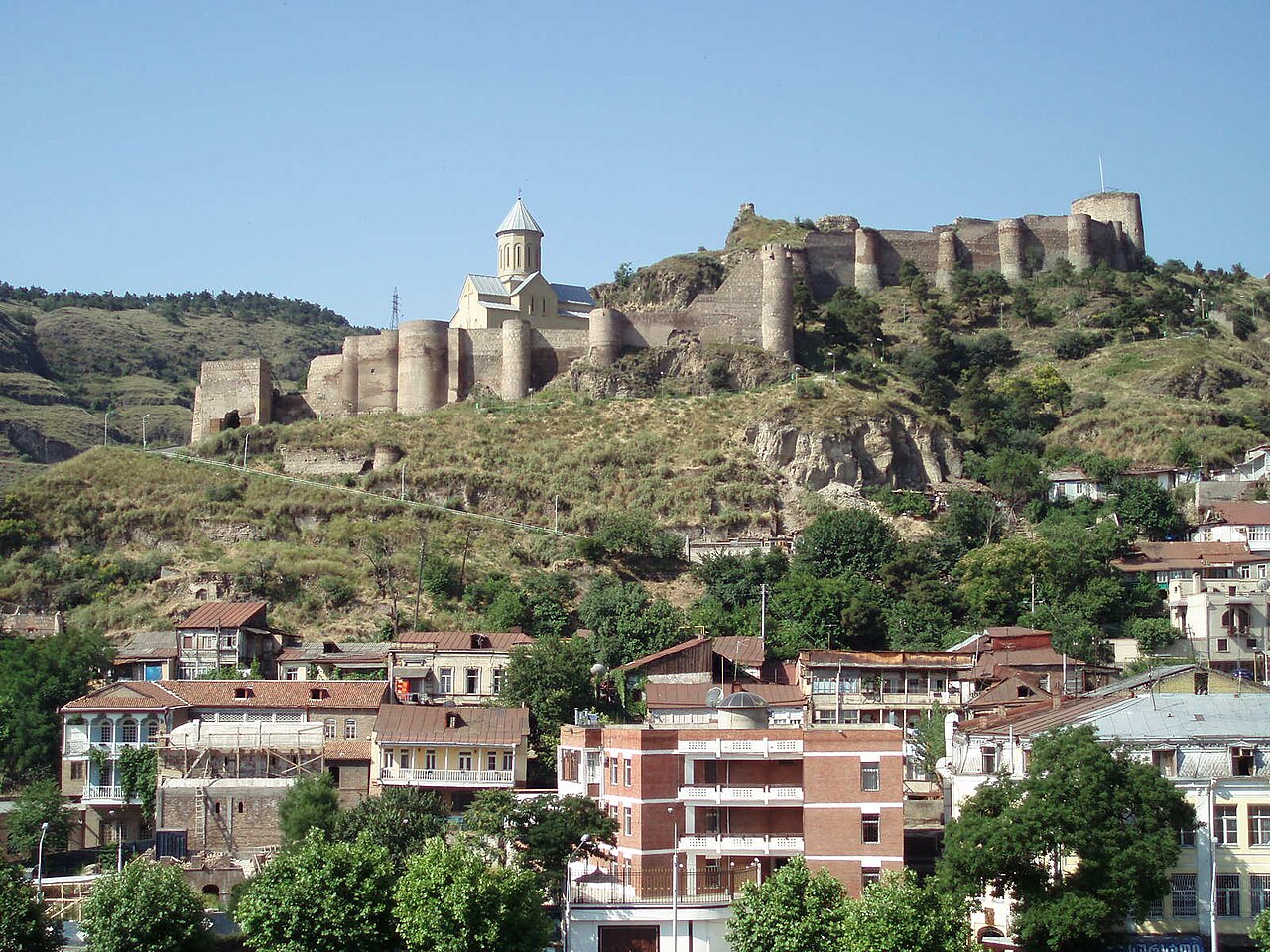
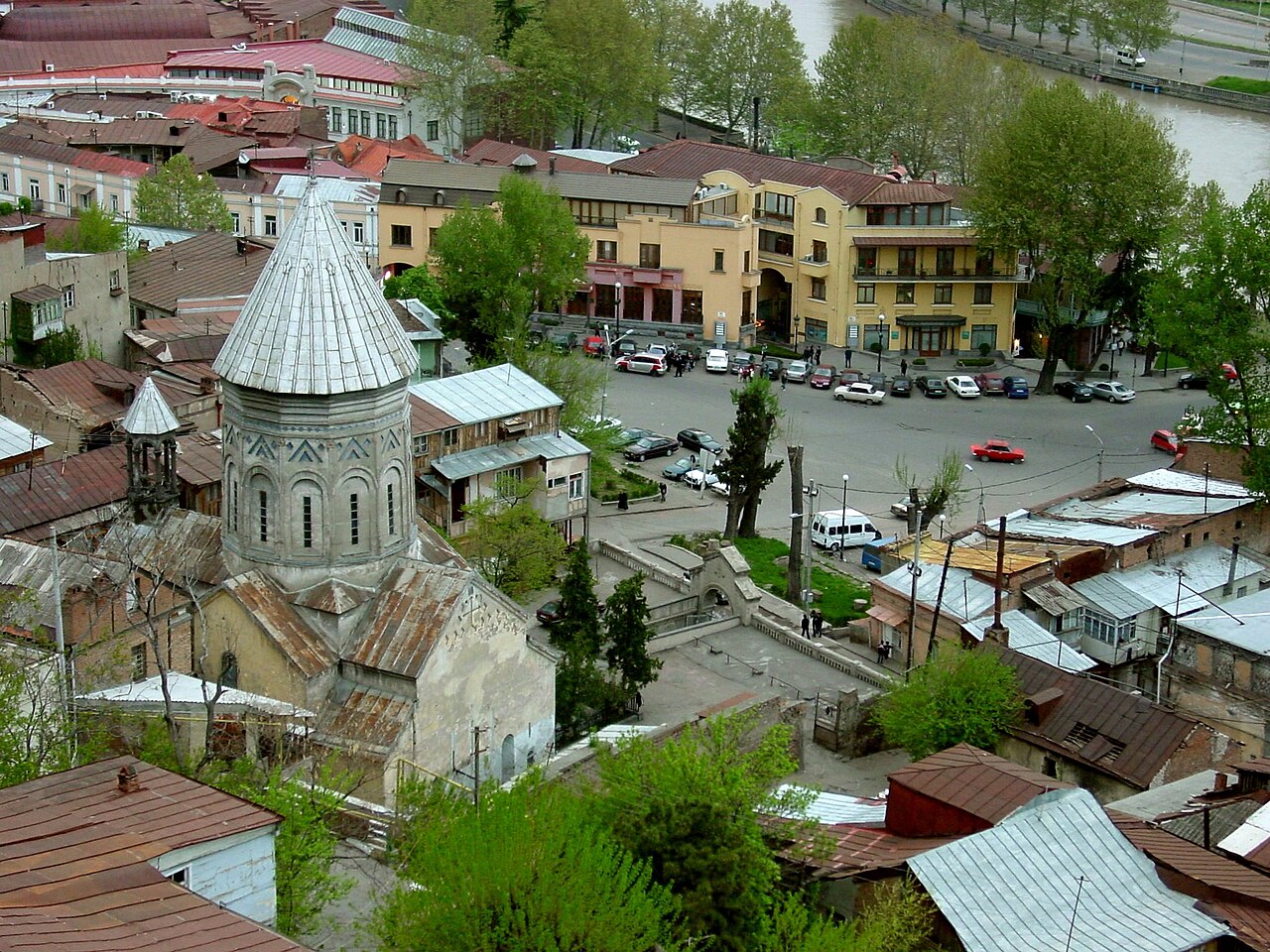
Narikala Fortress is an ancient citadel overlooking Tbilisi's old town from a steep ridge. Its origins trace to Persian and Arab periods, with substantial later Georgian and Russian modifications. The surviving walls and towers crown Sololaki Ridge, creating the city's most recognisable silhouette. The fortress has endured destruction and rebuilding across centuries, including significant nineteenth-century damage. Today its weathered stone ramparts remain Tbilisi's defining historic landmark and panoramic anchor, visible from throughout the capital and commanding views across the Mtkvari River valley.
Checked 2026-08-26
The fortress complex contains substantial curtain walls, towers, and the restored Saint Nicholas Church, rebuilt in the 1990s within the lower enclosure. The church interior features frescoes depicting Biblical and Georgian historical scenes. Much of the original fortress fabric survives as ruins without reconstructed interiors. Visitors walk along exposed wall sections and explore uneven terrain between towers. The upper reaches contain limited structural remains. There are no museums, exhibitions, or furnished chambers within the fortress. The primary contents are the architectural fabric itself and the church, with interpretation minimal or absent across the site.
Checked 2026-08-26

Most visitors spend between forty-five minutes and ninety minutes at Narikala, depending on walking pace and photography stops. The circuit of accessible walls and towers requires modest physical effort due to uneven stone surfaces and inclines. Those who combine the fortress with the adjacent National Botanical Garden or extended ridge walks should allow additional time. Sunset viewing extends typical visits. The site rewards brief reconnaissance equally thorough exploration, with no formal route or mandatory sequence. Visitors with mobility limitations may require longer for careful navigation of the rough ground.
Checked 2026-08-26

The fortress has traditionally been accessible during daylight hours without controlled entry gates, though this may have changed. Seasonal variations in daylight affect practical visiting windows, with summer evenings offering extended twilight panoramas. Winter fog can obscure the views that constitute much of the site's appeal. Morning light illuminates the old town below for photography. Religious services occur at Saint Nicholas Church on unspecified schedules. Visitors should verify current access arrangements before travel, as management practices may have evolved without documentation in available sources. Check the operator's own site for the travel date before relying on a schedule or fare.
Checked 2026-08-26
Historical access to the fortress exterior has been without charge, though this status may have changed. The cable car connecting the ridge to Rike Park operates as a separate commercial service with its own fare structure. Any donations for church maintenance are voluntary. Visitors should carry local currency for incidental expenses. The absence of formal ticketing infrastructure in available sources suggests continued open access, but this cannot be confirmed. Budget-conscious travellers should prepare for either free entry or possible unadvertised charges introduced since last reliable reporting. Check the operator's own site for the travel date before relying on a schedule or fare.
Checked 2026-08-26

The fortress crowns the ridge above Tbilisi's old town, accessible by multiple routes. The most direct approach ascends steeply from Meidan Square through the old town's winding lanes. The aerial cable car from Rike Park provides mechanised ascent with valley views. Taxis can approach nearer points on the ridge road. Walking from Avlabari metro station involves sustained uphill effort. The botanical garden entrance offers another approach from below. All routes require final ascent on foot through uneven terrain. Signage in the old town directs upward, though narrow streets confuse orientation. Evening descent requires caution due to irregular surfaces and limited lighting.
Checked 2026-08-26
The fortress presents genuine physical hazards requiring visitor vigilance. Unprotected drops occur at wall edges without consistent barriers. Stone surfaces become slippery when wet or icy. Uneven ground and steps demand sturdy footwear. No staff presence or rescue services are evident. The church maintains active religious function; appropriate dress and behaviour are expected during services. Limited shade and water availability create exposure risks in summer heat. Mobile telephone coverage may be unreliable in sections. Solo visitors should inform others of their plans. The absence of formal safety infrastructure places responsibility entirely upon individual judgement and caution.
Checked 2026-08-26
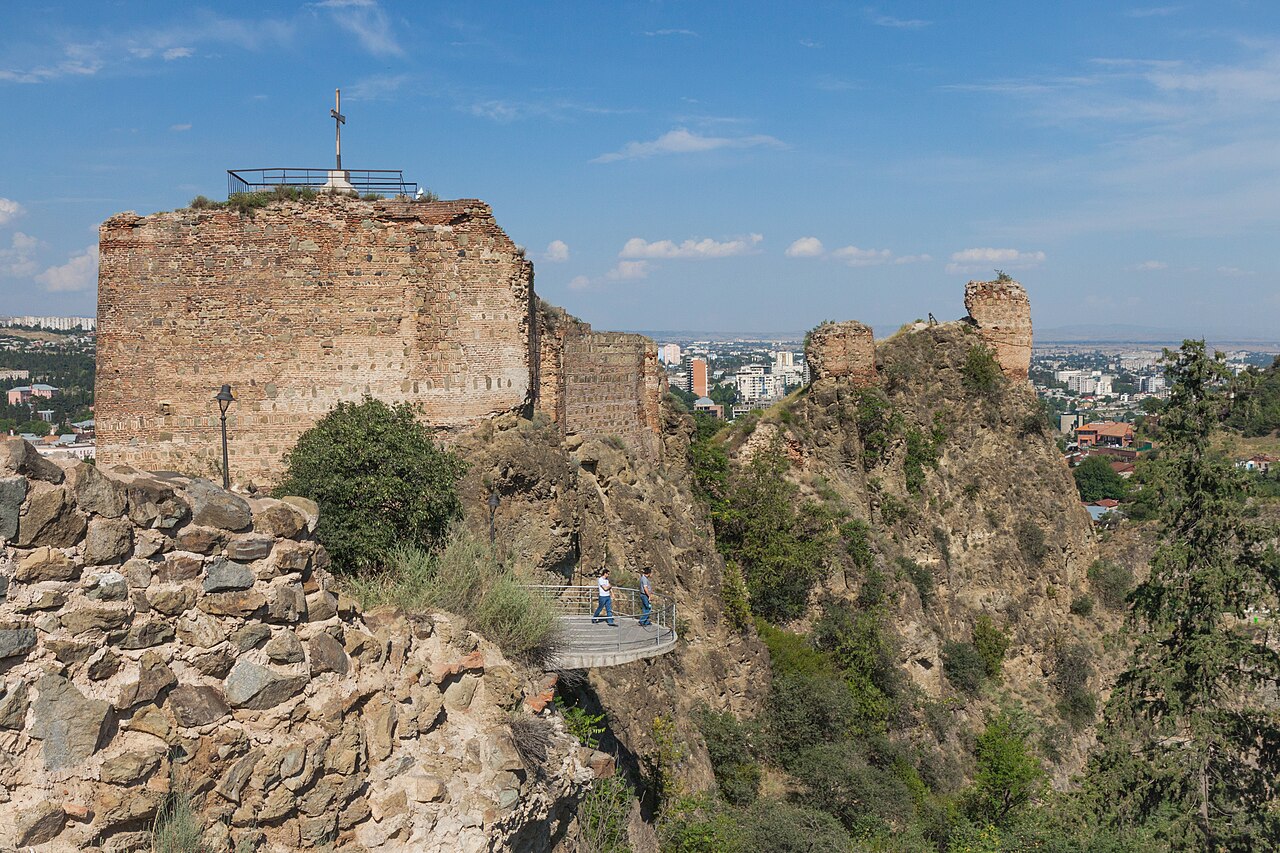
Narikala offers Tbilisi's most commanding photographic vantage, with the old town's domes and balconies spreading below against mountain backdrop. The fortress walls themselves provide textured foreground subjects. Golden hour illuminates the city eastward; sunset backlights the ridge silhouette. Saint Nicholas Church permits interior photography with discretion during services. Wide-angle lenses accommodate tight spaces within towers. Tripod use may attract attention without clear policy. The cable car descent yields moving perspectives. Night photography of city lights requires stable support and care on uneven ground. Weather significantly affects clarity; haze common in summer reduces distant visibility.
Checked 2026-08-26
Historical practice suggests daylight access without formal closure, but current arrangements should be verified locally.
The site has historically been accessible without charge, though this status may have changed. Check the operator's own site for the travel date before relying on a schedule or fare.
The cable car from Rike Park operates as commercial transport. Metro serves nearby stations with substantial walking required. No direct bus service to the fortress itself is documented.
The site presents significant challenges due to steep approaches, uneven stone surfaces, and absence of accessibility infrastructure. Cautious judgement is advised regarding individual capability.
No formal guided tour service within the fortress is documented in available sources. Visitors explore independently. Local guides may operate in the surrounding old town area.
Sturdy footwear with grip is essential for uneven and potentially slippery stone. Modest dress is appropriate for the active church. Weather-appropriate layers accommodate exposed ridge conditions.
Loading the interactive map…
The interactive map could not be loaded.
Last updated:
Source: OpenStreetMap contributors, Wikidata ·