
12 min walk
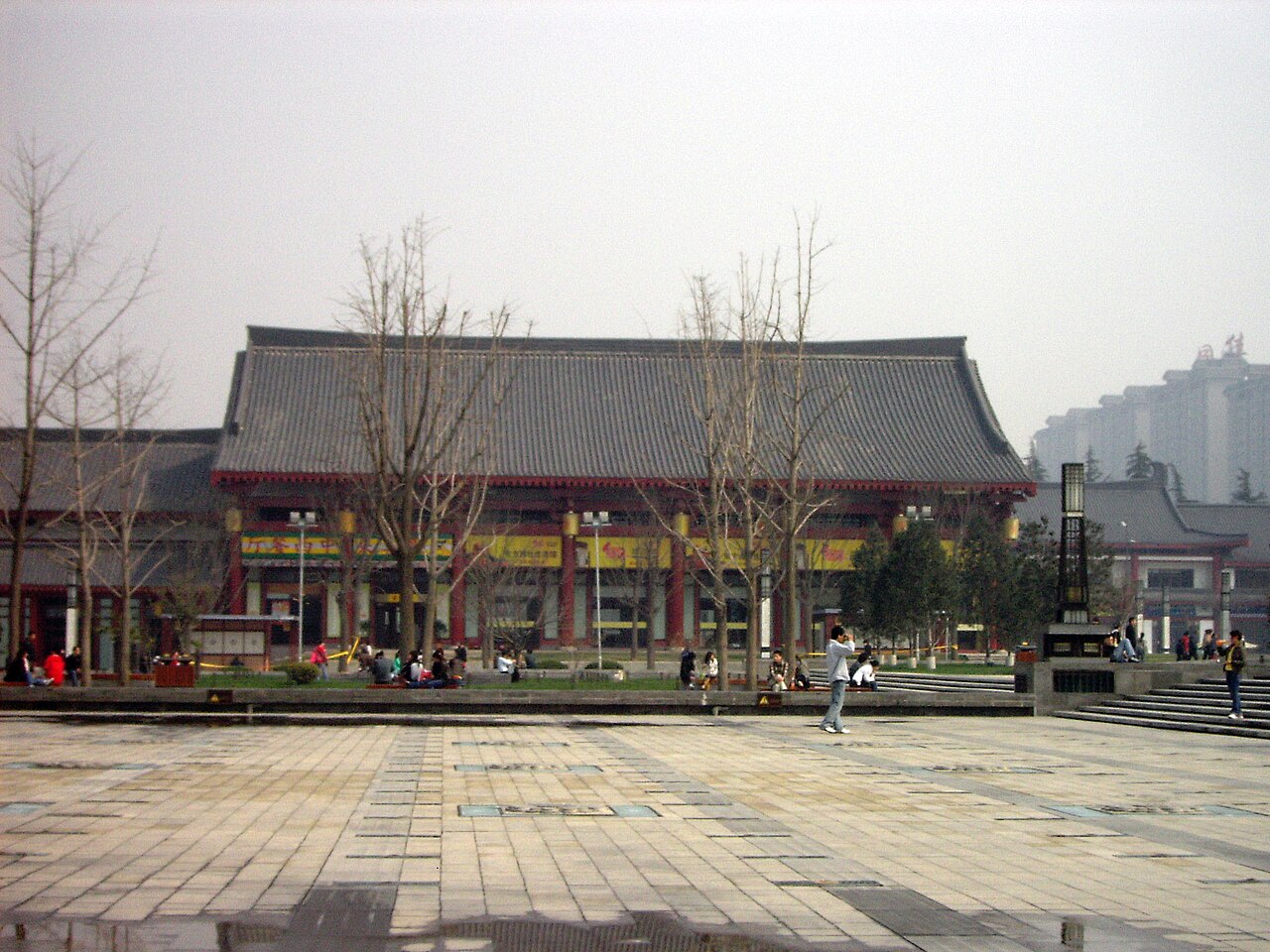
Dayan Pagoda North Plaza
- Must see
- Nature site
Language · 11 published
Museum · Xi'an
陕西历史博物馆
| Monday | 08:30 – 19:00 |
|---|---|
| Tuesday | 08:30 – 19:00 |
| Wednesday | 08:30 – 19:00 |
| Thursday | 08:30 – 19:00 |
| Friday | 08:30 – 19:00 |
| Saturday | 08:30 – 19:00 |
| Sunday | 08:30 – 19:00 |
Checked 2026-08-31 · Source
Read from the OpenStreetMap access tags; anything not listed has no tag recorded.
Set the group type to family in the planner and the day window contracts to about three quarters of a solo day.
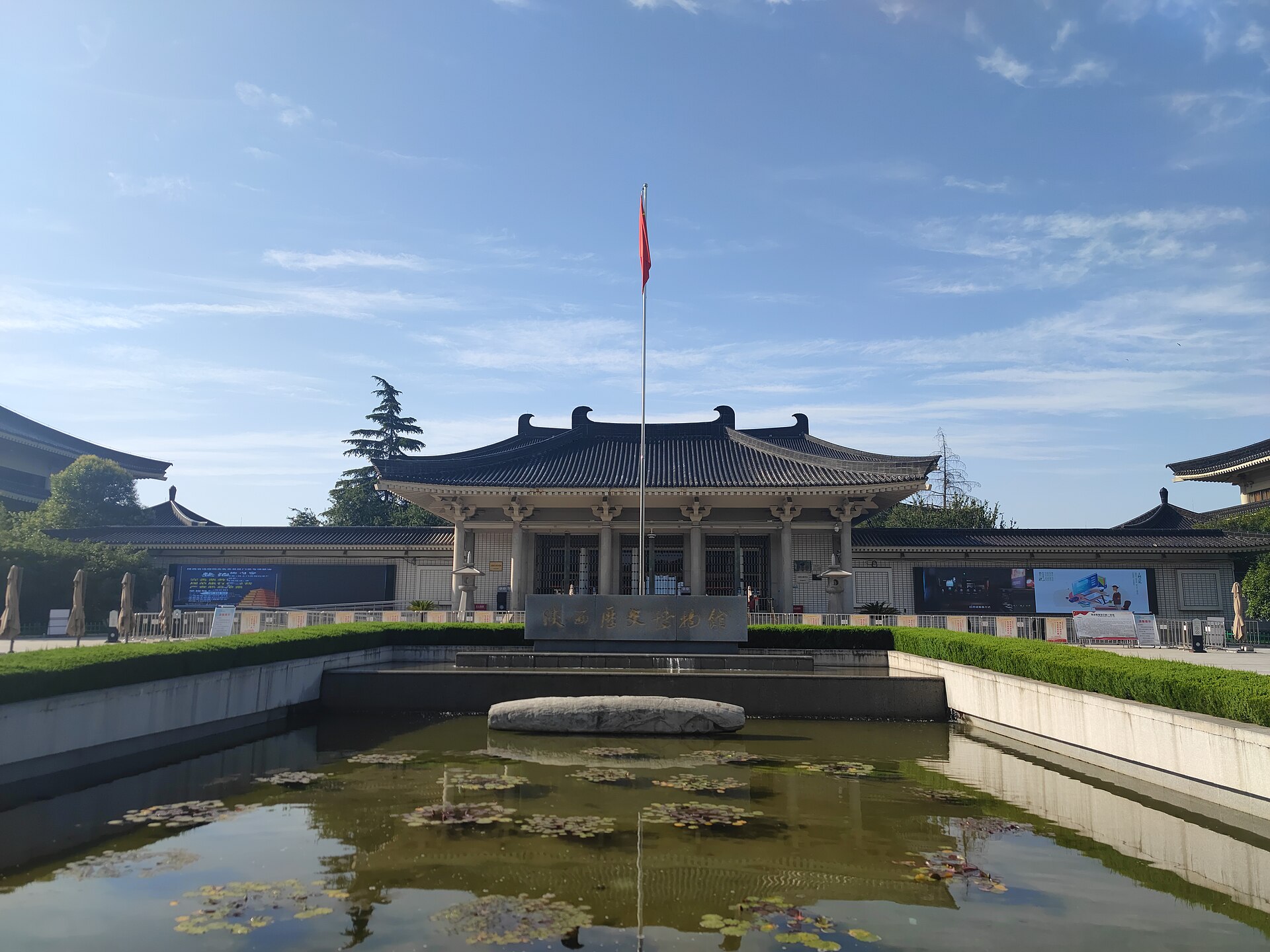
Shaanxi History Museum is a major museum in Xi'an, a city shaped by the history of successive Chinese capitals. Its collections span prehistoric communities, the Zhou, Qin, Han, and Tang dynasties, and archaeological discoveries from Shaanxi. The museum is especially valuable for travelers who want historical context for Xi'an's role in imperial politics, art, technology, religion, and Silk Road exchange. Shaanxi History Museum is a major state-run museum in Xi'an, capital of Shaanxi Province. It occupies a prominent position among Chinese provincial museums due to the region's exceptional historical significance as the heartland of multiple dynasties. The building complex reflects traditional Tang dynasty architectural influences. The institution houses substantial collections spanning prehistoric periods through imperial eras, with particular strength in artifacts from the Zhou, Qin, Han, and Tang dynasties when Shaanxi served as political and cultural center. Its holdings represent archaeological finds from the surrounding region. Visitors should verify through official channels before visiting.
Checked 2026-08-26 · Source
The galleries bring together bronze ware, pottery, terracotta figures, gold and silver objects, murals, and calligraphy. Tang dynasty tri-colored glazed ceramics are among the collection types associated with the museum, while other objects illuminate aristocratic life, religious practice, craftsmanship, and long-distance cultural exchange. Move through the displays chronologically to see how materials and artistic conventions change across the region's successive historical periods. The museum's collections encompass bronze ware, pottery, terracotta figures, gold and silver objects, murals, and calligraphy. Notable categories include Tang dynasty tri-colored glazed ceramics and items reflecting the Silk Road's cultural exchanges. The institution displays artifacts illustrating technological developments, religious practices, and aristocratic life across successive periods. Exhibition halls organize materials chronologically. The breadth reflects Xi'an's role as ancient capital for over three millennia. Visitors should consult the museum directly for present exhibition information.
Checked 2026-08-26 · Source
Set aside two to three hours for a substantial museum visit. That gives time to move through the historical sequence, pause at major objects, and absorb the range of collections without turning every gallery into a rushed passage. Travelers with a focused interest in Chinese archaeology may want longer, while a highlights visit can be shorter. Crowds can also slow movement between displays. Most visitors allocate approximately two to three hours for a comprehensive visit, though individual pacing varies considerably based on interest depth. The museum's extensive holdings reward extended examination for enthusiasts of Chinese archaeology and history.
Checked 2026-08-26 · Source
Spring and autumn are comfortable seasons for combining the museum with outdoor sightseeing in Xi'an. Summer brings heat and strong domestic tourism, while winter is colder but can offer a quieter city atmosphere. Morning arrival is useful when you want more measured gallery time. National holiday periods can be especially busy, so place the museum early in a day that also includes other historic sites.
Checked 2026-08-26 · Source
The museum has historically operated with free admission linked to reservation, making entry planning an important part of the visit. The collection galleries and any special displays belong to the same museum experience, but their arrangements can differ. Keep identification and reservation details together when traveling to the museum, and allow time for the entrance process before beginning the chronological route through the collections.
Checked 2026-08-26 · Source
The museum is in southern Xi'an and forms part of the city's urban sightseeing network. Travelers can reach the area through public transport, taxi, or ride-hailing, with a final walk through the city streets. It is a practical cultural stop when paired with other central Xi'an visits, although the distance from the old city area makes a direct ride more comfortable than treating it as a casual walk.
Checked 2026-08-26 · Source
Expect substantial walking and standing across the galleries, especially during busy periods. Keep personal belongings close in crowded rooms and follow the signs governing each exhibition. Some interpretation may be easier for Chinese readers than for international visitors, so spend time with the objects themselves as well as the labels. Indoor temperatures can differ from the outdoor climate; light layers and comfortable shoes improve the visit.
Checked 2026-08-26 · Source
Treat photography as secondary to careful viewing. Museum galleries may limit flash, tripods, video, or images of individual objects, so follow every posted instruction and staff direction. Avoid blocking display cases or creating congestion around important artifacts. Bronze objects, pottery, murals, and Tang tri-colored ceramics reward close visual attention; when photography is permitted, use it to remember details rather than replace the experience of seeing the collection directly.
Checked 2026-08-26 · Source
Its collections range from prehistoric periods through the Zhou, Qin, Han, and Tang dynasties and later regional history.
The museum includes bronze ware, pottery, terracotta figures, gold and silver objects, murals, calligraphy, and Tang tri-colored glazed ceramics.
A substantial visit generally fits into two to three hours, with longer visits useful for travelers focused on Chinese archaeology and history.
It presents archaeological and artistic material from Shaanxi, a region that served as the center of several important Chinese dynasties.
Yes. The visit takes place through indoor exhibition galleries, making it a useful cultural activity during hot, cold, or wet weather.
The museum has historically offered free admission connected with reservation, so entry planning forms part of the visit.
Loading the interactive map…
The interactive map could not be loaded.
Last updated:
Source: OpenStreetMap contributors, Wikidata ·