


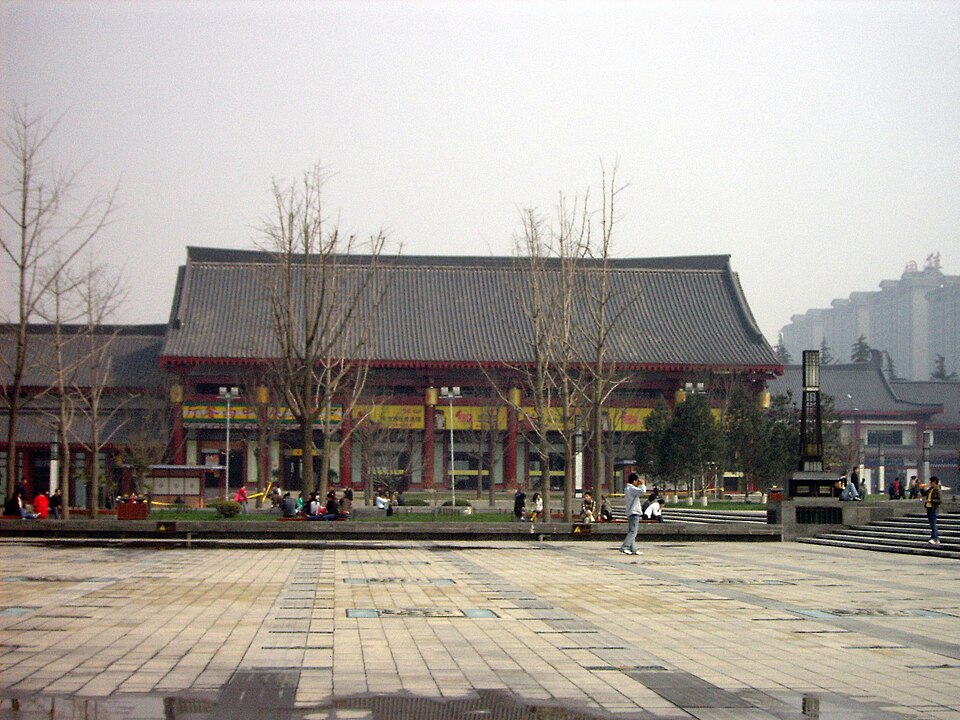
5 min walk
大雁塔北广场
- Must see
- Nature site
Language · 11 published
Place of worship · Xi'an
大慈恩寺
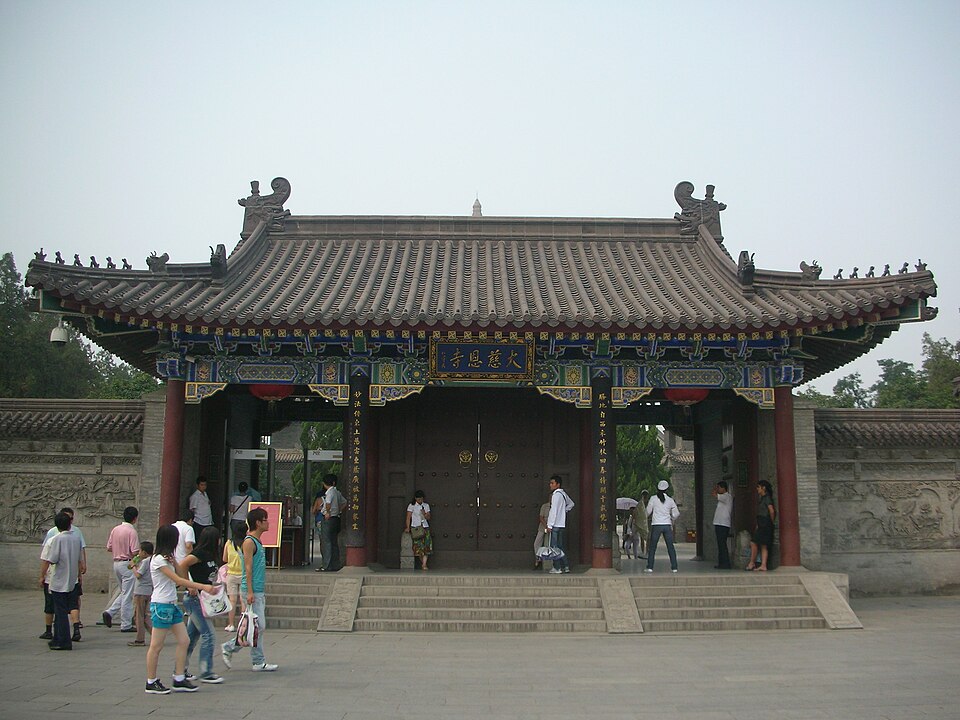
Da Ci'en Temple is a Buddhist temple complex in Xi'an, Shaanxi Province, China. The site is historically significant as the place where the monk Xuanzang translated Buddhist scriptures upon his return from India during the Tang Dynasty. The temple is most famous for the Giant Wild Goose Pagoda, which stands within its grounds. The pagoda was built in 652 CE to house the scriptures and relics Xuanzang brought back. The temple has undergone multiple reconstructions over centuries due to damage from wars and earthquakes.
Checked 2026-08-26
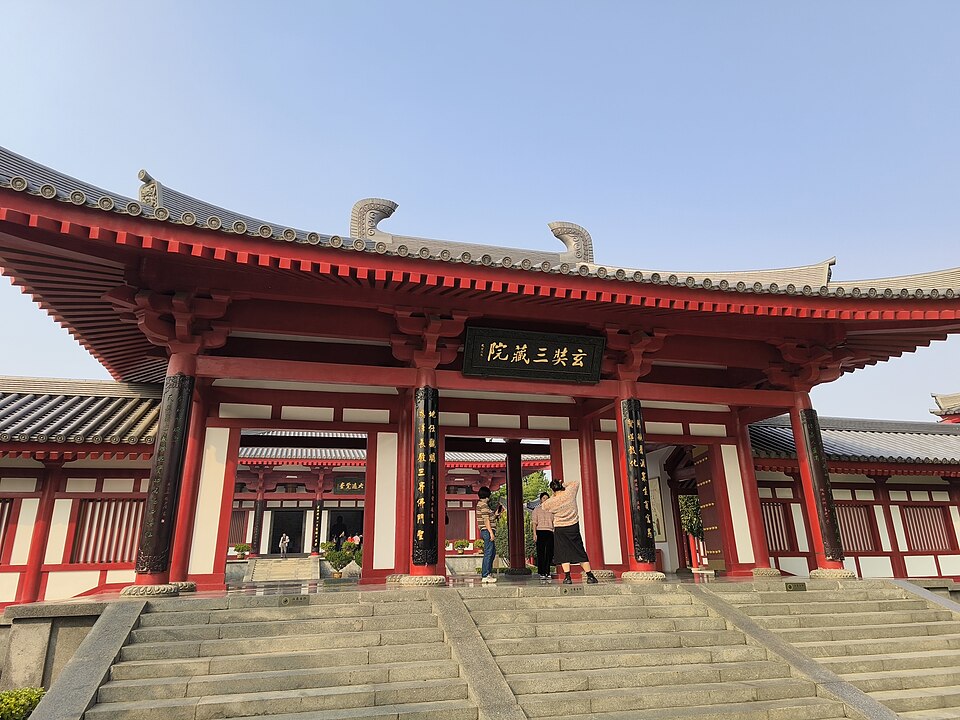
The temple complex contains the Giant Wild Goose Pagoda as its central feature, a seven-story brick structure that visitors can climb. The temple grounds include various halls, courtyards, and gardens arranged in traditional Chinese Buddhist architectural style. Xuanzang's statue and memorial elements related to his pilgrimage are present. The surrounding area has developed into a cultural district with fountains, plazas, and commercial spaces. The temple museum displays artifacts related to the site's history. The pagoda's interior contains staircases and viewing platforms at different levels.
Checked 2026-08-26

Visitors typically spend two to three hours exploring Da Ci'en Temple and its surroundings. This duration allows for walking through the temple grounds, entering the main halls, and climbing the Giant Wild Goose Pagoda. The pagoda climb itself requires additional time due to narrow staircases and potential queues. Those interested in detailed examination of historical displays or photography may wish to allocate more time. The adjacent north square with its fountain show can extend a visit. Combined with nearby attractions in the Qujiang area, a half-day itinerary is common.
Checked 2026-08-26

Operator-confirmed hours are Not recorded pending review. Visitors should verify current opening times before planning their trip. Xi'an experiences continental climate conditions with hot humid summers and cold dry winters. Spring and autumn generally offer more comfortable temperatures for outdoor temple exploration. Evening visits allow viewing of illuminated pagoda and fountain displays in the surrounding square. Major Chinese holidays bring significantly increased domestic tourism and crowded conditions. The temple's central location makes it accessible year-round, though personal comfort preferences and crowd tolerance should guide timing decisions.
Checked 2026-08-26
Operator-confirmed prices are Not recorded pending review. Separate fees may apply for temple grounds entry and pagoda climbing access. Visitors should verify current pricing structures before arrival. The site operates as a commercial tourism venue with multiple ticket categories potentially available. Discount eligibility for students, seniors, or other groups should be confirmed with official sources. Online booking platforms may offer reservation options. Cash and mobile payment methods are commonly accepted at Chinese tourist sites. Budget for additional costs if combining with nearby attractions or evening entertainment programs in the district.
Checked 2026-08-26

Da Ci'en Temple is located in Yanta District, southern Xi'an. The site is accessible via Xi'an Metro Line 3 and Line 4, with stations serving the Da Ci'en Temple area. Public buses operate routes to the vicinity. Taxis and ride-hailing services are widely available in Xi'an. The temple's prominence makes it known to most drivers. From central Xi'an locations like the Bell Tower, the journey takes approximately thirty minutes depending on traffic. Walking from nearby Qujiang attractions is feasible. Signage in Chinese and English assists navigation around the temple complex and surrounding squares.
Checked 2026-08-26

The pagoda staircase is narrow and steep, requiring physical exertion and caution, particularly for visitors with mobility limitations or during crowded periods. Summer heat can be intense with limited shade in open courtyard areas. Commercial activity in the surrounding district includes persistent souvenir vendors. Verify ticket inclusions to avoid confusion about pagoda access. Photography restrictions may apply in certain interior spaces. The area's popularity creates persistent crowds, with peak congestion during fountain show times and holiday periods. Protect personal belongings in dense visitor concentrations. Reconstruction and maintenance work may limit access to portions of the site without advance notice.
Checked 2026-08-26
The Giant Wild Goose Pagoda offers iconic photographic subjects from multiple angles. The north square provides frontal views with fountain foregrounds, particularly effective during evening illumination. Temple courtyards allow framed shots of traditional architecture against the pagoda. Interior pagoda photography is constrained by narrow spaces, limited lighting, and potential restrictions. The surrounding modern development creates juxtaposition opportunities between ancient and contemporary Xi'an. Early morning and late afternoon provide favorable natural lighting conditions. Tripod use may be restricted in crowded areas. Drone operation requires awareness of Chinese aviation regulations and site-specific prohibitions. Respectful photography of religious activities and worshippers requires discretion.
Checked 2026-08-26
The Giant Wild Goose Pagoda stands within Da Ci'en Temple grounds. The temple is the broader religious complex; the pagoda is its most famous structure. Visitors may encounter both names used interchangeably in tourism materials.
The pagoda has accessible interior levels via staircases. Operator-confirmed details about current access levels, physical requirements, and any restrictions are Not recorded pending review.
Xuanzang was a Tang Dynasty monk who traveled to India to obtain Buddhist scriptures. He returned to Da Ci'en Temple to translate these texts, establishing the site's major religious and scholarly significance.
The availability of English signage, audio guides, or staff assistance is Not recorded pending review. Visitors with Chinese language limitations should prepare accordingly.
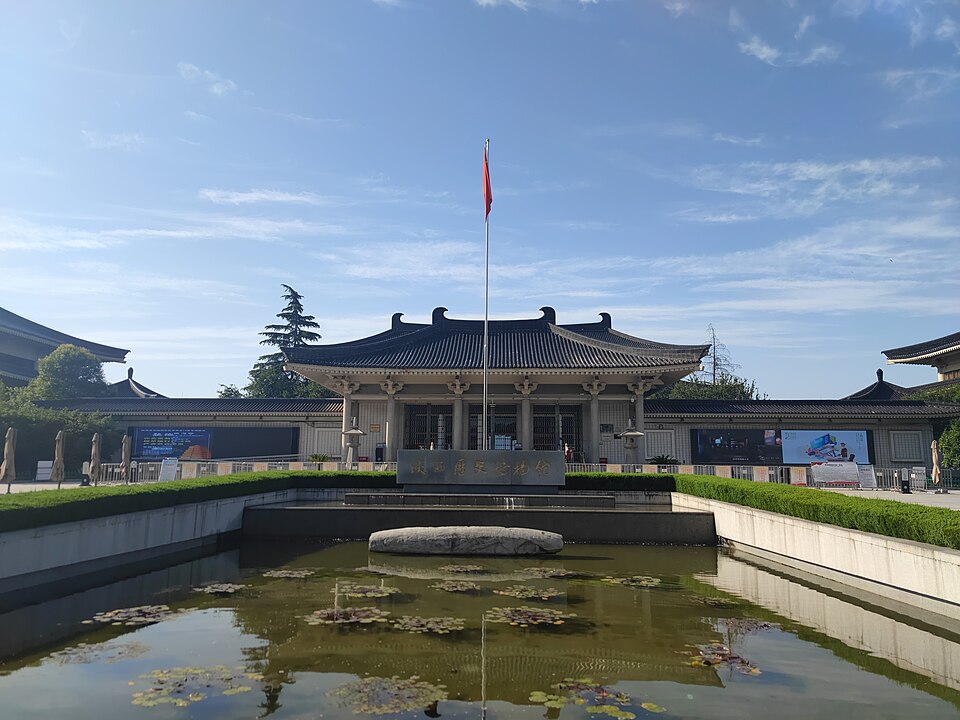
The Qujiang area contains additional attractions including parks, museums, and cultural sites. The Shaanxi History Museum is in relative proximity. Specific walking distances and combinations depend on individual pacing interests.
The north square fountain shows operate in public space separate from temple grounds. Whether shows require tickets, have schedules, or are freely accessible is Not recorded pending review.
Loading the interactive map…
The interactive map could not be loaded.
Last updated:
Source: OpenStreetMap contributors, Wikidata ·