
.jpg)
.jpg)
.jpg)


75 min walk
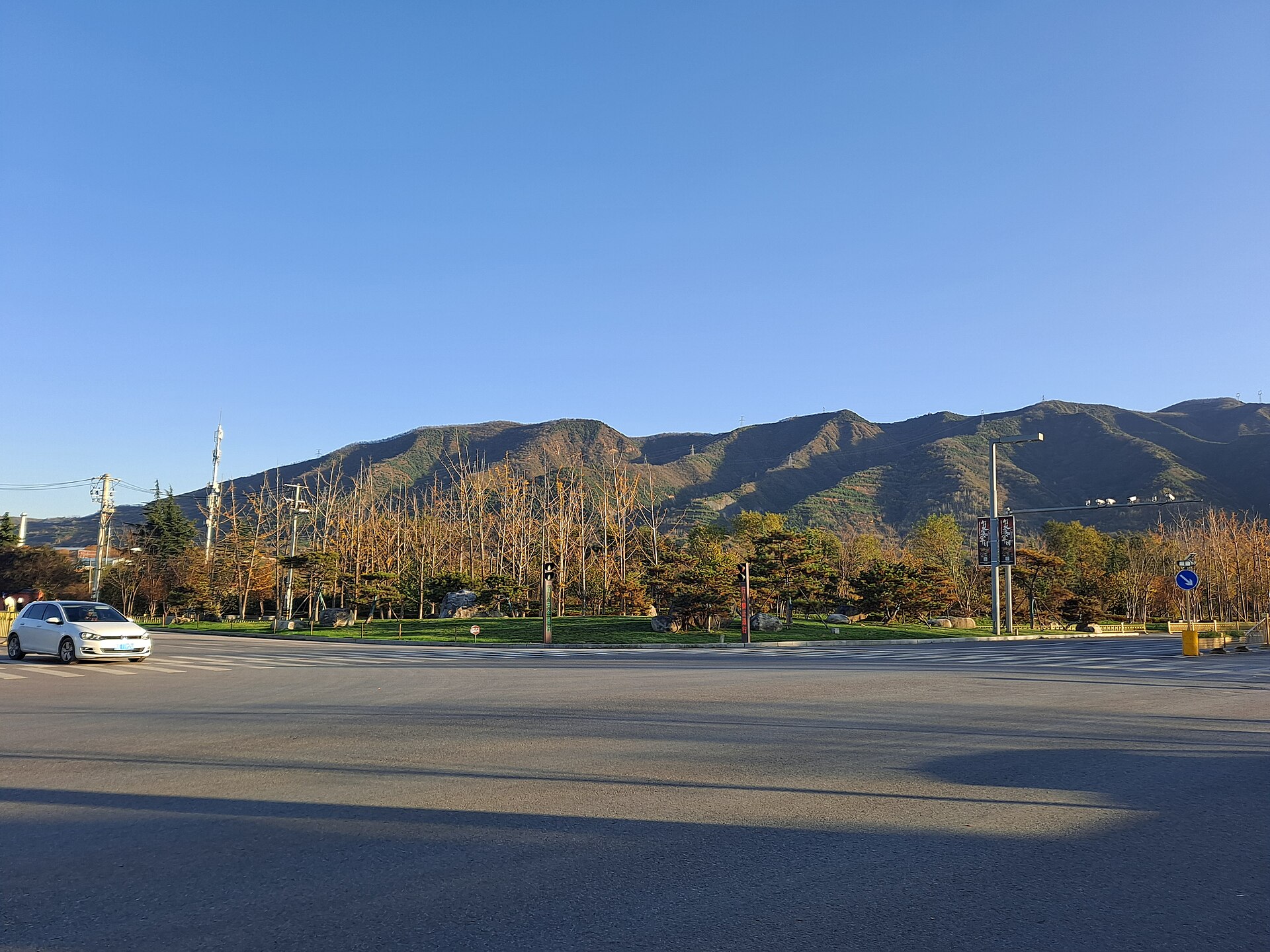
Mount Li
- Must see
- Viewpoint
Language · 11 published
Museum · Xi'an
秦始皇兵马俑博物馆
| Monday | 08:00 – 17:00 |
|---|---|
| Tuesday | 08:00 – 17:00 |
| Wednesday | 08:00 – 17:00 |
| Thursday | 08:00 – 17:00 |
| Friday | 08:00 – 17:00 |
| Saturday | 08:00 – 17:00 |
| Sunday | 08:00 – 17:00 |
Parsed from OpenStreetMap opening hours on 2026-08-26.
The Terracotta Army, known locally as the Qin Shi Huang Mausoleum Site Museum, stands among the most significant archaeological discoveries of the twentieth century. This vast subterranean complex lies near Xi'an in Shaanxi Province, China. Emperor Qin Shi Huang commissioned this monumental burial project during his reign. Thousands of life-sized terracotta soldiers, horses, and chariots were crafted to accompany the first emperor of unified China into the afterlife. The site represents extraordinary craftsmanship and imperial ambition. Excavations continue revealing new chambers and artifacts. Visitors encounter a world heritage destination that transformed understanding of Qin dynasty military organization, artistry, and funerary customs spanning over two millennia of history.
Checked 2026-08-26
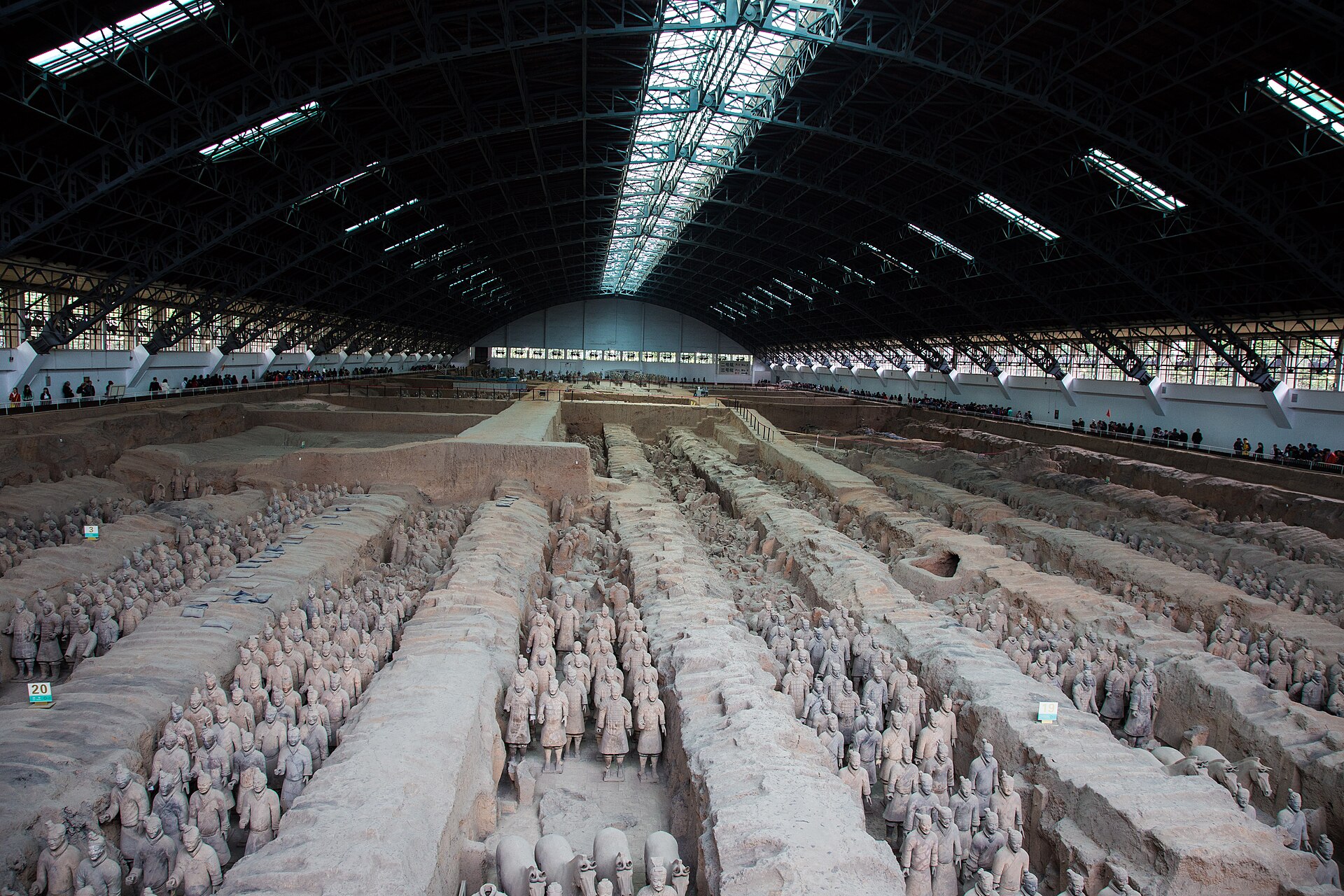
The museum complex encompasses three primary excavation pits displaying terracotta figures in various states of preservation. Pit one contains the famous battle formation of infantry and chariots. Pit two reveals mixed military units including cavalry and archers. Pit three appears to represent command headquarters with high-ranking officers. The Bronze Chariots Exhibition Hall houses remarkably detailed half-scale bronze vehicles. Ongoing archaeological work means some areas remain partially excavated. Figures exhibit individual facial features, hairstyles, armor styles, and ranks. Original pigments occasionally survive beneath protective layers. The surrounding mausoleum park includes additional unexcavated mounds and satellite burial sites extending across a vast landscape of historical significance.
Checked 2026-08-26

Visitors typically allocate substantial time to appreciate this extensive site comprehensively. The three main pits and exhibition halls demand careful pacing. Most travelers spend several hours exploring the museum complex alone. Additional time proves valuable for the surrounding park and mausoleum area. The distance between entrance, pits, and auxiliary buildings requires walking. Audio guides or guided tours extend duration but enhance contextual understanding. Photography stops and peak period congestion affect pacing. Combining the Terracotta Army with other regional attractions constitutes a full-day itinerary. Rushed visits risk superficial engagement with this profound archaeological landscape. Early arrival permits more contemplative examination before larger tour groups populate the viewing platforms extensively.
Checked 2026-08-26

Visitor judgment suggests avoiding major Chinese public holidays when domestic tourism surges dramatically. Spring and autumn generally offer moderate temperatures for extensive outdoor walking between structures. Summer brings heat and peak crowds. Winter sees reduced visitor numbers though conditions can prove chilly in unheated exhibition spaces. Morning arrival typically encounters fewer organized tour groups. Rainfall remains possible year-round. The indoor pits provide shelter regardless of weather. Checking current operational status before travel remains prudent. Local tourism patterns fluctuate with school vacation periods and festival calendars. Advance planning accommodates unpredictable conditions at this heavily visited destination. Check the operator's own site for the travel date before relying on a schedule or fare.
Checked 2026-08-26
Multiple ticket categories may apply for the museum complex and surrounding park areas. Identification requirements for foreign visitors should be anticipated. Combination tickets potentially include transportation or auxiliary exhibitions. Online reservation systems may operate during high-demand periods. Payment methods should be verified in advance. Discount eligibility for students, seniors, or other groups requires appropriate documentation. The separate mausoleum mound area sometimes involves additional access considerations. Currency and mobile payment compatibility warrant preparation. Refund policies and re-entry permissions remain unclear without official confirmation. Verifying current ticketing procedures through authorized channels before visiting represents essential visitor preparation for this major attraction. Check the operator's own site for the travel date before relying on a schedule or fare.
Checked 2026-08-26

The Terracotta Army sits approximately thirty-five kilometers northeast of central Xi'an. Public buses operate from the city to the museum area. Tourist shuttle services connect various Xi'an locations. Private vehicles and taxis provide alternative access. Travel time varies substantially with traffic conditions. Road infrastructure supports substantial daily visitor volume. Signage in multiple languages assists navigation. The final approach involves walking from parking areas through commercial zones. Return transportation requires planning, especially during evening hours. Tour packages commonly include round-trip transit. Cycling presents challenges given distance and road conditions. Rail connections do not directly serve this specific site. Allowing flexible timing accommodates potential delays.
Checked 2026-08-26

Crowding at viewing platforms impedes movement and visibility during peak visitation. Uneven surfaces and steps require attention throughout the complex. Temperature differentials between outdoor approaches and pit interiors affect comfort. Commercial activity near entrances includes persistent vendors. Authenticity concerns apply to souvenir purchases. Photography restrictions may apply in specific areas. Personal belongings security demands vigilance in congested spaces. Hydration and sustenance planning matters given site scale. Restroom facilities may involve queues. Accessibility limitations affect some visitors. Scams targeting tourists occasionally occur in transportation and peripheral commercial zones. Respecting archaeological integrity by not touching exhibits remains obligatory. Emergency procedures and exit locations warrant noting upon arrival.
Checked 2026-08-26
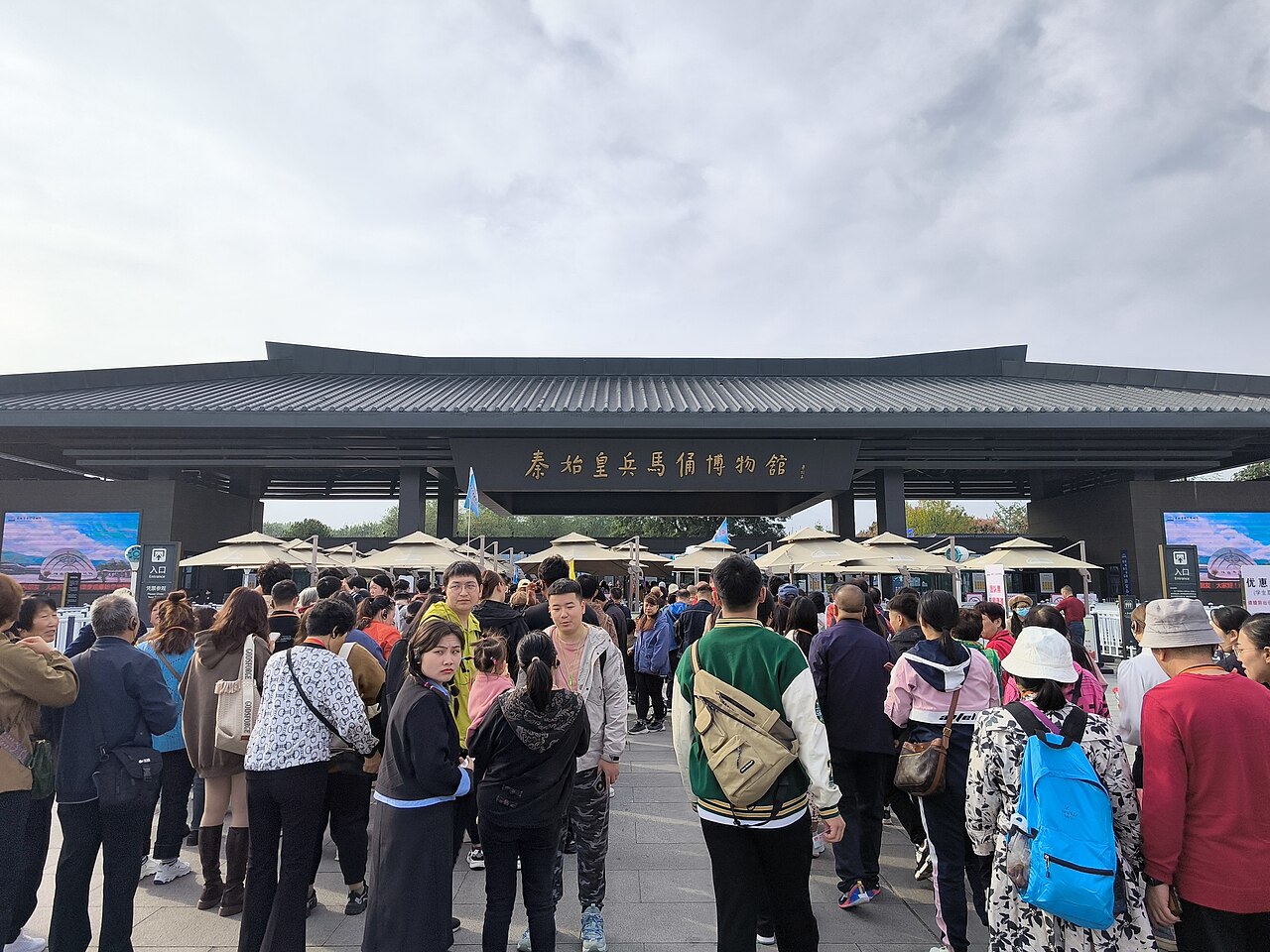
The dramatic scale and detail of terracotta figures attract substantial photographic attention. Lighting conditions vary significantly across pits and exhibition halls. Flash restrictions likely protect sensitive pigments and artifacts. Tripods may face limitations during crowded periods. Reflections from protective glass or barriers challenge certain shots. Elevated viewing platforms offer perspectives over formations. Close examination reveals individual figure distinctions worth capturing. Early arrival permits clearer compositions before congestion. The bronze chariots demand different technical approaches. Exterior shots of museum architecture and landscape complement interior documentation. Video recording policies require verification. Respect for other visitors' viewing experience should guide positioning and duration. Backup storage accommodates extensive image collections from this visually remarkable destination.
Checked 2026-08-26
The site lies northeast of central Xi'an, requiring transit from the urban core.
Viewing occurs from designated platforms and walkways, not among the figures themselves.
Individual facial features, hairstyles, and armor indicate distinct craftsmanship for each figure.
Archaeological work proceeds, with new discoveries and conservation efforts ongoing.
The burial mound exists within the broader park; direct tomb access is not described.
Advance arrangements may prove prudent given the site's prominence, though specific systems are Not recorded pending review.
Loading the interactive map…
The interactive map could not be loaded.
Last updated:
Source: OpenStreetMap contributors, Wikidata ·